
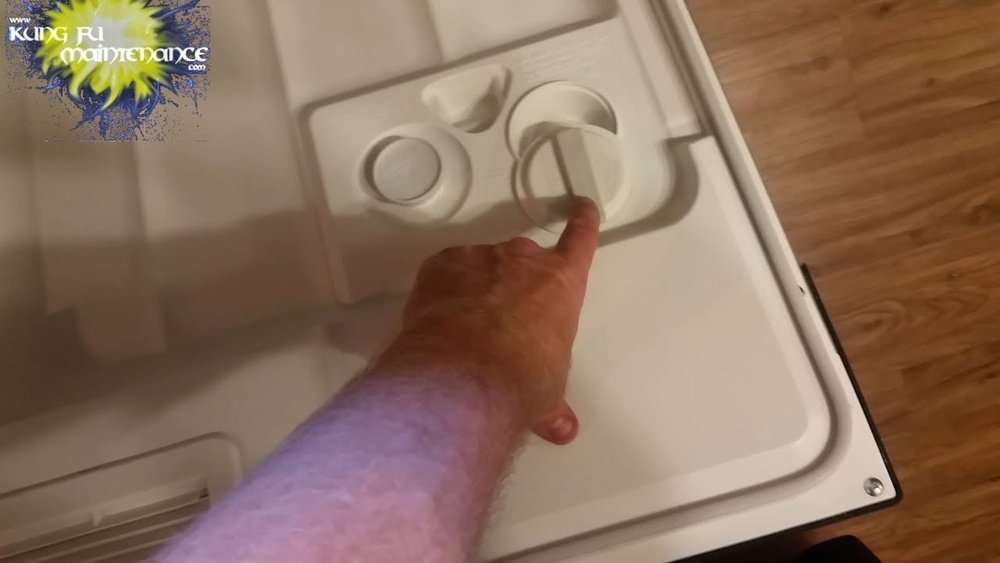
Trying to get your dishwasher detergent cup to close should be simple. Yet, many people find it tricky, especially if it’s their first time or if the cup mechanism is a bit sticky. Maybe you’ve loaded your dishwasher, added detergent, and the cup just won’t snap shut. Or perhaps you’ve noticed dishes aren’t coming out clean, and you suspect the cup didn’t open during the wash. Closing this small compartment the right way matters more than you might think. It affects cleaning power, water flow, and even the lifespan of your dishwasher.
This guide will help you master closing the detergent cup—whether your machine is new or old, has a sliding, flip, or push-to-close cup. You’ll get practical instructions, troubleshooting tips, and essential advice most manuals skip. If you want to avoid leaks, wasted detergent, or poor cleaning, keep reading.
By the end, you’ll handle your dishwasher’s detergent cup with confidence, every time.
Understanding The Dishwasher Detergent Cup
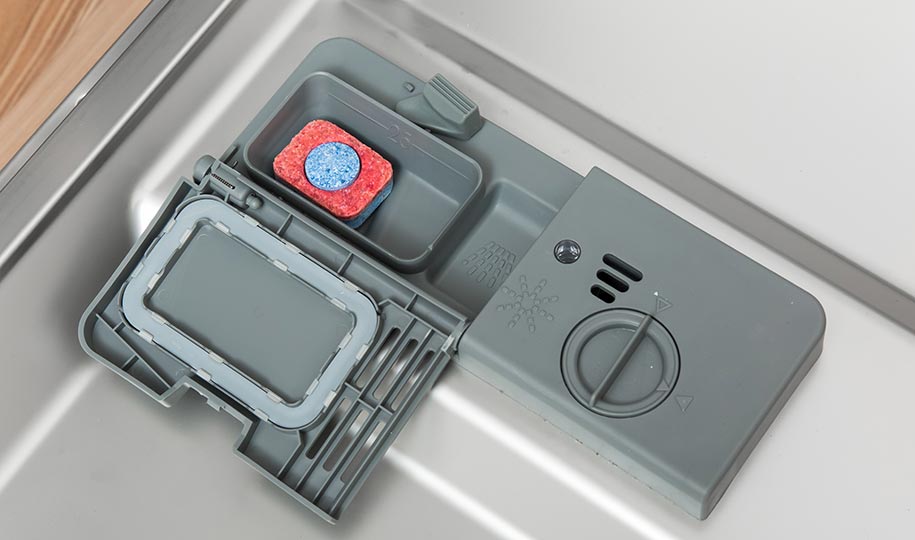
Before you start closing the cup, it’s good to know what it is and why it matters. The detergent cup (sometimes called the detergent dispenser) is a small, usually plastic compartment on the inside of your dishwasher door. Its job is to hold dishwashing detergent until the right moment in the cycle, then release it so your dishes get washed with maximum cleaning power.
Main Types Of Detergent Cups
Most dishwashers use one of these designs:
- Flip-open cup: Has a hinged lid that snaps shut and pops open during the wash.
- Sliding cover: Slides open and closed, sometimes with a locking tab.
- Push-to-close: Push the lid down until it clicks; often spring-loaded.
Some newer dishwashers use a detergent drawer or have a “cartridge” system. But most homes still have the classic cup.
Why The Cup Must Close Properly
A cup that doesn’t close (or pops open too soon) can cause:
- Detergent to spill before the wash cycle starts
- Poor cleaning results
- Detergent residue left on dishes
- Water leaks in extreme cases
It can even damage your dishwasher over time if detergent gets into the wrong parts. That’s why learning to close the cup the right way is important for every user.
Step-by-step: How To Close A Dishwasher Detergent Cup
Closing the detergent cup isn’t just about pushing until it snaps. Each dishwasher brand and model may be a little different. Here’s a step-by-step guide that works for most machines:
1. Open The Dishwasher Door Fully
Always start with the door fully open. This gives you space to work and keeps detergent from spilling.
2. Check The Cup For Residue
Before adding detergent, look inside the cup. If you see old, hard detergent or residue, wipe it out with a damp cloth. Build-up can stop the cup from closing or opening later.
3. Add The Right Amount Of Detergent
Use the right type and amount of detergent for your dishwasher and water hardness. Most cups have a “fill line. ” Don’t overfill! Too much detergent can jam the lid and cause leaks.
Non-obvious insight: Many people use too much detergent, thinking more is better. But overfilling can actually stop the cup from snapping shut or cause it to stick closed during the cycle.
4. Wipe The Cup Rim
After filling, quickly wipe the rim of the cup with your finger or a dry cloth. Powder, gel, or pod residue on the rim can stop the lid from sealing tightly.
5. Close The Lid Gently But Firmly
Depending on your cup type:
- Flip-open: Push the lid down until you hear a “click.” Don’t force it—if it doesn’t close, check for obstructions.
- Sliding: Slide the cover until it locks in place. If it stops halfway, double-check for detergent on the tracks.
- Push-to-close: Press down until it clicks. Some need a little extra push due to spring tension.
If the lid doesn’t feel secure, don’t start the cycle. Reopen and try again.
6. Confirm The Lid Is Locked
Gently tug the lid. It should stay shut. If it pops open easily, check for build-up or misalignment.
7. Close The Dishwasher Door And Start The Cycle
The detergent cup only opens when the cycle reaches the right point. If you’ve closed it correctly, you’ll hear a “pop” during the wash as the detergent is released.
Extra tip: Some dishwashers have a rinse aid compartment next to the detergent cup. Don’t confuse the two—they look similar!

Credit: www.reddit.com
Different Dishwasher Brands And Their Detergent Cups
Not all dishwasher cups are the same. Here’s how the detergent cup works in some popular brands and models.
| Brand | Cup Location | Closure Style | Special Tips |
|---|---|---|---|
| Bosch | Upper door, center | Flip-open | Use gentle pressure; avoid pods that are too large |
| Whirlpool | Upper door, right | Sliding | Clean tracks if sticky |
| GE | Upper door, center/left | Push-to-close | Check for spring action |
| Samsung | Upper door, center | Flip-open | Do not overfill; pods fit snugly |
| LG | Upper door, right | Flip-open | Wipe lid rim before closing |
If you’re not sure about your dishwasher’s cup, check the manual or look for the model number online.
Common Mistakes When Closing The Detergent Cup
Many problems with cleaning start with how you close the detergent cup. Here are the most frequent mistakes:
Overfilling The Cup
Extra detergent can jam the lid or keep it from sealing. Always use the fill line and follow your detergent brand’s instructions.
Using Wet Or Clumpy Detergent
Moisture makes powder stick to the cup or lid, stopping it from closing. Always use dry detergent, and keep pods in a sealed container.
Not Cleaning The Cup Regularly
Old detergent can harden around the cup, making it hard to close. Wipe the cup every few washes, even if you don’t see obvious build-up.
Forcing The Lid
If it won’t close, don’t use extra force. Check for obstructions, misalignment, or broken parts first.
Placing Tall Items In Front Of The Cup
Long utensils or tall dishes in the lower rack can block the cup from opening mid-cycle. Leave space in front of the cup so it can pop open freely.
Non-obvious insight: Many people blame the detergent for bad cleaning, but often, a blocked cup or poor closure is the real problem.
Signs Your Detergent Cup Isn’t Closing Properly
How do you know if the cup isn’t closed right? Watch for these signs:
- Detergent left in the cup after the cycle
- Dishes still dirty or filmy
- Cup lid popped open before the cycle started
- Water or detergent leaking from the cup area
If you notice these, check the cup before your next wash.
How To Fix A Stuck Or Broken Detergent Cup
Sometimes, the cup won’t close because of a mechanical issue. Here’s what you can do.
1. Clean Around The Cup
Use a soft brush or old toothbrush to clean around the cup and its hinges. Remove any detergent build-up.
2. Check For Broken Parts
Look for cracks, broken springs, or bent parts. If the latch doesn’t “click,” the spring may be worn out.
3. Test The Lid Without Detergent
Try closing the empty cup. If it closes, detergent was likely blocking it. If not, it may need replacement.
4. Replace The Detergent Cup
Most dishwasher cups can be replaced with basic tools. Search for your model’s replacement part, or call a professional if unsure.
5. Call For Service If Needed
If the cup is severely damaged or won’t stay closed after cleaning and checking, call a technician. Don’t try to force a broken cup shut, as this can cause bigger problems.
Pods, Tablets, And Gels: How To Close The Cup With Different Detergents
Modern detergents come in many forms: powder, gel, tablets, and pods. Each behaves a little differently in the cup.
Using Pods Or Tablets
- Place the pod or tablet flat in the cup, not on its edge.
- If the pod doesn’t fit, don’t force the lid. Use powder or gel instead, or switch to a smaller pod.
- Always close the lid fully, even with a pod inside.
Using Gel
- Pour gel up to the fill line.
- Wipe any spills before closing.
- Gels can leave sticky residue—clean the cup every few washes.
Using Powder
- Fill to the line, not above.
- Tap the cup gently to level the powder before closing.
Practical tip: Never put a pod in the bottom of the dishwasher unless the manual says it’s OK. Most machines are designed for the pod to go in the cup.
Safety Precautions When Closing The Detergent Cup
Dishwasher detergent is strong and can irritate skin or eyes. Use these safety tips:
- Avoid touching detergent with bare hands.
- Close the detergent box or container after use.
- Keep detergents away from children and pets.
- If detergent spills, wipe it up before closing the cup.
Credit: homewarranty.firstam.com
How The Detergent Cup Affects Cleaning Results
A properly closed detergent cup makes a big difference in cleaning results. Here’s why:
- The cup releases detergent at the right time for the main wash.
- If it pops open early, detergent is wasted in the pre-wash.
- If it doesn’t open, dishes stay dirty.
Example: A study by the US Department of Energy found that dishwashers with faulty detergent cups used up to 30% more water and energy, since users had to rewash dishes.
Troubleshooting: Why Won’t My Detergent Cup Close?
If your cup won’t close, work through these checks:
- Is there detergent stuck in the rim or hinge? Clean with a damp cloth.
- Is the lid misaligned? Realign and try again.
- Is the detergent wet or clumpy? Switch to dry detergent.
- Is the spring or latch broken? You may need a replacement part.
- Is the dishwasher rack blocking the cup? Move any tall items.
Pro tip: If you still can’t close it, run the dishwasher without detergent (empty) to check if it’s a mechanical fault or a detergent issue.
How Often Should You Clean The Detergent Cup?
Even with careful use, detergent cups collect residue over time. Clean the cup every 2–4 weeks, or more often if you use gel or soft water.
How to clean:
- Wipe with a damp cloth or sponge.
- For hard build-up, use white vinegar and an old toothbrush.
- Dry the cup before adding detergent again.
Comparing Detergent Cup Designs
Different cup designs have advantages and drawbacks. Here’s how they compare:
| Cup Type | Pros | Cons |
|---|---|---|
| Flip-open | Easy to use; clear closure click | Can jam if overfilled; hinges may wear |
| Sliding | Smooth movement; less likely to pop open early | Tracks can get sticky; harder to clean |
| Push-to-close | Secure closure; works well with pods | Spring can wear out; requires more force |
| Detergent drawer | Easy for seniors/kids; less mess | More parts to break; not common in US |
Insight: Flip-open cups are the most common, but push-to-close types are becoming popular for their better sealing.
Can You Run A Dishwasher Without Closing The Cup?
You can, but it’s not recommended. If you leave the cup open and sprinkle detergent in the bottom, the detergent is used up in the pre-wash. This means your dishes may not come out clean, and you’ll waste detergent.
Only use this method if the cup is broken and you need a temporary solution. Always fix or replace the cup as soon as possible.
When To Replace Your Detergent Cup
If your cup won’t stay closed after cleaning and checking for damage, it may be time to replace it. Most cups cost $10–$40 and can be swapped out in 10–20 minutes.
Signs you need a new cup:
- Cracked or broken lid
- Worn-out spring or latch
- Leaks or water around the cup after washing
You can buy replacement parts from the manufacturer or a parts website. Always check your model number before ordering.
How To Make Your Detergent Cup Last Longer
Want to avoid problems in the future? Here’s how to extend your cup’s life:
- Clean the cup and hinge every few weeks.
- Don’t force the lid closed.
- Use the right detergent and amount.
- Avoid slamming the dishwasher door.
These small habits can add years to your dishwasher’s life.
Special Cases: Hard Water And Detergent Cup Closure
If you live in an area with hard water, detergent can build up faster inside the cup. This can make the lid hard to close or stick shut. Use a dishwasher cleaner monthly to remove mineral deposits, and check the cup more often.
Extra tip: Consider using a water softener if you notice white spots on dishes or inside the cup.
How To Teach Others In Your Home
If you share your home with kids, guests, or roommates, they may not know how to close the detergent cup properly. Show them:
- Where the cup is
- How much detergent to use
- How to close it until it “clicks”
- What not to do (don’t force, don’t overfill)
A quick lesson can save you headaches and repairs down the road.
What To Do If Detergent Is Left In The Cup After Washing
If you open your dishwasher and find detergent still in the cup, try these steps:
- Check if the cup was blocked by a dish or utensil.
- Clean the cup and hinge.
- Run a rinse cycle with the cup empty.
- Try a different detergent type (powder, pod, gel).
- Make sure the water in your dishwasher is hot enough (120°F is ideal).
If the problem continues, the cup may need repair.
Environmental Tips: Reducing Detergent Waste
Closing the cup correctly isn’t just good for your dishes—it’s good for the planet. When detergent is wasted or released too early, you need to rewash, using more water and energy.
Helpful habits:
- Use only the amount needed for your load size.
- Choose eco-friendly detergents if possible.
- Run the dishwasher only when full.
For more ideas, see the EPA’s WaterSense program.
Frequently Asked Questions
Why Won’t My Detergent Cup Stay Closed?
The most common reasons are detergent build-up on the rim, overfilling, or a broken latch or spring. Try cleaning the cup and checking for damage. If it still won’t close, the part may need replacement.
Can I Use Dishwasher Pods If The Cup Won’t Close?
If the cup won’t close, you can place a pod on the bottom of the dishwasher as a temporary solution. However, this may reduce cleaning power, since the detergent is released too early. Fix the cup as soon as possible.
Is It Safe To Force The Detergent Cup Closed?
No. Forcing the lid can break the latch, hinge, or spring. If the cup doesn’t close easily, check for blockage or damage first.
How Do I Know If My Detergent Cup Opened During The Cycle?
After the cycle, the cup lid should be open, and detergent should be gone. If you find detergent still in the cup, it likely did not open, or was blocked by a dish.
Do I Need To Use The Detergent Cup Every Time?
Yes, for best cleaning. The cup ensures detergent is released at the right time. Only skip the cup if it’s broken and you’re waiting for repair.
Closing your dishwasher detergent cup the right way is a simple habit that saves time, money, and effort. By following these practical steps and tips, you’ll get cleaner dishes and a longer-lasting dishwasher—without the frustration of stuck or leaky detergent cups.

Credit: www.youtube.com