
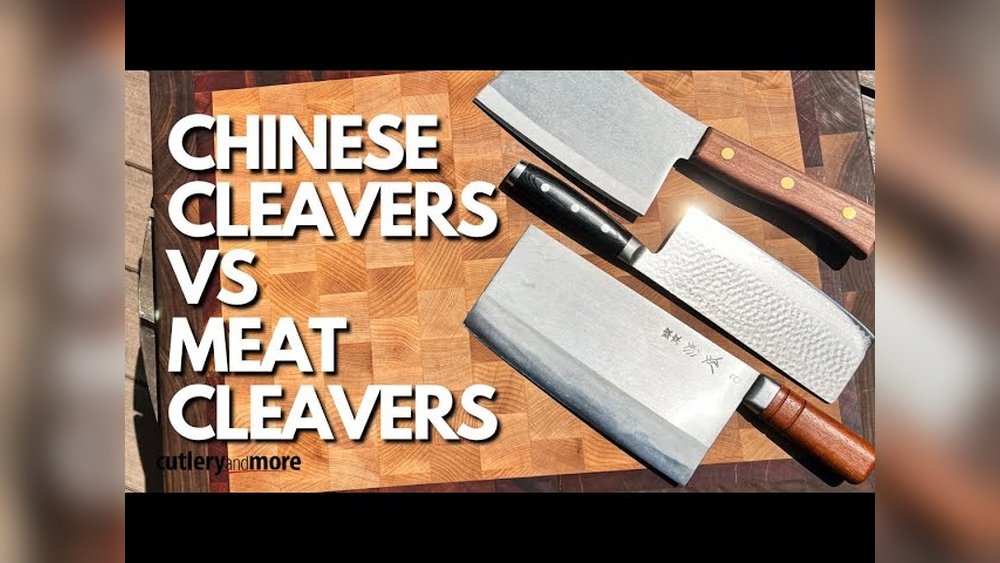
A meat cleaver is one of the most powerful and versatile tools in the kitchen. With its thick, heavy blade and broad surface, it can do things that no other knife can. But for many home cooks, a meat cleaver feels intimidating.
It looks like a tool made for butchers and professionals. The truth is, with the right knowledge and a bit of practice, anyone can use a meat cleaver safely and skillfully. In this guide, you will discover how to use a meat cleaver for different tasks, how to choose the right one, how to maintain it, and how to avoid common mistakes.
By the end, you will know how to make your meat cleaver work for you, whether you are splitting chicken bones, chopping vegetables, or even crushing garlic.
What Is A Meat Cleaver?
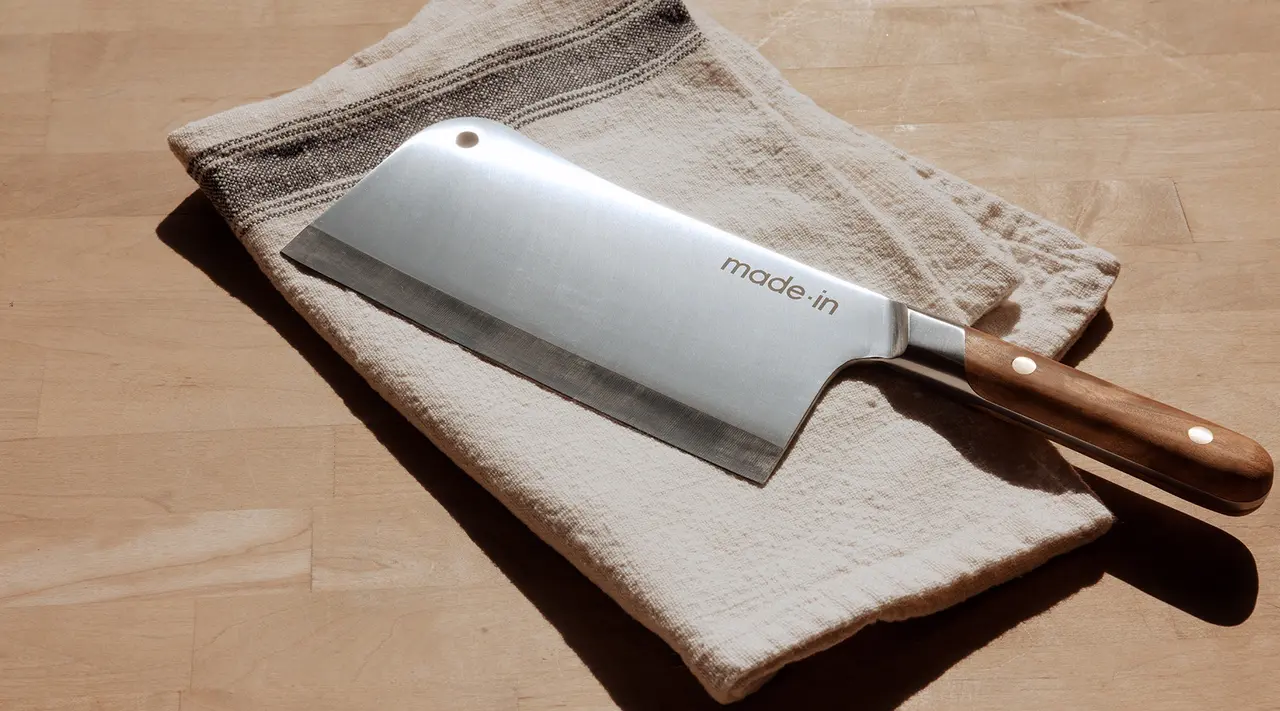
A meat cleaver is a large, rectangular knife with a very strong, thick blade. Most cleavers are between 6 and 8 inches long and 3 to 4 inches wide. Unlike chef’s knives or paring knives, the blade of a cleaver is heavy and not very sharp. This design allows the cleaver to cut through thick meat, cartilage, and even small bones with a single downward chop.
Cleavers are used in many cuisines, especially Chinese cooking, where they serve as an all-purpose knife. In the West, cleavers are mostly used for butchering meat. The weight of the cleaver does most of the work—when you swing it down, gravity helps cut through tough parts that would damage a smaller knife.
There are two main types of cleavers:
- Heavy-duty meat cleavers: Designed for bones and thick cuts.
- Chinese vegetable cleavers (cai dao): Lighter, used for slicing and dicing vegetables as well as boneless meat.
Why Use A Meat Cleaver?
A meat cleaver is not just about brute force. It offers several advantages in the kitchen:
- Powerful chopping: The weight and thickness allow you to chop through bones and cartilage with less effort.
- Versatility: You can use it to cut meat, crush garlic, slice vegetables, or even tenderize meat.
- Durability: Cleavers are built to last. A good one can handle rough use that would damage other knives.
- Safety: With proper technique, the cleaver’s design keeps your fingers away from the blade, reducing the risk of accidents.
Many people think they only need a chef’s knife, but a cleaver can actually make some tasks much easier and safer.
Anatomy Of A Meat Cleaver
Knowing the parts of a meat cleaver helps you use it correctly and keep it in good shape.
| Part | Description |
|---|---|
| Blade | Thick, rectangular, and heavy. The key part for chopping. |
| Edge | The cutting side of the blade. Less sharp than a chef’s knife, but more robust. |
| Spine | The top, blunt side of the blade. Used for crushing or as a mallet. |
| Heel | The rear part of the blade, closest to the handle. Good for tough cuts. |
| Handle | Usually wood, plastic, or metal. Should feel balanced and secure in your grip. |
| Hole | Often found in the blade’s top corner. Used for hanging the cleaver. |
Understanding these parts lets you use each area for specific tasks, improving both your results and safety.
How To Hold A Meat Cleaver Correctly
Proper grip is critical for control and safety. Here’s how to hold a cleaver:
- Grip the handle firmly with your dominant hand. Your thumb and index finger should wrap around the handle, not the blade.
- Place your other hand on the food, keeping fingers curled under (the “claw” grip) to keep them safe.
- Keep your wrist straight. Let the weight of the cleaver do the work; you don’t need to force it.
Some cooks use a “pinch grip” (thumb and forefinger on the blade) for chef’s knives. This is less common with cleavers, especially heavy ones, because the blade is too thick and heavy. Stick to the handle for control.

Credit: bernalcutlery.com
Essential Techniques For Using A Meat Cleaver
Using a meat cleaver is not just about chopping hard. Here are the main techniques you should know:
1. Chopping Through Bone
The most famous use for a cleaver is cutting through bones. Here’s how to do it safely:
- Place the meat on a stable cutting board.
- Hold the cleaver above the food, then bring it down in a controlled swing.
- Use the weight of the blade. Don’t try to “saw” through; let gravity help.
- If you need extra force for large bones, use your other hand to push down on the spine (never the edge).
Pro Tip: For very thick bones, you can score the bone first with the cleaver, then use the heel to finish the cut.
2. Cutting Through Cartilage And Joints
Cleavers are perfect for separating chicken legs or wings at the joint:
- Feel for the joint with your fingers—there’s a soft spot between the bones.
- Position the cleaver over the joint, then chop straight down.
- Less force is needed than with bones; the blade should glide through.
3. Slicing Meat
A sharp cleaver can slice meat, especially boneless cuts:
- Use a gentle rocking motion, similar to a chef’s knife.
- For thin slices, angle the blade slightly.
- The wide blade helps guide straight, even cuts.
4. Mincing And Dicing
The flat, wide blade is great for mincing garlic, ginger, or herbs:
- Rock the cleaver back and forth over the ingredients.
- Use the flat side to scoop up chopped food and transfer it to a pan.
5. Crushing And Smashing
You can use the side of the cleaver for tasks like crushing garlic or ginger:
- Lay the flat blade on top of the clove.
- Press down firmly with your palm.
- The wide blade gives excellent leverage and coverage.
6. Tenderizing Meat
Some cleavers have a flat or textured side for tenderizing:
- Pound the meat gently with the spine or side of the blade.
- This breaks down tough fibers and helps marinades penetrate.
Step-by-step Guide: Cutting Through A Whole Chicken
Many beginners want to cut a whole chicken but don’t know where to start. Here’s a simple process using a meat cleaver:
- Remove the legs. Find the joint between the drumstick and thigh. Cut through the skin, bend the leg back, and chop through the joint.
- Separate the wings. Pull the wing away, cut through the joint where it meets the body, and chop down.
- Split the backbone. Place the chicken breast-side down. Position the cleaver along one side of the backbone and chop through. Repeat on the other side.
- Halve the breast. Place the breast skin-side up. Position the cleaver in the center and chop down firmly to split the breast in half.
This method is fast and efficient. The key is to find the joints—not the bone—so you use less force and keep the pieces neat.

Credit: www.amazon.com
How To Use A Meat Cleaver For Vegetables
Many people think a cleaver is only for meat, but the lighter Chinese cleaver is fantastic for vegetables:
- Slice cabbage, onions, carrots, and more.
- Use the broad blade to scoop up chopped vegetables.
- Crush ginger or garlic before mincing.
- Julienne or dice with the tip of the blade.
A good cleaver can be your main knife for all vegetable prep. The wide blade makes it easy to transfer large amounts from the cutting board to the pot.
Safety Tips When Using A Meat Cleaver
A meat cleaver is a heavy, powerful tool. Respect it, and you’ll stay safe:
- Use a stable cutting board. Never cut on slippery or uneven surfaces.
- Keep fingers clear. Use the “claw” grip to protect your fingers.
- Let the blade fall. Don’t use excessive force—let gravity do the work.
- Keep the blade dry. Wet handles can slip, so wipe them often.
- Store the cleaver safely. Hang it or use a sheath; don’t leave it loose in a drawer.
Non-obvious insight: Most cleaver accidents happen because people try to cut bones that are too thick or use too much force. If you feel resistance, reposition the food or use a saw for very thick bones.
Choosing The Right Meat Cleaver
Not all cleavers are the same. Picking the right one can make your work much easier and safer.
Factors To Consider
- Blade weight: Heavier cleavers are better for bones; lighter ones are better for vegetables.
- Blade thickness: Thick blades for bone, thin for slicing.
- Handle comfort: Wood handles are classic, but synthetic ones can resist water and bacteria.
- Balance: The cleaver should feel balanced, not tip-forward or awkward.
- Material: High-carbon stainless steel offers durability and easier sharpening.
Here’s a comparison of key types:
| Type | Best For | Typical Weight | Blade Thickness |
|---|---|---|---|
| Heavy-duty Meat Cleaver | Bones, tough meat | 700-1000g | 4-8mm |
| Chinese Vegetable Cleaver | Vegetables, boneless meat | 300-500g | 1.5-3mm |
Pro Tip: If you mostly cook vegetables, a lighter Chinese cleaver will feel less tiring and be more precise.
Price And Quality
A high-quality cleaver can cost anywhere from $25 to $150. Cheaper models may chip or dull quickly. Investing in a good brand pays off in the long run.
How To Sharpen And Maintain A Meat Cleaver
A cleaver doesn’t need to be razor sharp like a chef’s knife, but it must be maintained to cut well and last long.
Sharpening Steps
- Clean the blade. Remove any food or grease.
- Use a coarse sharpening stone for a heavy-duty cleaver. Hold the blade at a 20-degree angle, and slide it across the stone in smooth strokes.
- Use a finer stone or honing steel to finish the edge.
- Test the sharpness by cutting through a sheet of paper or a tomato. The blade should cut easily but not be as thin as a chef’s knife.
Honing
Honing realigns the blade edge. Use a steel rod and run the cleaver along it before each use.
Care Tips
- Wash by hand. Avoid the dishwasher; it can dull and damage the blade.
- Dry immediately. Prevent rust by wiping the blade dry after washing.
- Oil the blade. For high-carbon steel, a thin layer of mineral oil prevents rust.
Non-obvious insight: Even a dull cleaver can be dangerous because it may bounce off bones or food, causing accidents. Regular maintenance is key.
Common Mistakes When Using A Meat Cleaver
Most people make the same few errors with cleavers. Avoid these to get better results and stay safe:
- Using a cleaver on glass or stone boards. This can chip the blade. Always use wood or plastic.
- Trying to cut bones that are too thick. No cleaver is meant for beef femur or large pork bones; use a saw instead.
- Not letting the blade do the work. Forcing the cleaver is tiring and dangerous.
- Neglecting the blade. A rusty or dull cleaver is more likely to slip.
- Holding food improperly. Always use the claw grip to protect your fingers.
Advanced Cleaver Techniques
Once you’re comfortable with basic tasks, try these advanced uses:
Butterfly Cut
- Slice meat almost all the way through (about 90%), then open it like a book. This is ideal for making stuffed chicken breast or preparing pork for stir-fry.
Precision Slicing
- Use the tip of the cleaver for thin, delicate slices—especially with a lighter Chinese cleaver.
Chopping Large Quantities
- The broad blade lets you chop several ingredients at once, then scoop them up easily.
Crushing For Marinades
- For recipes like smashed cucumber salad, use the flat side of the cleaver to break down vegetables so they absorb flavors better.
How Professionals Use Meat Cleavers
Professional butchers and chefs use cleavers daily for efficiency and safety:
- Butchers rely on heavy cleavers for splitting carcasses.
- Chinese chefs use a lighter cleaver for nearly all kitchen tasks, from mincing meat to slicing ginger.
- Street food vendors often keep a cleaver in hand all day, using it to chop, slice, and serve.
Key insight: The best professionals use the right cleaver for the job and keep it sharp and clean at all times.
Meat Cleaver Vs. Other Kitchen Knives
How does a meat cleaver compare to other knives? Here’s a quick look:
| Knife Type | Main Use | Strengths | Weaknesses |
|---|---|---|---|
| Meat Cleaver | Bones, tough meat, large veg | Power, versatility, durability | Heavy, less precise |
| Chef’s Knife | Slicing, dicing, general prep | Precision, multipurpose | Not for bones |
| Boning Knife | Removing bones, filleting | Flexibility, detail work | Fragile, can’t chop bones |
| Chinese Cleaver | Vegetables, boneless meat | Speed, scooping, slicing | Not for heavy bones |
Takeaway: A cleaver complements your chef’s knife. It’s not a replacement, but it handles the toughest jobs.
Cultural Importance And Popularity
The meat cleaver isn’t just practical; it’s part of food culture in many countries:
- In China, the cleaver is the main kitchen knife, used for everything from butchering to fine slicing.
- In Western butchery, the cleaver is a symbol of the trade—strong, reliable, and essential.
- In Vietnamese and Thai kitchens, lighter cleavers are common for fast vegetable prep.
The cleaver’s popularity is growing in home kitchens because it saves time and reduces the need for many knives.
Cleaning And Storing Your Meat Cleaver
Keeping your cleaver clean and storing it right will extend its life and keep you safe.
Cleaning Steps
- Wash immediately after use with warm, soapy water.
- Avoid soaking—water can damage wood handles and cause rust.
- Dry thoroughly with a towel.
Storing Your Cleaver
- Hang it on a wall hook using the hole in the blade.
- Store in a knife block if it fits.
- Use a blade guard or sheath for drawer storage.
Pro Tip: Never put a cleaver loose in a drawer; the heavy blade can damage other utensils and is a safety hazard.
When Not To Use A Meat Cleaver
A meat cleaver is not always the right tool. Avoid using it for:
- Filleting fish: Too heavy and imprecise.
- Delicate slicing: Use a chef’s or paring knife.
- Bread or pastries: The cleaver’s weight can crush soft foods.
- Very thick bones: Use a saw or ask your butcher.
Knowing when to use another tool is just as important as knowing how to use a cleaver.
Sustainable And Safe Meat Chopping
Meat cleavers can help you use more of the animal, reducing waste. Cutting your own meat also lets you choose better cuts and save money. However, always follow food safety rules:
- Clean the cleaver between cutting different foods.
- Disinfect after cutting raw meat.
- Use separate boards for meat and vegetables.
For more on safe food handling, visit the USDA Food Safety site.
Credit: madeincookware.com
Frequently Asked Questions
How Do I Sharpen A Meat Cleaver At Home?
Use a coarse sharpening stone for a heavy-duty cleaver. Hold the blade at a 20-degree angle and draw it across the stone in smooth, even strokes. Finish with a finer stone or honing steel. Always clean and dry the blade after sharpening.
Can I Use A Meat Cleaver For Vegetables?
Yes. A lighter, thinner Chinese cleaver is excellent for slicing, dicing, and mincing vegetables. The broad blade also makes it easy to scoop and transfer chopped food.
Is A Meat Cleaver Dangerous For Beginners?
A meat cleaver is safe if you use proper technique. Always keep your fingers curled under, use a stable board, and let the weight of the blade do the work. Most accidents happen from poor grip or forcing the blade.
How Do I Choose The Right Meat Cleaver?
Consider what you’ll use it for most: heavy-duty cleavers are best for bones, while lighter ones are better for vegetables and boneless meat. Try to find one that feels balanced and comfortable in your hand.
How Do I Prevent My Cleaver From Rusting?
Wash and dry your cleaver immediately after use. For high-carbon steel, apply a thin layer of mineral oil before storing. Avoid the dishwasher, which can damage both blade and handle.
A meat cleaver may look intimidating, but with the right technique, it becomes one of the most valuable tools in your kitchen. Whether you’re breaking down a whole chicken, prepping vegetables, or crushing garlic, a good cleaver brings power, speed, and satisfaction to cooking.
With practice and care, you’ll soon find yourself reaching for your cleaver for tasks big and small.