
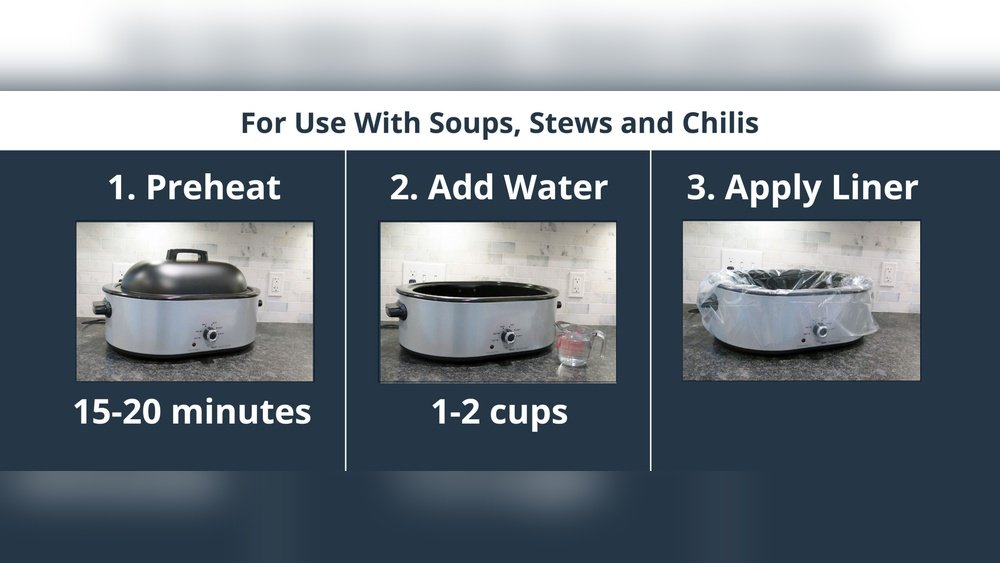
If you’re looking for a way to make big meals easier, an electric roaster oven can be a game changer in your kitchen. Whether you want to roast a juicy turkey, bake a casserole, or keep food warm for a party, this appliance is a flexible helper.
Many people see an electric roaster oven as just a “mini oven,” but it can do much more. The key is knowing how to use it properly—this can save you time, free up your main oven, and help you prepare food for a crowd without stress.
In this guide, you’ll learn everything about using an electric roaster oven. We’ll cover setup, cooking tips, cleaning, and advanced uses. Along the way, you’ll discover smart details, like how to avoid soggy food, how to adjust recipes, and how to get the best results for special meals.
Whether you’re a beginner or you want to level up your kitchen skills, this article will give you clear, step-by-step advice to use your electric roaster oven with confidence.
What Is An Electric Roaster Oven?
An electric roaster oven is a portable kitchen appliance designed to roast, bake, cook, and keep food warm. It looks similar to a large slow cooker but is built mainly for roasting and baking. Most models have a removable roasting pan, a lid, and a rack to lift food above the pan’s bottom.
These ovens usually range from 14 to 22 quarts in size, making them perfect for large cuts of meat, turkeys, hams, or multiple dishes at once. Temperature control is typically adjustable from 150°F to 450°F, giving you flexibility for different recipes.
One major benefit is that it runs on regular electricity, so you can use it anywhere with an outlet.
Main Parts Of An Electric Roaster Oven
Understanding the basic parts will help you use your roaster oven safely and efficiently. Here’s a quick overview:
| Part | Description | Common Materials |
|---|---|---|
| Roaster Base | Holds the heating element and supports other parts | Metal, Plastic |
| Removable Pan | Large insert that holds food and liquids | Enamel-coated Steel |
| Rack | Keeps food above the pan’s bottom for even heat | Metal, Stainless Steel |
| Lid | Covers the oven to retain heat and moisture | Metal, Glass (some models) |
| Temperature Dial | Adjusts the cooking temperature | Plastic, Metal |
| Indicator Light | Shows if the oven is heating | Plastic, LED |
Knowing each part helps with setup, cooking, and cleaning. For example, the rack is essential for proper air flow and even roasting.
Choosing The Right Roaster Oven
Not all electric roaster ovens are the same. Here’s what you should consider before buying or using one:
- Size: Most home cooks choose between 18 and 22 quarts. An 18-quart oven can fit a 22-pound turkey, which is enough for big gatherings. If you cook for smaller groups, a 14-quart model may be better.
- Temperature Range: Make sure it can reach at least 450°F for baking and roasting.
- Removable Pan and Rack: These make cleaning easier and help with even cooking.
- Extra Features: Some models have a self-basting lid, which helps keep food moist, or a “keep warm” setting for serving.
- Build Quality: Choose a model with a sturdy handle and a strong lid. Thin metal or plastic may warp or break over time.
Common mistake: Many buyers get a bigger model than they need. Larger ovens use more energy and take up more space. Match the size to your usual cooking needs.
Setting Up Your Electric Roaster Oven
Before using your roaster oven, you need to set it up correctly:
- Wash All Removable Parts: Clean the pan, rack, and lid with warm soapy water. Dry completely before assembling.
- Choose a Safe Location: Place the roaster on a flat, heat-resistant surface. Keep it away from walls, curtains, and any flammable materials. The sides and lid can get hot.
- Assemble the Oven: Put the removable pan inside the base. Add the rack if your recipe needs it.
- Plug It In: Make sure your hands are dry. Plug the oven directly into the wall—not an extension cord—for safety.
- Preheat If Needed: For roasting or baking, preheat the oven with the lid on for at least 15 minutes to let it reach the right temperature.
Insider tip: Always check the power cord for damage before each use. If you see any wear or fraying, replace the cord or contact the manufacturer.
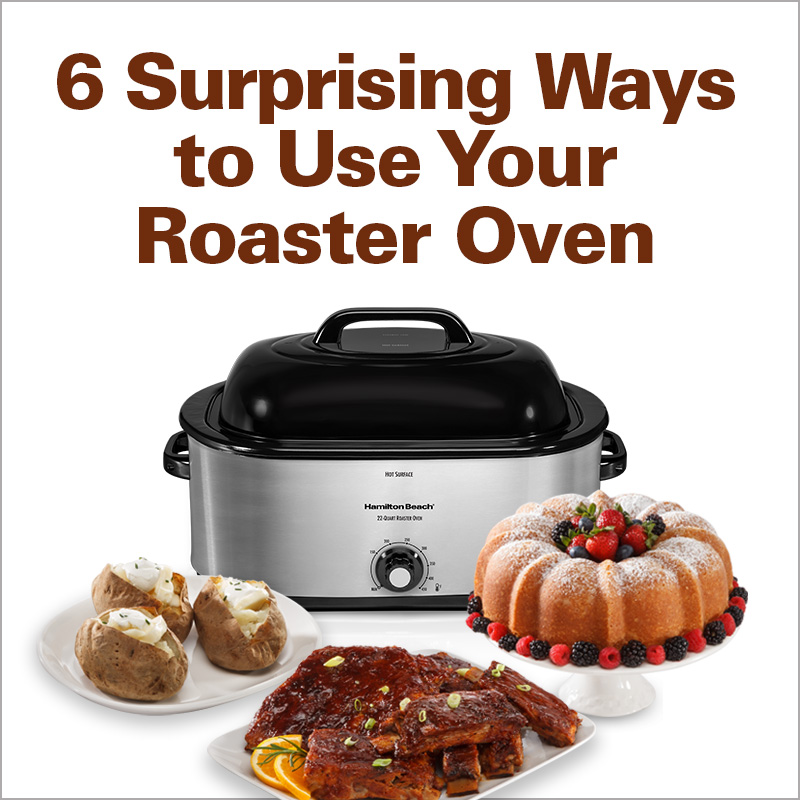
Credit: hamiltonbeach.com
Basic Cooking Methods With A Roaster Oven
Electric roaster ovens can do more than roast meat. Here are the main cooking methods you can use:
Roasting
Perfect for turkey, chicken, beef, pork, and vegetables. The rack keeps food above the juices, so the heat circulates and browns the food.
How to roast:
- Preheat the oven to the desired temperature (usually 325°F for turkey).
- Place seasoned meat or vegetables on the rack.
- Put the rack in the pan, cover with the lid, and let it cook. Use a meat thermometer to check doneness.
Baking
Casseroles, lasagna, bread, and even cakes can be baked in a roaster oven.
How to bake:
- Preheat the oven with the pan inside.
- Use oven-safe dishes or pans. Place them directly in the roaster pan (remove the rack for large flat dishes).
- Cover and bake as you would in a regular oven. Check a bit earlier—roaster ovens can cook faster due to steam.
Steaming
A roaster oven can steam large amounts of vegetables or seafood. Add a small amount of water to the pan, put food on the rack, and cover.
How to steam:
- Fill the bottom with 1–2 cups of water.
- Arrange food on the rack, cover, and cook at 350°F.
- Check after 10–20 minutes, depending on the size of the food.
Slow Cooking
You can use your roaster oven like a slow cooker for soups, stews, and braised dishes. Set the temperature to 200–250°F and cook for several hours.
Insider tip: Roaster ovens are great for making pulled pork or beef for parties. The large size means you can cook enough for a crowd.
Warming And Serving
Many models have a “keep warm” setting, perfect for parties or buffets. You can keep mashed potatoes, chili, or other dishes hot for hours.
How To Roast A Turkey In An Electric Roaster Oven
Roasting a turkey is probably the most popular use for an electric roaster oven. Here’s a step-by-step example for a 16- to 20-pound turkey:
- Prepare the Turkey: Thaw completely if frozen. Remove giblets and neck. Pat dry with paper towels.
- Season: Rub the skin and cavity with salt, pepper, herbs, and a little oil or melted butter.
- Add Aromatics: Place onion, lemon, or herbs inside the cavity for extra flavor.
- Set Up the Oven: Place the rack in the pan. Preheat to 325°F with the lid on.
- Roast: Put the turkey breast-side up on the rack. Cover and roast. Estimate 13–15 minutes per pound.
- Check Temperature: Start checking after 2.5 hours. Turkey is done when the thickest part of the thigh reaches 165°F.
- Rest: Remove the turkey, cover loosely with foil, and let rest for 20–30 minutes before carving.
| Turkey Weight | Roasting Time (at 325°F) | Internal Temp |
|---|---|---|
| 12–14 lbs | 2.5–3.5 hours | 165°F |
| 16–18 lbs | 3.5–4.5 hours | 165°F |
| 20–22 lbs | 4.5–5.5 hours | 165°F |
Non-obvious insight: If you want crispy skin, remove the lid for the last 30 minutes or place the turkey under your main oven’s broiler for a few minutes.

Credit: www.youtube.com
Adapting Oven Recipes For Your Roaster Oven
Many recipes written for a standard oven can be made in a roaster oven. Here’s how to adapt them:
- Reduce the Temperature by 25°F: Roaster ovens often cook faster due to their moist environment.
- Monitor Cooking Time: Start checking 10–20% earlier than the original recipe says.
- Use Oven-Safe Dishes: Not all cookware fits inside a roaster oven, so measure first.
- Keep the Lid On: Heat and moisture escape quickly if you open the lid often. Only lift it when necessary.
- Avoid Overcrowding: Leave space around dishes for heat to circulate. If you stack pans, rotate them halfway through cooking.
Beginner mistake: Forgetting to check for doneness early. Because roaster ovens are efficient, overcooking is a common problem.
Cleaning And Maintenance
A clean roaster oven works better and lasts longer. Here’s how to clean it safely:
- Unplug and Cool Down: Let the oven cool completely before cleaning.
- Remove Removable Parts: Take out the pan, rack, and lid.
- Wash with Soapy Water: Clean the pan, rack, and lid in warm soapy water. Do not put electrical parts in water.
- Wipe the Base: Use a damp cloth to clean the outside and inside of the base. Avoid getting the electrical parts wet.
- Dry Thoroughly: Make sure all parts are dry before storing.
- Store With Lid Off: Store the oven with the lid slightly open to avoid odors.
Non-obvious insight: If food is stuck on the pan, soak it with warm water and a little baking soda for 20 minutes before scrubbing. This prevents scratching the enamel.
Advanced Tips And Tricks
Making Gravy In The Roaster Oven
After roasting meat or poultry, use the pan drippings to make gravy. Remove the rack, pour the drippings into a saucepan, and make gravy as usual on the stovetop. You can also set the removable pan on two burners (if enamel-coated) for direct heating.
Baking Bread Or Rolls
The even, moist heat in a roaster oven is excellent for baking bread. Place dough in greased pans and set them inside the preheated roaster. The bread will rise well and bake with a soft crust. If you want a crispier crust, uncover for the last 5–10 minutes.
Batch Cooking
Roaster ovens are ideal for meal prep. Cook several pounds of chicken, beef, or vegetables at once, then portion and freeze for later meals.
Using Foil
Lining the pan with heavy-duty foil makes cleanup easier. You can also tent food with foil to prevent over-browning.
Comparing Roaster Oven Vs. Conventional Oven
It helps to understand the advantages and differences between these appliances.
| Feature | Roaster Oven | Conventional Oven |
|---|---|---|
| Energy Use | Lower (approx. 1150–1450 watts) | Higher (2400–5000 watts) |
| Preheat Time | Short (10–15 minutes) | Medium (15–25 minutes) |
| Moisture Retention | High (steamy environment) | Lower |
| Capacity | Large (up to 22 lbs turkey) | Varies by oven size |
| Portability | Portable | Fixed |
| Multiple Dishes | Possible, but limited space | Can use multiple racks |
Practical tip: During holidays, use your roaster oven for the main dish and your standard oven for sides or dessert. This reduces kitchen stress and saves time.
Common Mistakes And How To Avoid Them
Even experienced cooks make errors with a roaster oven. Here are pitfalls to watch for:
- Not Preheating: Food cooks unevenly if you skip preheating. Always preheat with the lid on for better results.
- Lifting the Lid Often: Opening the lid lets out heat and steam, slowing cooking and drying food. Check only when needed.
- Overcrowding: Packing too much into the oven blocks heat circulation. Leave space for air to flow.
- Skipping a Thermometer: Always use a meat thermometer to check doneness. Roaster ovens can cook faster than expected.
- Using the Wrong Cookware: Some glass dishes may crack from rapid temperature change. Use oven-safe metal or ceramic pans.
- Forgetting to Check Water Levels: When steaming, always monitor water so the pan does not dry out.
- Not Letting Food Rest: After roasting, let large meats rest before slicing. This keeps juices inside.
- Neglecting Cleaning: Built-up food can cause smoke and bad smells. Clean after each use.
Experience-based tip: If your food is browning too quickly, tent it with foil or reduce the temperature by 15–25°F.
Creative Ways To Use Your Electric Roaster Oven
There’s much more you can do with an electric roaster oven than cook turkey. Here are some creative ideas:
- Bake a big batch of lasagna for a party.
- Warm up dozens of dinner rolls before a holiday meal.
- Make oatmeal or porridge for a crowd at a breakfast event.
- Prepare slow-cooked pulled pork or beef for sandwiches.
- Steam tamales or dumplings in large amounts.
- Cook baked potatoes for a group picnic.
- Keep soup, chili, or cheese dip hot for hours at a buffet.
- Bake cakes or cobblers for dessert.
Practical insight: You can even use a roaster oven for canning or sterilizing jars. Just check your model’s manual for instructions and safety limits.
Safety Guidelines
Electric roaster ovens are safe when used correctly, but always follow these rules:
- Keep cords away from water and heat sources.
- Do not immerse the base in water.
- Use oven mitts when handling hot parts.
- Keep children and pets away while in use.
- Turn off and unplug after cooking.
- Do not use outdoors unless the manual says it’s safe.
If you smell burning or see smoke, unplug the oven right away and check for food spills or electrical problems.
Troubleshooting Common Problems
If you run into issues, here’s how to solve them:
- Food cooks too fast: Lower the temperature by 25°F and check earlier.
- Food is soggy: Remove the lid for the last 15–30 minutes or raise food higher on the rack.
- Food sticks to the pan: Use nonstick spray or line with foil before cooking.
- Uneven cooking: Rotate the pan halfway through cooking and avoid blocking heat flow.
- The oven won’t turn on: Check the outlet, make sure the cord is fully plugged in, and confirm the dial is set correctly.
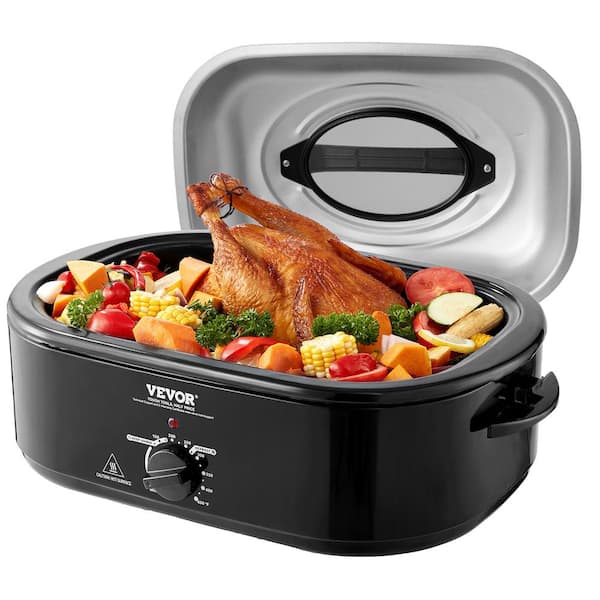
Credit: www.homedepot.com
Cleaning And Storage Tips
For best results, clean your oven soon after use:
- Wipe up spills while warm: They are easier to remove.
- Don’t use steel wool: It can scratch the enamel.
- Store with the lid off: Prevents odor and moisture buildup.
- Wrap cord neatly: Avoid kinks or damage.
Pro tip: For stubborn smells, wipe the inside with a mix of vinegar and water, then air dry.
When Should You Not Use A Roaster Oven?
While electric roaster ovens are versatile, avoid using them for:
- Deep frying (they are not designed for oil at high temperatures)
- Crisping foods (like pizza or French fries)
- Broiling (no direct top heat)
- Cooking delicate pastries that need dry heat
For those tasks, a standard oven or dedicated appliance works better.
How To Make The Most Of Your Roaster Oven
To get great results every time:
- Plan ahead: Know your recipe and oven size.
- Use a thermometer: Don’t guess when meat is done.
- Practice with small meals: Get comfortable before cooking for a big event.
- Read the manual: Each model has unique features.
- Try new recipes: Experiment with casseroles, baked goods, and more.
If you want more recipe inspiration, many manufacturer websites and cooking blogs share ideas for electric roaster ovens. For example, the Food Network has a helpful guide with additional tips.
Frequently Asked Questions
What Size Turkey Fits In An 18-quart Electric Roaster Oven?
An 18-quart roaster oven can comfortably fit a turkey up to 22 pounds. If your turkey is larger, check the inside dimensions and avoid touching the lid when closed. It’s better to use a slightly smaller bird for even cooking.
Can You Bake A Cake In An Electric Roaster Oven?
Yes, you can bake cakes in a roaster oven. Use an oven-safe baking pan that fits inside. Preheat the oven, place the pan on the rack (or directly in the pan), and bake as you would in a regular oven.
Check doneness early, as roaster ovens can bake faster due to steam.
How Do I Keep Food Warm In A Roaster Oven For A Party?
Set the oven to the “keep warm” setting or 200°F. Place cooked food in the pan, cover with the lid, and stir occasionally. Use a food thermometer to keep hot foods above 140°F for safety. This works well for mashed potatoes, casseroles, and soups.
Do You Put Water In The Bottom Of A Roaster Oven?
Usually, you do not put water in the bottom when roasting meat or baking. The juices from the food are enough. Add water only when steaming vegetables, seafood, or making certain dishes like tamales.
Is An Electric Roaster Oven Energy Efficient?
Yes, electric roaster ovens are generally more energy efficient than large conventional ovens. They use less electricity and preheat faster, which can save energy and reduce your utility bills, especially for big meals.
Using an electric roaster oven is one of the easiest ways to cook for a group, save time, and free up space in your kitchen. With the right setup, a little planning, and the tips in this guide, you’ll get great results—and maybe even surprise yourself with what you can make.