
A wok ring may look like a simple kitchen tool, but it can transform the way you cook. People who use round-bottomed woks on flat stovetops often struggle with stability, heat control, and even safety. That’s where the wok ring steps in. If you’ve ever wondered why your stir-fry doesn’t taste like it does at your favorite restaurant, or why your wok wobbles every time you flip food, learning to use a wok ring properly could be the answer.
Many home cooks buy a wok without knowing about the ring. Some try to balance a wok directly on a flat electric stove, only to burn food on one side and leave the other side undercooked. Others use a wok ring but do not realize there are different types, or that positioning matters.
These common mistakes can lead to frustration, wasted ingredients, and disappointing meals.
In this guide, you’ll learn how to choose the right wok ring, set it up correctly, and use it safely. You’ll also discover tips professionals use, what to avoid, and how to get the most out of your wok cooking at home.
Whether you’re new to stir-frying or looking to improve your skills, this article will give you clear, practical advice in simple language.
What Is A Wok Ring And Why Use One?
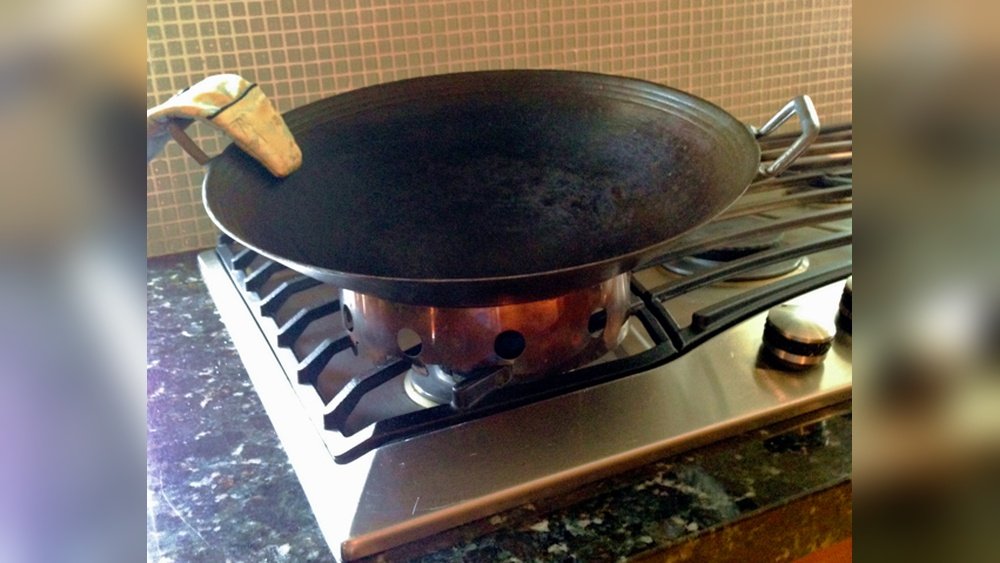
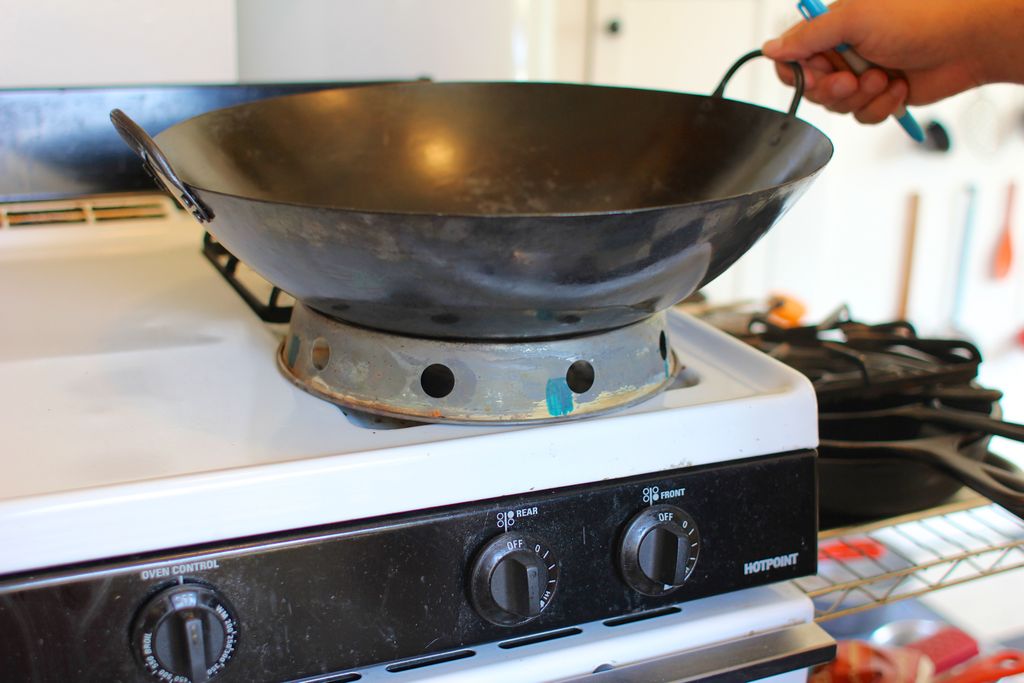
A wok ring is a metal accessory designed to hold a round-bottomed wok stable on a flat stovetop. It usually looks like a flat metal circle with an opening in the center. The ring sits between your burner and the wok, lifting the wok above the direct flames or heat and keeping it from moving around.
Why Do Wok Rings Matter?
- Stability: Round-bottomed woks are made for open flame stoves, not flat electric or gas burners. The ring prevents the wok from wobbling or tipping.
- Heat Focus: The ring helps direct heat to the bottom of the wok, which is important for stir-frying, searing, and other high-heat cooking methods.
- Safety: By holding the wok in place, it reduces the risk of spills or burns.
- Versatility: Some rings can be used with different types of stoves or even on outdoor grills.
If you use a flat-bottomed wok, you might not need a ring. But for round-bottomed woks, a ring is almost always necessary for home kitchens.
Who Needs A Wok Ring?
- People with flat electric or induction stoves
- Gas stove users with wide burners
- Anyone using a traditional round-bottomed wok at home
Even if you have a gas stove, your burner may not hold the wok safely. The wok ring ensures better contact with the heat source and helps mimic the high, focused heat found in professional Chinese kitchens.
Types Of Wok Rings
Not all wok rings are the same. Different designs suit different stoves and cooking needs. Let’s break down the main types.
| Type | Best For | Pros | Cons |
|---|---|---|---|
| Flat wok ring | Flat electric or induction stoves | Stable, easy to clean | Can block heat, not for open flame |
| Open wire wok ring | Gas stoves with open burners | Allows flame contact, lightweight | Can be slippery, less stable on glass |
| Cast iron wok ring | Outdoor grills, high heat | Very durable, retains heat | Heavy, may scratch surfaces |
| Adjustable wok ring | Multiple wok sizes, mixed stoves | Flexible, fits different woks | May be less stable at max size |
How Do You Choose The Right Type?
The best wok ring for you depends on your stove, your wok, and how often you cook with high heat.
- Electric/Induction stoves: Use a solid, flat ring for more stability.
- Gas stoves: Wire rings let flames reach the wok, giving better heat.
- Outdoor use: Cast iron rings are best for durability and heat retention.
- Multiple woks: An adjustable ring is a good investment.
Choosing The Right Size Wok Ring
Size matters when choosing a wok ring. A ring that’s too small can be unstable, while one that’s too big won’t hold the wok securely.
Measuring Your Wok And Stove
- Measure your wok’s bottom diameter. Most round-bottomed woks are 13–16 inches across at the top, but the bottom is much smaller.
- Check your burner size. The ring should fit comfortably over the burner without blocking airflow.
- Ring height: Higher rings raise the wok further from the heat, which can be useful for slow cooking or braising. Lower rings allow for higher heat, good for stir-frying.
| Wok Size (inches) | Suggested Ring Diameter (inches) | Ring Height (inches) |
|---|---|---|
| 12–13 | 7–7.5 | 1.5–2 |
| 14–16 | 8–8.5 | 2–2.5 |
| 16+ | 9–10 | 2.5–3 |
Material Considerations
- Stainless steel: Common, rust-resistant, easy to clean.
- Carbon steel: Durable, but can rust if not dried well.
- Cast iron: Heavy, great for outdoor use, but slow to cool.
- Chrome-plated rings: Look shiny but may chip over time.
Choose materials that match your cooking habits and cleaning preferences.
How To Set Up A Wok Ring
Getting your wok ring in the right position is key for safety and cooking performance.
Step 1: Clean The Stove And Ring
Always start with a clean surface. Grease or debris can cause the ring to slip or smoke during cooking. Wipe the stove and ring with a damp cloth and dry them thoroughly.
Step 2: Position The Ring
- Place the ring over the burner. Make sure it sits flat and does not rock.
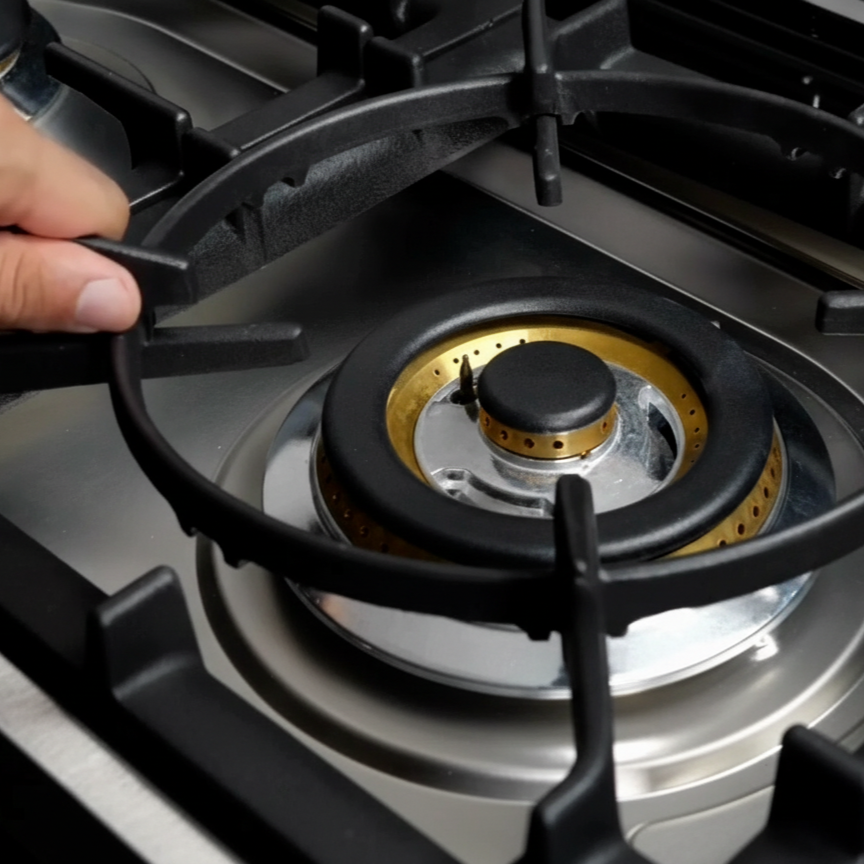
- If you’re using a gas stove, position the open side of the ring facing the burner’s hottest part (usually the center).
- For electric stoves, center the ring so it makes the most contact with the heating element.
Step 3: Place The Wok
- Gently lower the wok onto the ring. The bottom of the wok should sit snugly in the ring’s center.
- Check for stability by lightly pressing on the wok’s sides. If it wobbles, adjust the ring or try a different size.
Step 4: Preheat The Wok
Before adding oil or ingredients, let the wok heat up for at least one to two minutes. This step helps prevent food from sticking and gives you better stir-fry results.
Step 5: Monitor During Cooking
Never leave a wok unattended on the ring, especially at high heat. If you need to step away, turn off the burner first.
:max_bytes(150000):strip_icc()/__opt__aboutcom__coeus__resources__content_migration__serious_eats__seriouseats.com__images__2014__05__20140423-wok-mon-testing-food-lab-4-f0793f08399a474bb6d5502e0baa6060.jpg)
Credit: www.seriouseats.com
Using A Wok Ring For Different Cooking Methods
A wok ring isn’t just for stir-frying. It can help with many Chinese and Asian cooking techniques. Here’s how to adjust your setup for each method.
Stir-frying
- Use a low or medium wok ring for fast, high-heat cooking.
- Heat the wok until just smoking, then add oil and ingredients.
- Keep food moving to prevent burning.
Deep Frying
- A higher wok ring can help keep oil temperature even and reduce splatter.
- Fill the wok with oil only up to one-third full.
- Use a thermometer to check oil temperature, as the ring can change heat distribution.
Steaming
- Some wok rings can support a steamer basket inside the wok.
- Add water to the wok, place the basket above the water, and cover.
- Keep the heat medium to prevent water from boiling over.
Smoking
- For tea-smoking or other smoking techniques, use a stable, heavy wok ring.
- Cover the wok tightly to keep smoke in.
- Open windows or use a kitchen fan for ventilation.
Braising
- Use a higher ring to lower the wok’s contact with direct heat.
- Add liquid and cook slowly with a lid on.
Each method may need a slight adjustment in ring height or position.
Common Mistakes When Using A Wok Ring
Many home cooks make small errors that affect their results. Here’s what to watch out for.
- Wrong Ring Size: A loose or tight fit can cause spills or uneven cooking.
- Incorrect Positioning: If the ring isn’t centered, heat won’t be distributed evenly.
- Using a Ring on the Wrong Stove: Not all rings are safe for induction or glass-top stoves.
- Neglecting Cleaning: Old oil or food on the ring can cause smoke and bad smells.
- Overloading the Wok: Too much food at once lowers the temperature, leading to soggy stir-fry.
Pro Insight: Many beginners forget to preheat the wok. This simple step prevents sticking and helps develop a smoky flavor called wok hei.
Cleaning And Maintaining Your Wok Ring
A clean ring lasts longer and works better. Here’s how to care for yours:
Daily Cleaning
- Let the ring cool after use.
- Wash with warm soapy water and a sponge.
- Dry completely to avoid rust, especially for carbon steel or cast iron rings.
Deep Cleaning
- For stubborn grease, soak the ring in hot water and baking soda for 20–30 minutes.
- Scrub with a non-metal brush to protect the finish.
Rust Prevention
- Store in a dry place.
- For cast iron rings, rub with a thin layer of oil after washing.
When To Replace
- If the ring is warped, cracked, or doesn’t hold the wok securely, replace it.
- Chrome-plated rings with flaking or rust should be swapped out.
Wok Ring Safety Tips
Using a wok ring does add a safety layer, but there are still risks. Follow these tips:
- Never leave hot oil unattended in a wok.
- Keep handles turned away from the edge of the stove.
- Use oven mitts or a thick towel when adjusting the wok or ring during cooking.
- Make sure children and pets are kept away from the cooking area.
- If you use a glass-top stove, check the manufacturer’s guidelines to avoid cracks or damage.
Credit: www.instructables.com
Cooking Tips For Better Results With A Wok Ring
Experienced cooks develop habits that make wok cooking easier and tastier. Here are tips you might not find in basic guides:
- Preheat the ring as well as the wok. A hot ring helps keep the wok at a steady temperature.
- Sear meat before vegetables. The ring’s heat focus allows for quick browning, then you can add veggies without cooling the wok too much.
- Stir in a circular motion. The ring supports the wok for tossing food, so use a spatula to move food up the sides and back down.
- Use high-smoke-point oils. Oils like peanut or grapeseed can handle the intense heat of a properly set up wok ring.
- Batch cooking: If you have a small ring and a lot of food, cook in batches to avoid overcrowding.
Beginner tip: Many people forget to check if their wok is seasoned properly. A well-seasoned wok improves nonstick performance and flavor.
Comparing Cooking Without And With A Wok Ring
Some people try to cook with a wok directly on the stove. Here’s how the two methods compare:
| Aspect | Without Wok Ring | With Wok Ring |
|---|---|---|
| Stability | Wobbly, risk of spills | Stable, safe for tossing |
| Heat Focus | Uneven, cool edges | Direct heat to wok base |
| Flavor | Less browning, weak “wok hei” | Better searing, smoky flavor |
| Safety | Higher risk of burns | Lower risk, secure fit |
Advanced Uses And Pro Tips
If you want to take your wok cooking further, try these advanced techniques:
Rotating The Ring
Some chefs rotate the wok ring during cooking to adjust the heat focus. For example, moving the open side toward or away from the flame can change how quickly food cooks. This technique is useful for dishes needing both searing and gentle cooking in one pan.
Double Ring Setup
For outdoor cooking or very high heat, some people stack two rings. The bottom one raises the wok, while the top one holds it steady. This method is only recommended for cast iron or heavy-duty rings.
Using The Ring As A Trivet
After cooking, you can use the wok ring as a trivet to hold your hot wok on the table for serving. This keeps surfaces safe and lets guests serve themselves directly from the wok.
Adapting Rings For Grilling
A cast iron or steel ring can be used on a charcoal grill. Place the ring over the coals, set your wok on top, and you have an outdoor stir-fry station. This setup gives you the intense heat needed for authentic wok hei.
Non-obvious insight: Some rings have a “high side” and a “low side.” Placing the high side toward the stove’s control knobs protects them from splatter and heat.
Buying A Wok Ring: What To Look For
With so many options, what should you consider when shopping for a wok ring?
Key Factors
- Size match: Check your wok’s bottom and burner size.
- Material: Stainless steel for easy care, cast iron for durability.
- Design: Solid for flat stoves, open for gas.
- Adjustability: Useful if you have more than one wok.
- Reviews and ratings: Read feedback from other users.
Where To Buy
- Asian grocery stores often carry a variety of wok rings.
- Specialty kitchen stores have higher-end and adjustable rings.
- Online retailers offer many choices, but check return policies in case the fit isn’t right.
For more on wok ring history and types, see this Wikipedia article.
Frequently Asked Questions
What Is The Main Purpose Of A Wok Ring?
The main purpose of a wok ring is to hold a round-bottomed wok stable on a flat stovetop and focus heat on the base of the wok. This setup helps create the high, even heat needed for stir-frying, deep-frying, and other Asian cooking methods.
Can You Use A Wok Ring On A Glass-top Stove?
Yes, but with caution. Some wok rings can scratch or crack glass cooktops, especially heavy or cast iron models. Always check your stove’s manual and choose a ring designed for glass surfaces. Stainless steel and flat-bottomed rings are usually safer.
Do I Need A Wok Ring For A Flat-bottomed Wok?
No. Flat-bottomed woks are designed to sit directly on flat stoves, making a ring unnecessary. However, some cooks use a ring for extra stability or to raise the wok for certain methods like steaming.
How Do I Know If My Wok Ring Is The Right Size?
Your wok should sit snugly in the ring without wobbling or slipping. The ring should not cover the entire burner or block air flow. If the wok moves or seems unstable, try a different size or style for a better fit.
Can A Wok Ring Go In The Dishwasher?
Some stainless steel wok rings are dishwasher safe. Check the manufacturer’s instructions. Carbon steel and cast iron rings should be hand-washed and dried to prevent rust.
Final Thoughts
Cooking with a wok ring may seem like a small detail, but it makes a big difference in both safety and results. The right ring helps you get closer to restaurant-quality stir-fries, perfect deep-fried dishes, and even delicate steamed recipes at home.
Remember to match the ring to your wok, stove, and cooking style, and don’t skip the small steps like cleaning and proper positioning. With practice and attention to detail, you’ll see and taste the benefits every time you cook.
Credit: us.ilve.com