
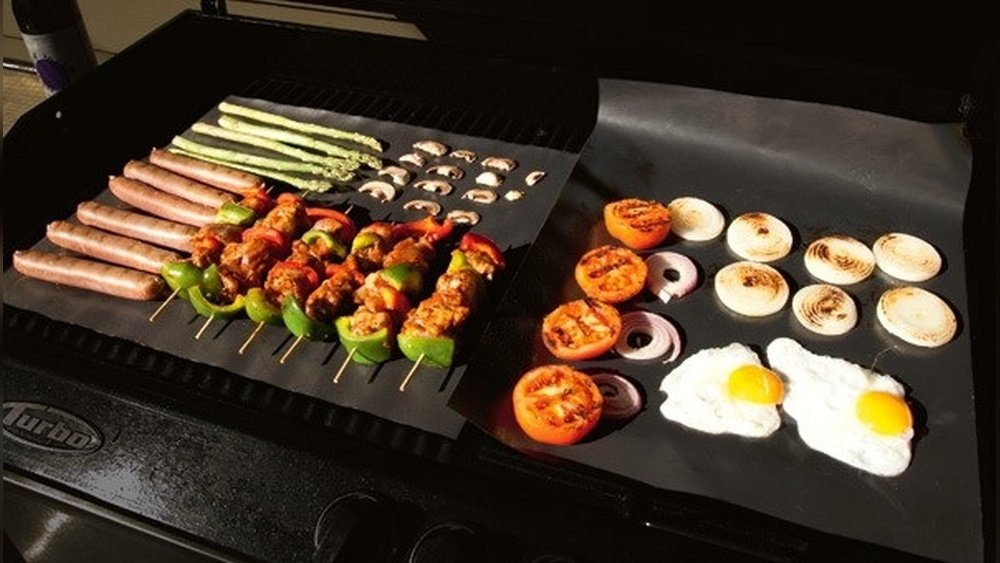
Grilling is a beloved way to prepare food, especially during warm seasons. Many people love the smoky flavor, crispy edges, and social experience that grilling brings. But even seasoned grillers face problems like food sticking, falling through the grates, or uneven cooking. This is where the grill mat enters the scene—a simple tool that can make outdoor cooking smoother and more enjoyable.
A grill mat is a thin, flexible sheet that sits on top of your grill grates. It creates a non-stick surface, making it easier to cook delicate items like fish, vegetables, or eggs. It also helps keep your grill clean by preventing sauces, marinades, or oils from dripping down.
Using a grill mat seems easy, but to get the best results, there are important tips, tricks, and safety steps you need to know. Whether you’re new to grilling or want to improve your skills, learning how to use a grill mat properly will help you cook more types of food and make cleanup much faster.
This guide will cover everything about grill mats: what they are, how to pick the right one, how to use them safely, common mistakes, cleaning steps, and extra tips that even experienced grillers sometimes miss. By the end, you’ll have the confidence to use a grill mat like a pro.
What Is A Grill Mat?
A grill mat is a reusable, non-stick sheet made from materials like PTFE (polytetrafluoroethylene), often known by the brand name Teflon, and sometimes reinforced with fiberglass. These mats come in various sizes and shapes but are usually black or brown and about 0.2 mm thick. They can handle high temperatures, usually up to 500°F (260°C), and are designed to sit directly on your grill’s grates.
Grill mats are not the same as aluminum foil or baking sheets. Unlike foil, they are made to be reusable and provide a smooth, non-stick surface. The main benefit is that they let heat and grill marks come through, so you still get that classic grilled look and flavor.
Key Benefits Of Grill Mats
- Non-stick cooking: Food lifts off easily, so delicate items don’t tear or fall apart.
- No more flare-ups: Mats block fat and marinades from dripping into the flames, reducing sudden bursts of fire.
- Cleaner grill: Less mess on the grates, so you spend less time scrubbing after cooking.
- Versatile cooking: Cook eggs, pancakes, small vegetables, or even pizza on the grill.
Types Of Grill Mats
There are two main types of grill mats:
- Standard grill mats: Thin, flexible, and good for most foods. They let some grill marks show.
- Mesh grill mats: These have small holes. They allow more smoke and heat to reach food, giving a stronger grilled flavor, but smaller items can fall through.
Both types are widely available in stores and online. Make sure to check the temperature limit and size before buying.
Choosing The Right Grill Mat
Picking the right grill mat is important for safe and effective cooking. Here’s what to consider:
Material Quality
Most high-quality mats are made with PTFE coated on fiberglass. Cheaper mats may use lower-quality coatings that can break down faster or release harmful chemicals at high heat. Always look for mats labeled PFOA-free for safety.
Size And Shape
Measure your grill’s cooking area before buying. Mats usually come in sizes like 13 x 15 inches or 16 x 13 inches. You can trim them with scissors to fit your grill perfectly. Make sure the mat covers the area where you’ll cook, but doesn’t block air flow.
Heat Resistance
Check the packaging for the maximum temperature rating. Most mats are safe up to 500°F (260°C), but some cheaper ones can only handle up to 400°F (204°C). Never use mats above their rated temperature, as this can cause them to degrade and release fumes.
Thickness
Standard grill mats are about 0.2 mm thick. Thicker mats (0.25 mm or more) last longer and can handle heavier foods, but may not heat as evenly. Thinner mats heat quickly but can wear out faster.
Warranty And Reviews
Look for mats with a warranty or satisfaction guarantee. Reading customer reviews on sites like Amazon can also help you avoid low-quality products.
Side-by-side Comparison
Here’s a simple comparison to help you pick:
| Feature | Standard Grill Mat | Mesh Grill Mat |
|---|---|---|
| Surface | Solid, non-stick | Holes, non-stick |
| Best for | Eggs, pancakes, veggies | Steak, burgers, smoky flavor |
| Food falls through? | No | Small items can fall |
| Grill marks | Some | More visible |
Preparing Your Grill And Mat
Before you start cooking, you need to set up both your grill and the mat properly. Skipping these steps can lead to sticking, uneven cooking, or even damage to the mat.
Cleaning The Grill
Even though the mat keeps your food off the grates, it’s still important to start with a clean grill. Old grease or ashes can create smoke or odors that transfer to your food. Give your grill a quick brush or wipe before each use.
Washing The Grill Mat
Wash your new grill mat with warm, soapy water before the first use. Rinse and dry it well. This removes any factory residue or dust that might be on the surface.
Sizing The Mat
Lay the mat over the grill grates before turning on the heat. If the mat is too large, trim it with scissors so it fits the cooking area but does not hang over the edges. If the mat hangs over, it can melt or get damaged.
Preheating The Grill
Most grill mats work best when the grill is preheated. Turn on the grill, close the lid, and let it heat up for 5–10 minutes. For gas grills, medium heat is usually enough. For charcoal grills, wait until the coals are covered with white ash.
Important: Place the mat on the grates only after preheating for best results. This protects the mat from sudden temperature spikes.
Placing The Grill Mat
Set the mat directly on the grates, making sure it is flat and stable. Don’t let the mat cover air vents or touch open flames. It should sit on the grates, not the heating elements.
Cooking With A Grill Mat
Using a grill mat is simple, but there are a few techniques that will help you get the best results and avoid common problems.
What Foods Can You Cook?
Grill mats open up a whole new range of foods:
- Fish: Salmon, tilapia, shrimp, scallops
- Vegetables: Peppers, mushrooms, onions, asparagus, zucchini
- Breakfast foods: Eggs, pancakes, bacon, hash browns
- Small items: Cherry tomatoes, sliced fruits, tofu
- Marinated meats: Chicken wings, pork chops, kebabs
- Pizza and flatbreads: Cook directly on the mat for crispy crust
Cooking Steps
- Apply a little oil: For extra non-stick, lightly brush the mat with vegetable oil or spray. This is especially useful for eggs or pancakes.
- Place food on the mat: Arrange your food so there’s space between pieces. This allows heat to circulate.
- Adjust heat: Use medium or medium-high heat. High heat can damage the mat or cause it to warp.
- Flip carefully: Use silicone or plastic spatulas and tongs. Metal tools can scratch the mat’s surface.
- Watch for doneness: Food may cook a bit slower than directly on the grates because the mat blocks some direct heat. Check for doneness with a thermometer or by cutting into food.
- Remove food and let mat cool: When done, take your food off the mat and let the mat cool before handling.
Cooking Times
Grill mats can change cooking times. For example:
- Steak: Add 1–2 minutes per side compared to cooking directly on grates.
- Vegetables: Usually cook in 8–12 minutes, depending on size.
- Eggs/Pancakes: Similar to stovetop times, about 3–5 minutes per side.
Cooking with a grill mat is more forgiving. If you leave food a bit longer, it rarely burns as quickly as on open grates.
Example: Grilled Salmon On A Mat
- Preheat the grill to medium-high (about 400°F).
- Place a clean grill mat on the grates.
- Lightly oil the mat.
- Lay salmon fillets skin-side down, season as you like.
- Close the lid and cook for 6–8 minutes.
- Flip carefully and cook another 4–5 minutes.
- Check for doneness (internal temp 145°F).
- Serve with lemon wedges.
Two Key Insights
- You can cook sauces or glazes directly on the mat without worrying about them dripping off and causing flare-ups.
- You can move the mat around during cooking if you need a hotter or cooler spot—just use heat-resistant gloves.
Safety Tips For Using Grill Mats
Grill mats are safe if you follow a few simple rules. Ignoring these can damage your mat or even risk your health.
Maximum Temperature
Never use a grill mat above its rated temperature. Most PTFE mats are safe up to 500°F (260°C). Using higher heat can cause the mat to break down and release fumes.
No Direct Contact With Flames
Grill mats are made for indirect heat. They should never touch open flames or heating elements. This can cause the mat to melt or catch fire.
Use The Right Utensils
Always use plastic, silicone, or wooden tools. Metal tools can scratch the surface and shorten the mat’s life.
Avoid Cutting On The Mat
Never cut food directly on the mat. This can damage the non-stick layer and create weak spots.
Food Safety
As with all grilling, use a food thermometer to check for doneness, especially with meat or poultry. Grill mats do not affect internal temperatures, but they may slow browning.
Ventilation
If you’re using a grill mat indoors (on an electric grill or griddle), make sure your kitchen is well-ventilated. Overheating PTFE can release fumes.
Cleaning And Maintaining Your Grill Mat
Keeping your grill mat clean is easy, and good care will help it last for many uses.
Cleaning Steps
- Let the mat cool: Never clean a hot mat. Wait until it is cool to the touch.
- Wipe off food residue: Use a paper towel or cloth to remove stuck-on bits.
- Wash with soapy water: Use warm water, mild dish soap, and a soft sponge. Do not use steel wool or abrasive pads.
- Dishwasher safe: Most grill mats are top-rack dishwasher safe. Check the package to be sure.
- Dry completely: Let the mat air dry or wipe it dry before storing.
Storing The Mat
- Store flat or rolled up. Folding the mat can cause cracks.
- Keep mats in a dry, cool place. Avoid direct sunlight or heat.
When To Replace Your Grill Mat
A good grill mat lasts for 50–100 uses if cared for. Replace your mat if:
- The non-stick coating starts to peel or flake.
- There are holes, cracks, or deep scratches.
- The mat has a strong odor after cleaning.
Quick Comparison: Cleaning Grill Mats Vs. Grill Grates
| Cleaning Step | Grill Mat | Traditional Grates |
|---|---|---|
| Time to Clean | 2–5 minutes | 10–20 minutes |
| Tools Needed | Soft sponge, soap | Wire brush, scraper |
| Effort Level | Easy | Moderate to hard |
| Can Use Dishwasher? | Yes | No |
Common Mistakes To Avoid
Even experienced grillers sometimes make mistakes with grill mats. Watch out for these:
- Using too high heat: This is the most common mistake. Always stay below the mat’s max temperature.
- Letting the mat hang over the grill edge: The mat can melt if it is not fully supported by the grates.
- Using metal tools: These scratch and shorten the mat’s life.
- Not cleaning the mat: Old food residue can burn and give off bad flavors.
- Cutting food on the mat: This damages the non-stick coating.
- Using multiple mats stacked together: One mat is enough; stacking can block heat and cause uneven cooking.
- Not preheating the grill: Cold grates can cause sticking.
- Leaving the mat in place during high-heat cleaning cycles: Remove the mat before running the grill’s self-cleaning or “burn-off” cycle.
Advanced Tips And Tricks
If you want to get the most from your grill mat, try these less-known techniques:
- Double up for delicate foods: If you’re grilling very sticky or messy foods (like marinated fish or cheesy pizza), use two mats for extra protection.
- Create a makeshift smoker: Sprinkle wood chips between the grates and the mat. This way, you get smoky flavor without flare-ups.
- Use for oven baking: Most grill mats are oven-safe. Use them as non-stick baking sheets for cookies or roasted vegetables.
- Make grill mat packets: Fold food inside the mat to create a pouch. This steams the food and keeps it juicy.
- Cut into shapes: Trim mats to fit small grills, panini presses, or even toaster ovens.
Credit: www.ovenclean.com
When Not To Use A Grill Mat
While grill mats are useful, there are times when you should avoid them:
- Searing steak: If you want the deepest char or “crust,” cook directly on the grates for the last minute or two.
- Over open flames: Never use mats over direct flames, such as on fire pits or campfires.
- On broilers or under heating elements: Grill mats are for surfaces, not for use under broiler elements.
Environmental Impact And Reusability
Grill mats are better for the environment than single-use foil or parchment paper because you can use them many times. Most are recyclable as long as you remove the PTFE coating, but check your local recycling rules.
Tip: One grill mat can replace dozens of rolls of foil over its lifetime, saving you money and reducing waste.

Credit: www.reddit.com
Popular Brands And Where To Buy
You can find grill mats in most home and kitchen stores or online retailers like Amazon, Walmart, or Home Depot. Some popular brands include Grillaholics, Kona, and Yoshi.
Prices range from $10 to $30 for a set of two mats. More expensive mats often last longer and resist higher heat.
For more info on grill mat safety, you can check the Wikipedia article on PTFE.
Grill Mat Vs. Other Non-stick Grill Solutions
How does a grill mat compare to other popular non-stick grilling tools?
| Feature | Grill Mat | Aluminum Foil | Grill Basket |
|---|---|---|---|
| Reusable | Yes | No | Yes |
| Non-stick | Yes | No (unless oiled) | Somewhat |
| Allows grill marks | Yes | No | Yes |
| Easy to clean | Yes | N/A | Medium |
| Handles small foods | Yes | Yes | Yes |
| Cost (per use) | Low | High | Low |

Credit: www.stlbbqstore.com
Frequently Asked Questions
Can I Use A Grill Mat On Any Type Of Grill?
Yes, grill mats work on gas, charcoal, electric, and pellet grills. Just make sure the mat fits your grill and does not touch flames or heating elements. Always follow the temperature guidelines for your specific mat.
Is It Safe To Cook With A Grill Mat?
When used properly, grill mats are safe. Choose mats labeled PFOA-free and never use above the recommended temperature (usually 500°F). Avoid scratching or cutting the mat, as this can damage the non-stick surface.
How Long Does A Grill Mat Last?
A good-quality grill mat can last for 50 to 100 uses. The actual lifespan depends on how often you grill, what foods you cook, and how well you clean and store the mat. If the mat starts to peel, crack, or lose its non-stick quality, it’s time to replace it.
Can I Put A Grill Mat In The Dishwasher?
Most grill mats are top-rack dishwasher safe. Check the packaging for your brand. Even if you use the dishwasher, washing the mat by hand with warm, soapy water will help it last longer.
What Foods Should I Avoid Cooking On A Grill Mat?
Avoid using a grill mat for foods that require very high heat (like searing steaks at 600°F or higher) or for direct flame cooking. The mat is best for medium heat grilling of fish, vegetables, pancakes, and marinated foods.
Grill mats make outdoor and indoor cooking easier, cleaner, and more versatile. With the right techniques and care, you can enjoy more types of food on your grill—without the mess or hassle. If you’re ready to try a new way of grilling, adding a grill mat to your toolkit is a smart, simple upgrade.