
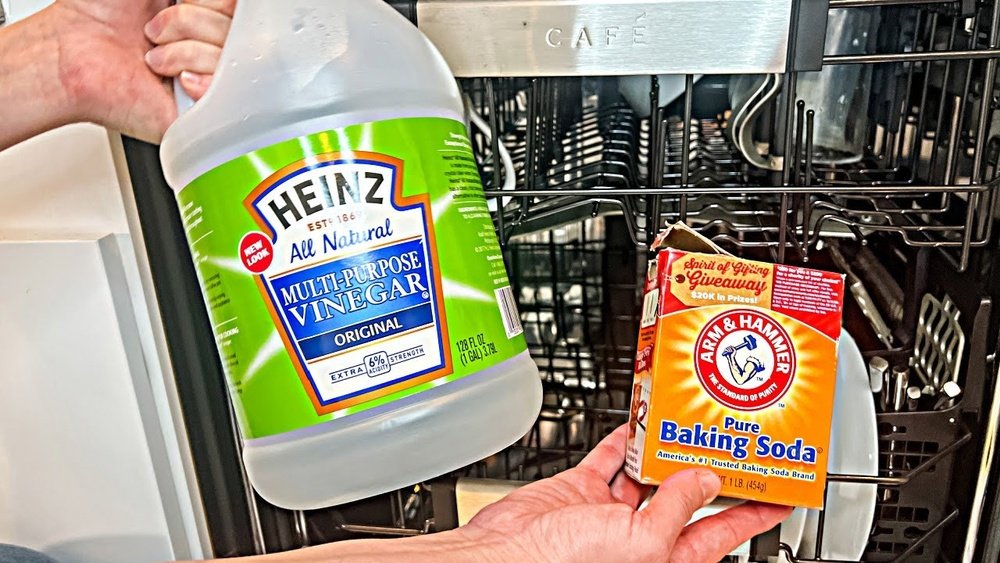
If your dishwasher isn’t draining or is giving off a bad smell, you might be dealing with a clog. Many people think the only way to fix this is to call a plumber or use harsh chemicals. But there’s a safer, more affordable way: baking soda and vinegar. These common household items can break down food particles, soap scum, and even grease. With the right method, you can unclog your dishwasher and make it run like new.
Let’s look at how to use baking soda and vinegar to tackle a dishwasher clog, why this solution works, and what you should know before you start. You’ll also learn how to spot early signs of trouble, avoid common mistakes, and keep your dishwasher clean for the long term.
Whether you’re a first-timer or you’ve tried other methods before, this guide will help you get your dishwasher back on track without stress.
Why Dishwashers Get Clogged
Dishwashers are designed to handle dirty dishes, but not everything rinses away cleanly. Over time, small bits of food, grease, and soap build up in the filter, drain hose, or spray arms. Even hard water deposits can add to the problem. Here’s what usually causes a clog:
- Food debris: Small particles can slip through the filter and settle in the drain.
- Grease and fat: These can harden inside pipes, especially after washing oily pans.
- Soap scum: Some detergents leave residue that sticks to the inside of the dishwasher.
- Hard water minerals: If you live in an area with hard water, calcium and lime can block water flow.
Understanding what causes a blockage helps you choose the right cleaning method. Baking soda and vinegar are powerful for tackling organic buildup and dissolving minor mineral deposits.
How Baking Soda And Vinegar Work
Baking soda (sodium bicarbonate) is a gentle abrasive and natural deodorizer. Vinegar (acetic acid) breaks down mineral deposits and dissolves grease. When you mix them, they create a fizzing action that helps loosen grime and push it out of tight spaces.
Key benefits of this combination:
- Safe for most dishwashers: No harsh chemicals that might damage parts.
- Non-toxic: Safe for homes with kids and pets.
- Affordable and available: Most kitchens already have both ingredients.
It’s important to use them in the right order and quantity for the best results. Using too much can create a mess, while using too little may not clear the clog.

Credit: www.wikihow.com
Signs Your Dishwasher Is Clogged
Recognizing a clog early helps prevent bigger problems. Watch for these signs:
- Water pooling at the bottom of the dishwasher after a cycle finishes.
- Slow drainage or water standing for a long time.
- Bad smells coming from the dishwasher, often like rotten food or musty odors.
- Dishes not coming out clean, with food bits stuck to plates or glasses.
- Strange noises during the cycle, like gurgling or humming.
If you notice any of these, act quickly to avoid water damage or more expensive repairs.
What You’ll Need
Before you start, gather these supplies:
- 1 cup of baking soda
- 1 cup of white vinegar (distilled is best)
- A clean sponge or soft cloth
- An old toothbrush (for scrubbing)
- Gloves (optional, but recommended)
- A small bowl or cup
- A towel (to catch any spills)
- Dishwashing liquid (for basic cleaning)
You don’t need special tools, but make sure your dishwasher is empty and unplugged before you begin.
Step-by-step: Unclog Dishwasher With Baking Soda And Vinegar
Follow these detailed steps for the best results. Skipping steps can mean the clog doesn’t clear, or it comes back soon.
1. Turn Off And Empty The Dishwasher
Start by unplugging the dishwasher or switching off the circuit breaker. This prevents any chance of electric shock. Remove all dishes, racks, and utensil holders. Set them aside.
2. Check And Clean The Filter
Most dishwashers have a filter at the bottom, under the spray arm. Twist or lift it out, following your manual’s instructions. Rinse the filter under warm water and scrub away any food or gunk with a toothbrush. Replace the filter before moving to the next step.
3. Inspect The Drain Area
Look for visible debris or blockages in the drain hole. Use a towel to wipe out any gunk. Don’t use sharp objects; they can damage the dishwasher.
4. Add Baking Soda
Sprinkle 1 cup of baking soda evenly across the bottom of the dishwasher. Baking soda will help loosen stuck debris and neutralize odors.
5. Pour Vinegar
Pour 1 cup of white vinegar into a bowl or cup. Place the bowl upright on the bottom rack or directly on the floor of the dishwasher. Do not pour vinegar directly onto baking soda; this can cause most fizzing to happen right away, wasting the cleaning power.
6. Run A Hot Water Cycle
Close the dishwasher and run a short, hot water cycle (not a rinse or eco cycle). The hot water will help activate the baking soda and vinegar reaction. You should hear some fizzing during the wash.
7. Let It Sit
Once the cycle finishes, leave the door closed for 15-30 minutes. The steam and leftover mixture will work on any stubborn grime.
8. Rinse And Inspect
Open the dishwasher and check the bottom for any leftover debris. Use a sponge to wipe away loose dirt. If you see standing water, try running another hot cycle with just water.
9. Reassemble And Test
Put racks and utensil holders back in. Run another normal cycle with detergent and a few dirty dishes to check if the clog is gone.
If water still isn’t draining, the clog may be deeper in the hose or pump. In this case, you may need a professional’s help.
Comparing Cleaning Methods
It’s helpful to see how baking soda and vinegar compare with other popular cleaning solutions. Here’s a breakdown:
| Method | Effectiveness | Safety | Cost | Ease of Use |
|---|---|---|---|---|
| Baking Soda & Vinegar | Good for minor to moderate clogs | Very safe | Low | Easy |
| Chemical Drain Cleaner | Strong for major clogs | Can damage dishwasher; hazardous | Medium to high | Easy but risky |
| Manual Removal | Very effective for visible clogs | Safe if careful | Low | Moderate (requires tools) |
| Professional Service | Best for severe blockages | Safe | High | Very easy (but costly) |
Baking soda and vinegar are a smart first step, especially if you want to avoid chemicals or expensive repairs.
Troubleshooting: When It Doesn’t Work
Sometimes, a simple baking soda and vinegar clean isn’t enough. Here are possible reasons and what to do:
- Clog is too deep: Food or grease might be stuck in the drain hose or pump. These parts are harder to reach.
- Hard object: Small bones, plastic, or glass can block the drain. Baking soda and vinegar can’t dissolve these.
- Mechanical failure: If the pump or motor is broken, cleaning won’t help.
If the problem remains after two cleaning attempts, check your manual for how to remove the drain hose. If you’re not comfortable, call a technician.
Preventing Future Clogs
Regular cleaning is the best way to avoid another blockage. Here’s what experts recommend:
- Scrape food scraps off dishes before loading.
- Clean the filter monthly. Most filters can be washed under the sink.
- Run hot water cycles with baking soda and vinegar every 2-3 months.
- Use the right detergent for your water type and dishwasher.
- Check spray arms for clogs and clean holes with a toothpick.
These habits reduce buildup and keep your dishwasher smelling fresh.
How Often Should You Use Baking Soda And Vinegar?
Using this method once every two to three months is enough for most homes. If you run your dishwasher daily or wash very dirty pans often, monthly cleaning may be better. Avoid over-cleaning, as too much vinegar can wear out rubber seals over time.
Step-by-step: Deep Cleaning For Persistent Smells
If your dishwasher still smells bad after unclogging, try a deep clean:
1. Remove And Soak Parts
Take out the filter, racks, and spray arms. Soak them in hot, soapy water for 20 minutes. Use a toothbrush to scrub away grease and scale.
2. Clean The Door Seal
Wipe the rubber seal around the door with vinegar and a soft cloth. Food can hide here and cause odors.
3. Run A Baking Soda Cycle
Sprinkle 1 cup of baking soda on the bottom and run a short, hot cycle.
4. Finish With Vinegar
Place a cup of vinegar on the top rack and run another hot cycle. Don’t combine this with the baking soda step; do them one after the other for the best effect.
5. Air Dry
Leave the door open for several hours to let the inside dry out completely.
This routine removes most smells and keeps your dishwasher looking new.
Common Mistakes To Avoid
Even a simple cleaning method has pitfalls. Be careful of these mistakes:
- Using too much vinegar: High acid levels can damage rubber seals and hoses.
- Mixing vinegar and baking soda together: The reaction finishes too fast to clean well. Add them separately as described.
- Skipping filter cleaning: Most clogs start in the filter, so always clean it first.
- Forgetting to run hot water: Cold water won’t dissolve grease or activate the fizzing action fully.
- Ignoring the manual: Each dishwasher is different. Check your manual for filter and part locations.
A little care goes a long way in keeping your dishwasher running smoothly.
Dishwasher Maintenance: How Baking Soda And Vinegar Compare
See how this method holds up against other regular maintenance habits:
| Maintenance Task | Frequency | What It Prevents |
|---|---|---|
| Baking Soda & Vinegar Clean | Monthly or every 2-3 months | Clogs, odors, mineral buildup |
| Filter Cleaning | Monthly | Clogs, dirty water, poor cleaning |
| Spray Arm Cleaning | Every 2-3 months | Poor spray, dirty dishes |
| Wiping Door Seals | Monthly | Odors, leaks |
Regular use of baking soda and vinegar supports these other habits, creating a complete maintenance plan.
Safety Tips When Using Baking Soda And Vinegar
- Always unplug the dishwasher before deep cleaning inside.
- Wear gloves if you have sensitive skin.
- Never mix with chemical cleaners; fumes or damage can result.
- Rinse all parts well after cleaning.
- If you have a stainless-steel dishwasher, vinegar is safe in small amounts, but don’t leave it sitting for hours.
The Science Behind The Reaction
When baking soda (a base) meets vinegar (an acid), they react to produce carbon dioxide gas (bubbles), water, and sodium acetate. These bubbles help lift grime and push it out of tight areas. The fizzing is most effective on soft clogs like food, grease, and soap residue.
However, for hard mineral buildup, you might need to repeat the process or use a commercial descaler once a year.
/how-to-clean-the-dishwasher-1900465_07-6452d6083d11478497770f43bfd83258.jpg)
Credit: www.thespruce.com
Real-world Example: Success Story
A family in Ohio noticed their dishwasher was leaving dishes dirty and water was pooling at the bottom. They tried running a rinse cycle, but nothing changed. Instead of calling a plumber, they followed the baking soda and vinegar steps:
- Removed and cleaned the filter (found noodles and beans stuck).
- Sprinkled baking soda on the bottom.
- Placed a cup of vinegar on the lower rack.
- Ran a hot cycle and let it sit.
Afterward, the water drained and the smell disappeared. They now repeat this method every two months and haven’t had a clog since.
When To Call A Professional
If you’ve tried baking soda and vinegar two or three times and the dishwasher still won’t drain, the problem may be mechanical. Signs you need a pro:
- Standing water remains after several attempts.
- The dishwasher makes grinding or buzzing sounds.
- Error codes show on the control panel.
- Water leaks onto the floor.
Professional help can cost $100–$300, but it’s better than damaging the machine or your kitchen. Sometimes, a clog is deep in the drain hose or pump, which requires tools and skills most homeowners don’t have.

Credit: www.youtube.com
Environmental Benefits Of Baking Soda And Vinegar
Unlike chemical cleaners, baking soda and vinegar are non-toxic and biodegradable. They don’t add harmful substances to wastewater. This method is also safer for people with allergies or asthma, since it doesn’t release strong fumes.
Research from the Environmental Protection Agency recommends using natural cleaners when possible for safer indoor air and less water pollution. For more information, see this EPA guide.
Advanced Tips For Persistent Clogs
If you have hard water or run the dishwasher often, try these extra steps:
- Heat vinegar before using (not boiling, just warm). Warm vinegar dissolves grease faster.
- Add a few drops of lemon juice to vinegar for extra dissolving power and a fresh scent.
- Run the garbage disposal before starting the dishwasher. A blocked sink drain can back up into your dishwasher.
- For very bad clogs, repeat the process twice in one day, letting the dishwasher cool between cycles.
Summary Of Key Steps
Here’s a quick recap of what to do:
- Unplug dishwasher and empty it.
- Clean filter and drain area.
- Sprinkle 1 cup baking soda on the bottom.
- Place 1 cup vinegar in a bowl on the bottom rack.
- Run a hot water cycle.
- Let sit 15-30 minutes.
- Wipe down and reassemble.
- Test with a normal cycle.
Repeat every 2–3 months for best results.
Frequently Asked Questions
How Often Should I Clean My Dishwasher With Baking Soda And Vinegar?
Most homes benefit from cleaning every two to three months. If your dishwasher gets heavy use or you notice odors, monthly cleaning is a good idea.
Will Baking Soda And Vinegar Harm My Dishwasher?
When used as described, they are safe for most dishwashers. Avoid overuse and don’t mix them with chemical cleaners to protect seals and hoses.
Why Shouldn’t I Pour Vinegar Directly Onto Baking Soda?
Pouring vinegar directly onto baking soda causes an instant reaction that uses up cleaning power too fast. Placing vinegar in a separate bowl allows the fizzing to happen during the wash cycle, spreading cleaning action more evenly.
What If My Dishwasher Still Won’t Drain After Cleaning?
If water remains after two or three cleaning attempts, the clog may be in the drain hose or pump. You may need to remove the hose, which can be difficult. In this case, it’s best to call a professional.
Can I Use This Method For A Stainless-steel Dishwasher?
Yes, but don’t let vinegar sit for hours inside. Run the cycles as directed and wipe down surfaces afterward for best results.
Keeping your dishwasher clear of clogs doesn’t require harsh chemicals or expensive repairs. With baking soda and vinegar, you can handle most blockages yourself, save money, and protect your home’s environment. Regular care will keep your dishwasher working well for years to come.