
A refrigerator is a central part of many homes. It keeps food fresh, medicines safe, and drinks cold. But sometimes, you may want to restrict access to your fridge. Maybe you want to keep your kids from grabbing too many snacks. Perhaps you share a house and want to protect your groceries. Or maybe you need to secure medical supplies or chemicals. Whatever the reason, learning how to put a lock on a fridge is a practical solution for better control and safety.
Many people think locking a fridge is complicated or will damage the appliance. The good news: it’s much easier and safer than you might imagine. With the right information, tools, and techniques, you can lock almost any refrigerator. This guide explains all you need to know, from types of locks to step-by-step installation, troubleshooting, and common mistakes. By the end, you’ll feel confident about choosing, fitting, and using a fridge lock.
Why People Put Locks On Fridges
Locking a fridge might seem unusual, but there are many reasons people do it. Here are some common situations where a fridge lock is helpful:
- Child safety: To stop small children from eating unsafe foods, choking hazards, or medicines.
- Shared living: In dorms or shared homes, to prevent roommates from taking your food.
- Medical needs: To protect temperature-sensitive medicine or medical supplies.
- Dietary control: For people with health conditions who need to limit access to certain foods.
- Alcohol safety: To keep alcohol away from minors.
- Elderly care: For seniors with dementia or memory loss, to prevent unsafe food handling.
- Workplaces: In offices, to keep employee lunches and company supplies secure.
Statistics show that household accidents involving children and fridges are not rare. According to the CDC, over 9,000 children are injured each year in kitchen-related accidents, including those involving food and medicine stored in fridges.
Types Of Fridge Locks
Not all fridge locks are the same. Choosing the right one depends on your fridge design, security needs, and ease of use. Here are the main types:
1. Strap Locks
These use an adhesive base and a flexible strap. You stick one part on the door and the other on the fridge body. Press the release button to open. Strap locks are easy to use and don’t need tools.
Best for: Temporary or non-permanent locks, renters, childproofing.
Example: The Munchkin Xtraguard Dual Action Multi Use Latches are popular for childproofing.
2. Padlock Hasp Locks
This lock has two metal parts: one attaches to the door, the other to the fridge body. You close the hasp and insert a padlock.
Best for: High security, shared fridges, workplaces.
Requires: Drilling screws into the fridge. Not ideal for renters.
3. Cable Locks
A cable goes around the handles of the fridge (or through the handles of double-door models). You then lock the cable with a key or combination lock.
Best for: French-door fridges, temporary security.
4. Combination Locks
These use a number code instead of a key. Some are built into hasps or cables.
Best for: Offices, places where keys get lost easily.
5. Magnetic Locks
These are hidden inside and use a magnetic key to release the lock. They require installation inside the fridge.
Best for: People who want an invisible solution. Less common for fridges.
6. Sliding Locks
Mainly for side-by-side or double-door fridges. A sliding bar connects the handles and blocks opening.
Best for: Fridges with vertical handles.
7. Built-in Fridge Locks
Some commercial or medical fridges have built-in locks. If you buy a new fridge, you can choose a model with this feature.
Best for: High security, professional use.

Credit: www.amazon.com
How To Choose The Right Fridge Lock
Selecting the best lock depends on your needs and your fridge’s design. Ask yourself these questions:
- Who are you keeping out? Children need simple locks; adults may require more security.
- Can you drill holes? If you rent, adhesive or cable locks are better.
- What kind of fridge do you have? Handles, door style, and material all matter.
- Do you need a key, code, or simple latch? Keys are more secure; latches are easier for daily use.
Here’s a comparison of common lock types and their features:
| Lock Type | Installation | Security Level | Best For | Removable? |
|---|---|---|---|---|
| Strap Lock | Adhesive, no tools | Low-Medium | Kids, renters | Yes |
| Padlock Hasp | Screws/drilling | High | Workplace, roommates | No |
| Cable Lock | No tools | Medium | Double-door, temporary | Yes |
| Sliding Lock | No tools | Medium | French-door fridges | Yes |
| Magnetic Lock | Screws/adhesive inside | Medium | Invisible, kids | No |
Non-obvious insight: Always check your fridge’s material. Some adhesives do not stick well to textured or stainless steel surfaces. Also, some locks can void your appliance warranty if they require drilling.
Tools And Materials You Will Need
Not all locks need the same tools. But here are some common items you may need:
- The lock (check package for included parts)
- Screwdriver or drill (for hasp and magnetic locks)
- Measuring tape or ruler
- Alcohol wipes (for cleaning before adhesive)
- Pencil or marker (for marking holes)
- Padlock or key (if not included)
- Scissors (for cutting cable or straps if needed)
For adhesive locks, avoid using regular household cleaners before installation. Alcohol wipes remove grease without leaving residue, which helps adhesive stick better.

Credit: www.reddit.com
Step-by-step: How To Put A Strap Lock On A Fridge
Strap locks are the easiest and most popular for families and renters. Here’s how to install them:
1. Clean The Surface
Use an alcohol wipe to clean the area where you’ll stick the lock. Wait for it to dry completely. Oil or dust can cause the adhesive to fail.
2. Plan Placement
Hold the lock in place to decide where it should go. The strap should be flat when the fridge is closed. Place it high if you want to keep it out of children’s reach.
3. Mark The Spots
Use a pencil to lightly mark where each base will go—one on the door, one on the fridge body.
4. Attach Adhesive
Peel the backing from the adhesive pads. Press each base firmly onto the marked spots. Hold for 30 seconds.
5. Wait Before Using
Most adhesives need 24 hours to reach full strength. Don’t open the fridge door by the lock during this time.
6. Test The Lock
After waiting, test the lock by opening and closing it several times.
Pro tip: If you need extra strength, use a hairdryer to warm the adhesive before pressing down. Warmth helps the glue bond better.
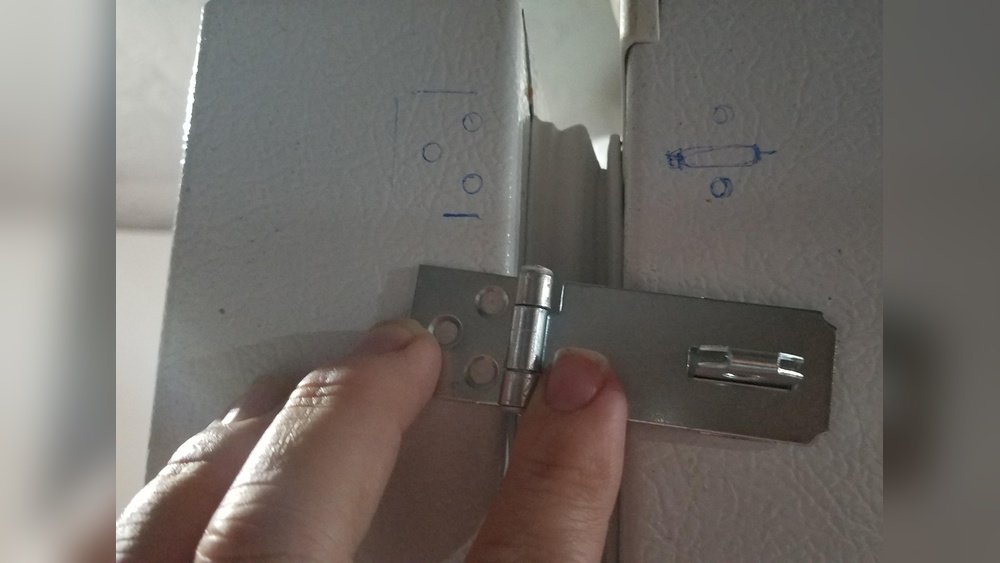
Step-by-step: How To Install A Padlock Hasp Lock
For maximum security, a metal hasp with a padlock is best. This method requires drilling.
1. Choose Location
Pick a spot where the hasp can close over the gap between the fridge door and body. Make sure the door can still seal fully.
2. Mark Screw Holes
Hold the hasp in place and use a pencil to mark where you’ll drill. Double-check alignment.
3. Pre-drill Holes
Use a small drill bit to create starter holes. Drill only as deep as needed for the screws—fridge walls are thin.
4. Attach Hasp
Screw one part of the hasp to the door and one to the body. Be gentle to avoid denting or cracking the fridge.
5. Add Padlock
Close the hasp and insert the padlock. Test to make sure the door is secure.
Non-obvious insight: When drilling into a fridge, avoid areas where wires or coolant lines may run (usually the top and sides). Check your fridge manual if unsure.
Step-by-step: How To Use A Cable Lock
Cable locks are good for double-door or French-door fridges.
1. Position Cable
Loop the cable through both handles, or around both doors.
2. Attach Lock
Connect the ends of the cable to the lock body, then secure with the key or code.
3. Test
Try opening the doors. If they separate, tighten the cable.
4. Remove When Needed
To open the fridge, unlock and remove the cable. These locks are easy to take on and off.
Note: Cable locks are not as childproof as adhesive locks, but they are easy to use for adults.
How To Remove A Fridge Lock
Sometimes you no longer need the lock or want to move it. Here’s how to remove each type:
Adhesive Locks
- Use dental floss or fishing line: Slide between the adhesive and fridge to cut through.
- Remove residue: Rub with your thumb or use a little rubbing alcohol to clean off glue.
Screw Locks
- Unscrew carefully.
- Fill holes with white putty or appliance paint if needed.
Cable/sliding Locks
- Simply remove; no marks left behind.
Tip: Never use sharp metal tools to scrape adhesive, as this can scratch your fridge.
Common Mistakes To Avoid
Even simple jobs can go wrong. Here are mistakes people often make:
- Placing lock too low: Children can reach and try to remove it.
- Not cleaning surface: Adhesive will fail if the surface is greasy or dusty.
- Drilling too deep: You can puncture the fridge wall and damage insulation or lines.
- Choosing the wrong lock: Heavy-duty locks for light needs are overkill and hard to use.
- Ignoring fridge design: Some locks don’t fit curved or textured doors.
- Forgetting about warranty: Permanent locks may void your fridge’s warranty.
Maintenance And Safety Tips
Keeping your fridge lock in good shape helps with safety and convenience.
- Check regularly: Make sure the lock is still tight and the adhesive is holding.
- Clean gently: Wipe the lock with a damp cloth, not harsh chemicals.
- Replace if damaged: If the lock shows signs of wear or damage, replace it promptly.
- Keep keys/codes safe: For combination or key locks, store the code or spare key in a safe place.

Credit: www.reddit.com
When Not To Use A Fridge Lock
Locks are helpful, but not always the answer.
- Don’t use a lock as a substitute for supervision: Young children need adult oversight in the kitchen.
- Not for emergency food access: If you live in an area with frequent power outages, make sure the lock can be opened quickly.
- Consider health issues: For elderly or disabled people, a lock can make access to food harder. Always balance security with safety.
Real-world Examples
Let’s look at a few typical situations.
Family With Toddlers
A family uses a strap lock high on the fridge to keep toddlers from opening it. The lock’s position means only adults can reach. It’s easy to open with one hand, so parents can manage while holding a child.
Shared Apartment
College roommates use a padlock hasp system. Groceries are labeled inside, and only the person with the key can open the fridge. The lock is visible, so everyone knows not to take food that isn’t theirs.
Medical Storage
A diabetic patient stores insulin in the fridge. They use a combination cable lock to keep children out but give the code to responsible adults in the home.
Comparing Popular Fridge Lock Brands
Here’s a quick look at some top brands:
| Brand | Lock Type | Price Range | Best For | Amazon Rating |
|---|---|---|---|---|
| Munchkin Xtraguard | Strap | $8–$15 | Kids, renters | 4.7/5 |
| Urban August | Cable | $15–$25 | Double-door fridges | 4.6/5 |
| Guardianite | Padlock hasp | $10–$18 | Roommates | 4.5/5 |
| Adoric | Sliding | $9–$14 | French-door | 4.4/5 |
Cost Of Putting A Lock On A Fridge
Prices depend on the lock type and installation method:
- Strap locks: $8–$15
- Cable locks: $12–$25
- Padlock hasp: $10–$18 (plus cost of padlock)
- Sliding locks: $9–$14
- Magnetic locks: $15–$25
If you hire someone to install a padlock hasp, expect $50–$100 for labor. Most people can install strap or cable locks themselves.
Tip: Compare prices and features before buying. Sometimes, a more expensive lock lasts longer and offers better protection.
Environmental Impact And Recycling
Most fridge locks are made of plastic or metal. If you remove a lock, recycle the metal parts and check if the plastic can be recycled locally. Avoid glue or adhesives that are hard to remove, as they may make the lock non-recyclable.
Some brands now use recycled plastic in their products. If sustainability matters to you, check the packaging.
Advanced Options: Smart Fridge Locks
Smart locks connect to your phone via Bluetooth or Wi-Fi. You can unlock the fridge with an app, monitor who accessed it, or set time-based access. These are rare for home use, but are becoming popular in medical and commercial settings.
Drawback: Smart locks need batteries or charging. If the battery dies, you may be locked out. Always have a backup way to open the fridge.
Summary Of Key Steps
Putting a lock on your fridge is straightforward if you:
- Choose the right lock for your fridge and needs
- Clean and prep the surface
- Carefully follow installation instructions
- Maintain the lock for ongoing safety
Remember, a lock provides peace of mind, but it’s not a substitute for good communication and supervision.
For more on childproofing and home safety, check resources like the CDC’s childproofing guide.
Frequently Asked Questions
How Do I Lock A Fridge Without Drilling Holes?
You can use adhesive strap locks, cable locks, or sliding locks. These types stick to the fridge or go around the handles, so you don’t have to damage the appliance. They’re ideal for renters or anyone who wants a removable solution.
Will A Fridge Lock Damage My Refrigerator?
Most adhesive and cable locks will not cause damage if installed and removed correctly. Drilling is permanent and may void your warranty. Always check your fridge’s manual before installing a lock. To avoid marks, clean surfaces before and after use.
Can I Lock A Double-door Or French-door Fridge?
Yes, you can use cable locks or sliding handle locks for double-door and French-door fridges. These locks wrap around both handles or connect the doors together, making it impossible to open one without unlocking both.
Are Fridge Locks Safe For Children?
Fridge locks designed for child safety are generally safe and easy for adults to open. Choose a lock that children cannot easily reach or operate. Avoid locks with small parts that could be a choking hazard. Always supervise young children in the kitchen.
What If I Lose The Key Or Forget The Combination?
For key locks, always keep a spare key in a safe place. For combination locks, write down the code and store it securely. Some manufacturers offer reset options if you can prove ownership, but not all do. In the worst case, you may need to cut the lock off.
Keeping your fridge secure is a practical step for many homes and workplaces. With the right approach, you can protect your food, medicine, and peace of mind—without damaging your appliance or making daily life harder. Choose the solution that fits your needs, and enjoy a safer kitchen.