
Storing pita bread the right way can make all the difference between soft, fresh bites and dry, stale disappointments. If you love pita for wraps, dipping, or sandwiches, you know how quickly it can lose its texture and flavor. Many people end up throwing away half-used packs because they dry out or mold too fast.
But with the right storage, you can keep pita bread tasty and fresh for days—or even weeks.
This guide covers every method, from short-term kitchen storage to long-term freezing. Whether you bake pita at home or buy it from the store, you’ll learn how to stop waste and enjoy every last piece. Plus, you’ll discover smart tips most people miss, like how to revive stale pita and which containers work best.
By the end, you’ll have all the tools to keep your pita bread at peak quality, ready for any meal.
Understanding Pita Bread
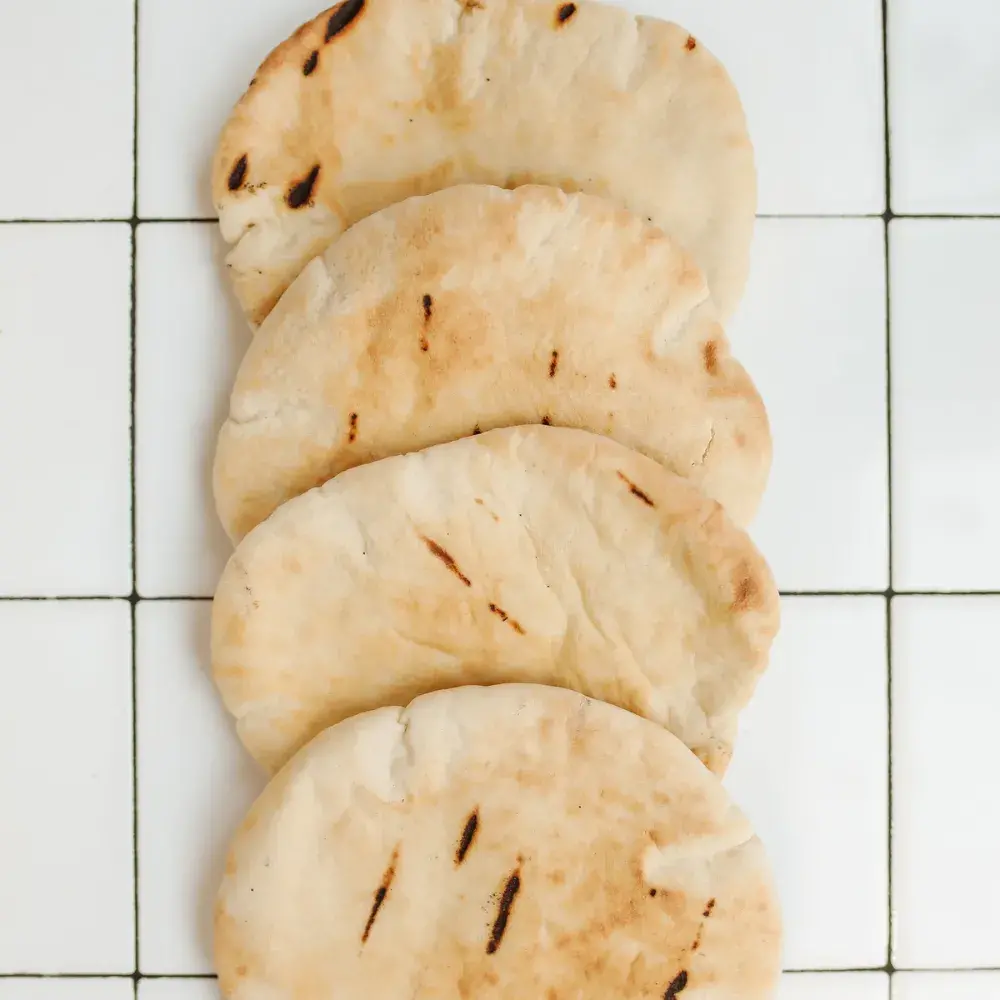
Before exploring storage, it helps to know what makes pita bread unique. Pita is a Middle Eastern flatbread, often round and slightly puffy with a pocket inside. This pocket forms because the dough is baked quickly at high heat, causing steam to puff up the center. Because pita is thin and made with simple ingredients—usually flour, water, yeast, salt, and sometimes a little oil—it’s extra sensitive to air and moisture.
Compared to other breads, pita can dry out or turn tough much faster. The pocket structure also means that once the bread starts to lose moisture, it can become brittle or chewy. This is why proper storage is so important.
Why Pita Bread Spoils Quickly
Pita bread’s shelf life is shorter than many breads for two main reasons:
- Low fat content: Less fat means less protection against drying out.
- Thin structure: The thin shape exposes more surface area to air, causing moisture to escape.
In addition, most store-bought pita lacks preservatives, so it can mold in humid environments or go stale in dry air. If you leave it open on the counter, you might notice it getting hard or moldy in just a day or two.
Credit: habibishawarmas.com
Key Factors That Affect Pita Bread Freshness
Several factors decide how long your pita stays good:
- Air exposure: Contact with air dries out the bread.
- Humidity: Too much moisture promotes mold; too little dries out the bread.
- Temperature: Warmth speeds up mold growth, while cold can dry out texture.
- Packaging: The right packaging protects against both air and humidity.
Understanding these factors helps you pick the best storage method for your needs.
Storing Pita Bread At Room Temperature
If you plan to eat your pita within a few days, room temperature storage is often best. This method keeps the bread soft and ready to use, as long as you follow a few rules.
Best Practices For Room Temperature Storage
- Original packaging: If the bag is resealable, squeeze out extra air and seal tightly.
- Plastic wrap or zip-top bags: If the original bag isn’t sealable, wrap the pita in plastic wrap or place it in a zip-top bag. Remove as much air as possible.
- Bread box: A bread box keeps air and light out but maintains a bit of humidity, which is ideal for short-term storage.
- Paper bag inside plastic: Place the pita in a paper bag, then put that bag inside a plastic bag. The paper absorbs excess moisture, and the plastic blocks air.
How Long Does Pita Last At Room Temperature?
- Store-bought pita: 3 to 5 days
- Homemade pita: 2 to 3 days (since it usually has fewer preservatives)
After this period, the bread will start to dry out or develop mold, especially in humid climates.
Common Mistakes To Avoid
- Leaving pita open on the counter.
- Keeping pita near heat sources (like on top of the fridge).
- Using only a paper bag (dries out too fast) or only plastic (traps moisture and causes mold).
Room Temperature Storage Comparison
Here’s how different methods work at room temperature:
| Method | Freshness Lasts | Risk of Mold | Texture |
|---|---|---|---|
| Original Packaging | 3–4 days | Medium | Soft |
| Plastic Wrap/Bag | 4–5 days | Medium-High | Very Soft |
| Bread Box | 2–3 days | Low | Soft |
| Paper + Plastic Bag | 4 days | Low | Soft |

Credit: pantryandlarder.com
Storing Pita Bread In The Refrigerator
Some people put pita bread in the fridge, thinking it will last longer. But for most breads, including pita, refrigeration can be a mistake.
Why Refrigeration Isn’t Ideal
The cool temperature in the fridge (just above freezing) slows down mold but speeds up a process called starch retrogradation. This is a fancy way of saying the bread’s starches harden, making the pita go stale faster. That’s why refrigerated bread often feels dry or tough.
When Refrigeration Makes Sense
Despite the risk of staleness, refrigeration can help in a few cases:
- Very humid climates: If your kitchen is hot and humid, and you notice mold in just a day or two, refrigeration slows mold growth.
- Very short-term storage: If you plan to eat the pita within 1–2 days and want to avoid mold, the fridge is a safe bet.
How To Store In The Fridge
- Wrap the pita tightly in plastic wrap or a zip-top bag.
- Place the wrapped bread in the warmest part of the fridge (usually the door or top shelf).
- Before eating, reheat the pita to restore softness.
Pros And Cons Of Refrigeration
| Advantage | Disadvantage |
|---|---|
| Slows mold growth | Makes bread go stale faster |
| Useful in humid climates | Requires reheating for best texture |
| Prevents waste from mold | Can dry out the bread |
How Long Does Pita Last In The Fridge?
- Store-bought pita: 5 to 7 days
- Homemade pita: 3 to 5 days
Always check for signs of mold or a sour smell before eating.
Freezing Pita Bread For Long-term Storage
If you want pita to last more than a week, freezing is your best friend. Freezing stops both mold and staling, so you can enjoy fresh pita anytime.
How To Freeze Pita Bread
- Cool completely: If you’ve baked pita at home, wait until it’s fully cool.
- Separate each piece: Place a small piece of parchment paper or wax paper between each pita. This keeps them from sticking together.
- Wrap tightly: Use plastic wrap or aluminum foil to wrap small stacks (2–4 pitas).
- Use a freezer bag: Place the wrapped stacks in a heavy-duty freezer bag. Squeeze out as much air as possible.
- Label and date: Write the freeze date on the bag, so you know how long it’s been stored.
How Long Can You Freeze Pita Bread?
- Up to 3 months for best flavor and texture
- It’s safe beyond 3 months, but quality slowly drops
Thawing And Reheating Frozen Pita
- Countertop thawing: Remove as many pieces as you need, and let them sit at room temperature for 20–30 minutes.
- Oven or toaster: For a softer texture, sprinkle a little water on the pita, wrap in foil, and warm in a 350°F (175°C) oven for 5–10 minutes.
- Microwave: Place the pita between damp paper towels and microwave for 10–20 seconds.
Freezing Mistakes To Avoid
- Freezing pita while still warm (causes ice crystals and soggy texture)
- Storing large stacks without separating (hard to thaw just one)
- Not labeling bags (you forget how long they’ve been frozen)
Freezer Storage Comparison
Here’s how different wrapping methods affect frozen pita:
| Wrapping Method | Prevents Freezer Burn | Easy to Separate Pieces | Best For |
|---|---|---|---|
| Parchment + Plastic Wrap + Freezer Bag | Yes | Yes | Long-term storage |
| Plastic Bag Only | Somewhat | No | Short-term freezing |
| Foil Only | No | No | Quick freezing |
Reviving Stale Or Dry Pita Bread
Even with the best storage, pita can sometimes become dry or stale. The good news: you can often bring it back to life!
Simple Ways To Soften Stale Pita
- Sprinkle with water: Lightly wet both sides with a few drops of water.
- Wrap in a damp towel: Wrap the pita in a clean, damp (not soaking) kitchen towel.
- Warm briefly: Heat in the oven at 350°F (175°C) for 3–5 minutes, or microwave for 10–20 seconds.
This steams the bread, bringing back its softness.
When To Toss Pita Bread
If you see mold spots, or notice a strong sour or musty smell, throw the bread away. Mold can be invisible under the surface, so don’t risk it.
Storing Homemade Pita Vs. Store-bought
There are a few differences when storing homemade vs. store-bought pita bread:
- Homemade pita: Usually has no preservatives. It stays fresh for a shorter time and may dry out faster.
- Store-bought pita: Sometimes contains preservatives and stays soft longer but can still mold quickly if not stored correctly.
If you bake pita at home, try to eat it within 2–3 days or freeze extra pieces right away.
:max_bytes(150000):strip_icc()/GettyImages-584182529-58445e6e3df78c0230e37f8e.jpg)
Credit: www.thespruceeats.com
Choosing The Right Storage Containers
The container you choose makes a real difference. Here’s what works best for pita bread:
- Zip-top freezer bags: Excellent for both the fridge and freezer. Easy to seal and squeeze out air.
- Plastic wrap or foil: Good for wrapping individual pieces before bagging.
- Airtight containers: Useful for keeping pita soft on the counter, but not great for the freezer (can crack or let in air).
- Bread boxes: Best for short-term room temp storage.
Avoid using paper bags alone unless you finish the pita in a day. They let too much air in, causing dryness.
How To Store Pita Bread With Fillings
Sometimes you have pita already stuffed with ingredients—like falafel, salad, or spreads. Storing these is different from plain pita.
Key Steps
- Eat soon: Filled pita should be eaten within 24 hours for best quality.
- Wrap individually: Use plastic wrap or foil to keep fillings from drying out.
- Refrigerate: Always store filled pitas in the fridge, never at room temperature.
- Don’t freeze: Freezing filled pita usually ruins texture, especially with fresh vegetables.
If you want to prepare ahead, store pita and fillings separately, then assemble just before eating.
Signs Your Pita Bread Has Gone Bad
It’s not always obvious when pita is no longer good. Here’s what to look for:
- Visible mold: White, green, or black spots—throw it out.
- Sour or musty smell: Discard immediately.
- Slimy or sticky texture: This means bacterial growth.
- Very hard or brittle: While not unsafe, it’s probably too dry to enjoy unless revived.
How To Store Different Types Of Pita Bread
Not all pita is the same. Here’s how to handle some common varieties:
Whole Wheat Pita
- Tends to dry out faster due to less fat.
- Store tightly wrapped, and freeze if not used within 2–3 days.
Gluten-free Pita
- Often contains more moisture but fewer preservatives.
- Store in the fridge for up to 3 days, or freeze for longer keeping.
Flavored Or Stuffed Pita
- Garlic, herb, or cheese pita can mold faster.
- Store as you would plain pita, but check for mold more often.
Tips To Prevent Pita Bread Waste
Wasting food is frustrating and costly. Here are practical tips to use every last piece:
- Freeze leftover pita right away if you know you won’t eat it soon.
- Cut dry pita into chips: Brush with oil, bake at 375°F (190°C) for 10–15 minutes, and use for dipping.
- Use stale pita for croutons: Cube, season, and bake for salads or soups.
- Plan meals: Only buy or bake what you can use in a few days.
The Science Behind Bread Storage
Why does bread go stale or moldy? It’s all about moisture movement and microbial growth. Stale bread isn’t “old”—it’s simply lost water from the starches. Mold, on the other hand, grows when moisture and warmth combine, especially if bread is sealed with even a little humidity inside.
That’s why the best storage balances moisture and air protection, and why freezing works so well—it stops all these processes until you’re ready to eat.
Expert Tricks For Perfect Pita Every Time
Here are two smart strategies most people miss:
- Use two layers of protection: Wrap pita in plastic, then place in a bag. This double layer keeps bread soft and blocks air.
- Only reheat what you’ll eat: Once reheated, pita dries out faster. Defrost or warm only the pieces you need.
For more on bread science and storage, see this Wikipedia Bread Article.
Frequently Asked Questions
How Do I Keep Pita Bread Soft Overnight?
To keep pita bread soft overnight, wrap it tightly in plastic wrap or place it in a zip-top bag, squeezing out as much air as possible. Store at room temperature away from heat and sunlight. For even better results, add a paper towel in the bag to absorb moisture.
Can I Store Pita Bread In The Freezer Without Separating The Pieces?
You can, but it’s not ideal. If you freeze pita bread without placing parchment or wax paper between pieces, they may stick together. This makes it hard to remove just one when you want it. For easy use, always separate pieces before freezing.
Is It Safe To Eat Pita Bread After The Best-by Date?
If the pita bread looks, smells, and feels normal—no mold, sour smell, or strange texture—it’s usually safe to eat a few days after the best-by date. However, quality may decline, so check carefully before eating.
How Do I Store Pita Bread For A Picnic Or Travel?
For short trips, wrap pita bread in plastic wrap or a zip-top bag, and keep it in a cool, dry place. Avoid direct sunlight or high heat. For longer trips, consider freezing the pita ahead of time and letting it thaw in your bag.
What’s The Best Way To Reheat Pita Bread?
The best way is to sprinkle the pita with a few drops of water, wrap it in foil, and warm it in a 350°F (175°C) oven for 5–10 minutes. For quick reheating, use a microwave with a damp paper towel for 10–20 seconds.
This restores softness and prevents dryness.
Storing pita bread well isn’t just about avoiding waste—it’s about keeping every meal as delicious as the first. With these strategies, you’ll always have fresh, soft pita ready for wraps, dips, or any craving that strikes.