
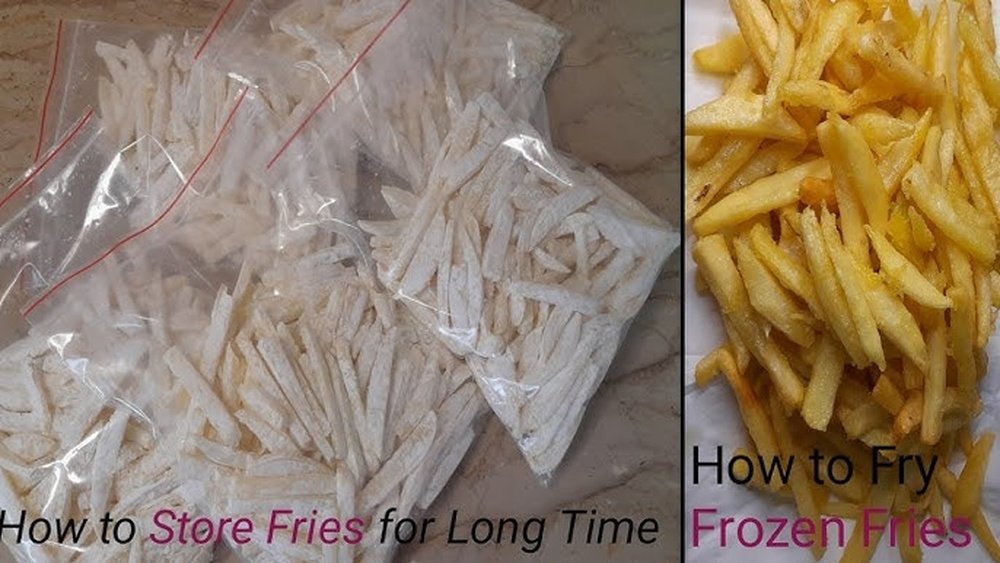
Fries are one of the world’s favorite comfort foods. Whether you call them French fries, chips, or just fries, their crispy texture and golden color make them hard to resist. But what happens when you have leftovers, or want to prepare fries in advance? Many people find their fries turning soggy, stale, or even inedible after just a few hours. Properly storing fries can be tricky, but with the right methods, you can keep them tasty, fresh, and even restore some of that original crunch.
This guide explores every step you need to know about how to store fries—covering home-cooked, takeout, and frozen varieties. You’ll learn how to keep fries crisp overnight, the best containers to use, how to reheat fries so they taste as good as new, and much more.
We’ll dive into science-backed storage tips, common mistakes, and answer the questions most people never think to ask. By the end, you’ll know exactly how to handle leftover fries so you never have to throw away your favorites again.
Why Storing Fries Matters
Many people assume fries are best eaten fresh, and that’s true. But food waste is a growing concern—over 30% of food is wasted in the United States every year. Fries are especially easy to waste because they lose their appeal so quickly. By learning how to store fries correctly, you can save money, reduce waste, and always have a quick snack ready.
Storing fries well also means you can enjoy bulk cooking, preparing fries in advance for busy days, or saving leftover fries from your favorite restaurant. Proper storage not only protects flavor but also ensures food safety.
Understanding Why Fries Go Bad
The main problem with leftover fries is that they lose their signature crispiness and turn soft or soggy. This happens for several reasons:
- Moisture migration: Fries contain water inside and are exposed to air on the outside. The crispy layer softens as moisture moves from the inside out.
- Oil oxidation: Fries are cooked in oil, which can turn rancid if left out too long or stored improperly.
- Starch retrogradation: As fries cool, the starches realign and harden, changing texture.
- Air exposure: Oxygen and humidity in the air affect taste and texture, making fries lose freshness quickly.
Understanding these factors helps you choose the best storage method and prevent common problems.
Best Ways To Store Fries At Home
Let’s break down the most effective methods for storing fries so you can enjoy them later without disappointment.
1. Cooling Fries Before Storage
Never store fries while they’re hot. The steam trapped inside containers creates moisture, making fries soggy. Allow fries to cool to room temperature before packing them away. Spread them out on a tray or plate, giving each fry space to breathe. This step is crucial—if you skip it, even the best container won’t save your fries.
2. Choosing The Right Storage Container
Not all containers are equal. The best options for storing fries are:
- Paper bags: Absorb excess oil and let fries breathe, but don’t seal as tightly.
- Airtight containers with a paper towel: Place a layer of paper towel at the bottom and top to absorb moisture.
- Vented plastic containers: These allow some airflow, preventing condensation.
Avoid wrapping fries in foil or plastic wrap, as these trap steam and ruin texture.
3. Refrigerating Fries
If you want to keep fries for up to 2 days, the refrigerator is your best friend. Here’s how:
- Let fries cool completely.
- Place them in an airtight container lined with paper towels.
- Store on a middle shelf, away from foods with strong odors (fries can absorb smells).
Fries last 1-2 days in the fridge. After that, texture and taste decline quickly. Never store fries at room temperature for more than two hours, as bacteria can grow.
4. Freezing Fries For Longer Storage
Freezing is the only way to keep cooked fries for weeks or months. The steps are:
- Spread fries on a baking sheet so they don’t touch.
- Freeze for 1-2 hours until solid.
- Transfer to a freezer-safe bag or container, removing as much air as possible.
- Label with the date. Fries last up to 2 months in the freezer.
Frozen fries will lose some crispness, but reheating with the right method can restore them.
5. Storing Homemade Vs. Takeout Fries
Homemade fries and restaurant fries may need slightly different care. Homemade fries often have less oil and no preservatives, so they dry out faster. Takeout fries, especially from fast food chains, contain additives that can affect storage. Still, the core methods—cooling, proper containers, and refrigeration/freezing—apply to both.
How To Reheat Fries Properly
Storing fries is only half the battle. Reheating them the right way makes a huge difference. The goal is to bring back crispiness without drying the fries out.
Oven Method
This is the most reliable method for restoring texture.
- Preheat oven to 400°F (200°C).
- Spread fries in a single layer on a baking sheet.
- Bake for 5-10 minutes, shaking the tray halfway.
- For extra crispiness, broil for 1-2 minutes at the end.
Oven reheating works best for larger batches.
Air Fryer Method
Air fryers are excellent for reheating fries quickly.
- Set air fryer to 375°F (190°C).
- Place fries in the basket in a single layer.
- Heat for 3-5 minutes, shaking once.
Air fryers use less oil and give a crispy finish.
Stovetop Skillet Method
If you don’t have an oven or air fryer, use a nonstick skillet.
- Heat a tablespoon of oil over medium-high heat.
- Add fries in a single layer.
- Flip regularly for 3-4 minutes until crisp.
This method works fast but watch for burning.
Methods To Avoid
- Microwave: Fries turn soft and chewy—avoid unless you’re in a hurry.
- Deep frying: Adds too much extra oil, can be dangerous with cold fries.
Mistakes To Avoid When Storing Fries
Many people make simple mistakes that ruin fries during storage. Here’s what to watch out for:
- Storing hot fries: Traps steam and guarantees sogginess.
- Using plastic wrap or foil: Both trap moisture and soften fries.
- Overcrowding fries: Fries pressed together retain moisture and lose crispness.
- Storing with other foods: Fries absorb strong odors quickly.
- Leaving fries at room temperature: After two hours, bacteria can grow, making fries unsafe.
One non-obvious tip: If you’re storing a big batch, divide fries into smaller containers. This prevents moisture from building up and allows for easier reheating in smaller portions.
Comparing Storage Methods: What Works Best?
To help you see the differences, here’s a comparison of popular fry storage methods.
| Method | How Long Fries Stay Good | Crispness After Reheating | Effort Required |
|---|---|---|---|
| Paper Bag (Room Temp) | Up to 2 hours | Low | Very Low |
| Airtight Container (Fridge) | 1-2 days | Medium | Low |
| Freezer Bag (Freezer) | Up to 2 months | Low-Medium | Medium |
| Vented Container (Fridge) | 1-2 days | Medium | Low |
As you can see, airtight containers with paper towels are the best compromise for most home cooks. Freezing is best for long-term storage, but fries lose some quality.
:max_bytes(150000):strip_icc()/ar-french-fry-taste-test-fries-4x3-379e37abdf4e46899a961ceada871f70.jpg)
Credit: www.allrecipes.com
How To Store Different Types Of Fries
Not all fries are the same. Here’s how to adapt your storage method for various fry styles.
Classic French Fries
These are thin, crispy, and prone to getting soggy. Use an airtight container with paper towels, and reheat in the oven or air fryer for best results.
Steak Fries Or Wedges
Thicker fries retain moisture longer. They store better than thin fries but can get dense. Freeze in a single layer for longer storage.
Shoestring Fries
Very thin and crispy but go stale fast. Avoid freezing—texture is hard to recover. Store in the fridge, and eat within a day.
Curly Or Seasoned Fries
Seasonings can become uneven during storage. Shake fries before reheating to redistribute flavors.
Sweet Potato Fries
More moisture than regular potatoes, so they turn soft quickly. Use a vented container, and always reheat in the oven or air fryer.
How Restaurants And Fast Food Chains Store Fries
Ever wonder how restaurants keep their fries tasting fresh? Most don’t store cooked fries for long, but they do have tricks:
- Many use heat lamps to keep fries warm and crisp for up to 30 minutes.
- Some par-cook fries, then finish frying before serving.
- Large chains use additives to preserve crispness and color.
At home, you can mimic these techniques by reheating fries in a hot oven or air fryer just before eating.

Credit: www.youtube.com
Storing Uncooked Fries And Frozen Fries
If you want to prepare fries in advance, knowing how to store uncooked fries is useful.
Storing Fresh Cut Fries (raw Potatoes)
- Cut fries and soak in cold water for up to 24 hours. This removes excess starch.
- Drain and dry thoroughly before cooking.
- If storing longer, blanch in boiling water for 2-3 minutes, then freeze on a tray before bagging.
Storing Store-bought Frozen Fries
Keep in their original bag, sealed tight. If opened, transfer to a freezer-safe container. Use within 6 months for best quality.
Comparison: Homemade Vs. Store-bought Frozen Fries
| Type | Storage Life | Texture After Cooking | Additives/Preservatives |
|---|---|---|---|
| Homemade Frozen | 2-3 months | Medium to High | No |
| Store-Bought Frozen | 6 months | High | Yes |
Homemade frozen fries give you more control over ingredients but don’t last as long as commercial products.
Keeping Fries Crisp For Parties And Gatherings
If you’re serving fries at a party, keeping them crisp is a big challenge. Here are some proven strategies:
- Use a rack: Place cooked fries on a wire rack over a baking sheet. This lets air circulate and keeps fries from sitting in oil.
- Serve in small batches: Only bring out what people will eat in 10-15 minutes. Keep the rest warm in a low oven (200°F/90°C).
- Avoid stacking: Piling fries causes steam buildup, making the bottom layer soggy.
- Paper cones or cups: These absorb oil and let fries stay crisper longer.
A non-obvious trick: Sprinkle a small amount of cornstarch or rice flour on fries before the final cook. This creates a protective barrier that keeps them crisp even after storage.
Credit: www.gianteagle.com
The Science Of Fry Storage: What Really Happens?
When fries cool down, the oil on the surface solidifies, and moisture inside moves out. Starch molecules in potatoes change structure, a process called retrogradation, which makes fries taste stale. Reheating helps reverse some of this, but not all.
Another key point: The oil used for frying matters. Fries cooked in animal fats (like beef tallow) tend to reheat better because the fat stays solid at room temperature, helping preserve structure.
If you want to learn more about the science of food storage, you can visit Wikipedia’s Food Preservation page.
Food Safety And Storing Fries
Food safety is just as important as taste. Fries are considered a potentially hazardous food if left out too long. Bacteria like Staphylococcus aureus and Bacillus cereus can grow on cooked potatoes at room temperature.
- Never leave cooked fries out for more than 2 hours.
- Refrigerate or freeze as soon as possible.
- If fries smell off or have visible mold, throw them out.
Remember, reheating does not always kill all bacteria or toxins. When in doubt, it’s safer to discard old fries.
Storing Fries With Toppings
Fries topped with cheese, gravy, or sauces (like poutine or loaded fries) need special care:
- Remove as much topping as possible before storing.
- Store toppings separately in airtight containers.
- Reheat fries and toppings separately, then combine before serving.
Sauces can make fries soggy if stored together, so always keep them apart for best results.
Eco-friendly Tips For Storing Fries
Storing fries doesn’t have to create waste. Here’s how to do it sustainably:
- Use reusable containers instead of single-use plastics.
- Repurpose glass jars for small portions.
- Compost used paper towels or napkins (if not too greasy).
- Freeze leftover fries in batches to reduce food waste.
An eco-friendly kitchen saves money and helps the planet.
Creative Ways To Use Leftover Fries
Sometimes, reheated fries aren’t as exciting. Try these ideas for turning leftovers into something special:
- Breakfast hash: Chop fries and fry with onions, peppers, and eggs.
- Fries frittata: Add fries to beaten eggs and bake for a quick meal.
- Loaded fry casserole: Layer fries with cheese, meat, and veggies, then bake.
- Soup thickener: Blend fries into creamy soups for extra flavor and texture.
- Fry croutons: Cube fries, bake until crisp, and use as salad toppings.
Transforming leftovers helps reduce waste and adds variety to meals.
Quick Reference: Fry Storage Dos And Don’ts
Here’s a handy summary for fast reminders:
- Do: Cool fries before storing, use airtight containers, refrigerate quickly, reheat in oven or air fryer.
- Don’t: Store hot fries, use plastic wrap/foil, leave at room temperature, reheat in microwave if possible.
Fry Storage Timelines
To help you remember how long you can safely store fries, here’s a simple chart:
| Storage Method | How Long Fries Stay Safe | Best For |
|---|---|---|
| Room Temperature | 2 hours | Immediate eating |
| Refrigerator | 1-2 days | Leftovers, short-term |
| Freezer | Up to 2 months | Batch cooking, long-term |
Stick to these timelines for both safety and taste.
Frequently Asked Questions
How Do I Keep Fries Crispy After Storing Them?
The key is to let fries cool before storing, use a container with paper towels, and always reheat in an oven or air fryer. Avoid microwaves, which make fries soggy. For extra crunch, spread fries in a single layer when reheating.
Can I Freeze Already Cooked Fries?
Yes, you can freeze cooked fries. First, cool them completely, freeze in a single layer, then transfer to a freezer bag. Fries will lose some crispness but can be revived in the oven or air fryer. Eat within two months for best quality.
Is It Safe To Eat Fries Left Out Overnight?
No, it’s not safe. Fries left out at room temperature for more than two hours can grow bacteria that cause foodborne illness. Always refrigerate or freeze fries if you want to keep them.
What’s The Best Way To Store Fries From A Restaurant?
Let them cool, then transfer to an airtight container lined with paper towels. Store in the refrigerator and eat within one to two days. For best results, reheat in an oven or air fryer. Avoid keeping fries in the original takeout bag, which does not protect against moisture or odors.
Can I Store Fries With Toppings Like Cheese Or Gravy?
It’s better to store fries and toppings separately. Remove toppings before storing, keep in separate containers, and reheat each part on its own. This prevents sogginess and keeps flavors fresh.
Storing fries the right way helps you enjoy your favorite snack any time, saves money, and reduces waste. With these tips, you’ll never have to settle for soggy, disappointing leftovers again.