
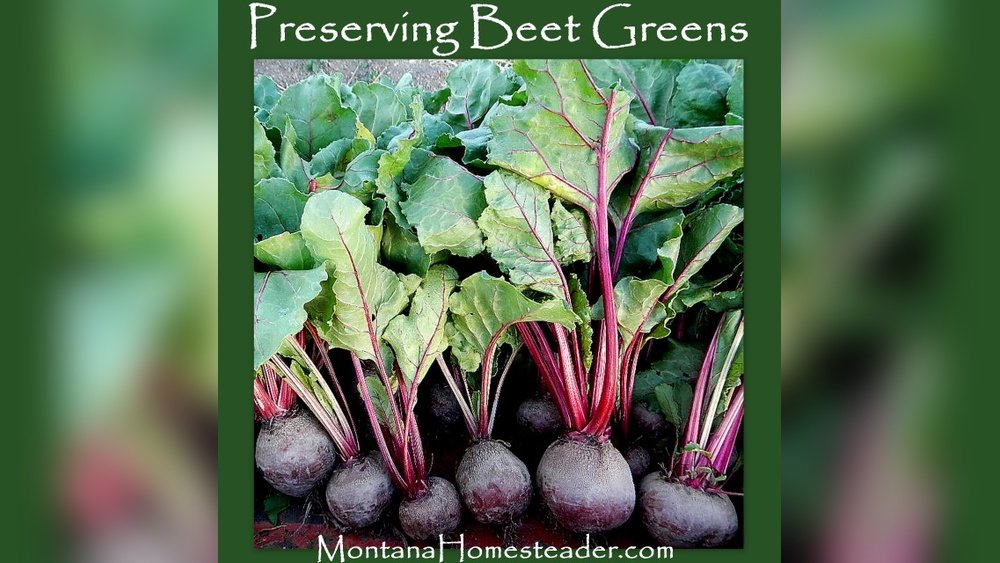
Beet greens are often overlooked in the kitchen, but they are full of nutrition and flavor. Many people buy beets for their roots, but the leafy tops are just as valuable. If you know how to store beet greens the right way, you can enjoy them for days or even weeks after bringing them home.
Fresh beet greens can be turned into salads, sautés, soups, or smoothies. Storing them properly is important because they wilt and spoil quickly if not handled with care.
This guide will teach you everything you need to know about storing beet greens. Whether you want to keep them fresh in the fridge, freeze them for later, or use other methods, you will find all the details here. You will also learn about the best containers, cleaning techniques, and common mistakes to avoid.
By the end, you’ll be able to make the most out of your beet greens, reduce waste, and add more greens to your meals with confidence.
Why Store Beet Greens Properly?
Beet greens are more delicate than the beetroot. They spoil faster and lose nutrients if not stored well. Proper storage helps you:
- Keep nutrients: Beet greens are high in vitamins A, C, and K, plus minerals like magnesium and iron. Storing them right preserves these nutrients.
- Avoid waste: If you throw away the greens, you lose about 20–30% of what you paid for.
- Save money: Using both the root and the greens means you get more value from your purchase.
- Enjoy taste and texture: Fresh beet greens taste sweet and earthy. When they spoil, they turn limp and slimy.
Many people don’t realize that beet greens spoil much faster than the root. Often, the first sign of spoilage is a strong, wet smell or slimy texture. If you notice this, it’s already too late to save them. This is why it’s important to store them as soon as possible after buying or harvesting.
How To Prepare Beet Greens For Storage
Before storing, you need to prepare your beet greens. This step is often skipped, but it’s essential for longer storage.
1. Separate The Greens From The Root.
If you keep the greens attached to the beetroot, they will draw moisture out of the root, causing both to wilt faster. Use a sharp knife or kitchen scissors to cut the leaves, leaving about 1 inch of stem on the beetroot.
2. Sort And Inspect The Leaves.
Go through the greens and remove any yellow, wilted, or damaged leaves. Only store the healthy, green leaves.
3. Clean The Greens.
Gently rinse the leaves in cold water to remove dirt and grit. Do not soak them for long, as excess water can encourage rot. Swish the leaves in a bowl of water and then lift them out. Repeat if needed.
4. Dry Completely.
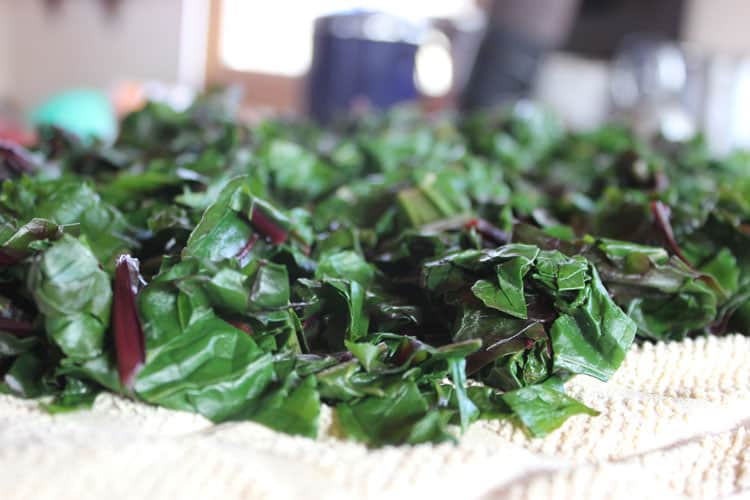
This is where many beginners make mistakes. Storing wet leaves leads to mold and spoilage. Use a salad spinner to remove excess water or lay the greens on a clean kitchen towel and pat dry. Some people let them air dry for a few minutes to make sure all moisture is gone.
5. Do Not Chop Before Storing.
Keep the leaves whole. Cutting them into smaller pieces can cause bruising and faster decay.
Storing Beet Greens In The Refrigerator
The refrigerator is the most common place to store beet greens. They can stay fresh for about 3 to 7 days if stored properly.
Best Methods For Refrigerating Beet Greens
There are several ways to store beet greens in the fridge. Each method has pros and cons.
1. In A Plastic Bag With Air Holes
Place the dry beet greens in a plastic bag. Poke a few holes in the bag to allow for airflow. This keeps the leaves from sweating and spoiling. Store the bag in the vegetable crisper drawer of your fridge. This method usually keeps the greens fresh for 4–5 days.
2. In A Damp Paper Towel
Wrap the greens loosely in a damp (not wet) paper towel and place them in a perforated plastic bag or a reusable produce bag. The towel adds moisture to prevent drying but not enough to cause rot. This technique can extend freshness to 6–7 days.
3. In A Rigid Container
If you want to avoid plastic bags, use a rigid food storage container. Line the bottom with a dry or slightly damp paper towel. Place the greens inside and cover with another towel before closing the lid. This method works well for stacking in the fridge and avoids crushing the leaves.
4. In A Produce Keeper
Some refrigerators have special produce drawers or you can buy a produce keeper container. These are designed to maintain the right humidity for leafy greens. Beet greens can last up to a week using this method.
Refrigerator Storage Comparison
Here’s how the different fridge storage methods compare:
| Method | Expected Freshness | Pros | Cons |
|---|---|---|---|
| Plastic Bag with Holes | 4–5 days | Simple, quick | Can trap moisture if not dried well |
| Damp Paper Towel | 6–7 days | Balances moisture | Needs correct dampness |
| Rigid Container | 5–7 days | Prevents crushing | Takes up more space |
| Produce Keeper | Up to 7 days | Best humidity control | Costs more |
Practical Tips For Refrigerator Storage
- Always check the greens every 2–3 days. Remove any leaves that show signs of spoilage.
- Do not overcrowd the bag or container. Leaves need space for airflow.
- If the paper towel becomes too wet, replace it with a dry one.
A common mistake is leaving beet greens in the produce bag from the store. These bags are not designed for long-term storage. Transfer greens to a better container as soon as you get home.
Freezing Beet Greens For Long-term Storage
If you have more beet greens than you can eat in a week, freezing is a great option. Frozen beet greens can last 8–12 months and are perfect for cooked recipes.
How To Freeze Beet Greens
Freezing beet greens is a multi-step process, but it’s worth the effort.
1. Wash And Dry Thoroughly.
Cleaning is especially important when freezing. Any dirt left can reduce quality after thawing.
2. Blanch The Greens.
Blanching stops enzyme activity that causes loss of color, flavor, and nutrients. To blanch:
- Boil a large pot of water.
- Prepare a bowl of ice water.
- Add beet greens to the boiling water for 2 minutes.
- Quickly transfer them to the ice water for 2–3 minutes.
- Drain and dry.
Pat the greens dry with a clean towel. Excess water leads to ice crystals and freezer burn.
4. Chop Or Leave Whole.
You can chop the greens into bite-sized pieces for easier use later, or freeze them whole.
5. Pack In Freezer-safe Bags Or Containers.
Remove as much air as possible to prevent freezer burn. Label each bag with the date.
6. Freeze Flat.
If using bags, lay them flat in the freezer. This saves space and helps the greens freeze quickly.
Tips For Best Results
- Use the frozen greens in cooked dishes. They will not be crisp after thawing.
- Don’t freeze raw, unblanched beet greens—they lose color and flavor.
- For smoothies, you can freeze small portions in ice cube trays, then transfer to bags.
Freezing Vs. Refrigerating Beet Greens
Here’s a quick look at the main differences:
| Storage Method | Best For | Storage Time | Texture After Storage |
|---|---|---|---|
| Refrigerating | Salads, raw dishes | 3–7 days | Crisp, fresh |
| Freezing | Soups, sautés, smoothies | 8–12 months | Soft, best cooked |
Other Storage Methods: Short And Long Term
While the fridge and freezer are the most common choices, other methods can be useful depending on your situation.
Storing Beet Greens In Water
If you plan to use the greens within a day or two, you can keep them in a glass of water, like a bouquet. Place the stems in 1–2 inches of water and cover loosely with a plastic bag. This keeps them fresh and crisp for up to 2 days but is not suitable for longer storage.
Dehydrating Beet Greens
Dehydrating is a good way to store beet greens if you want to make green powder for smoothies or seasoning.
- Wash, dry, and chop the greens.
- Lay them in a single layer on dehydrator trays.
- Dry at 125°F (52°C) for 6–8 hours, or until crispy.
- Store in an airtight jar.
Dehydrated beet greens can last up to a year if kept dry and out of sunlight.
Fermenting Beet Greens
Fermentation turns beet greens into a tangy, probiotic-rich food. Chop the greens and mix with salt, then pack tightly into a jar. Let it ferment at room temperature for 5–7 days. This method can preserve beet greens for several months, and the flavor is unique.
Pickling Beet Greens
Pickled beet greens are rare but tasty. Blanch the greens, then pack in a jar with vinegar, salt, and spices. Store in the fridge and use within a month.
Storage Method Overview
Here’s a summary of less common storage options:
| Method | Best For | Storage Time | Key Notes |
|---|---|---|---|
| Water (stems in glass) | Very short term | 1–2 days | Keeps leaves crisp |
| Dehydrating | Powders, seasoning | 6–12 months | Needs equipment |
| Fermenting | Probiotic foods | 1–3 months | Unique flavor |
| Pickling | Condiment use | Up to 1 month | Tangy taste |
Best Containers And Materials For Storing Beet Greens
Choosing the right container is more important than many people think. The wrong container can trap moisture, crush leaves, or allow too much air.
Plastic Bags
Most people use plastic bags because they are easy and cheap. Always poke holes for airflow. Do not tie bags tightly; leave some space for air.
Reusable Produce Bags
These are made of mesh or cloth and are reusable. They allow air to flow and prevent sweating. They are a good option if you want a more eco-friendly solution.
Rigid Food Storage Containers
Choose a container that is not too deep so you don’t pile too many leaves on top of each other. Glass or BPA-free plastic work well.
Vacuum Seal Bags
For freezing, vacuum seal bags are the best. They remove all air, reducing the chance of freezer burn. However, they are not necessary for short-term fridge storage.
Paper Towels
Always use a paper towel or clean cloth to manage moisture. It should be just damp, not wet.
Common Mistakes To Avoid When Storing Beet Greens
Learning from common mistakes can save you a lot of wasted greens.
1. Storing Wet Leaves:
Moisture is the enemy of leafy greens. Always dry them before storing.
2. Overcrowding The Container:
If beet greens are packed too tightly, they bruise and spoil quickly.
3. Using Sealed Plastic Without Air Holes:
A sealed bag traps humidity, causing rot. Always allow for some airflow.
4. Not Checking For Spoilage:
One bad leaf can make the whole batch rot faster. Check and remove any spoiled leaves every few days.
5. Leaving Greens Attached To The Root:
This draws moisture from both the leaves and the root, reducing freshness.
6. Forgetting To Label Frozen Greens:
Always write the date on frozen bags. This helps you use the oldest greens first.
7. Freezing Without Blanching:
Unblanched greens turn brown and lose nutrients in the freezer.
8. Storing Near Ethylene-producing Fruits:
Fruits like apples and bananas release ethylene gas, which speeds up spoilage. Keep beet greens away from these fruits.
9. Not Using Soon Enough:
Even with perfect storage, beet greens are best when fresh. Try to use them within a week for the best taste and nutrition.
Using Stored Beet Greens
Proper storage is only half the story. You also need to know how to use the greens once you take them out.
- Fresh, refrigerated beet greens are best for salads, sandwiches, and as a garnish.
- Frozen beet greens are perfect for soups, stews, stir-fries, and smoothies. Add them directly to hot dishes or blend while frozen.
- Dehydrated beet greens can be ground into powder and added to smoothies, sauces, or sprinkled on eggs.
- Pickled or fermented beet greens are good as a topping for bowls, rice, or sandwiches.
If the greens look limp but not spoiled, soak them in ice water for 10 minutes. This can revive some crispness.
:max_bytes(150000):strip_icc()/food-prep14-mld1092452_vert-a5abe0fde7494741a2d2578e91f3ef69.jpg)
Credit: www.marthastewart.com
Nutritional Value Of Beet Greens
Beet greens are not just a leftover part of the beetroot. They are highly nutritious:
- Vitamin K: 1 cup of raw beet greens gives about 190% of your daily value.
- Vitamin A: Supports eye and immune health.
- Vitamin C: Strengthens your immune system.
- Iron and magnesium: Good for energy and muscle function.
Eating the greens is a great way to increase your intake of important nutrients without buying extra greens like spinach or kale.
How To Tell If Beet Greens Have Gone Bad
It’s important to know when beet greens are no longer safe to eat. Look for these signs:
- Slimy texture: The most obvious sign of spoilage.
- Yellow or brown spots: Some small spots can be cut away, but a lot means the greens are old.
- Strong, rotten smell: Fresh beet greens should smell earthy, not sour or rotten.
- Excess moisture: Pooled water in the bag or container speeds up spoilage.
- Wilting: Mild wilting can be fixed with ice water, but severe limpness means the greens are past their prime.
If you’re unsure, it’s better to compost or discard questionable greens.

Credit: montanahomesteader.com
How Long Do Beet Greens Last?
The storage time for beet greens depends on the method:
- Room temperature (in water): 1–2 days
- Refrigerator: 3–7 days (sometimes up to 10 if stored perfectly)
- Freezer: 8–12 months (must be blanched first)
- Dehydrated: 6–12 months
- Fermented: 1–3 months in the fridge
Using them sooner is always better for taste and nutrition.
Environmental Impact And Reducing Food Waste
Storing beet greens well is not just good for your health—it’s also good for the planet. Food waste is a major global problem. In the US, up to 40% of food is wasted each year, and leafy greens are among the top wasted foods.
By using both the root and the greens, you cut waste and get more for your money.
Many people throw out beet greens because they don’t know how to store or cook them. With the steps in this article, you can help reduce waste and enjoy more nutritious meals.
Creative Ways To Use Beet Greens
Sometimes people store beet greens, then forget to use them. Here are a few ideas to inspire you:
- Sauté with garlic and olive oil for a simple side dish.
- Add to soups for extra nutrients.
- Blend in smoothies for a green boost (fresh or frozen).
- Mix into omelets or frittatas.
- Use as a pizza topping for a colorful twist.
- Make beet green pesto with nuts, olive oil, and cheese.
Trying new recipes can help you use beet greens before they spoil.
Frequently Asked Questions
How Do I Revive Wilted Beet Greens?
If your beet greens are limp but not slimy or smelly, try soaking them in a bowl of ice water for 10–15 minutes. This can restore some crispness, especially if they were stored in the fridge and dried out a bit.
Make sure to dry them well before using or storing again.
Can I Eat Beet Greens Raw?
Yes, beet greens can be eaten raw, just like spinach or Swiss chard. They are tasty in salads, wraps, or sandwiches. Be sure to wash them well to remove any dirt or grit. Young, tender leaves taste best raw.
What Is The Best Way To Freeze Beet Greens?
The best way is to blanch the greens first, then cool them quickly in ice water. Drain and dry, chop if you want, and pack in freezer-safe bags or containers. Remove as much air as possible. Label with the date, and use within 8–12 months.
Blanching helps keep the color, flavor, and nutrients.
Are Beet Greens Healthier Than Beetroot?
Both have unique benefits. Beet greens are higher in vitamins A, C, and K, plus calcium and magnesium. Beetroot is high in folate, potassium, and natural nitrates. Eating both parts gives you a wider range of nutrients. For more nutrition facts, visit SELF NutritionData.
Can I Store Beet Greens With Other Leafy Greens?
You can store beet greens with other greens like spinach or chard if they are all dry and healthy. However, if one leaf spoils, it can spread quickly. For best results, store beet greens separately and always check for spoilage.
Storing beet greens the right way means more nutrition, less waste, and better meals. With these tips and methods, you’ll be able to keep your beet greens fresh and tasty, whether you’re a beginner or an experienced home cook.
Credit: homestead-honey.com