
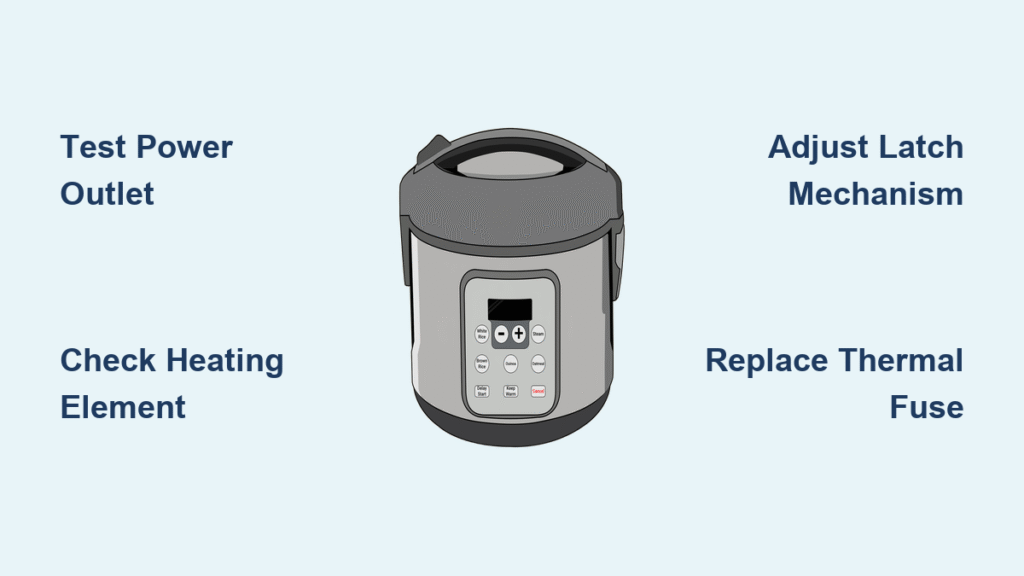
When your rice cooker suddenly stops heating, it can be frustrating—especially if you depend on it for daily meals. This common issue can have many causes, from simple mistakes like a loose cord to complex problems inside the cooker. The good news: many rice cooker heating problems can be fixed at home with a little patience, careful observation, and the right steps. If you’re willing to get your hands a bit dirty, you might avoid an expensive repair or replacement. In this guide, you’ll learn how to troubleshoot and repair a rice cooker that’s not heating. You’ll discover step-by-step solutions, key safety tips, and insider advice that even some experienced users overlook. Whether you’re a beginner or have some basic repair skills, this article will help you bring your rice cooker back to life.
Understanding Why Rice Cookers Stop Heating
Before jumping to solutions, it’s important to know why your rice cooker is not heating. Most rice cookers use a simple mechanism: a heating plate at the bottom gets hot when electricity passes through it, warming the inner pot and cooking the rice. If any part of this system fails, the cooker won’t heat up.
Common causes include:
- Power supply problems
- Damaged heating element
- Faulty thermal fuse
- Broken thermostat
- Loose or broken wiring
- Internal circuit board issues
Sometimes, the problem is not with the machine but with how it’s being used. For example, if the inner pot isn’t placed correctly, the cooker may not work. Dust, food debris, and worn parts can also block heating.
Safety First: Precautions Before Repair
Working with electric appliances can be risky. Always keep safety in mind:
- Unplug the cooker before opening or checking inside.
- Let the cooker cool down before touching the heating plate.
- Use dry hands and stand on a dry surface.
- If you see burn marks, melted parts, or smell burning plastic, do not attempt repair—these are signs of serious electrical issues.
- Only use recommended replacement parts from the manufacturer or trusted suppliers.
If you are unsure or uncomfortable, it’s best to contact a professional. But for many issues, careful home repair is possible.
Credit: cookerswar.com
Quick Checks Before Disassembly
Sometimes the simplest problems are easy to miss. Before opening your rice cooker, check these basics:
Power Source And Cord
- Make sure the power cord is plugged in securely.
- Try plugging the cooker into a different outlet.
- Inspect the cord for cuts, burns, or fraying.
- If the cord is damaged, replace it immediately.
Lid And Pot Placement
- Ensure the inner pot is seated correctly on the heating plate.
- Check that the lid closes tightly and the switch clicks.
Resetting The Cooker
Some rice cookers have a reset button. Hold it for a few seconds to see if this resolves the problem.
Cleanliness
- Wipe the heating plate and the bottom of the inner pot. Dust, oil, or rice grains can stop the cooker from making good contact and heating up.
If all these checks fail, move on to more detailed troubleshooting.
Tools You’ll Need For Repair
Having the right tools makes repairs safer and easier. Most problems can be handled with:
- Screwdrivers (Phillips and flat-head)
- Multimeter (for electrical testing)
- Needle-nose pliers
- Replacement parts (heating element, thermal fuse, power cord, etc.)
- Soft brush or cloth for cleaning
You might also need a soldering iron if you must reconnect wires, but many repairs don’t require soldering.

Credit: www.youtube.com
Step-by-step Troubleshooting And Repairs
Every rice cooker is a bit different, but most follow a similar design. Here’s how to diagnose and repair heating problems.
Step 1: Open The Base
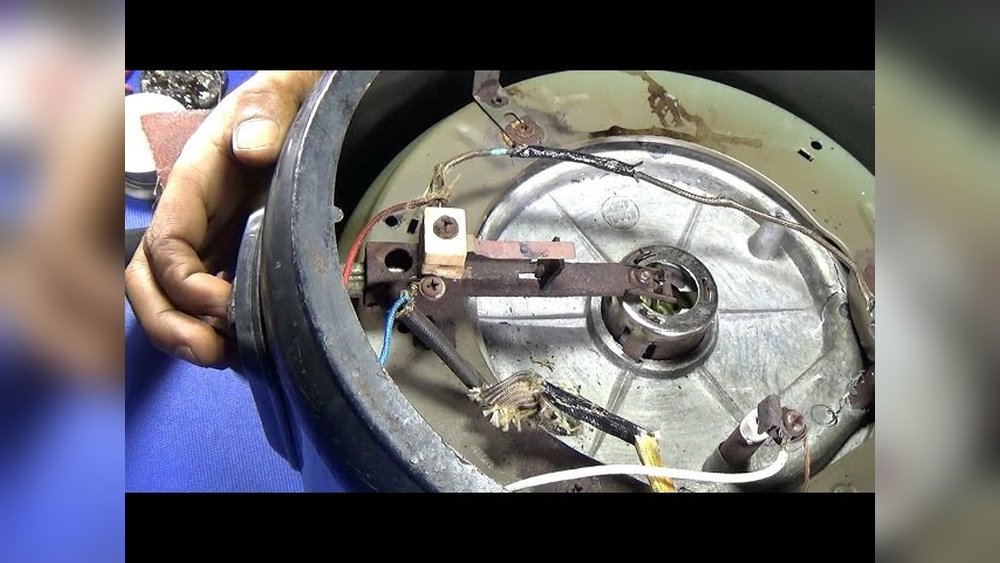
Unplug the cooker. Turn it upside down and remove the screws holding the base. Carefully lift the cover to expose the internal components.
Step 2: Inspect For Obvious Damage
Look for:
- Burn marks
- Loose wires
- Broken connectors
- Signs of corrosion
If you see any, note their location for further action.
Step 3: Test The Power Cord
Use a multimeter to check if the cord delivers electricity to the cooker:
- Set the multimeter to continuity mode.
- Place one probe at the plug and the other at the wire’s end inside the cooker.
- If the meter beeps or shows a reading, the cord is fine; if not, replace the cord.
Step 4: Check The Heating Plate
The heating plate is the main part that gets hot. If it’s damaged or not getting power, the cooker won’t heat.
- Visually inspect for cracks or burnt spots.
- Use the multimeter (set to resistance/ohms) to check the element. A typical reading is between 20 and 40 ohms. If it reads infinite (open circuit) or zero (short circuit), the element needs replacing.
Step 5: Inspect The Thermal Fuse
The thermal fuse protects the rice cooker from overheating. If it blows, the cooker cannot heat.
- Look for a small cylindrical component attached to the heating element.
- Test for continuity with the multimeter.
- If there is no continuity, replace the thermal fuse with one of the same rating.
Step 6: Examine The Thermostat
The thermostat detects temperature and switches the cooker from “cook” to “warm.” If it fails, the cooker may not heat at all.
- Check for physical damage.
- Test with a multimeter for continuity.
- If faulty, replace the thermostat. Some thermostats are integrated and not replaceable—contact your manufacturer.
Step 7: Check Switches And Circuit Board
Some rice cookers have a switch or a small circuit board that controls heating.
- Check for loose or burnt connections.
- Use the multimeter to test switches for proper operation.
If you see damaged components on the circuit board (like swollen capacitors or burnt chips), the board may need professional repair or replacement.
Common Problems And How To Fix Them
Here are typical issues and how to address them:
1. Rice Cooker Won’t Turn On At All
- Possible causes: Power cord, blown fuse, faulty switch.
- Solution: Replace cord or fuse. Test and replace switch as needed.
2. Cooker Turns On But Doesn’t Heat
- Possible causes: Broken heating element, failed thermostat, bad internal wiring.
- Solution: Test and replace heating plate or thermostat. Reconnect loose wires.
3. Cooker Switches To “warm” Without Cooking
- Possible causes: Misaligned pot, dirty heating plate, faulty thermostat.
- Solution: Realign pot, clean surfaces, check thermostat.
4. Uneven Or Partial Heating
- Possible causes: Food debris under pot, warped inner pot, worn-out heating plate.
- Solution: Clean thoroughly, replace damaged pot or heating element.
5. Cooker Heats Up But Smells Or Smokes
- Possible causes: Food stuck under heating plate, burnt wiring, failing components.
- Solution: Unplug immediately, clean, and inspect for burnt parts.

Credit: blog.mazitekgh.com
Key Components: What They Do And How To Test
Understanding the main parts inside your rice cooker can help you pinpoint the problem. Here’s a quick comparison of the most important components and how to test them:
| Component | Function | Testing Method |
|---|---|---|
| Heating Element | Produces heat to cook rice | Check resistance with multimeter |
| Thermal Fuse | Stops power if too hot | Check continuity with multimeter |
| Thermostat | Controls temperature | Check continuity and operation |
| Power Cord | Brings power from outlet | Check for breaks/continuity |
| Switch | Starts cooking cycle | Test for proper switching |
How To Replace Faulty Parts
If you’ve identified a damaged part, here’s how to replace it:
Replacing The Power Cord
- Buy a compatible cord.
- Disconnect the old cord from the internal connections.
- Attach the new cord securely, matching wire colors.
- Screw the base back on and test the cooker.
Replacing The Heating Element
- Remove wires connected to the old element.
- Unscrew or unclip the element from the base.
- Install the new element, making sure it fits flat.
- Reattach wires and secure the base.
Replacing The Thermal Fuse
- Cut or unscrew the old fuse from its holder.
- Attach the new fuse (solder if needed).
- Double-check the fuse rating matches the original.
Replacing The Thermostat
- Disconnect wires from the faulty thermostat.
- Remove mounting screws or clips.
- Install the new thermostat and connect wires.
- Test before reassembly.
Always double-check connections before plugging the cooker back in.
When To Replace Your Rice Cooker
Not every rice cooker is worth fixing. Here are signs it may be time to buy a new one:
- Multiple internal parts are damaged
- Replacement parts are unavailable or expensive
- The outer shell is cracked or melted
- Repairs cost more than a new cooker
A modern rice cooker can last 5–10 years with good care. If your unit is older, upgrading to a new model may offer better safety and features.
Preventing Future Heating Problems
You can avoid many rice cooker issues with simple habits:
- Clean after every use. Wipe the heating plate and inner pot.
- Don’t overfill. Too much water can spill into the electronics.
- Use the right voltage. Plugging into the wrong voltage can damage the cooker.
- Check the cord regularly for signs of wear.
- Store in a dry place to prevent rust and corrosion.
It’s also smart to read the user manual and follow the manufacturer’s care instructions. Some users overlook the importance of a clean contact surface—rice grains or oil can stop the cooker from heating properly, even if all parts work.
Rice Cooker Heating Problems: User Mistakes Vs. Real Faults
Many people think their rice cooker is broken when it’s actually a user error. Here are some examples:
| User Mistake | Real Fault | How to Tell the Difference |
|---|---|---|
| Pot not seated correctly | Damaged heating plate | Try repositioning pot; if still no heat, check the plate |
| Unplugged cord | Broken power cord | Test cord in another device or outlet |
| Dirty heating plate | Failed thermostat | Clean plate; if no change, test thermostat |
A non-obvious insight: Many “faulty” rice cookers only need a simple cleaning or correct placement of the inner pot. Always check the basics first before opening the unit.
Why Multimeter Testing Matters
A multimeter is the most useful tool for diagnosing rice cooker heating problems. It helps you:
- Avoid guessing which part is faulty
- Prevent unnecessary part replacements
- Stay safe by checking for live wires or shorts
If you’ve never used a multimeter, many online tutorials can help you get started. Always set the meter to the correct mode—continuity for checking fuses and cords, resistance for heating elements.
Rice Cooker Brands: Differences In Repair
Not all rice cookers are built the same. Some brands (like Zojirushi, Panasonic, or Tiger) use unique parts or designs. Cheaper models may use basic components, while high-end units have complex circuit boards. Always check your specific model’s diagram or manual online before ordering parts.
For rare or advanced models, parts may only be available through authorized service centers. In these cases, DIY repair can be more challenging. If you need a replacement manual, sites like ManualsLib offer a wide range of appliance manuals.
Signs Of Deeper Electrical Problems
Sometimes a rice cooker not heating is a symptom of a bigger electrical problem. Watch for these warning signs:
- Circuit breaker trips when you plug in the cooker
- Other appliances in the same outlet also stop working
- Burning smell or visible smoke
In these situations, stop using the cooker and consult an electrician. Do not attempt to repair if you’re unsure about the safety of your wiring or home outlet.
The Value Of Professional Repair
While many rice cooker heating issues are easy to fix, some problems require professional skills. If you’re not comfortable with electrical work, or if your cooker is still under warranty, contacting the manufacturer or a certified repair service is a smart choice.
Some brands offer free or discounted repairs within the warranty period. Keep your purchase receipt and check the warranty terms before opening the cooker yourself—DIY repairs may void the warranty.
Frequently Asked Questions
Why Does My Rice Cooker Turn On But Not Heat?
This usually means there is power, but the heating element, thermal fuse, or thermostat may be faulty. It could also be a simple problem like a dirty heating plate or misaligned inner pot.
Can I Use My Rice Cooker If The Heating Element Is Damaged?
No, a damaged heating element cannot safely cook rice. Continuing to use it may cause more damage or be a fire risk. Replace the element before use.
How Do I Know If The Thermal Fuse Is Blown?
A blown thermal fuse will have no electrical continuity. Test with a multimeter—if there is no connection, the fuse must be replaced with one of the same rating.
Is It Safe To Repair A Rice Cooker At Home?
Home repair is safe if you follow basic precautions: unplug the cooker, use the right tools, and avoid working with wet hands. For major issues or if you see burnt parts, seek professional help.
How Often Should I Clean My Rice Cooker To Prevent Heating Issues?
Clean your rice cooker after every use, especially the heating plate and bottom of the inner pot. This prevents food debris from blocking heat and keeps your cooker working longer.
Restoring a rice cooker that is not heating can be a rewarding and cost-saving project. By following the steps and safety tips in this guide, you can solve most common problems at home. Regular care and cleaning help prevent future issues, and learning basic troubleshooting can extend the life of your cooker.
Remember, always check the simple things first—and when in doubt, professional help is just a call away. With the right approach, your rice cooker can keep making perfect rice for years to come.