
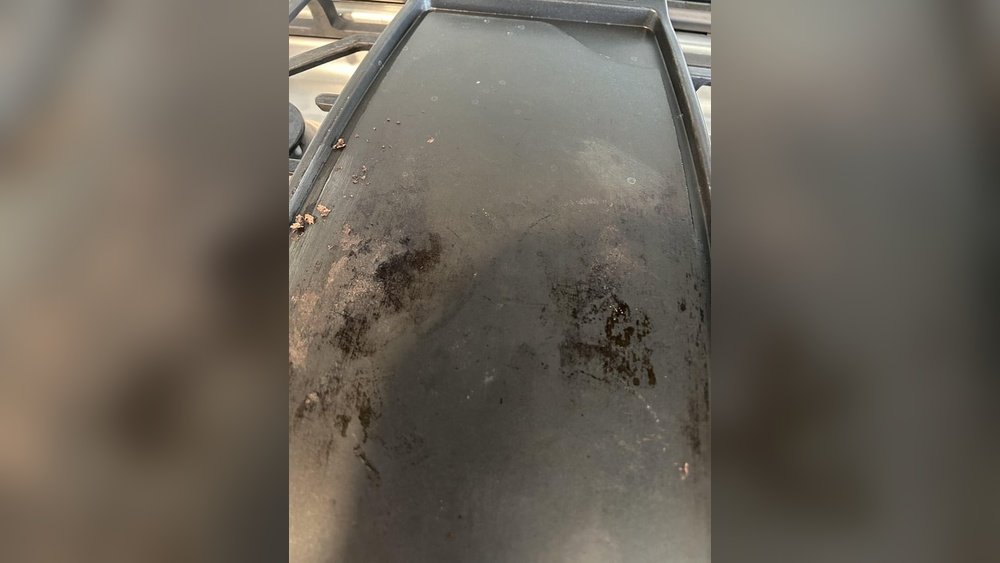
Nothing ruins a good breakfast like finding your pancakes taste a little…odd, or your eggs stick to the griddle instead of sliding off. If you’ve ever cooked on a griddle, you know that sticky residue can build up fast. It’s not just ugly—it affects your food, can damage your griddle, and makes cooking less fun. Many people try to scrape it off with brute force or harsh chemicals, but end up scratching the surface or just making things worse.
So, how do you remove sticky residue from your griddle—whether it’s cast iron, stainless steel, or nonstick—without damaging it? And how do you keep it from coming back? This guide covers everything you need to know: from the science behind sticky build-up, to the best tools and products, step-by-step instructions, and even how to prevent sticky residue in the future. If you want your griddle to last years and keep your food tasting perfect, you’re in the right place.
Why Does Sticky Residue Build Up On Griddles?
Understanding why sticky residue forms is the first step in solving the problem for good. Griddles—flat cooking surfaces made from materials like cast iron, stainless steel, or nonstick coatings—face constant exposure to heat, oil, and food particles. Each of these elements can contribute to sticky buildup for different reasons.
When you cook with oils at high temperatures, they can break down and form a layer of polymerized oil. This is similar to the seasoning layer you want on cast iron, but if not applied correctly, it becomes uneven and sticky. On nonstick or stainless steel griddles, leftover food particles and oil can bake onto the surface, creating a tar-like residue.
Certain foods, especially those high in sugar (like syrup, marinades, or glazes), will caramelize and form a stubborn sticky layer. Over time, this residue hardens and becomes more difficult to remove. If you don’t clean your griddle properly after each use, these layers build up and can even turn rancid, affecting the taste of your food.
Two surprising facts: Even “good” seasoning on cast iron can become sticky if you apply too much oil at once, or don’t heat it enough to fully bond. And using the wrong cleaning methods—like soap on certain surfaces—can make things worse or damage the finish.
The Risks Of Leaving Sticky Residue
Some people ignore sticky buildup, thinking it’s just part of using a griddle. But the risks go beyond appearance:
- Food sticks and tears: Ruining pancakes, eggs, or delicate foods.
- Unpleasant flavors: Old oils and food residues turn rancid, giving your meals an off taste.
- Bacterial growth: Sticky areas can harbor bacteria, leading to food safety risks.
- Shorter griddle life: Build-up can damage the nonstick coating or lead to rust on cast iron.
For professionals and home cooks alike, proper cleaning is non-negotiable.
Choosing The Right Cleaning Method For Your Griddle
Not all griddles are the same. The best way to remove sticky residue depends on the material and type of griddle you have. Using the wrong method can scratch or even ruin your cooking surface. Let’s look at the main types:
Cast Iron Griddles
Cast iron is durable, but it requires special care. Never soak it in water for long or use soap, which can strip the seasoning. Sticky residue often means too much oil was used or not enough heat was applied during seasoning.
Stainless Steel Griddles
Stainless steel is tough but can scratch easily. It handles a range of cleaning methods, but abrasive pads should be used with care.
Nonstick Griddles
Nonstick coatings are sensitive to scratches and chemicals. Never use metal tools or harsh abrasives.
Here’s a quick comparison to help you choose the right method:
| Griddle Type | Safe Cleaning Tools | Cleaning Products to Avoid |
|---|---|---|
| Cast Iron | Plastic scraper, coarse salt, hot water | Dish soap, steel wool, soaking |
| Stainless Steel | Non-abrasive pad, baking soda, vinegar | Strong acids, steel wool (can scratch) |
| Nonstick | Soft sponge, mild detergent, warm water | Metal utensils, abrasive cleaners |
Tools And Products You’ll Need
Before you start, gather the right tools. Having the correct items on hand makes the process smoother and prevents accidental damage.
Must-have tools:
- Plastic scraper: For gently lifting residue without scratching.
- Non-abrasive sponge or pad: Safe for all surfaces.
- Soft cloth or microfiber towel: For drying and polishing.
- Old toothbrush: Gets into grooves and corners.
- Paper towels: For wiping off loosened debris.
Cleaning products:
- White vinegar: Cuts through grease and sticky residue.
- Baking soda: Gentle abrasive for stubborn spots.
- Coarse kosher salt: Especially useful for cast iron.
- Mild dish soap: Only for stainless steel and nonstick (never for cast iron).
- Hot water: Helps loosen residue.
- Cooking oil: For re-seasoning cast iron after cleaning.
Nice-to-have extras:
- Grill stone: For cast iron or stainless steel.
- Spray bottle: For applying vinegar or water evenly.
- Heat-resistant gloves: Protects your hands when cleaning a hot griddle.
Many people overlook the power of coarse salt—it’s a natural abrasive that won’t damage cast iron. Another pro tip: An old credit card works as a flexible scraper for nonstick surfaces.
Step-by-step Instructions: How To Remove Sticky Residue
Now let’s get into the details. Each type of griddle requires a slightly different approach. Follow the steps for your specific surface for best results.
For Cast Iron Griddles
- Heat the griddle slightly (but not too hot to touch with gloves). Warm residue softens, making removal easier.
- Sprinkle coarse salt over the sticky area. The salt acts as a gentle abrasive.
- Scrub with a paper towel or soft cloth. Add a few drops of water if needed for extra cleaning power.
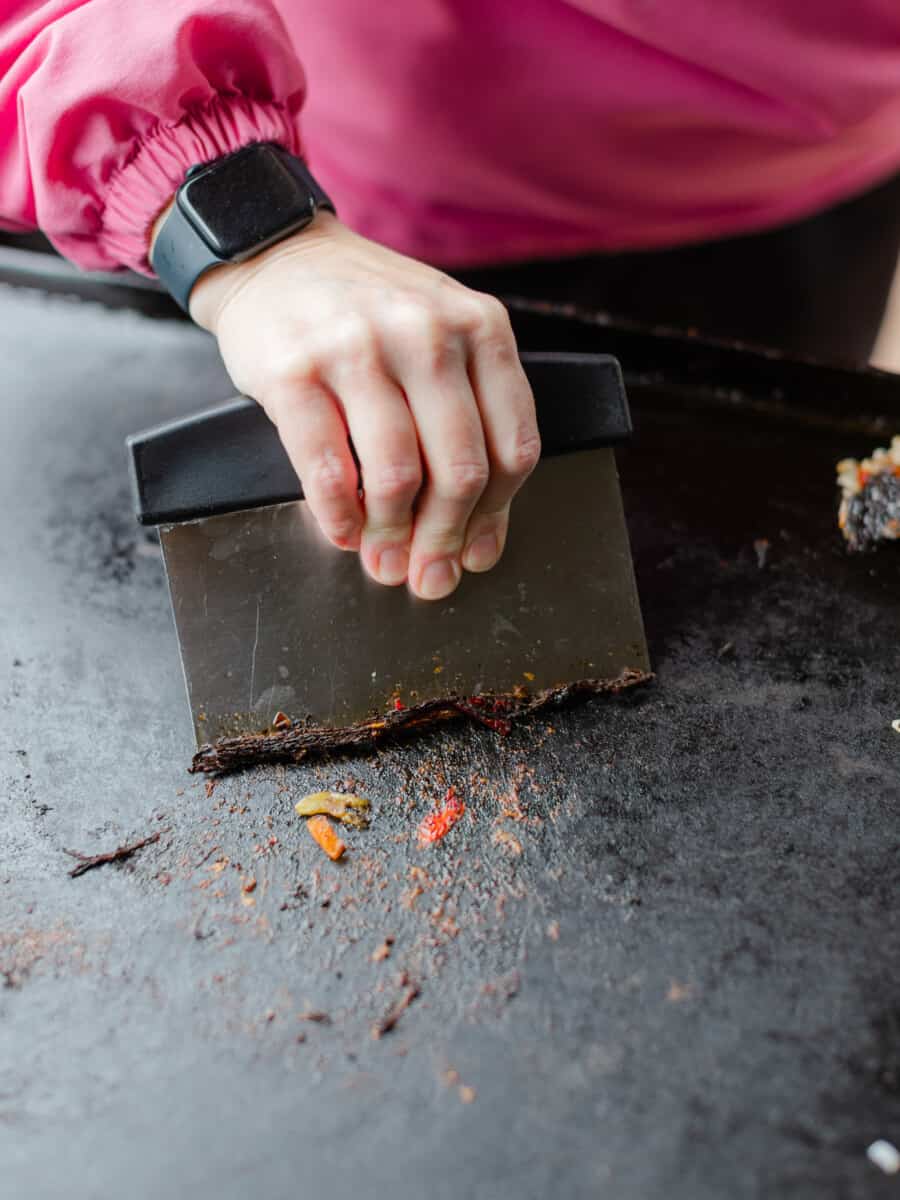
- Use a plastic scraper to lift any remaining sticky bits.
- Rinse with hot water. Never use soap, which strips seasoning.
- Dry thoroughly with a towel and place on low heat to evaporate leftover moisture.
- Apply a thin layer of cooking oil, then heat the griddle to bond the oil (re-seasoning). Wipe off excess oil.
Expert insight: If the sticky layer is especially stubborn, use a grill stone or a paste of baking soda and water. Avoid soaking cast iron, as it can rust quickly.
For Stainless Steel Griddles
- Let the griddle cool slightly (warm is best).
- Mix white vinegar and water (1: 1 ratio) in a spray bottle.
- Spray the sticky area and let it sit for 5-10 minutes. The vinegar breaks down greasy residue.
- Sprinkle baking soda over the area. It will fizz—this is normal.
- Scrub with a non-abrasive pad or soft sponge. For stubborn spots, use a little more baking soda.
- Wipe clean with a damp cloth.
- Dry thoroughly to prevent water spots.
Pro tip: For burnt-on residue, lay a wet towel on the surface for 10-15 minutes to steam and soften the buildup before scrubbing.
For Nonstick Griddles
- Cool the griddle completely to avoid damaging the nonstick coating.
- Wipe off loose crumbs with a paper towel.
- Mix mild dish soap with warm water.
- Dip a soft sponge (never abrasive) into the solution and gently scrub the sticky area.
- Rinse with clean water.
- Dry with a soft cloth.
If residue remains, make a paste of baking soda and water, apply gently, and let it sit for 15 minutes before wiping clean. Never use metal utensils or steel wool.
Hidden danger: Using strong cleaners or scrubbing too hard can ruin the nonstick layer, making food stick more in the future.
Advanced Methods For Stubborn Sticky Residue
Some sticky buildups won’t budge with regular cleaning. Here are advanced methods for extreme cases—but use caution, especially on delicate surfaces.
The Boiling Water Method
Works for: Cast iron, stainless steel, and some electric griddles (check manual first).
- Pour a small amount of water onto the griddle while it’s still warm (not hot).
- The steam helps loosen sticky residue.
- Use a plastic scraper to gently lift the residue.
- Wipe away with a towel.
Never use this method on nonstick griddles unless the manufacturer says it’s safe.
The Baking Soda Paste
For all griddle types (test a small spot on nonstick):
- Mix baking soda and water to form a thick paste.
- Apply to stubborn sticky spots and let sit for 15-30 minutes.
- Scrub gently with a soft cloth or sponge.
- Rinse and dry.
This method is surprisingly effective and safe for most surfaces.
Commercial Griddle Cleaners
Some products are designed specifically for griddles. Always read the label and make sure it’s safe for your surface. Some cleaners can damage nonstick or seasoned cast iron.
Example: For stainless steel, commercial degreasers can cut through sticky residue quickly, but rinse thoroughly to avoid chemical taste.
Insider warning: Overusing strong chemicals can lead to pitting or discoloration, especially on stainless steel.

Credit: www.reddit.com
How To Clean Electric Griddles
Electric griddles have built-in heating elements, so extra care is needed. Never submerge the entire unit in water.
- Unplug and let cool completely.
- Remove the cooking surface if detachable.
- Wipe off residue with a damp cloth.
- For sticky spots, use a baking soda paste or a little vinegar.
- Dry thoroughly before storing.
Check the manufacturer’s instructions—some electric griddles are dishwasher safe for removable plates, but never for the electrical parts.
How Often Should You Clean Sticky Residue?
Regular cleaning is key to preventing sticky buildup. For most griddles:
- Wipe down after every use with a damp cloth or paper towel.
- Deep clean (with the methods above) every few weeks, or sooner if you notice sticky spots.
If you use a griddle daily, a quick wipe after each use keeps residue from getting out of control.
Unexpected tip: Even if your griddle looks clean, invisible sticky film can build up. Do a deep clean at least once a month to avoid problems.
Prevention: How To Stop Sticky Residue Before It Starts
You can avoid most sticky residue by following a few simple habits. Prevention is easier than cleaning!
Use The Right Amount Of Oil
Too much oil causes sticky buildup, especially on cast iron. Use a thin layer and heat properly to bond it to the surface.
Preheat Properly
Always let your griddle preheat before adding oil or food. Cold surfaces cause oil to pool instead of bond, leading to sticky spots.
Avoid Sugary Marinades
Sugar burns at low temperatures and creates a glue-like mess. If you cook with sauces or glazes, clean your griddle immediately after cooking.
Clean While Warm
Residue comes off more easily when the griddle is still warm (but not hot). Make cleaning part of your cooking routine.
Reseason Cast Iron Regularly
If you use cast iron, apply a thin layer of oil and heat it after each deep clean. This prevents rust and sticky buildup.
Common Mistakes To Avoid
Many people accidentally make their sticky residue problem worse. Here are the most common mistakes:
- Using metal scrapers on nonstick or stainless steel: This scratches the surface and makes sticking worse.
- Applying too much oil when seasoning cast iron: Only a thin layer is needed. Excess oil turns sticky.
- Using soap on cast iron: Soap strips away the protective seasoning, leading to more sticking.
- Letting residue sit for days: The longer sticky residue sits, the harder it is to remove.
- Not drying the griddle: Water left on the surface can cause rust (cast iron) or water spots (stainless steel).
A little care can save you hours of scrubbing and extend the life of your griddle.
Credit: frommichigantothetable.com
When To Call In Professional Help
Most sticky residue can be handled at home, but in rare cases, you might need professional help. Signs you should consult an expert:
- The sticky buildup is thick, black, and won’t budge with any method.
- The nonstick coating is peeling or flaking.
- The cast iron is rusting badly or has deep pits.
- The griddle is commercial-size and requires specialized equipment.
Professional cleaning services use food-safe chemicals and have tools to restore even heavily damaged griddles.
Table: How Different Foods Cause Sticky Residue
Some foods are more likely to cause sticky buildup than others. Here’s a quick reference:
| Food Type | Sticky Residue Risk | Why It Sticks |
|---|---|---|
| Pancakes & waffles | Moderate | Sugar caramelizes, batter dries out |
| Eggs | Low-Moderate | Protein bonds to hot surface |
| Meats with sauces | High | Sugar and fat cook onto surface |
| Vegetables | Low | Minimal sticking, mostly water |
| Cheese | High | Fat and protein melt and bake on |
Knowing which foods are riskier helps you plan your cleaning routine.
Long-term Care: Making Your Griddle Last
A clean griddle works better and lasts longer. Here’s how to keep yours in top shape:
- Store cast iron in a dry place and keep it lightly oiled.
- Never stack heavy pans on nonstick griddles.
- Avoid drastic temperature changes (don’t add cold water to a hot griddle).
- Inspect regularly for scratches, rust, or peeling.
Expert tip: If you use your griddle outside (like a Blackstone), cover it to protect from moisture and dust.
Eco-friendly Ways To Remove Sticky Residue
You don’t need harsh chemicals to get a clean griddle. Some of the most effective methods are also better for the environment:
- Use baking soda and vinegar instead of commercial degreasers.
- Scrub with coarse salt and a cloth for cast iron.
- Wipe with a damp microfiber cloth instead of paper towels.
- For tough spots, a paste of baking soda and water works wonders.
These methods are safer for your family and reduce your impact on the environment.
Credit: beardedbutchers.com
What If Sticky Residue Keeps Coming Back?
If you clean your griddle properly but sticky residue returns quickly, check these issues:
- Are you using too much oil?
- Is the griddle heating evenly?
- Are you cleaning thoroughly after each use?
- Is the surface scratched or damaged?
Sometimes, a griddle that’s been scratched or had its coating damaged will continue to develop sticky spots no matter what you do. In this case, it may be time to replace the griddle.
The Role Of Seasoning In Preventing Stickiness
On cast iron and some steel griddles, seasoning is a thin layer of bonded oil that creates a nonstick surface. But too much oil or improper heating leads to sticky, uneven layers.
How to season properly:
- Apply a small amount of oil to the clean, dry griddle.
- Rub it in with a paper towel.
- Heat the griddle until it smokes lightly (on the stove or in the oven).
- Let cool, then wipe away excess oil.
Proper seasoning prevents sticky buildup and makes cleaning easier. For more on seasoning, see the guide at Wikipedia.
Signs Your Griddle Needs Replacement
Even with the best care, griddles have a lifespan. Signs it’s time for a new one:
- Deep scratches or gouges, especially on nonstick surfaces.
- Nonstick coating is peeling or flaking.
- Severe rust or pitting on cast iron.
- Warping that prevents even heating.
A damaged griddle is harder to clean, and sticky residue becomes a constant battle.
Frequently Asked Questions
How Can I Tell If The Sticky Residue Is From Oil Or Food?
Sticky residue from oil is often shiny, tacky, and covers large areas. Food-based residue may appear darker or have bits of burnt material. Smell can also help—rancid oil has a strong odor, while burnt food smells smoky.
Is It Safe To Use Vinegar On All Griddles?
Vinegar is safe for stainless steel and most cast iron griddles (in moderation), but avoid using it on nonstick surfaces or aluminum griddles, as it can damage the coating or react with the metal.
Can I Use A Metal Spatula To Clean Sticky Residue?
Use a metal spatula only on stainless steel or well-seasoned cast iron—never on nonstick surfaces. Even then, use gentle pressure to avoid scratching.
How Do I Prevent Sticky Residue On A Brand-new Griddle?
For cast iron, season it properly before first use. For nonstick and stainless steel, wash with warm water and mild detergent, dry thoroughly, and avoid using too much oil when cooking.
What Should I Do If My Griddle Smells Bad After Cleaning?
If odor remains, re-clean using baking soda paste or vinegar (if safe for your material). Heat the griddle for a few minutes to burn off any residual odors, then re-season if it’s cast iron.
Keeping your griddle clean isn’t just about appearance—it’s about flavor, food safety, and making your cooking experience enjoyable. With the right tools, a little know-how, and regular maintenance, you can say goodbye to sticky residue for good and enjoy perfect pancakes, eggs, and more every time.