
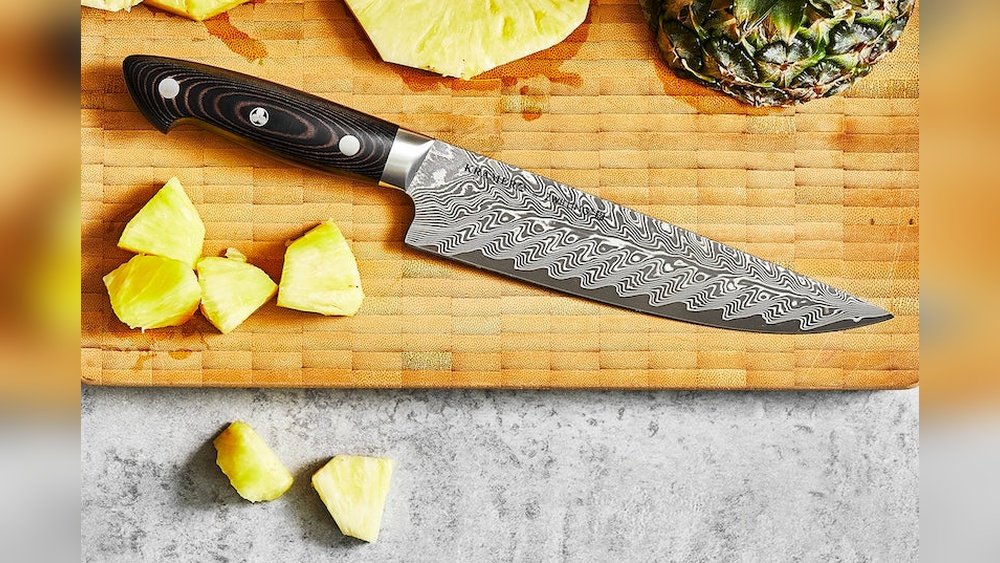
A Damascus knife is more than just a kitchen tool or collector’s item—it’s a piece of history, a work of art, and a precision instrument all in one. With its stunning wavy patterns and legendary toughness, a Damascus blade stands out in any chef’s kit or outdoorsman’s gear.
But even the finest Damascus steel loses its edge over time, especially if used regularly. Sharpening a Damascus knife isn’t just about restoring sharpness; it’s also about preserving the unique qualities that make these blades special. Many owners worry about damaging the pattern or ruining the blade, but with the right approach, you can keep your Damascus knife razor-sharp and beautiful for many years.
This guide is designed for anyone who wants to get the most from their Damascus knife, whether you’re a home cook, a hunter, or a knife enthusiast. You’ll learn not only the step-by-step sharpening process, but also how to avoid common mistakes, choose the right tools, and understand the unique needs of Damascus steel.
By the end, you’ll have the confidence and skill to sharpen your blade safely and effectively, so it always performs at its best.
Understanding Damascus Steel
Damascus steel is famous for its distinctive patterns and high performance. But what makes it so special? The answer lies in how it’s made. True Damascus steel is created by folding and forging different types of steel together, layer upon layer. This process gives the blade its wavy, water-like pattern and a unique combination of strength and flexibility.
Modern Damascus knives are usually made by pattern welding—fusing two or more steels with different properties. The harder steel provides edge retention, while the softer steel adds toughness. This means a Damascus blade can be both very sharp and resistant to breaking or chipping.
However, these layered structures also have some sharpening challenges. The differing steel hardness can cause uneven wear if sharpened incorrectly. Also, the beautiful surface pattern is only skin deep; aggressive sharpening can wear it away, especially if you use the wrong tools or techniques.
Two non-obvious facts many beginners miss:
- Not all Damascus knives are the same. Some are made with low-quality core steel and only have a decorative pattern. Always check your knife’s specifications before sharpening.
- Damascus steel is not stainless by default. Many Damascus knives are prone to rust if not cared for properly, so sharpening is also a chance to inspect and maintain the blade.
Why Sharpening Matters For Damascus Knives
A sharp knife is safer and more precise, but for Damascus steel, sharpening is also about protecting the blade’s legacy. Dull edges force you to use more pressure, which can chip or damage the layered structure. Over time, improper sharpening can erase the beautiful patterns, turning a masterpiece into a plain tool.
Here’s why proper sharpening is essential:
- Performance: A sharp edge slices cleanly, preserving food texture and making outdoor tasks easier.
- Longevity: Removing as little steel as possible keeps the blade thick and strong for years.
- Aesthetics: Gentle sharpening preserves the unique patterns that make Damascus knives valuable.
Sharpening is not just maintenance—it’s a way to honor the craftsmanship and investment behind your blade.

Credit: www.youtube.com
Essential Tools For Sharpening Damascus Knives
Choosing the right tools is critical. The wrong sharpener can destroy a Damascus edge or fade its pattern. Here are the main options, with their pros and cons:
| Tool | Best For | Pros | Cons |
|---|---|---|---|
| Whetstone (Sharpening Stone) | All Damascus knives | Gentle, precise, preserves pattern | Requires skill, time-consuming |
| Honing Rod (Ceramic or Steel) | Edge maintenance | Quick touch-ups, prolongs sharpness | Does not sharpen dull blades |
| Manual Pull-Through Sharpener | Cheap knives, emergencies | Easy to use | Removes too much steel, risks pattern |
| Electric Sharpener | Not recommended | Fast | Very aggressive, damages Damascus |
| Stropping Leather | Polishing, final edge | Enhances sharpness, protects pattern | Not for major sharpening |
For most Damascus knives, a whetstone is the best option. Honing rods and strops help with regular upkeep, but avoid electric sharpeners and aggressive manual sharpeners—they can ruin the blade and erase the pattern.
Step-by-step Guide: How To Sharpen A Damascus Knife
Sharpening a Damascus knife takes patience and careful technique. Here’s a complete walkthrough, from setup to finishing touches.
1. Choose The Right Whetstone
Select a double-sided whetstone—one side with coarse grit (1000–2000) for shaping, the other with fine grit (3000–8000) for polishing. For most home users, a 1000/6000 stone is ideal.
Pro tip: Avoid diamond stones unless you’re experienced. They cut fast and can eat away the Damascus pattern if used carelessly.
2. Prepare The Whetstone
Soak your whetstone in water for 10–15 minutes, unless it’s an oil stone (read the manufacturer’s instructions). Wet stones help reduce friction and carry away metal particles.
Non-obvious insight: Always keep the stone’s surface wet during sharpening. A dry stone can overheat the blade, risking micro-cracks in the steel.
3. Set The Correct Sharpening Angle
Most Damascus kitchen knives are sharpened to a 15–20 degree angle per side. Outdoor or hunting knives may use a wider angle (20–25 degrees) for durability.
If you’re unsure, check your knife’s specs. You can use an angle guide—a small plastic wedge—to help maintain consistency.
4. Secure The Knife And Stone
Place a damp towel or non-slip mat under the stone to keep it steady. Hold the knife with your dominant hand and position your fingers safely above the blade.
Safety tip: Never try to sharpen while holding the stone in your hand.
5. Sharpening On The Coarse Side
- Place the blade on the stone at the chosen angle.
- Using gentle pressure, push the blade edge-first along the stone, moving from heel to tip.
- Use smooth, even strokes—about 10–15 passes per side.
- Flip the knife and repeat on the other edge.
Beginner mistake to avoid: Pressing too hard. Let the stone do the work; too much force can cause uneven grinding and damage the pattern.
6. Check For A Burr
After several passes, feel for a burr—a slight, rough edge—on the opposite side of the blade. This means you’ve sharpened enough and can switch sides.
Practical tip: Run your thumb gently across (not along) the blade. If you feel a tiny wire edge, you’re ready to move to the fine grit.
7. Polishing On The Fine Side
Flip the stone to the fine side (6000 or higher). Repeat the same strokes, but with lighter pressure. This step refines the edge and brings out the blade’s shine.
- 8–12 passes per side is usually enough.
- Focus on consistency and gentle movements.
Non-obvious insight: The fine polishing step is not just for sharpness—it helps preserve the Damascus pattern by minimizing scratches.
8. Finish With A Leather Strop
After whetstone sharpening, use a leather strop loaded with polishing compound. Draw the blade away from the edge (spine-first) to polish and align the micro-edge.
- 8–10 passes per side is enough.
- Stropping removes leftover burrs and gives a razor finish.
Stropping is often skipped by beginners—but it can make a noticeable difference in both sharpness and pattern clarity.
9. Clean And Dry The Knife
Wipe the blade thoroughly with a soft cloth. Wash off any residue and dry the knife completely to prevent rust. Inspect the edge for any nicks or inconsistencies.
Never store a Damascus knife wet or dirty; moisture can cause hidden rust beneath the layers.
10. Test The Sharpness
Carefully test the edge by slicing paper or shaving a small patch of hair on your arm. The knife should cut smoothly without catching.
Pro tip: Don’t use hard surfaces (like ceramic plates) for testing—they can dull the edge instantly.
Maintenance: Honing And Polishing Between Sharpenings
Regular honing and polishing can keep your Damascus knife sharp for longer, reducing the need for frequent sharpening.
- Honing rods: Use a ceramic or fine steel rod to realign the edge after every few uses. This does not remove steel but helps maintain sharpness.
- Stropping: Even if you don’t sharpen, running the knife on a strop after each use can keep the edge keen and the pattern bright.
Most users can sharpen their Damascus knives every 3–6 months with normal use. Over-sharpening wears down the blade and pattern, so focus on maintenance first.
Mistakes To Avoid When Sharpening Damascus Knives
Many people damage their Damascus knives because they don’t know what to avoid. Here are the most common mistakes:
- Using electric sharpeners: These remove too much steel too quickly and can completely erase the Damascus pattern.
- Sharpening at the wrong angle: Too wide makes the edge dull; too narrow makes it weak and prone to chipping.
- Skipping fine grits: Coarse stones leave scratches and don’t polish the edge or pattern.
- Forgetting to clean the blade: Metal dust and stone grit can cause corrosion if left on the blade.
- Sharpening too often: Unnecessary sharpening removes more of the pattern and shortens the knife’s life.
Advanced tip: If you want to restore the pattern after years of use, a light acid etch (using diluted ferric chloride) can darken the lines—but this should only be done by experienced users or professionals.
Credit: turwho.com
Comparing Damascus Knife Sharpening To Other Knives
Damascus steel behaves differently than stainless or carbon steel. Here’s a quick comparison to highlight why technique matters:
| Feature | Damascus Steel | Stainless Steel | Carbon Steel |
|---|---|---|---|
| Edge Retention | High | Medium | High |
| Sharpening Difficulty | Medium | Easy-Medium | Easy |
| Pattern Preservation | Critical | Not needed | Not needed |
| Rust Resistance | Varies | High | Low |
The main difference: Damascus knives need gentle sharpening and extra care to protect their pattern and prevent rust.
How To Store And Protect Your Damascus Knife After Sharpening
Proper storage is just as important as sharpening. Damascus steel, especially if not stainless, is vulnerable to moisture and acidic environments.
- Dry thoroughly: Always dry your knife after each use and sharpening.
- Oil lightly: Apply a thin coat of food-safe mineral oil to the blade if you don’t plan to use it for a while.
- Use a sheath or case: Store the knife in a wooden sheath, knife block, or padded case. Avoid leather sheaths for long-term storage, as they can trap moisture.
- Keep away from extreme heat or humidity: Both can damage the steel and handle.
Pro insight: Avoid magnetic strips unless they’re lined with soft material. Bare magnets can scratch the Damascus pattern over time.
Advanced Sharpening: Tips For Experienced Users
If you want to take your sharpening skills to the next level, consider these advanced methods:
- Progressive grits: Some experts use a series of stones (1000, 3000, 6000, 8000, 10000) for a mirror finish and ultra-sharp edge.
- Edge trailing vs. edge leading: For final polishing, use edge-trailing strokes (pulling the blade away from the edge) to reduce burrs and preserve the pattern.
- Compound stropping: Experiment with different polishing compounds—green chromium oxide, red rouge, or diamond paste—for different finishes.
Always test new techniques on less valuable knives first. Damascus is unforgiving if you make a mistake.
How Often Should You Sharpen A Damascus Knife?
There is no one-size-fits-all answer. Frequency depends on use, cutting surfaces, and knife quality.
- Heavy kitchen use: Sharpen every 2–3 months.
- Light home use: Every 4–6 months.
- Outdoor/hunting: After every major trip or when edge dulls.
Honing and stropping weekly will extend the interval between full sharpenings.
Expert tip: If your knife still slices tomatoes, onions, and meat cleanly, it doesn’t need sharpening yet—just a quick hone or strop.
Cleaning And Care Tips After Sharpening
Sharpening is only part of the care routine. Cleaning and maintenance are just as important, especially for Damascus steel.
- Wash by hand: Never put a Damascus knife in the dishwasher. The heat, moisture, and detergents can damage both steel and handle.
- Dry immediately: Even brief moisture exposure can cause staining or rust spots.
- Use gentle soaps: Avoid harsh chemicals or abrasives that can scratch the pattern.
- Oil the blade: Especially for non-stainless Damascus, a drop of mineral or camellia oil keeps rust away and enhances the pattern.
Avoid leaving food residue on the blade. Acidic foods (like lemons or tomatoes) can etch or discolor the surface if left too long.
Preserving The Damascus Pattern
The intricate pattern is what makes a Damascus knife unique. Here’s how to keep it looking its best:
- Sharpen gently and evenly: Uneven sharpening can create bald spots where the pattern fades.
- Polish regularly: Light stropping and high-grit stones enhance the pattern’s contrast.
- Oil regularly: Oiling brings out the lines and protects against oxidation.
- Avoid abrasive sponges: Steel wool or rough scrubbers can dull the pattern.
If the pattern does fade, professional knife makers can restore it with controlled acid etching. Avoid DIY etching unless you have experience—it’s easy to make mistakes that can ruin the blade.

Credit: www.youtube.com
When To Seek Professional Sharpening
Some situations call for expert help:
- The blade is chipped, bent, or has major nicks.
- The pattern is faded and needs restoration.
- You have an expensive or rare Damascus knife.
- You’re not confident in your sharpening skills.
Professional sharpeners have the right tools and experience to restore both sharpness and the pattern. For valuable knives, this is often worth the cost.
You can find reputable sharpening services through knife stores, culinary schools, or online directories.
Damascus Knife Sharpening: Real-world Examples
Example 1: A chef’s Damascus gyuto (Japanese chef’s knife) is used daily on a wooden cutting board. The owner hones the blade with a ceramic rod every two days and sharpens with a 1000/6000 whetstone every three months. The blade remains razor-sharp and the pattern shines after regular oiling.
Example 2: An outdoor enthusiast uses a Damascus hunting knife on tough materials. He sharpens after each trip, using a 2000/8000 stone and leather strop. He avoids diamond stones to preserve the pattern and applies mineral oil before storing the knife in a padded case.
Example 3: A collector owns a vintage Damascus dagger. He rarely uses it but oils the blade monthly and stores it in a humidity-controlled display. When the edge dulls, he sends it to a professional to avoid risking the rare pattern.
These examples show that with the right care and sharpening, Damascus knives can last a lifetime or more.
Frequently Asked Questions
How Do I Know If My Knife Is Real Damascus Steel?
Genuine Damascus steel has a visible pattern that runs through the blade, not just on the surface. You can also check the manufacturer’s specs or ask a reputable dealer. Be careful—some cheap knives have etched patterns but are not true Damascus. For more details, see the Wikipedia article on Damascus steel.
Can I Use An Electric Sharpener On A Damascus Knife?
It’s best not to use electric sharpeners. They remove too much metal too quickly, can overheat the blade, and often destroy the Damascus pattern. Manual sharpening with a whetstone is safer and more effective for these knives.
What Is The Best Sharpening Angle For A Damascus Knife?
Most Damascus kitchen knives use a 15–20 degree angle per side. Outdoor or heavy-duty knives can go up to 25 degrees for more durability. Always check your knife’s specifications before sharpening.
How Do I Restore The Damascus Pattern If It Fades?
If the pattern becomes dull or faded, it can sometimes be restored by a light acid etch performed by a professional. Regular oiling and gentle polishing also help maintain pattern contrast. Avoid aggressive cleaning methods that can wear away the surface layers.
How Often Should I Sharpen My Damascus Knife?
The answer depends on use. For most people, every 3–6 months is enough, with regular honing and stropping in between. Only sharpen when the knife feels dull, not on a fixed schedule.
A well-sharpened Damascus knife is a joy to use—a blend of history, beauty, and function. With the right tools, a gentle touch, and careful maintenance, your Damascus blade can remain sharp, strong, and stunning for years. Treat it with respect, and it will serve you faithfully, whether in the kitchen or the wild.