
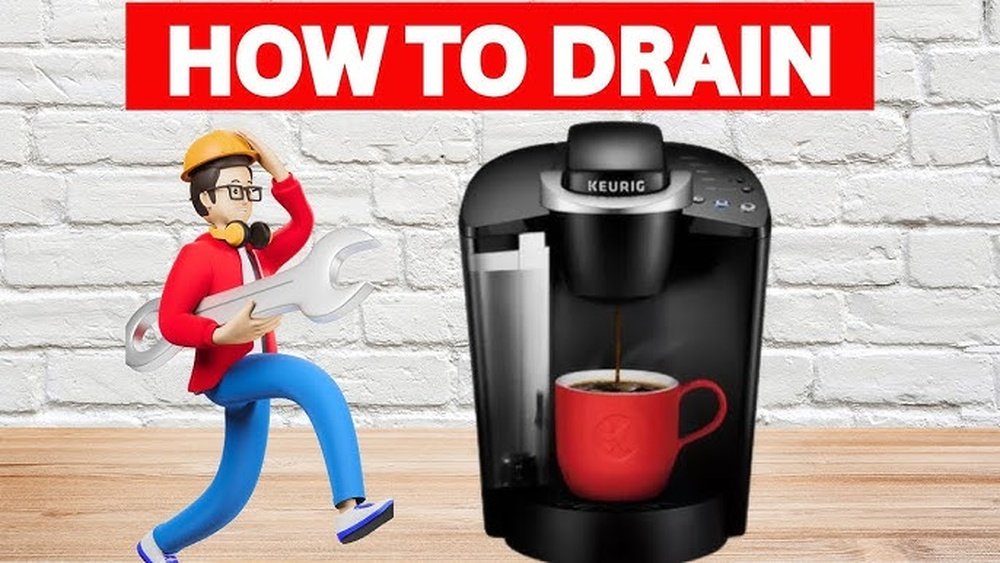
If you own a Keurig 2.0, you know how much easier it makes your mornings. But like any advanced coffee maker, it needs care beyond just refilling water and tossing K-cups. One task that confuses many users is how to empty the internal tank. The process is not obvious, and missing steps can lead to water left inside, possible mold, or damage if you store or move the machine. If you’ve been struggling to find clear, step-by-step guidance, you are not alone. This article will give you everything you need to know about emptying the Keurig 2.0 internal tank—from why it’s necessary, to the exact process, troubleshooting, and even tips to keep your machine in top shape.
Why Empty The Keurig 2.0 Internal Tank?
Most coffee makers, including the Keurig 2.0, hold water inside that you cannot see. This internal reservoir stores water for brewing, but over time, it can become a problem if not emptied. Here’s why:
- Prevent mold and bacteria: Standing water is a breeding ground for germs.
- Moving or storage: Water left inside can leak, cause odors, or freeze in cold temperatures.
- Better-tasting coffee: Old water affects the taste of your brew.
- Longer machine life: Regular maintenance helps avoid breakdowns and costly repairs.
Many users mistakenly believe that removing the removable water tank is enough. But the Keurig 2.0 also has an internal tank that needs attention.
Understanding The Keurig 2.0 Internal Tank
The internal tank is hidden inside the machine, and it’s not as simple as just pouring out water. This tank is refilled automatically from the removable reservoir and is used to heat water quickly. Unlike some older Keurig models, the 2.
0 does not have a drain plug you can easily access.
Non-obvious insight: Even after you run “brew” cycles without a pod, a small amount of water may remain inside. That’s why following the right process is so important.
When Should You Empty The Internal Tank?
People often ask, “How often do I need to do this?” Here are the main situations when you should empty the internal tank:
- Before storing the machine: If you won’t use it for more than a week, empty the tank.
- Before moving: Especially if you’re shipping or transporting the Keurig.
- If you notice bad smells: Odors indicate stagnant water or bacteria.
- Before cleaning/descaling: Emptying makes cleaning more effective.
- After a long period of not using: Ensure old water is not sitting inside.
Tools And Items You’ll Need
Before you start, gather these items:
- A large mug or container (at least 12 oz)
- Clean, dry towel
- Access to a sink
- Optional: Turkey baster or small siphon (for advanced users)
- Clean water for rinsing
Step-by-step: How To Empty Keurig 2.0 Internal Tank
Let’s get into the process. While the Keurig 2.0 does not have an official “drain” button or plug, you can still empty most (and sometimes all) of the water with these steps:
1. Power Off And Unplug
Safety first. Always unplug the machine before moving or cleaning. This prevents electric shock and protects the machine.
2. Remove The Removable Water Reservoir
Take off the side or back reservoir (depending on your model). Pour out any water. Set the reservoir aside—you will need to reinstall it later.
3. Place A Large Mug Under The Dispenser
Use the biggest mug that fits. This will catch the water as you “brew” without a pod.
4. Enter “brew” Mode (no Pod)
- Plug the machine back in.
- Power it on.
- Lift and close the handle (do NOT insert a K-cup).
- Select the largest cup size (usually 10-12 oz).
- Press “Brew.”
The machine will draw water from the internal tank and dispense it.
5. Repeat Until “add Water” Warning
After the first brew, empty the mug into the sink. Repeat the “brew” process until the display shows “Add Water. ” This means the internal tank is almost empty.
Non-obvious insight: After the display shows “Add Water,” a small amount of water may still remain inside. The system is designed to prevent running completely dry, which protects the heating element.
6. Optional: Advanced Draining (for Maximum Removal)
If you want to remove nearly all water (for example, before winter storage), you can try this extra step:
- Unplug the machine.
- Tilt the machine gently over the sink (front down) to allow any remaining water to drip out. Use a towel to catch spills.
- If you’re skilled, you can use a turkey baster or siphon (inserted into the water inlet under the reservoir) to draw out extra water. This is not recommended for everyone, but it does remove a bit more.
7. Dry And Leave Open
Wipe down any visible moisture. Leave the reservoir compartment open for a few hours so any hidden moisture can evaporate.
Comparing Keurig 2.0 Models: Internal Tank Access And Draining
Different 2.0 models (like K200, K300, K400, K500) have slight design differences. Here’s a quick comparison:
| Model | Reservoir Size | Drain Plug? | Notes |
|---|---|---|---|
| K200 | 40 oz | No | Smallest, easiest to tip |
| K300/K350 | 60 oz | No | Standard process works |
| K400/K450/K475 | 70 oz | No | Larger, more water may remain |
| K500/K550/K575 | 80 oz | No | Heaviest; tilting harder |
Key takeaway: None of the Keurig 2.0 models have a simple drain plug. The method described above applies to all.
What Not To Do When Emptying The Internal Tank
Mistakes can cause leaks or damage. Here’s what to avoid:
- Do not use sharp tools to poke or pry open the machine.
- Do not forcefully shake the machine; this can break internal parts.
- Do not run the brewer without water for too long; it can overheat.
- Do not pour water into places not meant for water (such as vents or the pod holder).
- Do not ignore cleaning after emptying; leftover moisture can still cause problems.
Advanced Internal Tank Draining: Should You Try To Access The Tank?
Some guides on forums or YouTube suggest opening the machine with tools to access the internal tank directly. This is risky.
Why you should think twice:
- Voids warranty: Opening the machine usually voids any guarantee.
- Difficult to reassemble: Many users cannot put it back together perfectly.
- Risk of breakage: Small parts and wires are easy to damage.
If you need to remove every drop (for example, after a major spill), contacting Keurig support is usually safer.
Credit: www2.parklanejewelry.com
Routine Maintenance After Draining
Emptying the internal tank is just one part of Keurig 2.0 maintenance. Here’s a good routine to follow after draining:
- Clean the reservoir: Wash with soap and water, rinse well.
- Wipe the exterior: Use a damp cloth to remove dust and coffee stains.
- Descale the brewer: Use Keurig solution or white vinegar every 3-6 months.
- Clean the needle: Use a paperclip or Keurig tool to remove grounds from the K-cup holder.
- Run a rinse cycle: Before making coffee again, fill the reservoir and run water-only cycles.
How Long Does The Process Take?
Here’s an approximate timeline for the full process:
| Step | Time Needed |
|---|---|
| Unplugging, setting up | 2 minutes |
| Brew cycles | 5-10 minutes (depends on amount of water) |
| Tilting, drying | 3-5 minutes |
| Cleaning up | 5 minutes |
Total time: Usually 15-20 minutes. If you are new, allow a bit longer.
Signs You Need To Empty The Internal Tank
Some signs are easy to spot. Others are easy to miss:
- Strange odors from the machine, even after cleaning the reservoir.
- Machine not brewing or showing “Add Water” errors when the reservoir is full (old water stuck inside).
- Water leaking when moving or tilting the machine.
- Stale-tasting coffee even with fresh water and K-cups.
If you notice any of these, it’s time to empty and clean.
Common Myths About Keurig 2.0 Internal Tanks
There’s a lot of bad advice online. Let’s clear up the most common myths:
Myth 1: “Just remove the reservoir and the machine is empty.”
- Fact: The internal tank still holds water.
Myth 2: “You can drain all water just by running brew cycles.”
- Fact: A small amount always remains for safety.
Myth 3: “You never need to empty the internal tank.”
- Fact: Water left for weeks or months can cause bacteria and bad taste.
Myth 4: “Any cleaning method is safe.”
- Fact: Pouring vinegar or cleaning chemicals into the wrong spot can damage the machine.

Credit: www.cleanairoptima.com
How Keurig 2.0 Internal Tank Works (for Curious Users)
Understanding the system helps you care for your machine. The Keurig 2.0 uses a dual-tank system:
- Removable reservoir: Where you add water.
- Internal tank: Heats water and supplies it to the pod.
When you brew, the machine pulls water from the removable tank into the internal one, heats it, and sends it through the K-cup. Even when the reservoir is empty, the internal tank keeps a small reserve.
Non-obvious insight: Some early 2.0 models are more likely to trap water due to their shape. If you own a K500 series, always tip carefully after draining.
What To Do If The Machine Will Not Dispense Water
Sometimes, you try to run brew cycles, but nothing comes out. Here’s what to check:
- Clogged needle: Clean with a paperclip.
- Mineral build-up: Descale the machine.
- Airlock in the system: Try filling the reservoir, then gently tapping the side of the machine.
- Pump malfunction: If you hear loud noises but no water flows, contact Keurig support.
Should You Use Vinegar When Draining?
Descaling with vinegar is good for cleaning, but it’s not the same as draining. If you want to descale:
- Empty the internal tank first, as above.
- Add vinegar to the reservoir, run brew cycles (no pod).
- Rinse with water-only cycles several times to remove vinegar taste.
Never pour vinegar into the internal tank directly. It should always go into the removable reservoir.
Comparison: Keurig 2.0 Vs. Other Keurig Models (draining Method)
Here’s how the 2.0 compares to earlier and later models:
| Model Type | Internal Tank | Easy Drain Method |
|---|---|---|
| Keurig Classic (B40/B60/B70) | Yes | Drain plug at base |
| Keurig 2.0 | Yes | Brew cycles + tilting (as described) |
| Keurig K-Select/K-Elite | No | Reservoir only |
| Keurig K-Slim/K-Mini | No | Reservoir only |

Credit: www.amazon.com
Tips For Keeping Your Keurig 2.0 In Top Condition
Emptying the internal tank is just part of good machine care. Here are a few extra tips:
- Use filtered water: Reduces mineral build-up.
- Descale regularly: Every 3-6 months, or more often in hard water areas.
- Don’t let water sit: If you won’t use the machine for days, empty both tanks.
- Store with reservoir removed: Keeps air moving and prevents moisture build-up.
- Check for leaks: If you move the machine, check underneath for drips.
What If You Accidentally Left Water Inside For A Long Time?
If you forgot to empty the internal tank for weeks or months, here’s what to do:
- Empty the internal tank as described above.
- Descale the system with vinegar or Keurig solution.
- Run several water-only cycles to flush out old water and vinegar.
- Smell and taste test: If coffee still tastes odd or smells bad, repeat the process.
If mold is visible or the smell won’t go away, it may be time to replace the machine. Safety comes first.
Should You Leave The Internal Tank Dry?
For short breaks (a few days), it’s fine to leave water inside, but for longer periods (a week or more), drying is best. Leaving the internal tank dry for a long time is safe and prevents bacteria.
Pro tip: If you live in a humid area, always empty the tank before storing to prevent mold.
Keurig Support And Official Guidance
Keurig’s official manuals do not always explain how to empty the internal tank completely. Their website suggests running brew cycles and contacting support if you need to remove all water. For difficult problems, or if your machine is under warranty, always check their latest advice at the Keurig Support Center.
Frequently Asked Questions
How Do I Know If The Internal Tank Is Empty?
The machine will show “Add Water,” and no more water will dispense when you run brew cycles without a pod. However, a small amount always remains for safety. Tilting the machine gently after draining helps remove any last drops.
Is It Safe To Store The Keurig 2.0 With Some Water Inside?
For a few days, it’s usually safe. For longer storage, always empty both the removable reservoir and the internal tank. Water left for weeks can cause mold, bad smells, or damage if it freezes.
Can I Use Vinegar To Clean The Internal Tank Directly?
No. Pour vinegar only into the removable reservoir. Running brew cycles will pull it through the internal tank. Never pour vinegar or chemicals into the internal tank through any other opening.
Why Does My Keurig 2.0 Still Taste Odd After Draining And Cleaning?
Old water, mineral build-up, or mold can cause bad taste. Run several water-only cycles after descaling. If taste problems continue, check for hidden mold or consider replacing the machine.
Do All Keurig 2.0 Models Drain The Same Way?
Yes. None of the Keurig 2.0 models (K200, K300, K400, K500 series) have a drain plug. The draining method is the same: run brew cycles without a pod, then tilt and dry.
Keeping your Keurig 2.0 in top shape is easier when you know how to empty the internal tank the right way. With regular care and by following the steps in this guide, you’ll enjoy fresher coffee and a longer-lasting machine. If you ever have doubts, remember to check with Keurig support for model-specific advice. Good maintenance means better mornings, every time you brew.