
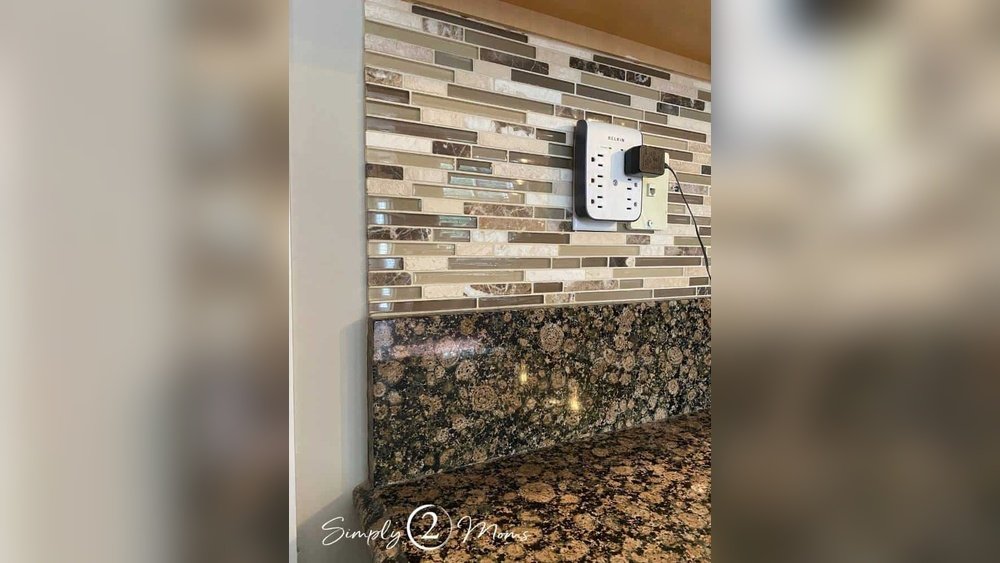
Removing a mosaic tile backsplash can feel like a big project, but with the right approach, you can get it done safely and efficiently. Whether you want to update your kitchen or bathroom, or repair damaged tiles, removing mosaic tiles yourself can save money and let you control the process. Many homeowners try to do this job, but they often face common problems such as stubborn adhesive, wall damage, or leftover grout. This article will walk you through every step, from preparation to cleanup, so you finish with a wall that’s ready for a new look. Along the way, you’ll learn how to avoid mistakes and get professional results, even if you’re a beginner.
Understanding Mosaic Tile Backsplash
Before you begin, it’s important to know what makes mosaic tile backsplash unique. Mosaic tiles are usually small pieces of glass, ceramic, or stone, often glued to a mesh sheet. They are set with grout and a strong adhesive, making them beautiful but sometimes tricky to remove.
There are a few reasons you might want to take them out:
- Outdated style: Your kitchen or bathroom may need a fresh look.
- Damaged tiles: Cracked or missing tiles can make the space look worn.
- Preparation for renovation: New appliances or cabinets may require wall changes.
Many people overlook how different materials (like glass vs ceramic) and installation methods (mesh-backed vs individually set) can affect removal. For example, glass mosaic tiles are more likely to break into sharp pieces. If your backsplash was installed with thin-set mortar, it will be harder to remove than one installed with mastic adhesive.
Tools And Materials Needed
Having the right tools is crucial for a smooth removal. Beginners often try to use whatever is at hand, but using proper tools saves time and reduces wall damage.
Essential tools:
- Utility knife – For scoring caulk and cutting mesh backing.
- Hammer and putty knife – To pry off tiles gently.
- Small pry bar – For stubborn tiles or large sections.
- Oscillating tool or multi-tool – For cutting through grout or stubborn adhesive.
- Gloves and safety goggles – To protect your hands and eyes from sharp shards.
- Dust mask – To avoid inhaling dust or debris.
- Drop cloths or plastic sheeting – To cover counters and floors.
- Painter’s tape – To secure covers and protect edges.
- Bucket and sponge – For cleaning up grout dust.
- Scraper or putty knife – To remove remaining adhesive.
Materials:
- Heavy-duty trash bags for debris
- Mild soap and water for final clean-up
- Replacement drywall compound, if wall repairs are needed
Pro tip: An oscillating tool can save hours, especially with strong adhesives or old grout.
Preparing The Workspace
Preparation is often rushed or skipped, but it’s essential for safety and a good result.
- Turn off power to outlets and switches on the backsplash wall at the breaker box. Removing tiles can expose wires.
- Remove all items from counters, including small appliances, utensils, and decorations.
- Cover countertops and floors with drop cloths or plastic sheeting. Secure with painter’s tape.
- Tape around cabinets and walls to protect surfaces from scratches.
- Ventilate the area by opening windows or using a fan.
- Wear gloves, goggles, and a mask before you start.
Non-obvious insight: If you have under-cabinet lighting or any electrical outlets, remove their covers and tape over the openings to block dust and tile shards from getting inside. Many homeowners forget this, leading to electrical problems later.
Removing Caulk And Grout
The first physical step is removing the caulk and grout around the edges of your backsplash. These act as a seal and hold tiles in place.
- Score the caulk: Use a utility knife to cut along the edge where the backsplash meets the countertop, walls, or cabinets.
- Scrape away caulk: Pull out the loose caulk with the knife or a putty knife.
- Remove grout: Use a grout saw, oscillating tool, or utility knife to cut along the grout lines. Focus on the outer edges first, as this will make it easier to get under the tiles.
- Vacuum dust: Clean up grout dust as you go to keep the area tidy.
Non-obvious insight: Removing grout first reduces the risk of damaging the drywall underneath. Many people try to pry off tiles without clearing grout, leading to large chunks of wall coming off with the tiles.
Removing The Mosaic Tiles
This is the core step, and patience is key. Work slowly to avoid unnecessary wall damage.
Method 1: Individual Tile Removal
For small sections or repairs, remove tiles one at a time.
- Start at a loose or edge tile: If any tiles are already cracked or loose, begin there.
- Insert putty knife: Slide a putty knife or chisel under the edge of the tile at a shallow angle.
- Tap gently: Use a hammer to gently tap the handle, loosening the tile from the adhesive.
- Work slowly: Move the tool farther under as the tile loosens. Continue until the tile pops free.
- Repeat: Move on to adjacent tiles, working from an open edge.
Tip: If tiles are stubborn, use an oscillating tool to cut through the adhesive from behind. This tool is especially useful for glass tiles, which can shatter if pried too hard.
Method 2: Sheet Or Large Section Removal
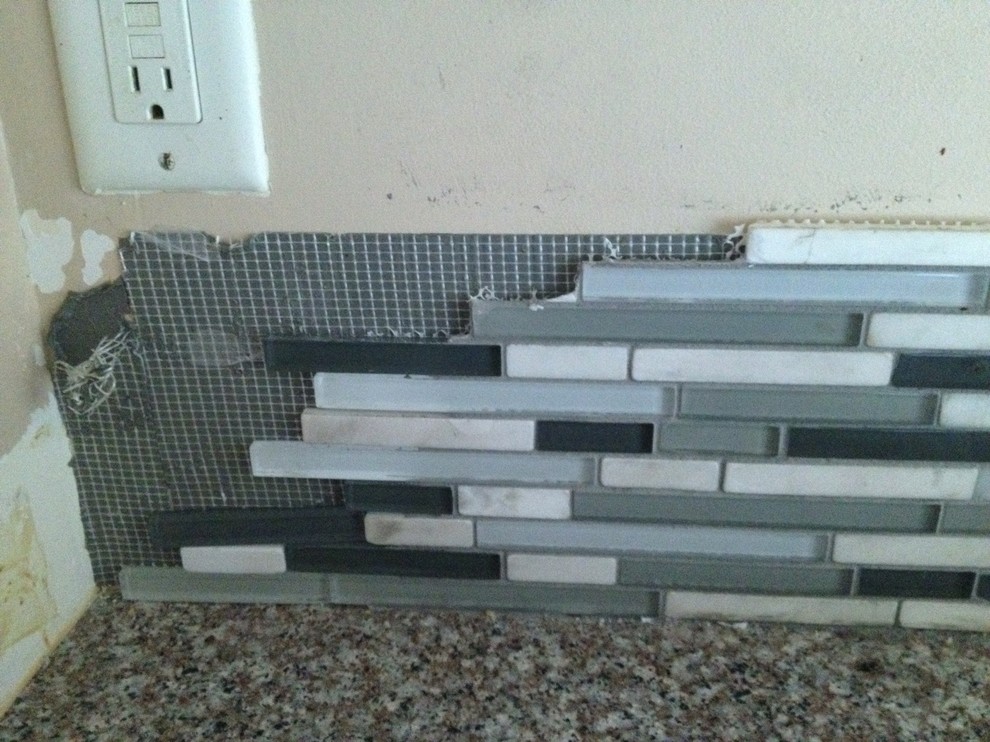
If the mosaic tiles are installed in sheets (mesh backing), you can often remove several tiles at once.
- Find a seam: Look for a joint between sheets.
- Cut mesh backing: Use a utility knife to slice through mesh if needed.
- Pry under sheet: Insert a putty knife or pry bar under the edge of the sheet.
- Loosen with gentle pressure: Rock the tool back and forth, applying slow, steady pressure.
- Continue along the wall: Work in sections, removing mesh-backed sheets as you go.
Pro tip: If the adhesive is very strong, spraying a little warm water on the wall can soften it. Wait 10-15 minutes, then try prying again.
Removing Stubborn Tiles And Adhesive
Some tiles may be stuck with thin-set mortar or other strong adhesives. These require more effort.
- Use an oscillating tool with a scraper blade to cut through the adhesive behind the tile.
- For old or thick adhesive, you may need a small pry bar and more force.
- If tiles break, be careful of sharp edges. Wear gloves and clean up shards right away.
Practical example: If your kitchen backsplash was installed in the 1990s, it may have a thick layer of mastic or thin-set. These adhesives can be rock-hard, and you may need to switch between a putty knife and a multi-tool for best results.
Dealing With Wall Damage
No matter how careful you are, some drywall or plaster damage is likely. Here’s how to handle it:
- Remove leftover adhesive: Use a scraper, putty knife, or oscillating tool to remove adhesive lumps.
- Assess the wall: Check for gouges, holes, or torn drywall paper.
- Small holes or gouges: Fill with lightweight joint compound using a putty knife.
- Torn drywall paper: Seal with a special drywall sealer or primer to prevent bubbling when repainting or re-tiling.
- Large damage: For large holes or crumbling areas, cut out the damaged section and patch with new drywall.
Important: Let all repairs dry completely before sanding. Sand smooth, wipe away dust, and prime before installing new backsplash.
Common mistake: Some people install new tiles right away, trapping moisture or causing uneven surfaces. Always let repairs cure fully to avoid future issues.

Credit: www.youtube.com
Cleaning Up After Removal
After the tiles are off, it’s time for a thorough cleanup.
- Sweep or vacuum debris from counters, floors, and inside cabinets.
- Wipe walls with a damp sponge to remove remaining dust and adhesive residue.
- Dispose of tiles and debris in heavy-duty trash bags. Check if your local recycling program accepts ceramic or glass tiles.
- Remove protective coverings from counters and appliances.
If you plan to paint or install a new backsplash, make sure the wall is completely clean and dry.
Comparing Adhesive Types And Their Removal Difficulty
The type of adhesive used under your mosaic tile backsplash affects how hard removal will be. Here’s a comparison:
| Adhesive Type | Ease of Removal | Common Locations | Removal Tools Needed |
|---|---|---|---|
| Mastic | Easy to Moderate | Modern kitchens, bathrooms | Putty knife, scraper |
| Thin-set Mortar | Moderate to Difficult | Older installations, stone tiles | Oscillating tool, pry bar |
| Epoxy Adhesive | Very Difficult | Commercial spaces, high-moisture areas | Oscillating tool, heat gun, scraper |
Practical advice: If you don’t know which adhesive was used, start with a putty knife. If it doesn’t budge, switch to an oscillating tool.
Wall Recovery: Preparing For A New Finish
After removing the backsplash, your wall may need some attention before it’s ready for a new finish. Here’s how to get it in top shape:
- Sand the wall: Use medium-grit sandpaper to smooth any leftover bumps or rough spots.
- Patch holes and gouges: Apply joint compound with a putty knife. Allow to dry, then sand smooth.
- Prime the surface: Use a quality wall primer, especially if drywall paper was torn.
- Check for flatness: Lay a straightedge against the wall. If you see dips or bumps, apply more compound and sand again.
- Wipe down the wall: Remove all dust with a damp cloth.
Tip: If you plan to install new mosaic tiles, the wall doesn’t need to be perfect, but it must be flat and clean. For painting, a smoother finish is needed.
Common Mistakes To Avoid
Even experienced DIYers can make errors when removing a mosaic tile backsplash. Here are some pitfalls and how to avoid them:
- Skipping prep work: Not covering counters or taping edges leads to scratches and mess.
- Prying too hard: This can break large sections of drywall. Take your time.
- Not removing grout first: This makes tiles harder to pry off and increases wall damage.
- Ignoring safety gear: Flying shards can injure eyes and hands. Always use goggles and gloves.
- Rushing repairs: Installing new tiles or paint on wet or uneven walls causes long-term problems.
- Not checking for outlets or wires: You could damage wiring if you don’t turn off power and protect openings.
- Improper disposal: Mosaic tiles can be sharp and heavy. Bag and dispose of them safely.
Non-obvious insight: Always check for hidden water damage behind the backsplash, especially around sinks. If you find black spots or a musty smell, stop and inspect for mold before proceeding.

Credit: www.reddit.com
Cost, Time, And Effort: What To Expect
Many people underestimate the time and effort needed to remove a mosaic tile backsplash. Here’s a realistic overview:
| Backsplash Area Size | Estimated Time (DIY) | Typical Cost (Tools & Materials) | Skill Level |
|---|---|---|---|
| Small (5-10 sq ft) | 2-3 hours | $30-$75 | Beginner |
| Medium (10-20 sq ft) | 4-6 hours | $50-$150 | Beginner/Intermediate |
| Large (20+ sq ft) | 1-2 days | $100-$300 | Intermediate |
Professional removal can cost $250-$500 for labor alone, depending on the complexity. Doing it yourself saves money but requires patience and care.
Safety Precautions
Removing a mosaic tile backsplash can be messy and sometimes risky. Follow these safety tips:
- Wear gloves and goggles at all times.
- Use a mask to avoid inhaling dust and particles.
- Turn off electrical circuits to avoid shocks.
- Keep pets and children out of the work area.
- Work in good ventilation, especially if using adhesives or primers.
- Dispose of sharp tiles safely to avoid injury.
If you are not comfortable with power tools or find electrical or water damage, consider hiring a professional.
Credit: www.houzz.com
Reusing Or Recycling Old Mosaic Tiles
Many people toss old tiles in the trash, but some can be reused or recycled.
- Reuse for crafts: Broken tiles can become garden mosaics, coasters, or artwork.
- Recycle: Check with your local recycling center if they accept ceramic, glass, or stone tiles.
- Donation: Habitat for Humanity or local reuse centers might accept whole tiles.
Example: One homeowner created a unique outdoor tabletop using leftover mosaic pieces.
Tips For A Smooth Removal Process
- Work in small sections: Don’t try to remove the entire backsplash at once.
- Keep tools sharp: Dull blades make removal harder.
- Have a helper: A second person can hold a vacuum or bucket for debris.
- Label removed outlet covers: Makes re-installation easier.
- Take breaks: Removing tiles is tiring and can strain your hands and wrists.
Comparing Diy Vs Hiring A Professional
Should you remove your mosaic tile backsplash yourself or hire a pro? Here’s a side-by-side look:
| Aspect | DIY | Professional |
|---|---|---|
| Cost | Low (Tools only) | High (Labor + Tools) |
| Time | Longer (4-12 hours+) | Short (2-4 hours) |
| Quality | Depends on skill | Consistent, expert finish |
| Wall Damage Risk | Higher for beginners | Lower |
| Safety | Personal responsibility | Professionals handle hazards |
If you value time and a perfect finish, a professional may be best. For those willing to learn and save, DIY is very achievable with care.
When To Call A Professional
While most backsplashes can be removed by homeowners, call a pro if:
- You discover mold, water damage, or asbestos behind the tiles.
- The backsplash is made of heavy stone or thick glass.
- There are complex electrical or plumbing obstacles.
- You want a guaranteed wall finish for resale value.
Pro tip: Get a written estimate before hiring. Ask about wall repair and cleanup.
Preparing For The Next Step
Once the mosaic tile backsplash is gone and the wall is smooth, you can:
- Install new tile (ceramic, glass, stone, or peel-and-stick).
- Paint the wall for a fresh look.
- Add waterproof panels or other creative finishes.
Make sure the wall is dry, clean, and level before starting your next project.
Frequently Asked Questions
How Long Does It Take To Remove A Mosaic Tile Backsplash?
Most small to medium backsplashes take 3 to 6 hours for a DIYer, including prep and cleanup. Large or stubborn installations can take a full day. Professionals may finish in 2-4 hours.
Can I Remove Mosaic Tiles Without Damaging The Drywall?
It’s possible, but some minor damage is almost always expected. Careful grout removal, using the right tools, and working slowly reduces the risk. Be ready for some wall repairs.
What Should I Do If I Find Mold Or Water Damage Behind The Backsplash?
Stop work immediately. Mold can be hazardous to your health. Wear a mask, ventilate the area, and contact a professional for safe removal and repair. Do not cover up mold without treating it.
Are There Any Eco-friendly Ways To Dispose Of Old Mosaic Tiles?
Yes. Reuse broken tiles for crafts, donate undamaged tiles, or check with your local recycling center for tile recycling programs. Some organizations accept used building materials.
What’s The Best Way To Prepare The Wall For New Tile After Removal?
Clean thoroughly, repair all damage, sand smooth, and prime the wall. Make sure the surface is dry and flat before applying new tile adhesive or paint.
For more tips on mosaic tile removal and wall repair, visit the Family Handyman Guide.
Removing a mosaic tile backsplash is a project most homeowners can handle with the right tools, knowledge, and patience. By following each step carefully, you’ll be ready to update your space with confidence, knowing your wall is solid and your results will last.