
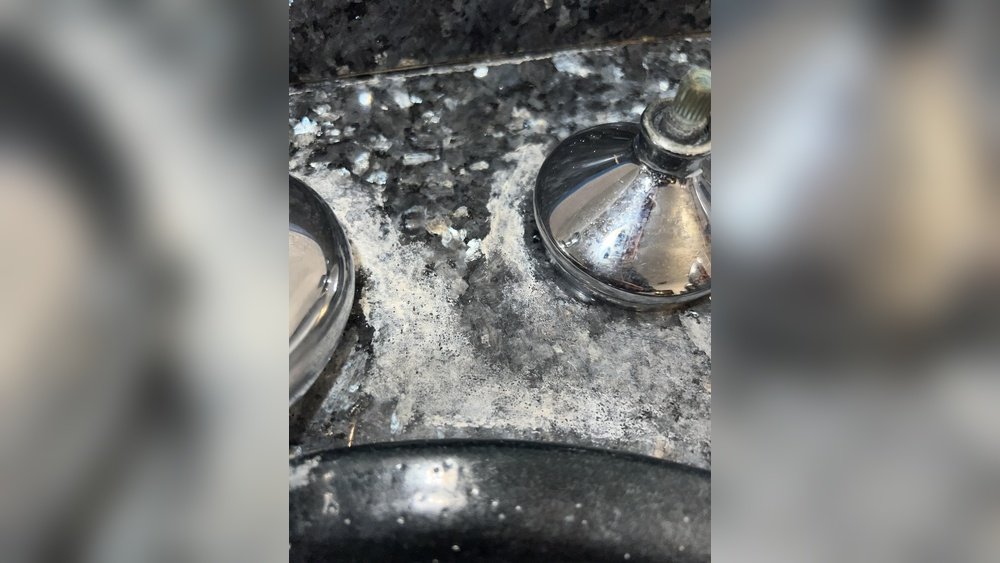
Granite countertops and surfaces bring a unique beauty and durability to homes, but they are not immune to problems. One of the most frustrating issues is the appearance of calcium deposits—those white, chalky stains that seem to appear out of nowhere. These spots can make even the most expensive granite look dull and dirty. Many homeowners worry that cleaning them could cause damage or make things worse. The good news is that with the right approach, you can safely remove calcium deposits and restore your granite’s shine. This guide will explain why these deposits form, how to remove them step by step, what products to use (and avoid), and how to keep your granite free from future build-up. Whether you’re dealing with a single stubborn spot or widespread haze, you’ll find clear solutions here.
Understanding Calcium Deposits On Granite
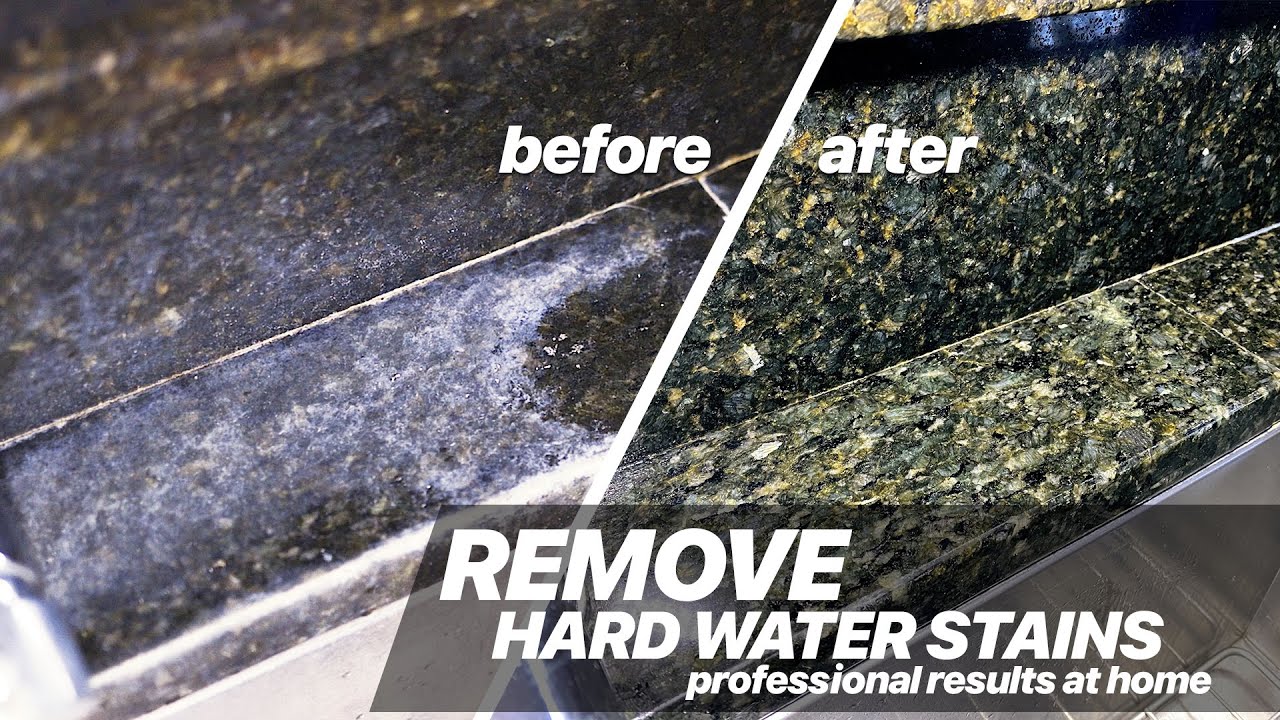
Before you start cleaning, it’s important to know what you’re dealing with. Calcium deposits (sometimes called limescale or mineral buildup) are usually white or gray and feel rough or chalky. They form when hard water dries on the surface, leaving behind minerals like calcium and magnesium. Over time, these deposits can become thick, making granite look cloudy or stained.
Granite itself isn’t affected by water, but the minerals left behind can bond to the surface, especially if the sealant is old or missing. In kitchens, you’ll often see deposits near sinks or under leaky faucets. In bathrooms, they can show up around vanities or shower ledges.
If ignored, these spots can get worse and even etch the granite.
Two insights most people miss: First, repeated use of harsh chemicals can strip away granite sealant, making future deposits stick even faster. Second, some “quick fix” products can actually scratch the surface, causing permanent dullness.
What You Need To Remove Calcium Deposits
Having the right tools and materials is key to safe and effective cleaning. Here’s what you’ll need:
- Soft microfiber cloths – These won’t scratch granite.
- Plastic or silicone scraper – For lifting tough deposits.
- PH-neutral stone cleaner – Designed for granite.
- Distilled white vinegar (only for stubborn spots—not for frequent use).
- Baking soda – For gentle abrasion.
- Spray bottle – To apply cleaning solutions.
- Warm water – For rinsing.
- Rubber gloves – To protect your hands.
- Granite sealer (optional) – To reseal after cleaning.
Avoid steel wool, abrasive pads, or acidic cleaners meant for bathrooms or tiles. These can etch or dull granite permanently.
Step-by-step Guide: Removing Calcium Deposits From Granite
This process is safe for most sealed granite surfaces. If you’re unsure whether your granite is sealed, do a quick test: drop a few drops of water on the surface. If it beads up, the seal is good. If it soaks in and darkens the granite, resealing is needed after cleaning.
Step 1: Dry Wipe The Surface
Start by wiping away dust and loose debris with a dry microfiber cloth. This prevents grit from scratching the surface during cleaning.
Step 2: Use Warm Water And Stone Cleaner
Spray a pH-neutral stone cleaner or warm water on the affected area. Let it sit for 1-2 minutes. Wipe with a clean microfiber cloth, using a gentle, circular motion. For light deposits, this may be enough.
Step 3: Tackle Stubborn Deposits With Baking Soda
Mix a paste of baking soda and water (about 3 parts baking soda to 1 part water). Spread the paste over the calcium spots. Let it sit for 10–15 minutes. This softens the mineral buildup without harming granite.
Using your cloth or a plastic scraper, gently lift the deposits. Do not use force—let the baking soda do the work.
Step 4: Use Vinegar With Caution
For thick or very stubborn calcium buildup, you can use distilled white vinegar, but only for a short time. Vinegar is acidic and can damage granite if left too long, so always test in a small, hidden area first.
Spray or dab a small amount of vinegar onto the deposit. Let it fizz for no more than 30 seconds. Immediately rinse with plenty of water and wipe dry. Follow up with your stone cleaner to neutralize any acid.
Step 5: Rinse And Dry Thoroughly
After cleaning, rinse the area with clean water and dry with a microfiber cloth. Leaving water on the surface can cause new deposits to form.
Step 6: Reseal If Needed
If your granite’s sealant was old or damaged, apply a granite sealer according to the manufacturer’s instructions. This helps prevent future mineral buildup.
Common Mistakes To Avoid
Many homeowners make the problem worse by using the wrong products or techniques. Here are the most common mistakes:
- Using harsh acids (like lemon, vinegar, or bathroom descalers) for long periods. These can etch granite.
- Scrubbing with steel wool or abrasive pads. This scratches and dulls the surface.
- Leaving cleaning solutions to dry on granite, which can cause streaking or etching.
- Ignoring the need to reseal after aggressive cleaning.
- Using hard tap water for rinsing, which can add more minerals.
A non-obvious tip: Always use distilled water for the final rinse if your tap water is hard. This prevents new spots from forming.

Credit: www.youtube.com
Homemade Vs. Commercial Cleaners: What Works Best?
There’s a lot of debate about whether homemade or commercial cleaners are best for granite. Here’s a quick comparison:
| Cleaner Type | Pros | Cons | Best Use |
|---|---|---|---|
| Homemade (Baking Soda, Vinegar) | Cheap, easy to find, gentle when used right | Vinegar can damage granite if overused | Occasional spot cleaning |
| Commercial Stone Cleaner | Safe for granite, pH-balanced, convenient | More expensive, may contain unnecessary fragrances | Regular cleaning, large areas |
| Harsh Bathroom/Tub Descalers | Quickly dissolves minerals | Can etch and damage granite permanently | Never recommended for granite |
For most people, a pH-neutral stone cleaner is the safest option. Homemade baking soda paste is great for small areas. Avoid bathroom descalers altogether.
How To Prevent Calcium Deposits On Granite
Prevention is much easier than removal. Here are proven strategies to keep your granite spotless:
- Wipe up water immediately, especially around sinks and faucets.
- Use a squeegee or towel after using the counter or vanity.
- Fix any leaky faucets—slow drips cause buildup.
- Clean with a pH-neutral stone cleaner weekly.
- Reseal granite every 6–12 months, or as recommended.
- Use distilled water for final rinsing if your tap water is hard.
A tip most homeowners miss: placing a tray or mat under soap dispensers and toothbrush holders can catch drips and prevent rings.
When To Call A Professional
Sometimes, calcium deposits are too thick, or the granite is already etched or stained. Here’s when to consider a pro:
- The deposit feels hard and thick, and won’t budge with baking soda or gentle scraping.
- You see dull patches, pitting, or “cloudy” spots that don’t go away after cleaning.
- The granite is in a high-value area (like a kitchen island) and you don’t want to risk damage.
Professional stone restorers have special tools and polishing compounds that can restore the finish without risk. The cost depends on the size of the area and the severity of the damage, but it’s often worth it for expensive granite.
Granite Vs. Other Surfaces: How Does Calcium Removal Compare?
People often ask how cleaning granite compares to cleaning other materials like marble, quartz, or tile. Here’s a quick look:
| Surface Type | Reaction to Acid | Best Cleaning Method | Risk of Damage |
|---|---|---|---|
| Granite | Moderate—can etch with strong acid | Baking soda paste, stone cleaner | Scratching, dullness if abused |
| Marble | High—very sensitive to acid | Only pH-neutral cleaners | Etching, permanent stains |
| Quartz | Low—resists acid, but can discolor | Mild dish soap, water | Discoloration if harsh chemicals used |
| Ceramic Tile | Low—can handle strong cleaners | Vinegar, commercial descalers | Usually safe, but grout can erode |
Granite is tougher than marble but not as resistant as tile or quartz. That’s why you need a gentle, targeted approach.
Credit: www.reddit.com
Products To Avoid On Granite
Many products look safe but can actually harm granite. Here are some to keep away from your countertops:
- Bleach – Strips sealant, can discolor granite.
- Ammonia – Damages surface, causes dullness.
- Lemon or citrus cleaners – Acidic, may etch.
- Vinegar (for daily cleaning) – Occasional spot use is okay, but not for regular cleaning.
- Bathroom tile cleaners – Contain acids or abrasives.
- Magic erasers – Micro-abrasive and can scratch.
A surprising mistake: Even some “natural” cleaners marketed as safe for stone contain lemon or vinegar. Always read the label.
How To Test A New Cleaner On Granite
Whenever you try a new product (even if it says “safe for granite”), test it first. Here’s how:
- Find a hidden spot, like under an appliance or behind the faucet.
- Apply a small amount of the cleaner.
- Wait for 5–10 minutes.
- Rinse and dry.
- Check for color change, dullness, or residue.
If there’s no effect, it’s safe to use on the rest of the surface.
Credit: www.youtube.com
Dealing With Special Situations
Some calcium stains are trickier than others. Here’s how to handle a few common challenges.
Around Faucets And Fixtures
These deposits are often thick and hard to reach. Remove the faucet aerator if possible, and use a plastic scraper plus baking soda paste. Wrap the area with a cloth soaked in the paste, wait, and scrape gently.
In Textured Or Pitted Granite
Deposits may hide in tiny holes. Use a soft brush (like an old toothbrush) with the baking soda paste. Avoid metal brushes. Rinse well and dry.
On Black Or Dark Granite
White stains show up more on dark stone. Be extra careful with vinegar—test on a hidden spot, and rinse immediately to avoid discoloration.
Resealing Granite: Why And How
Granite sealant is your best defense against future calcium buildup. Here’s a simple process:
- Clean the surface thoroughly and let dry.
- Apply granite sealer evenly with a cloth or sponge.
- Wait for the recommended time (usually 10–15 minutes).
- Wipe off excess with a clean cloth.
- Buff the surface for a smooth finish.
Sealants last from 6 months to 3 years, depending on use and product. Check every few months by dropping water on the surface—if it soaks in, reseal.
What If The Stain Won’t Come Out?
Sometimes, calcium deposits leave behind etch marks or ghostly stains. If regular cleaning doesn’t work:
- Try a granite polishing powder, following the instructions carefully.
- For deep etching, you may need a professional to re-polish the area.
- Never try to sand or grind granite yourself—this requires special tools and experience.
Real-life Example: A Kitchen Makeover
Imagine a family kitchen with beautiful granite counters around the sink. Over several years, slow leaks created thick white calcium rings. The owners tried scrubbing with sponges and even used a bathroom descaler—this made the surface dull and rough.
A stone expert used the baking soda method, followed by gentle polishing and resealing. The calcium was gone, and the shine returned. The key lesson: patience and the right products restore granite safely.
Environmental Impact Of Cleaners
Many household cleaners contain chemicals that can harm the environment when washed down the drain. Using baking soda and pH-neutral stone cleaners reduces pollution and is safer for your home. For more on green cleaning, see the EPA’s Safer Choice program.
Long-term Maintenance Tips
Keeping granite free of calcium deposits is an ongoing process. Here are five long-term habits that make a big difference:
- Dry surfaces daily after use.
- Clean spills quickly.
- Check and reseal granite regularly.
- Use only stone-safe cleaners.
- Teach all household members the basics—most damage comes from guests or children using the wrong products.
An insight many miss: Keeping a spray bottle of distilled water and a clean microfiber cloth near the sink makes it easy to wipe up water before it dries.
Frequently Asked Questions
What Causes Calcium Deposits To Form On Granite?
Calcium deposits form when hard water dries on granite, leaving behind minerals like calcium and magnesium. This is most common around sinks, faucets, or anywhere water is used frequently and left to dry on the surface.
Can Vinegar Be Used To Clean Granite Regularly?
No. While vinegar can help with tough calcium spots if used carefully, regular use can damage granite by eating away the sealant and causing dullness or etching. Use only for spot cleaning, and rinse immediately.
How Often Should Granite Be Resealed?
Granite should be resealed every 6–12 months in most homes, or sooner if you notice water soaking in instead of beading. Heavy use areas may need more frequent sealing.
What Should I Do If The Deposit Won’t Come Off?
If a calcium deposit remains after trying baking soda paste and gentle scraping, avoid using stronger chemicals. Instead, consult a professional stone restorer—they have tools and products that can remove tough buildup without damaging your granite.
Are There Any Cleaning Products That Should Never Be Used On Granite?
Yes. Avoid bleach, ammonia, lemon-based cleaners, bathroom descalers, and abrasive pads or powders. These can etch, dull, or discolor granite, sometimes permanently.
Granite surfaces are an investment worth protecting. By understanding the right methods, avoiding common mistakes, and following regular maintenance, you can keep your countertops and vanities looking flawless for years to come. Removing calcium deposits is mostly about gentle persistence, the right products, and a little bit of patience—the results are well worth the effort.