
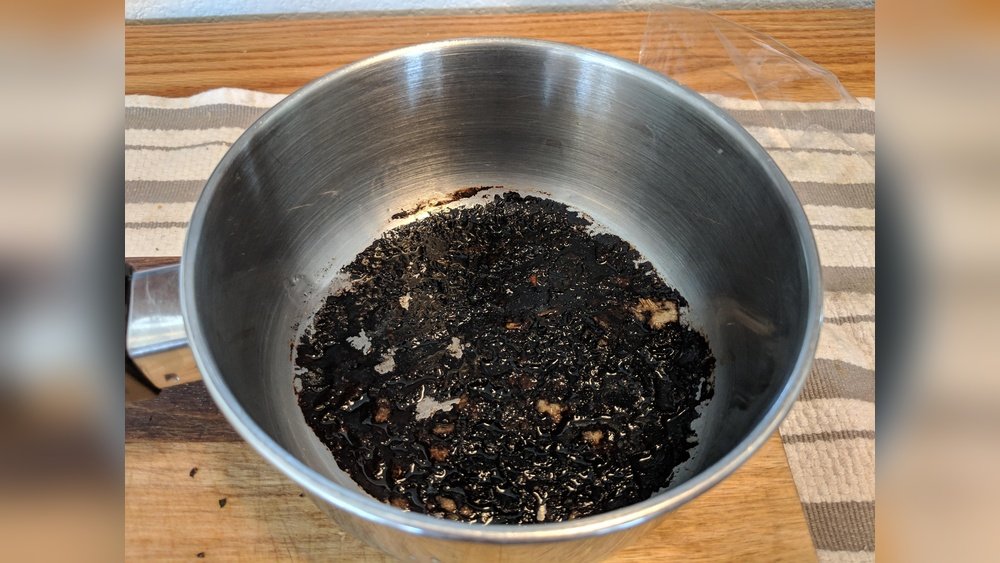
If you’ve ever made caramel or candied nuts, you know burnt sugar can stick to your pan like glue. The sweet, dark mess turns hard and stubborn, making your favorite cookware look ruined. But don’t panic or reach for harsh chemicals just yet.
With the right methods and a little patience, you can bring your pan back to life—no matter how tough the burnt sugar seems.
This guide will walk you step-by-step through proven ways to remove burnt sugar from pans. Whether you’re dealing with stainless steel, nonstick, or cast iron, you’ll find techniques that work. You’ll also learn why burnt sugar is so hard to clean, what tools make the job easier, and how to prevent this sticky disaster next time.
By the end, you’ll know exactly how to tackle burnt sugar and keep your kitchen gear shining.
Why Burnt Sugar Sticks So Hard
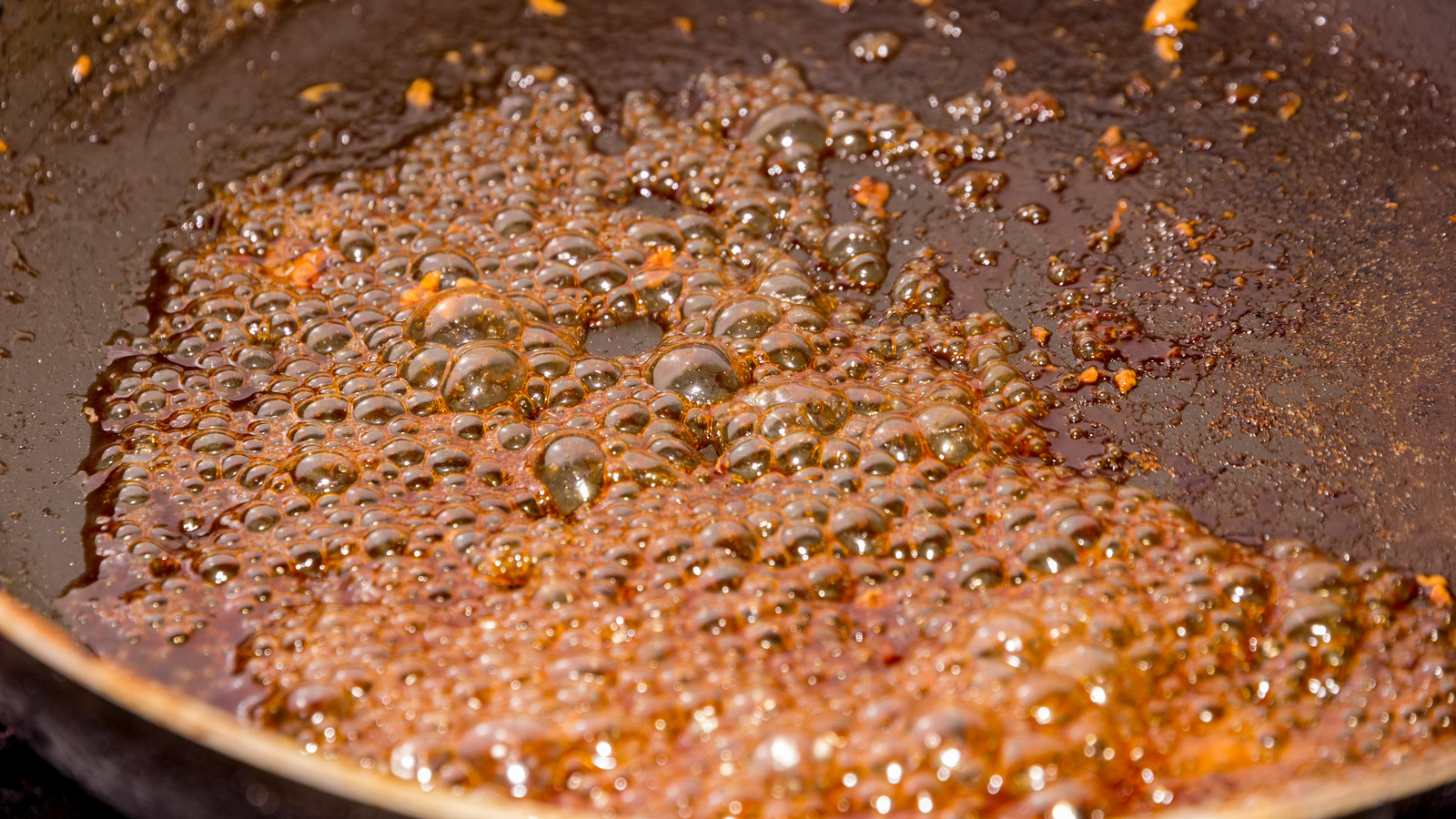
Burnt sugar is more than just a cooking mistake. When sugar heats up past a certain point, it caramelizes, then burns, turning into a thick, black crust. This crust forms a chemical bond with the pan surface. Unlike food residue, it doesn’t just dissolve in water. Caramelized sugar becomes almost like glue, especially on metal pans. It’s tough, sticky, and resistant to scrubbing.
Certain pans—like stainless steel or enamel-coated—are more prone to burnt sugar sticking. Nonstick pans, while easier, can still get a stubborn layer if overheated. Knowing why sugar bonds to your pan helps you understand why regular cleaning isn’t enough.
Essential Tools And Materials
Before you start, gather a few basic supplies. Having the right tools makes a big difference:
- Hot water: The first step in loosening burnt sugar.
- Dish soap: Needed for breaking down oils and sticky residue.
- Baking soda: A mild abrasive and deodorizer.
- Vinegar: Helps dissolve burnt sugar chemically.
- Plastic or silicone scraper: Prevents scratching the pan.
- Steel wool or scrubbing pad: For tough pans only.
- Soft cloth or sponge: For gentle cleaning.
- Boiling kettle or microwave: Useful for heating water.
- Gloves: Protect your hands from hot water and scrubbing.
Having these supplies ready saves time and prevents damage to your cookware.

Credit: www.youtube.com
Step-by-step Methods To Remove Burnt Sugar
Different pans need different care. Let’s explore methods for all types of cookware.
Method 1: The Simple Soak
For mild burnt sugar, soaking is often enough.
- Fill the pan with hot water—almost to the top.
- Add dish soap—about a tablespoon.
- Let the pan soak for at least 2 hours. Overnight is even better.
- Use a plastic scraper to gently loosen the sugar. Don’t use metal tools on nonstick or delicate pans.
- Rinse and repeat if needed.
Soaking works best on nonstick and enamel pans. For cast iron, avoid soap—just use hot water.
Method 2: Boiling Water Technique
If soaking doesn’t work, boiling water helps soften burnt sugar.
- Add enough water to cover the burnt area.
- Place the pan on the stove and bring to a boil.
- Reduce heat and let it simmer for 10–15 minutes.
- Use a wooden spoon or silicone spatula to scrape gently.
- Pour out the water and check the residue.
Boiling loosens the sugar, making it easier to remove. This method is safe for most pans except those with plastic handles.
Method 3: Baking Soda Paste
Baking soda is a gentle abrasive that lifts burnt sugar without scratching.
- Mix 3 tablespoons of baking soda with a little water to form a paste.
- Spread the paste over the burnt sugar.
- Let it sit for 30–60 minutes.
- Scrub with a non-abrasive pad or sponge.
- Rinse thoroughly.
This method works well on stainless steel and ceramic pans. It also helps neutralize lingering odors.
Method 4: Vinegar Solution
Vinegar’s acidity breaks down burnt sugar.
- Pour 1 cup of vinegar into the pan.
- Add 2 cups of water.
- Heat until simmering, then turn off the stove.
- Let it sit for 30 minutes.
- Scrub gently with a soft pad.
Vinegar is especially effective for deep caramel stains. It’s also safe for most cookware types.
Method 5: Lemon And Salt Scrub
Lemon’s acid and salt’s grit make a strong cleaning combo.
- Cut a lemon in half.
- Sprinkle coarse salt on the burnt area.
- Rub the lemon over the sugar, squeezing juice as you scrub.
- Let sit for 15–20 minutes.
- Rinse and wipe clean.
This method is ideal for stainless steel and glass pans. It leaves a fresh scent, too.
Method 6: Commercial Cleaners
If home remedies fail, use a specialty cleaner.
- Look for products labeled safe for cookware.
- Follow instructions carefully.
- Avoid harsh chemicals on nonstick or cast iron.
Commercial cleaners are powerful, but always test a small area first.
Method 7: Steam Cleaning
Steam loosens burnt sugar without harsh scrubbing.
- Add water to the pan and place a lid.
- Heat until steam forms for 5–10 minutes.
- Remove from heat and let cool slightly.
- Wipe away loosened sugar with a cloth.
Steam cleaning is gentle and works well for light caramel burns.
Method 8: Aluminum Foil Ball
For tough pans, aluminum foil is a safe abrasive.
- Crumple a piece of aluminum foil into a ball.
- Use it to gently scrub burnt sugar.
- Be careful—foil can scratch nonstick surfaces.
Aluminum foil is best for stainless steel pans.
Method 9: Dishwasher (for Dishwasher-safe Pans)
If the pan is dishwasher-safe, try a deep clean cycle.
- Place the pan on the bottom rack.
- Use a heavy-duty cleaning cycle.
- Check after washing—repeat if needed.
This method isn’t effective for all pans, but can help with mild burns.
Method 10: Cast Iron Care
Cast iron needs special attention.
- Fill with hot water, no soap.
- Scrub gently with a stiff brush.
- If needed, boil water in the pan for 10 minutes.
- Dry thoroughly and re-season with oil.
Never soak cast iron too long or use soap—it can damage the seasoning.
Method 11: Enamel-coated Pan Cleaning
Enamel is delicate. Avoid strong abrasives.
- Try soaking and baking soda paste first.
- Avoid steel wool or harsh scrubbing pads.
- Use gentle motions and soft cloths.
Enamel pans can chip easily if handled roughly.
Method 12: Nonstick Pan Caution
Nonstick coatings are sensitive.
- Use hot water and dish soap only.
- Avoid baking soda or abrasives.
- Scrub with a soft sponge.
- Never use metal tools.
If burnt sugar won’t budge, soak and repeat rather than force.
Method 13: Removing Burnt Sugar From Glass Cookware
Glass pans are less porous but can still get burnt sugar.
- Soak in hot water and dish soap.
- Use a plastic scraper.
- Apply baking soda paste if needed.
Glass is tough, but avoid scratching.
Method 14: Deep Cleaning For Severe Burns
For thick, black burnt sugar, combine methods.
- Boil water in the pan.
- Add vinegar and baking soda.
- Let it fizz and soak for 1 hour.
- Scrape gently, repeating as needed.
Severe burns may need multiple rounds of cleaning.
Method 15: Prevention Tips
Avoid burnt sugar disasters by following these steps:
- Use medium heat when cooking sugar.
- Stir constantly to avoid hot spots.
- Choose pans with heavy bottoms for even heating.
- Don’t leave pans unattended.
- If sugar starts to burn, remove from heat immediately.
Preventing burnt sugar is easier than removing it.
Comparing Methods: Effectiveness And Safety
Choosing the right method depends on your pan type and how badly the sugar is burnt. Here’s a comparison to help you decide:
| Method | Effectiveness | Safety | Recommended For |
|---|---|---|---|
| Soaking | Moderate | Very Safe | All pan types |
| Boiling Water | High | Safe | Stainless, cast iron |
| Baking Soda Paste | High | Safe | Metal, ceramic |
| Vinegar Solution | High | Safe | Stainless, enamel |
| Lemon & Salt | Moderate | Safe | Stainless, glass |
| Commercial Cleaner | Very High | Varies | Stainless, glass |
| Steam Cleaning | Low | Safe | Nonstick, enamel |
| Aluminum Foil Ball | High | Moderate | Stainless |
For nonstick pans, always choose the gentlest methods. For stainless steel or cast iron, you can use more abrasive techniques.
How Long Does It Take To Remove Burnt Sugar?
The time needed depends on the thickness of the burnt sugar and the method used. Here’s a quick estimate:
| Method | Approximate Time | Best For |
|---|---|---|
| Soaking | 2–12 hours | Mild burns |
| Boiling Water | 15–30 minutes | Moderate burns |
| Baking Soda Paste | 30–60 minutes | Sticky residue |
| Vinegar Solution | 30–60 minutes | Deep caramel stains |
| Lemon & Salt | 20–40 minutes | Light burns |
| Commercial Cleaner | 10–60 minutes | Heavy burns |
| Steam Cleaning | 10–20 minutes | Light residue |
| Aluminum Foil Ball | 20–40 minutes | Stubborn burns |
Severe burns may require repeating these steps for best results.
Common Mistakes And How To Avoid Them
Cleaning burnt sugar is tricky. Beginners often make mistakes that damage their pans or make cleanup harder. Here are some pitfalls to watch out for:
- Using metal scrapers on nonstick or enamel pans—causes scratches and ruins the finish.
- Applying strong chemicals—can react with pan material, causing discoloration.
- Soaking cast iron in soap—removes seasoning and leads to rust.
- Forcing burnt sugar off—can warp or dent the pan.
- Skipping soaking—makes scrubbing much harder.
- Using steel wool on delicate surfaces—damages pans permanently.
Always use gentle methods first and check pan instructions before cleaning.
Credit: www.foodrepublic.com
Non-obvious Insights: What Beginners Often Miss
Most people think burnt sugar is just a stain, but it’s actually a chemical layer. Here are two key insights:
- Sugar burns in layers. If you scrape hard, you may only remove the top layer, leaving another sticky layer beneath. Patience and repeated soaking are often needed.
- Water temperature matters. Lukewarm water won’t loosen burnt sugar. Use boiling water or very hot water for best results, but let pans cool before handling.
Another overlooked tip: If sugar burns on the sides of the pan, tilt and rotate during soaking to cover all surfaces.
How To Restore Pan After Cleaning
Even after removing burnt sugar, your pan may need extra care. Here’s how to restore it:
- Stainless steel: Polish with a bit of baking soda and water. Dry well to avoid water spots.
- Cast iron: Wipe with oil and bake at 350°F for 1 hour to re-season.
- Enamel: Use a soft cloth to shine and avoid harsh drying.
- Nonstick: Check for scratches—if coating is damaged, consider replacing.
Proper restoration keeps your pans lasting longer.
Preventing Burnt Sugar In The Future
Burnt sugar is often caused by rushing or multitasking in the kitchen. Here’s how to avoid it:
- Always use medium heat when melting sugar.
- Stir continuously and avoid distractions.
- Use a heavy-bottomed pan for better temperature control.
- If you see smoke or smell burning, remove from heat right away.
- Clean up spills immediately to prevent sticking.
These habits help you cook safely and keep your pans clean.
When To Replace Your Pan
Sometimes, burnt sugar leaves permanent marks or damages the pan. Here’s when to consider replacement:
- Deep scratches or chips in nonstick coating.
- Cracked or chipped enamel.
- Rust on cast iron that won’t go away.
- Warped pans that won’t sit flat.
Replacing damaged pans prevents health risks and makes cooking easier.
Environmental And Health Considerations
Many people worry about using chemicals or abrasive tools. Here’s what you should know:
- Avoid harsh cleaners—opt for natural methods like baking soda and vinegar.
- Don’t use bleach or strong acids—they can leave residues.
- Protect your hands with gloves, especially when scrubbing.
- Dispose of cleaning water responsibly.
Natural cleaning is safer for your family and the environment.
Real-life Example: Removing Burnt Sugar From A Stainless Steel Pan
Let’s walk through a real-world case:
Jane tried making caramel sauce but overheated the sugar. Her stainless steel pan was covered in thick, burnt sugar. She followed these steps:
- Filled the pan with hot water and dish soap; soaked overnight.
- Boiled water in the pan for 15 minutes.
- Made a baking soda paste and spread it over the burnt area.
- Scrubbed gently with a plastic scraper.
After two rounds, the pan was clean and shining. Jane learned to use lower heat and stir constantly next time.

Credit: www.reddit.com
Quick Reference Guide: Best Method For Your Pan Type
Here’s a handy reference for picking the right method:
| Pan Type | Recommended Method | Notes |
|---|---|---|
| Stainless Steel | Baking Soda Paste, Boiling Water | Safe for scrubbing |
| Cast Iron | Boiling Water, Stiff Brush | No soap, re-season after |
| Enamel-Coated | Soaking, Vinegar Solution | Avoid abrasives |
| Nonstick | Soaking, Gentle Sponge | No metal tools |
| Glass | Soaking, Baking Soda | Plastic scraper only |
Always check manufacturer instructions for your pan.
Frequently Asked Questions
What Is The Fastest Way To Remove Burnt Sugar From A Pan?
The quickest method is boiling water in the pan for 10–15 minutes. This softens the burnt sugar, making it easier to remove with a plastic scraper. For very tough burns, combining boiling water with baking soda paste speeds up cleaning.
Can Burnt Sugar Damage My Pan?
Yes, burnt sugar can cause discoloration, scratches, and even warp your pan if cleaned incorrectly. Using metal tools or harsh chemicals can ruin nonstick coatings and enamel. Always use gentle methods and check your pan’s care instructions.
Is It Safe To Use Vinegar And Baking Soda Together?
Yes, combining vinegar and baking soda creates a fizzing reaction that loosens burnt sugar. It’s safe for most pans except aluminum, which can react with vinegar. Always rinse thoroughly after cleaning to avoid residue.
How Can I Prevent Burnt Sugar In Future Cooking?
Use medium heat, stir constantly, and choose heavy-bottomed pans. Never leave sugar cooking unattended. If you smell burning, remove from heat immediately. These habits reduce the risk of burnt sugar.
What Should I Do If Burnt Sugar Won’t Come Off After Several Tries?
If home remedies fail, try a commercial cookware cleaner labeled safe for your pan. Avoid harsh abrasives or chemicals. For nonstick or enamel pans, consider replacing if damage is severe. For more guidance, visit Consumer Reports.
Removing burnt sugar from a pan may take patience, but with these proven steps and practical advice, your cookware can look—and cook—like new again. Remember, prevention is best, but even the worst burnt sugar can be conquered with the right approach.