
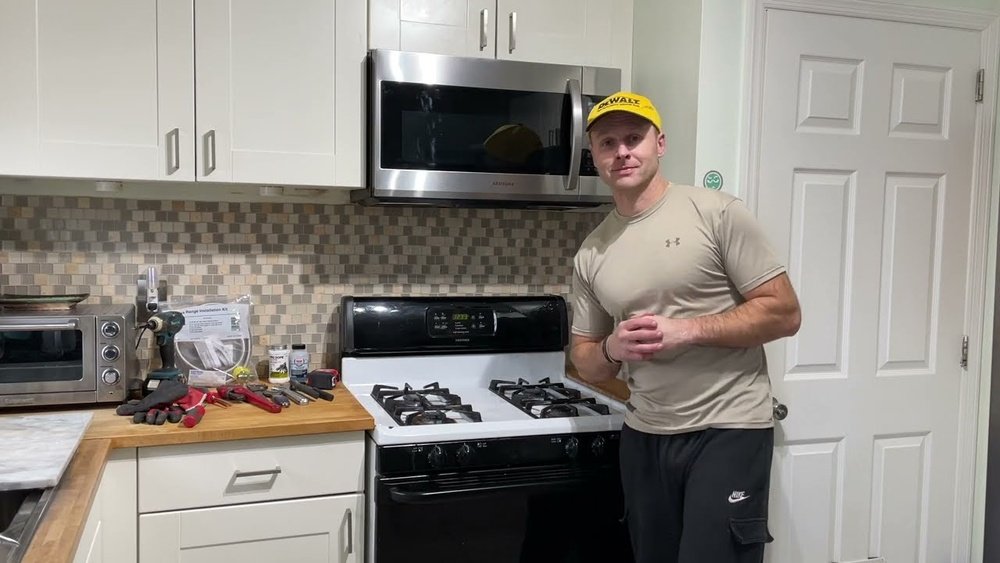
Getting rid of a gas oven is not as simple as unplugging a toaster. There are important safety steps, special tools, and sometimes legal rules you must follow. Whether you want to upgrade your kitchen, switch to electric, or make space for something new, knowing how to remove a gas oven safely is crucial.
Many people worry about gas leaks, damaging their kitchen, or even breaking the law if they handle things incorrectly. This guide walks you through the entire process, step by step, with expert advice, tips, and warnings you may not find elsewhere.
By the end, you’ll understand how to safely disconnect, move, and dispose of your gas oven—even if you have never done anything like this before.
Why Removing A Gas Oven Requires Special Care
A gas oven is directly connected to your home’s natural gas supply. This is not like unplugging a lamp. Gas is dangerous: leaks can cause fires, explosions, or carbon monoxide poisoning. Even a small mistake can put your health and your home at risk. That’s why local laws often require licensed professionals for certain steps.
It is also important to know that the oven is heavy and can damage your floor or walls if not handled correctly. Many people do not realize that disconnecting the oven can affect other appliances connected to the same gas line.
Tools And Materials You Will Need
Before you start, gather all the necessary tools. Having the right equipment can make the difference between a smooth job and a disaster.
- Adjustable wrench: For loosening and tightening gas line connections
- Pipe wrench: For stubborn fittings, especially older ovens
- Gas leak detector solution (or soapy water): To check for leaks after disconnecting
- Screwdrivers: Both Phillips and flat-head, for removing panels or brackets
- Work gloves: To protect your hands from sharp edges
- Flashlight: For seeing behind or under the oven
- Moving dolly: For heavy lifting, especially if you work alone
- Shut-off valve key: Sometimes needed for older gas valves
- Bucket and towels: In case of small spills or to protect your floor
Some homes have specialized connectors. Always check your oven’s manual for any unique requirements.

Credit: www.youtube.com
Safety Steps Before Touching Anything
Taking safety seriously is the best way to avoid accidents. Here’s what you must do before removing your gas oven:
- Turn off the gas supply. Find the shut-off valve, usually behind the oven or nearby along the gas line. Turn it perpendicular to the pipe to close.
- Ventilate the area. Open windows and doors to let fresh air in.
- Switch off power. If your oven has electrical components (like a clock or light), unplug it or turn off the circuit breaker.
- Wear protective gear. Gloves, eye protection, and even a mask if you’re sensitive to dust or fumes.
- Check for gas leaks. Smell for gas and use a gas leak detector if you have one. Never use matches or lighters to check for leaks.
Many beginners skip the ventilation step, not realizing that even a small amount of leaking gas can build up quickly indoors.
How To Disconnect The Gas Line Safely
This is the most critical part of the process. If you feel unsure at any point, call a professional.
- Locate the gas shut-off valve. It’s usually within a few feet of the oven.
- Turn the valve to OFF. Use your hand or a shut-off key as needed.
- Double-check the gas is off. Try turning on a burner (if possible) and confirm nothing happens.
- Loosen the connector. Use your adjustable wrench to slowly loosen the flexible gas connector where it attaches to the oven.
- Remove the connector. Once loose, carefully unscrew it completely.
- Check for leaks. Brush a little soapy water on the pipe. If you see bubbles, gas is escaping. Tighten the valve and call a professional immediately.
Here’s a quick comparison of common gas connector types:
| Connector Type | Appearance | Difficulty to Remove | Notes |
|---|---|---|---|
| Flexible Stainless Steel | Corrugated, silver color | Easy | Most modern ovens use this |
| Rigid Black Pipe | Smooth, black finish | Moderate | Common in older homes; may require pipe wrench |
| Copper Tubing | Thin, copper color | Moderate to Difficult | Rare, may be brittle and require extra care |
Some older connections may have corrosion or paint over the threads. Take your time, and never force a stuck pipe—this can crack the line.

Credit: www.walmart.com
Removing The Gas Oven From Its Place
Once the gas is safely disconnected, you can start moving the oven.
Step-by-step Removal
- Remove any securing brackets. Many ovens are anchored to the wall or floor to prevent tipping.
- Slide the oven out slowly. Use a dolly if needed. Go gently—there are often wires or pipes behind.
- Check for electrical connections. Some ovens have a power cord for lights or timers. Unplug it carefully.
- Inspect the area. Look for any hidden wires, pipes, or damage.
- Clean up debris. Old ovens can leave dust, crumbs, or even pests behind.
A common mistake is to pull the oven out too quickly and tear out the gas line or electrical cord. Always check behind the oven as you move it.
How To Cap The Gas Line Properly
Never leave an open gas line after removing an oven. You must close it off safely.
- Get a gas line cap. These are available at hardware stores—bring a photo of your pipe for the right size.
- Wrap threads with gas-rated Teflon tape. This creates a tight seal.
- Screw on the cap tightly. Use your wrench, but do not overtighten (which can strip threads).
- Test for leaks. Brush soapy water over the cap and look for bubbles.
- Leave the valve in the off position.
Here is a quick guide to common gas cap sizes and uses:
| Pipe Size | Typical Use | Cap Type |
|---|---|---|
| 1/2 inch | Most residential ovens | Threaded brass or steel |
| 3/4 inch | Large commercial ovens | Threaded steel |
| 5/8 inch (rare) | Some older installations | Threaded brass |
Leaving the line uncapped is a serious safety hazard. Even a small leak can cause major problems over time.
What To Do With The Old Gas Oven
Now that your oven is out, you need to dispose of it properly. Simply putting it on the curb is often illegal and can be dangerous.
Disposal Options
- Contact your local waste management. Many cities offer special pickup for large appliances.
- Recycle the oven. Scrap metal yards often take old ovens, sometimes for a fee or a small payment.
- Donate if working. Some charities will pick up working ovens for reuse.
- Return to retailer. If you bought a new oven, the store may remove the old one for you.
Do not try to take the oven apart for scrap unless you have experience. There are sharp edges, insulation, and sometimes hazardous materials inside.
Special Considerations For Different Oven Types
Not all gas ovens are the same. Here’s how the process can differ:
Freestanding Ovens
These are the easiest to remove. They are not built into cabinets and usually slide out after disconnecting. Still, be careful not to damage nearby counters or floors.
Slide-in And Drop-in Ovens
These models are installed between cabinets or into cutouts. You may need to remove trim, screws, or even pieces of countertop. Take extra care to avoid chipping surfaces.
Wall Ovens
Wall ovens are often bolted to framing inside the wall. Removal may require a second person due to weight and to avoid damaging the wall. Always check for hidden wires.
Double Ovens
Double ovens are extra heavy. Always have help, and consider using a lift or special dolly. Some double ovens have separate gas and electric connections.

Credit: www.reddit.com
Legal And Warranty Issues You Might Face
Many people do not realize that local building codes may require a licensed professional for gas work. If you are a renter, removing an oven yourself could violate your lease.
Some warranties are voided if you remove or disconnect the oven yourself. Check with the manufacturer or your landlord before starting.
Here’s a quick comparison of who should handle the removal:
| Situation | Can DIY? | Need a Professional? | Comments |
|---|---|---|---|
| Homeowner, basic oven | Yes, if skilled | Recommended | Local rules may require pro for gas work |
| Renter | No | Yes | May violate lease or insurance |
| Commercial property | No | Yes | Strict regulations apply |
Always check your city’s building department website or call before starting. Fines for illegal work can be steep.
Common Mistakes To Avoid
Even careful homeowners make errors during gas oven removal. Here are the most frequent—and sometimes costly—mistakes:
- Forgetting to turn off the gas: This can lead to a dangerous leak.
- Not capping the gas line: Leaves the home exposed to gas leaks.
- Rushing the removal: Damaging walls, floors, or cabinets.
- Ignoring local codes: Can result in fines or insurance problems.
- Not checking for leaks: Even after capping, always test for leaks.
- Improper lifting: Ovens are heavy and awkward, risking injury or damage.
- Leaving the area dirty: Dust and crumbs can attract pests or cause smells.
One non-obvious risk: If your oven is connected to a shared gas line with other appliances, disturbing the line can affect their function or create leaks elsewhere.
Tips For A Smooth Gas Oven Removal
- Take photos: Before you start, take pictures of connections. This helps if you need to reconnect or explain to a professional later.
- Label wires and pipes: Use tape and a marker for easy identification.
- Work with a partner: An extra set of hands makes moving and lifting safer.
- Schedule the removal: Don’t rush. Plan for a time when you won’t be interrupted.
- Keep children and pets away: The area should be clear until finished.
- Have emergency numbers ready: Know how to reach the gas company or fire department quickly.
- Save your manual: It may be needed for future reference or recycling.
When To Call A Professional
If you are unsure about any step, or if your gas line looks corroded, damaged, or unusual, do not risk it. Many professionals offer flat rates for oven removal, and it can be a small price to pay for peace of mind.
It’s also wise to hire a pro if:
- You have never worked with gas before.
- Your home has old or unusual gas connections.
- You need to move the oven up or down stairs.
- The oven is built into the wall or cabinets.
Some areas require all gas work to be done by licensed contractors. Check with local authorities to avoid legal trouble.
What To Do After The Oven Is Gone
Once your gas oven is out, you might have a large empty space or exposed pipes. Here’s what to do next:
- Inspect for damage: Check the wall, floor, and gas line for any issues.
- Clean thoroughly: Sweep, mop, and wipe down the area before installing anything new.
- Decide on your next step: Are you installing a new oven or switching to electric? Plan for any extra work needed, like electrical upgrades or cabinet changes.
- Keep your gas line capped: Do not remove the cap unless connecting a new appliance.
- Update your records: Note the removal date and any changes for your own or your home’s records.
Some people forget to check for hidden pests or mold behind the oven. This is a good chance to address any problems before installing something new.
Environmental And Health Considerations
Old gas ovens may contain insulation, metal, and even asbestos in rare cases. Always handle with care and use gloves. Avoid breaking apart the oven unless you are trained.
Recycling is the most environmentally friendly option. Many cities have special appliance recycling programs. Some ovens can be donated if still working, reducing landfill waste.
For more information on safe disposal and recycling, see the EPA’s official guide.
Frequently Asked Questions
What If I Smell Gas After Removing My Oven?
If you smell gas at any point, stop immediately. Leave the house, avoid using electrical switches, and call your gas company or 911. Do not try to fix the leak yourself.
Can I Reuse The Existing Gas Line For A New Oven?
Usually, you can reuse the gas line if it is in good condition and the new oven fits the same connection. Always inspect for rust or damage. If unsure, have a professional check it before installing a new appliance.
Do I Need A Permit To Remove A Gas Oven?
In many cities, permits are required for any gas work, including oven removal. Check with your local building department. Skipping this step can result in fines or problems when selling your home.
How Heavy Is A Typical Gas Oven?
Most single gas ovens weigh between 120 and 200 pounds (54–90 kg). Double ovens or commercial models can weigh much more. Always use proper lifting techniques or a dolly to avoid injury.
Is It Safe To Remove A Gas Oven By Myself?
If you have basic handyman skills, the right tools, and follow all safety steps, it is possible. However, gas is dangerous, and local laws may require a professional. If in doubt, always call an expert.
Removing a gas oven is a job that demands respect for safety, careful planning, and attention to detail. By following the steps in this guide, you can make the process smoother and safer—while avoiding the most common mistakes. Always remember: when it comes to gas, it’s better to be cautious than sorry.