
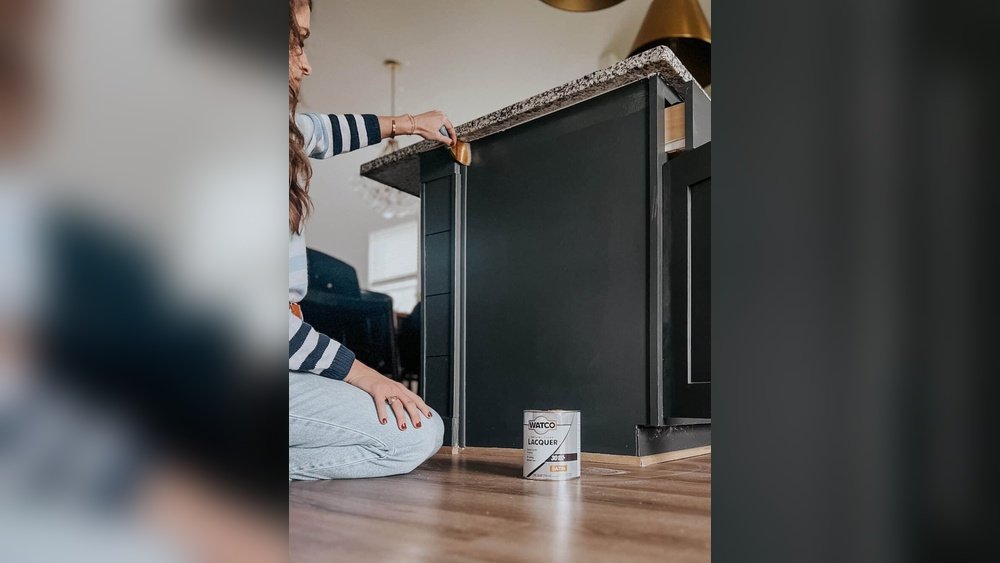
Keeping your painted cabinets looking fresh and beautiful can be a challenge, especially in busy kitchens or bathrooms. Painted cabinets add style and color to your home, but they’re also vulnerable to scratches, stains, chips, and fading. Many people invest time and money into painting their cabinets, only to see them lose their shine after a year or two.
The good news is, with the right care and a few smart habits, you can keep your cabinets looking like new for many years.
This guide will show you how to protect painted cabinets from everyday wear and tear, moisture, grease, and even sunlight. We’ll cover cleaning techniques, protective products, common mistakes, and practical tips that go beyond what most homeowners realize. You’ll learn not only what to do, but also why it works, so you can confidently care for your cabinets and avoid costly repairs or repainting.
Whether your cabinets are in the kitchen, bathroom, or elsewhere, these strategies will help you preserve their color, finish, and value.
Why Painted Cabinets Need Special Care
Painted cabinets are popular because they offer a smooth, colorful look that fits many home styles. However, painted surfaces are more sensitive than natural wood or laminate. Everyday actions—like opening doors, cleaning up spills, or even sunlight streaming through a window—can slowly damage the paint. Unlike stained wood, where scratches may blend in, any chip or scratch on painted cabinets stands out.
The most common problems include:
- Scratches and chips from fingernails, pots, or cleaning tools
- Stains from food, grease, or water
- Fading or yellowing due to sunlight and heat
- Peeling or bubbling from trapped moisture
Painted cabinets are also affected by the type of paint used, the quality of the preparation, and how much use they get. High-quality paints and professional finishes last longer, but even the best need proper care to look good over time.
Understanding What Damages Painted Cabinets
Before you protect your cabinets, it’s important to know what causes damage. Some factors are obvious, but others are easy to miss.
Moisture
Kitchens and bathrooms are full of water and steam. If moisture seeps into the paint or wood, it can cause swelling, peeling, or mold. Even small leaks under a sink or regular steam from a kettle can harm your cabinets over time.
Abrasion
Repeated touching, opening, and closing can wear down paint, especially around handles and corners. Rough cleaning tools, like scrub pads, can scratch the surface and expose the wood below.
Chemicals
Harsh cleaners, bleach, and even some natural products like vinegar can react with paint and cause it to fade or peel. Many people don’t realize that “green” cleaners can still damage painted finishes.
Heat And Sunlight
Direct sunlight can cause paint to fade or yellow, especially white or light colors. Heat from ovens, toasters, or even under-cabinet lights can soften paint and make it more vulnerable to chips.
Grease And Food
Kitchen cabinets, especially near the stove, often collect a thin layer of grease. Over time, this sticky film attracts dust and darkens the paint. If not cleaned properly, it can become nearly impossible to remove without damaging the finish.
Daily And Weekly Habits For Protection
Small, regular actions make a big difference in keeping your painted cabinets in good shape. Most cabinet damage happens slowly, so prevention is better than repair.
Wipe Up Spills Right Away
Moisture is the enemy of painted cabinets. If you spill water, sauce, or any liquid, wipe it up immediately with a soft cloth. Don’t let spills sit, especially near the edges or corners where water can seep in.
Use Gentle Cleaning Products
For daily cleaning, use a damp microfiber cloth. For greasy spots, a drop of mild dish soap in warm water is enough. Avoid scrubbing pads, bleach, or any product with ammonia. These can dull or strip the paint.
Dry Surfaces After Cleaning
After wiping with a damp cloth, always follow with a dry towel. Leaving cabinets wet, even for a few minutes, can weaken the paint and allow water to seep into cracks.
Open And Close Doors Carefully
Try not to slam cabinet doors or drawers. Close them gently to avoid chipping the paint near the edges or around the handles.
Keep Handles And Knobs Clean
Handles often collect grease and dirt from your hands. Wipe them regularly to prevent grime from spreading onto the paint.
Deep Cleaning And Maintenance
Even with gentle daily cleaning, cabinets need a deeper clean every few weeks to remove buildup and keep them looking new.
How To Deep Clean Painted Cabinets
- Remove everything from the cabinets so you can reach all surfaces.
- Dust with a dry microfiber cloth.
- Mix a small amount of mild dish soap with warm water.
- Dip a soft cloth into the solution, wring it out well, and wipe down doors, drawers, and frames.
- For stubborn spots, use a soft-bristle brush (like an old toothbrush), but don’t scrub hard.
- Rinse the cloth with clean water and wipe away soap residue.
- Dry thoroughly with a clean towel.
Never soak cabinets with water or let cleaning solution sit on the surface.
Cleaning Frequency Table
The frequency of cleaning depends on cabinet location and use:
| Cabinet Location | Daily | Weekly | Monthly | Every 6 Months |
|---|---|---|---|---|
| Kitchen (near stove/sink) | Wipe handles, spills | Clean doors, drawers | Deep clean surfaces | Check for chips, touch-up |
| Bathroom | Wipe spills | Clean doors, handles | Deep clean surfaces | Check for moisture damage |
| Low-traffic areas | Dust as needed | Wipe surfaces | Deep clean | Inspect paint |
Protective Products And Finishes
Protecting painted cabinets is not just about cleaning; it’s also about adding layers of defense. There are several products designed to shield your cabinets from damage.
Cabinet-safe Topcoats
A clear polyurethane or acrylic topcoat can be applied over painted cabinets to give extra protection. These topcoats are available in matte, satin, or gloss finishes. Water-based formulas are best because they don’t yellow over time.
- Pros: Adds durability, resists water and stains, easy to clean.
- Cons: Can slightly change the sheen or color of the paint if not applied carefully.
Wax And Polish
Some people use furniture wax or polish to protect painted wood. This can work for cabinets, but it’s important to use products made for painted surfaces. Too much wax can build up and attract dust.
Drawer And Shelf Liners
Using liners inside cabinets and drawers protects the paint from scratches caused by plates, pots, or utensils. Rubber or vinyl liners are best because they’re easy to clean and don’t slip.
Cabinet Bumpers
Self-adhesive bumpers are small pads you stick inside cabinet doors. They soften the impact when closing doors and help prevent paint chips at the edges.
Protective Mats Under Sink Cabinets
The area under the kitchen or bathroom sink is especially prone to water leaks. Place a waterproof mat or tray under plumbing to catch drips and protect the cabinet floor from swelling or peeling.
Handling Scratches, Chips, And Stains
Even with the best care, painted cabinets may get a chip or stain now and then. Knowing how to fix small problems quickly can stop them from becoming big issues.
Touching Up Paint
Keep a small jar of your cabinet paint for touch-ups. If you see a chip or scratch, clean the area, let it dry, then dab paint over the spot with a small artist’s brush. Let it dry fully before using the cabinet.
- For small chips, a paint pen can work well.
- For larger areas, sand gently with fine sandpaper before repainting.
Removing Stains
Grease stains can be stubborn. Make a gentle cleaner with a drop of dish soap and warm water. For sticky spots, try a mix of baking soda and water, but don’t scrub hard. Rinse and dry after cleaning.
If you see dark water stains or swelling, dry the area quickly and check for leaks.
When To Call A Pro
If your cabinets have large chips, peeling paint, or water damage, it’s best to get professional help. Trying to fix big problems yourself can make them worse.
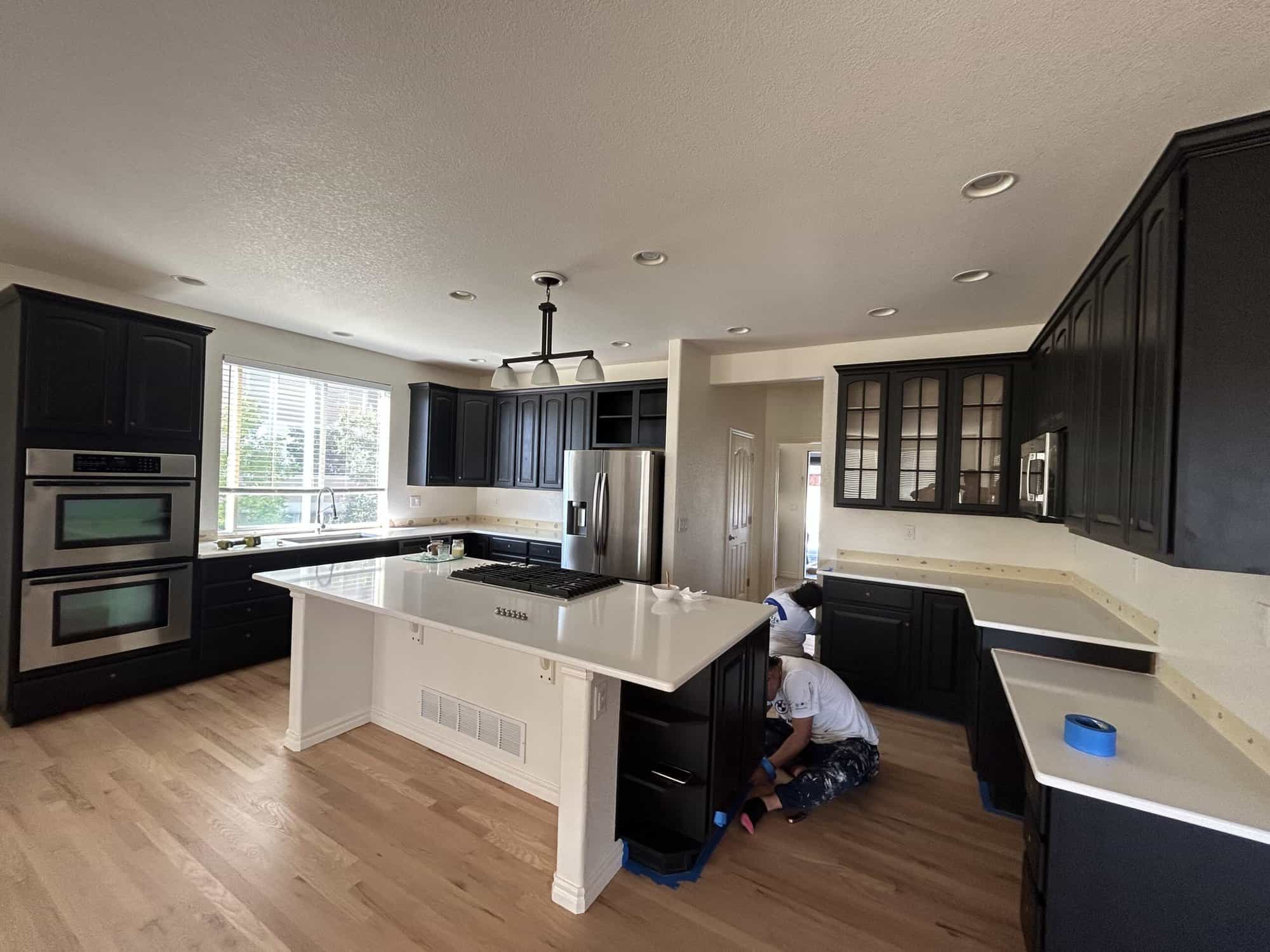
Credit: foothillspainting.co
Preventing Common Mistakes
Many people do things that damage their painted cabinets without realizing it. Avoid these mistakes to keep your cabinets looking their best.
- Using harsh cleaners: Avoid bleach, ammonia, vinegar, or abrasive powders.
- Letting spills sit: Clean up spills right away, especially near seams and edges.
- Hanging wet towels or dishcloths: Moisture can seep into the paint and cause peeling.
- Overloading shelves: Too much weight can cause shelves to sag and paint to crack.
- Not using liners: Unlined shelves get scratched by pots, pans, or cans.
- Slamming doors: This chips paint and damages hinges.
- Ignoring sunlight: Direct sun can fade or yellow paint. Use curtains or UV-blocking film if needed.
Choosing The Right Paint And Finish For Protection
If you’re planning to repaint or refinish your cabinets, the right materials will make them easier to protect.
Best Paints For Cabinets
- Acrylic latex paint: Durable, flexible, and easy to clean. Good for most homes.
- Alkyd-based paint: Harder finish, resists chipping. Best for high-traffic kitchens.
- Oil-based paint: Very durable, but yellows over time and has a strong smell.
Finish Types Compared
The finish (sheen) of your paint affects both appearance and durability.
| Finish Type | Appearance | Durability | Best For |
|---|---|---|---|
| Matte/Flat | Low shine | Low | Low-traffic areas |
| Satin | Soft sheen | Medium | Most kitchens/bathrooms |
| Semi-gloss | Shiny | High | High-traffic or kids’ rooms |
| Gloss | Very shiny | Very high | Trim, accent cabinets |
Satin and semi-gloss are most popular for cabinets because they balance beauty and durability.
Primer Matters
Always use a high-quality primer before painting cabinets. Primer helps the paint stick, covers stains, and prevents wood oils from discoloring the finish.
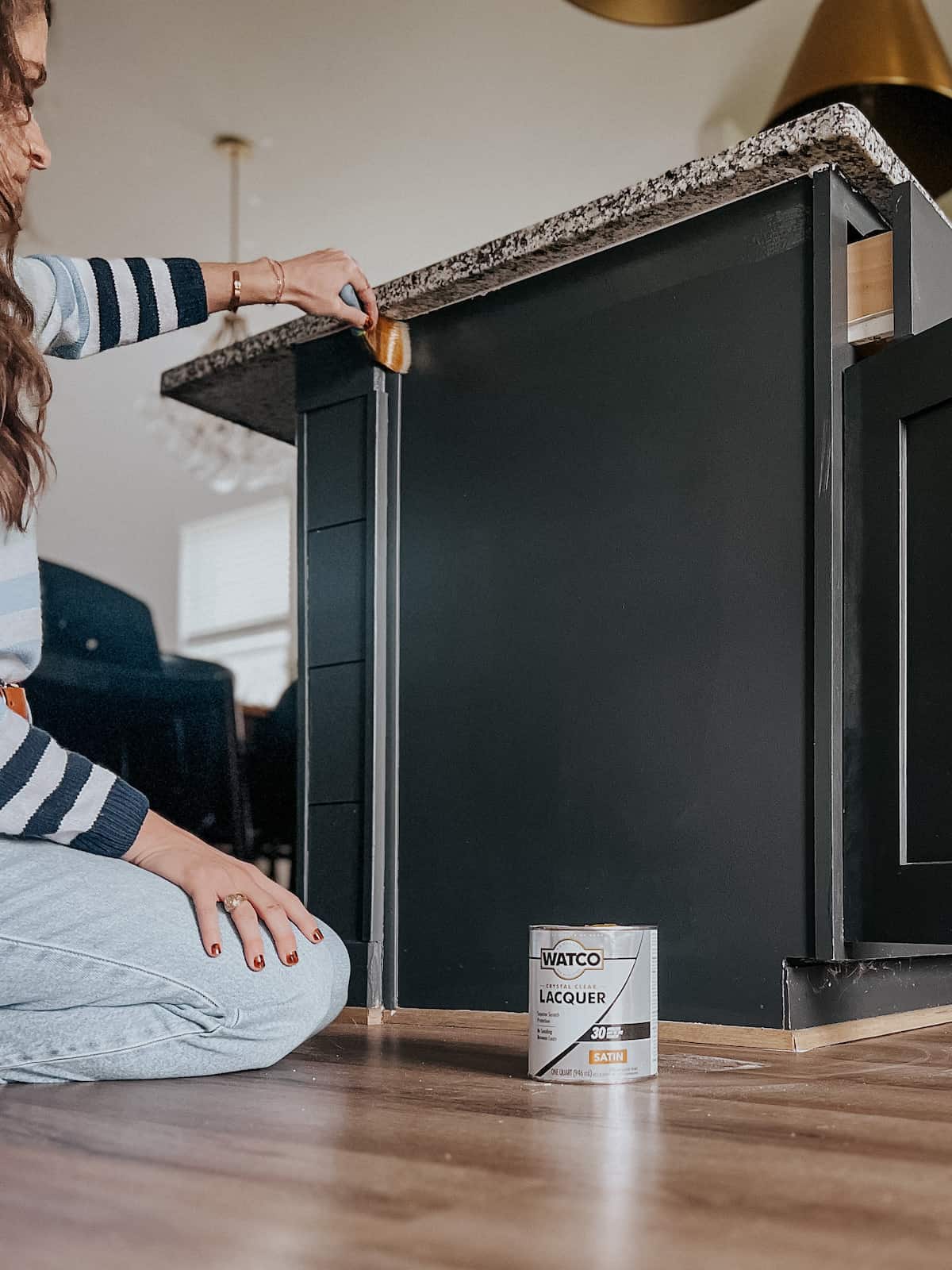
Credit: www.loveandrenovations.com
Protecting Cabinets From Sun, Heat, And Humidity
Many people forget that sunlight, heat, and humidity can be just as damaging as spills and scratches.
Sunlight Protection
Painted cabinets near windows can fade or yellow over time. Use window coverings like curtains, blinds, or UV window film to block direct sun. For extra-sensitive colors (like bright white or navy), UV-blocking film is a smart investment.
Managing Heat
Keep small appliances, like toasters or coffee makers, away from cabinet surfaces. If you have under-cabinet lighting, use LED bulbs instead of halogen—they give off less heat.
Controlling Humidity
Use an exhaust fan when cooking or showering to reduce steam. Keep bathroom doors open after showers to let moisture escape. In humid climates, a dehumidifier can help keep cabinets dry.
Organizing Cabinets To Prevent Damage
The way you organize your cabinets can also affect how well they hold up over time.
Store Heavy Items On Lower Shelves
Heavy pots, pans, or appliances should go on the bottom shelves to prevent sagging or cracking of upper shelves.
Use Dividers And Trays
Drawer dividers and trays keep utensils from scratching the sides and bottoms of drawers.
Avoid Overcrowding
Packed cabinets are hard to clean and more likely to get scratched or chipped. Leave space between items, especially in high-use cabinets.
Place Liners On Shelves
Shelf liners add a protective layer that can be replaced if damaged. Choose non-slip liners for dishes and glassware.
Store Cleaning Supplies Safely
If you keep cleaning products under the sink, make sure the bottles are tightly closed and check for leaks regularly. Use a plastic tray to catch drips.
Seasonal And Annual Maintenance
A few minutes of extra care at certain times of year can greatly extend the life of your painted cabinets.
Seasonal Checks
- In spring and fall, check for moisture problems under sinks or near windows.
- In winter, watch for condensation if your home is very humid.
- In summer, protect cabinets from extra sunlight and heat.
Annual Touch-ups
Once a year, inspect all cabinets for chips, scratches, or fading. Do small touch-ups before the damage spreads.
Lubricate Hinges And Slides
Squeaky or stiff hinges and drawer slides can cause you to use more force, risking chips. Use a small amount of silicone spray or cabinet-safe lubricant once a year.
Advanced Tips: What Most People Miss
Even careful homeowners sometimes overlook these advanced ways to protect painted cabinets.
Soft-close Hinges
Installing soft-close hinges helps prevent slamming, which can chip paint around door edges. They’re a small investment that pays off in a quieter, longer-lasting kitchen.
Use A Cabinet Care Kit
Some paint manufacturers sell cabinet care kits with touch-up paint, cleaning solution, and a special cloth. These are matched to your cabinet color and finish, making repairs nearly invisible.
Monitor Indoor Air Quality
High humidity, dust, and cooking fumes all affect painted cabinets. Use an air purifier or open windows when possible to keep the air clean.
Plan For Pets And Kids
If you have pets or young children, install childproof latches to keep them from hanging on cabinet doors, which can cause warping or paint cracks.
Keep A Maintenance Log
Write down when you last cleaned, touched up, or inspected your cabinets. This helps you spot patterns—such as a recurring leak or certain cabinets that need more care.

Credit: www.lovelyetc.com
Cost Of Repainting Vs. Maintenance
Many people think repainting is a quick fix for worn cabinets, but it’s expensive and disruptive.
| Option | Typical Cost | Time Needed | Lifespan |
|---|---|---|---|
| Regular Maintenance | $20–$100/year | 1–2 hours/month | 10–15 years |
| Professional Repainting | $2,000–$6,000 | 1–2 weeks | 5–10 years |
| DIY Repainting | $200–$600 | 3–5 days | 3–7 years |
Investing in maintenance saves thousands of dollars and keeps your kitchen or bathroom usable.
Frequently Asked Questions
How Often Should I Deep Clean Painted Cabinets?
Deep clean your painted cabinets every month in high-use areas like kitchens and bathrooms. In low-traffic spaces, every two to three months is enough. Always wipe up spills and fingerprints right away to prevent stains.
Can I Use Vinegar Or Bleach To Clean Painted Cabinets?
No, avoid vinegar, bleach, and other harsh chemicals. These products can strip or dull the paint and may even cause peeling. Stick to mild dish soap and water or cleaners designed specifically for painted surfaces.
What Should I Do If My Painted Cabinets Start Peeling?
If you notice peeling, stop using water or cleaners on that area and let it dry completely. Small spots can sometimes be sanded smooth and touched up with matching paint. Large or spreading peeling usually needs professional repair to prevent further damage.
Is It Necessary To Add A Topcoat To Painted Cabinets?
A clear topcoat (like water-based polyurethane) is not always necessary, but it does provide extra protection—especially in high-traffic kitchens, or if you have young children or pets. It makes the surface easier to clean and helps prevent chips and stains.
How Can I Protect Cabinets Near The Sink Or Stove?
Use shelf liners, waterproof mats under the sink, and install a backsplash behind the stove. Always wipe away water, grease, and spills as soon as possible. Consider adding cabinet bumpers to soften the closing of doors and reduce the risk of chips near the sink and stove.
Protecting painted cabinets is an ongoing process, but with the right knowledge and habits, you can keep them looking beautiful for years. Remember, prevention is always easier and less expensive than repair. For more in-depth information about caring for painted surfaces, visit Better Homes & Gardens. Taking good care of your cabinets will not only save you money but also keep your kitchen or bathroom a place you’re proud to show off.