
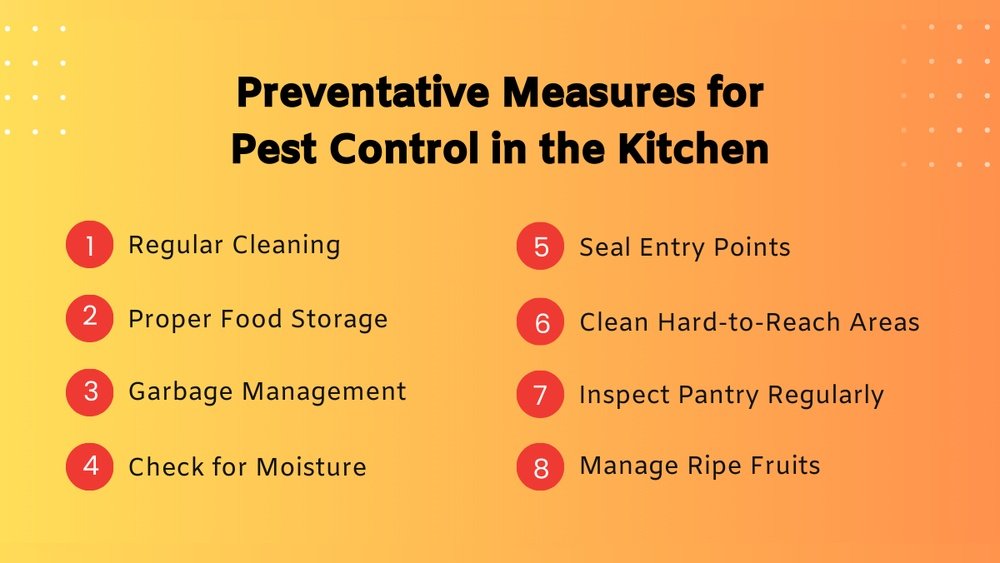
Every kitchen is a busy place. It’s where meals are made, snacks are prepared, and sometimes, stories are shared. But for pests, the kitchen is a paradise. Food, water, warmth, and hiding spots—all the things insects and rodents love—are easily found here.
If you’ve ever turned on the light at night and seen cockroaches scatter or found ants marching toward a crumb, you know how quickly pests can become a problem. Even the cleanest kitchens are at risk if the right precautions are not taken.
Preventing a pest infestation in the kitchen is not just about keeping things tidy. It’s a mix of smart habits, regular maintenance, and knowing what attracts these unwanted visitors. This guide will show you practical, effective ways to keep pests out of your kitchen for good.
Whether you’re living in a small apartment or a large house, you’ll find tips that work for your space and lifestyle.
Understanding Why Pests Love Kitchens
Pests are not random in their choices. They enter kitchens because they find what they need to survive.
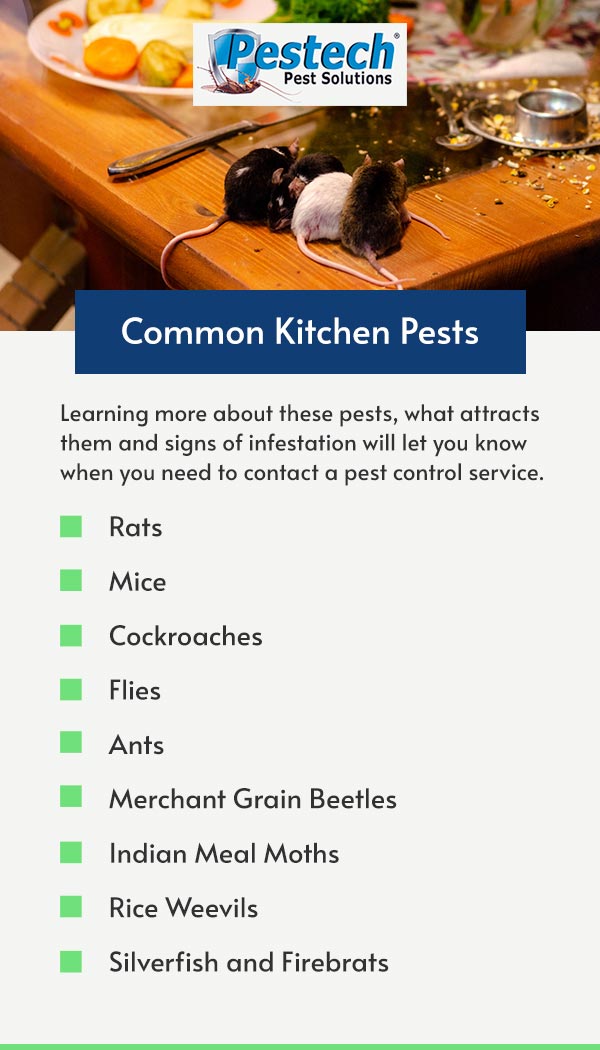
Common Kitchen Pests
- Cockroaches: Thrive in dark, moist places and can survive on almost anything.
- Ants: Especially sugar ants, which are attracted to sweets and grease.
- Flies: Love exposed food, fruits, and even dirty drains.
- Rodents: Mice and rats seek out crumbs, grains, and shelter.
- Stored product pests: Beetles and moths that infest flour, rice, and dry goods.
What Attracts Them?
- Food crumbs and spills
- Standing water
- Unsealed food
- Garbage cans
- Hidden cracks and gaps
Understanding these basics is the first step to stopping pests before they start.
Setting Up A Pest-proof Kitchen
A few changes in your kitchen can make a huge difference. Think of it as building a wall pests cannot cross.
Store Food Properly
Never leave food open, even for a short time. Use airtight containers for dry goods like flour, sugar, and cereal. Store fruits and vegetables in the refrigerator if possible. Pet food should also be kept in sealed bins.
Clean Up After Every Meal
Wipe down counters, stovetops, and tables after cooking or eating. Sweep up crumbs right away. Even small spills can attract ants or cockroaches overnight.
Take Out The Trash Regularly
Don’t wait until the trash is overflowing. Take it out daily or as soon as it’s full. Rinse recyclables to remove sticky residues that attract flies and ants.
Fix Leaks And Moisture Problems
Pests need water just as much as food. Check under the sink, around the dishwasher, and behind the refrigerator for leaks. Wipe up water spills and don’t let dishes soak overnight.
Seal Entry Points
Inspect your kitchen for cracks, gaps, and holes. Pay special attention to where pipes and wires enter the walls. Use silicone caulk or steel wool to block these spaces.
Keep Surfaces Clutter-free
Stacks of mail, grocery bags, or boxes provide hiding spots. Keep surfaces clear so pests have fewer places to hide and breed.

Credit: www.pestworld.org
Deep Cleaning Strategies That Work
Regular cleaning is good, but deep cleaning is what truly makes a difference.
Clean Behind And Under Appliances
Pull out the refrigerator, stove, and microwave every few months. Clean up food debris, dust, and grease that collects in these hidden places.
Wash Garbage Cans
Even with liners, garbage cans get dirty. Wash them with hot, soapy water weekly. Rinse and dry them before adding a new bag.
Scrub Sinks And Drains
Food residue in sinks and drains can attract flies and cockroaches. Use a brush and baking soda or vinegar to scrub these areas. Pour boiling water down the drain every week.
Clean Pantry Shelves
Remove all items from pantry shelves every few months. Wipe the shelves, throw out expired food, and check for signs of pests like webbing or chewed packages.
Clean Small Appliances
Toasters, blenders, and coffee makers can trap crumbs or spills. Empty crumb trays, wipe the exterior, and check underneath and behind these appliances.
Food Storage: Best Practices
How you store food makes a big difference in pest control. Here’s how to do it right.
| Food Type | Best Storage Method | Pest Risk if Stored Improperly |
|---|---|---|
| Dry Goods (flour, cereal, rice) | Airtight containers (plastic/glass) | High (beetles, moths, ants) |
| Fruits & Vegetables | Refrigerator or fruit bowl (eat quickly) | Medium (fruit flies, rodents) |
| Bread & Pastries | Sealed bag, bread box, or fridge | Medium (mice, roaches) |
| Pet Food | Sealed bin | High (ants, rodents) |
Two insights many people miss:
- Cardboard and thin plastic are not pest-proof. Many insects and rodents can chew through these easily.
- Freezing dry goods for 48 hours before storing can kill any hidden eggs or larvae, especially helpful for flour and grains.
Waste Management: Your First Line Of Defense
How you handle kitchen waste can make or break your pest control efforts.
Use Bins With Tight-fitting Lids
Choose garbage and compost bins that pests cannot open. If you see gnaw marks, switch to metal or heavy-duty plastic.
Empty Bins Often
Don’t wait for a bad smell. Empty kitchen bins daily. Rinse out bins to prevent sticky residue.
Compost Smartly
If you compost, use a sealed container indoors and empty it often. Compost piles outdoors should be far from the kitchen and turned regularly to speed up decomposition.
Recycle Responsibly
Wash cans and bottles before putting them in the recycling. Sticky soda or food can attract ants and flies even if the container is in the blue bin.
Moisture Control: Dryness Stops Pests
Moisture is as attractive as food for most kitchen pests. Keeping things dry is an easy win.
| Moisture Source | Prevention Tip | Pest Attracted |
|---|---|---|
| Leaky faucet | Fix leaks quickly, check washers | Cockroaches, ants |
| Wet dishcloths | Hang to dry, replace often | Flies, silverfish |
| Standing water in sink | Wipe sink dry after use | Fruit flies, gnats |
| Condensation under appliances | Ventilate, check for drips | Cockroaches |
A common mistake: ignoring the dishwasher. Open the door after cycles to let it dry out. Check the filter weekly for trapped food.
Regular Kitchen Maintenance
It’s easy to overlook small repairs, but these jobs keep pests out for the long term.
Inspect And Repair Screens
Check window and door screens for holes or gaps. Even a tiny opening can let in flies or mosquitoes.
Check Weatherstripping
Worn-out weatherstripping under doors is a favorite entry point for cockroaches and mice. Replace as needed.
Monitor For Signs Of Pests
Look for droppings, chewed packaging, grease marks, or strange odors. Early detection prevents a small issue from becoming a big problem.
Organize Pantry And Cabinets
Store similar items together and use clear bins. This makes it easier to spot problems early.
Rotate Food Stock
Practice “first in, first out. ” Use older products before new ones to reduce the risk of infestation.
Pest Prevention With Natural Methods
If you want to avoid chemicals, natural pest prevention still works well.
Use Bay Leaves
Placing bay leaves in containers of flour, rice, or pasta is an old trick. The smell repels many insects.
Essential Oils
Peppermint, eucalyptus, and citronella oils deter ants and roaches. Wipe surfaces with water mixed with a few drops of these oils.
Vinegar Spray
A spray of half vinegar and half water is a good cleaning agent and repels ants and flies.
Diatomaceous Earth
This natural powder can be sprinkled in cracks and under appliances. It kills insects by drying out their bodies. Make sure it’s food-grade.
Keep Lights Off
Many insects are attracted to light. Turn off unnecessary kitchen lights at night, especially near windows.
Credit: pestech.com
When To Use Chemical Controls
Sometimes, natural methods are not enough. Choose the right products for the problem.
Baits And Traps
Use ant and cockroach baits in hidden spots. These work by attracting pests to poison that they carry back to their nests.
Insect Growth Regulators
These chemicals stop pests from reproducing. They are a good choice for long-term control.
Aerosol Sprays
For sudden infestations, a quick spray can help. But use these carefully and follow label directions. Never spray near food or dishes.
Professional Help
If you find rodents or a heavy infestation, it’s time to call a licensed pest control professional. They have tools and products not sold to the public.
Pest Control Mistakes To Avoid
Many people make small mistakes that actually help pests. Here’s what not to do:
- Leaving dirty dishes overnight: Even a few crumbs or grease spots can start an infestation.
- Storing food in original packaging only: Thin plastic or cardboard is easy for pests to chew through.
- Ignoring small leaks or drips: Even a slow leak under the sink is enough for cockroaches.
- Overusing sprays: Kills some pests, but may cause others to scatter and hide.
- Skipping regular deep cleans: Pests love to hide where you don’t clean often.
- Not rotating pantry items: Old flour, grains, and spices are magnets for beetles and moths.
- Missing the trash can liner: Liquids and crumbs slip under the liner and attract pests.
- Not checking groceries for pests: Sometimes, you bring pests home from the store—especially in bulk goods.
- Stacking cardboard boxes: These are perfect hiding and breeding spots for cockroaches.
- Ignoring pet food dishes: Leftover pet food is a feast for ants and rodents.
Pest Monitoring: Catch Problems Early
You can’t always see pests, but you can spot signs before things get bad.
Use Sticky Traps
Place sticky traps under the sink, behind the refrigerator, and in pantry corners. Check them weekly.
Watch For Droppings
Mouse or cockroach droppings look like black grains of rice. Don’t ignore even a few.
Listen For Sounds
At night, listen for scratching behind walls or in cabinets. This could mean rodents.
Check For Gnaw Marks
Rodents chew on everything—wood, plastic, wires. Look for fresh gnaw marks.
Smell For Odors
A musty, oily, or sour smell can mean pests are present, even if you can’t see them.
Seasonal Pest Prevention
Some pests are more common in certain seasons. Adjust your routine to match.
Spring And Summer
- Ants and flies are most active.
- Keep windows screened and food sealed.
- Clean up after picnics and barbecues.
Fall
- Rodents look for warmth indoors.
- Seal cracks and check weatherstripping.
- Store firewood away from the kitchen.
Winter
- Pests move slower but seek shelter.
- Deep clean hidden areas.
- Check for leaks and condensation.
Holiday Periods
- More cooking means more crumbs and waste.
- Clean up quickly after parties.
- Check stored baking ingredients before use.
Kitchen Design For Pest Prevention
If you’re remodeling or designing a kitchen, you can build in pest prevention features.
Choose Smooth, Easy-to-clean Surfaces
Non-porous countertops and backsplash tiles are easier to wipe clean than textured materials.
Install Cabinets Off The Floor
Leave a gap under cabinets to clean underneath. Avoid sealed toe-kicks where crumbs can collect.
Use Pull-out Shelves
These make it easier to clean and spot pests in deep cabinets.
Integrated Trash And Recycling
Built-in bins with lids keep waste sealed and away from pests.
Good Lighting
Bright, well-lit kitchens help you spot dirt and pests quickly.
Community And Apartment Kitchens
Shared kitchens have extra pest risks. Here’s how to protect yourself.
Label And Seal Your Food
Use your own containers with labels. Don’t leave food in shared cabinets.
Clean Up After Yourself
Don’t rely on others to keep things clean. Wipe surfaces and wash dishes right away.
Report Problems
If you see pests or leaks, tell building management immediately. Early action helps everyone.
Use Lockable Storage
If possible, use cabinets or bins that can be locked to keep rodents out.
How To Handle A Minor Pest Sighting
If you see one or two pests, act fast to avoid an infestation.
- Identify the pest: Is it an ant, cockroach, or something else?
- Clean the area: Remove food, wipe surfaces, and vacuum crumbs.
- Set traps or baits: Place these in the area where you saw the pest.
- Seal entry points: Find where they came in and block the gap.
- Monitor for signs: Check daily for more pests or droppings.
If the problem continues, escalate to more aggressive control methods or call a professional.
Common Myths About Kitchen Pests
Some advice about pests just isn’t true. Let’s clear up a few myths.
Myth 1: Clean Kitchens Can’t Have Pests
Even spotless kitchens can get pests. All it takes is one missed crumb or a small leak.
Myth 2: Home Remedies Always Work
Natural methods help, but they don’t work for heavy infestations.
Myth 3: Pests Only Come Out At Night
Many pests are active day and night, especially if they’re hungry.
Myth 4: If You Don’t See Them, They’re Not There
Pests are experts at hiding. Watch for signs like droppings or chewed packaging.
Myth 5: Spraying Insecticide Everywhere Is Best
Overusing chemicals can be dangerous and may make pests harder to control.
Professional Pest Control: When And How
Sometimes, DIY just isn’t enough. Here’s when to call the experts:
- You see large numbers of pests every day.
- Pests keep coming back after you clean and seal.
- You find rodents or their nests in the kitchen.
- There are pest droppings in food storage areas.
- You are renting or in shared housing and can’t fix the problem alone.
Professional pest control companies use advanced methods and can spot problems you might miss. They can also advise on long-term prevention. To learn more about what to expect, check resources like EPA Safe Pest Control.
Frequently Asked Questions
How Do I Know If My Kitchen Has A Pest Infestation?
Look for droppings, gnaw marks, chewed packaging, or a musty smell. You may also see live insects or rodents, especially at night. Finding eggs, webs, or larvae in dry goods is another sign.
What Is The Safest Way To Keep Pests Away From Food?
Use airtight containers for all dry goods, refrigerate perishables, and clean up spills right away. Natural repellents like bay leaves or essential oils can also help, but sealing food is most effective.
Can Pests Come From The Grocery Store?
Yes. Bulk foods, grains, and even produce can bring in pests like beetles, moths, or fruit flies. Check packages before bringing them home and freeze dry goods for 48 hours to kill hidden eggs.
Are Chemical Sprays Safe In The Kitchen?
Only use kitchen-safe products and follow the label exactly. Never spray near food, dishes, or utensils. Whenever possible, use traps or baits instead of sprays.
How Often Should I Deep Clean My Kitchen To Prevent Pests?
Deep clean every 1-2 months. Move appliances, clean behind and underneath, scrub drains, and check pantry items. Quick daily cleaning helps, but deep cleans remove hidden food and pest nests.
Keeping your kitchen pest-free is not about one big effort—it’s the sum of many small habits. By understanding what attracts pests and breaking their access to food, water, and shelter, you can enjoy a clean, safe kitchen all year round.
Prevention is always easier than dealing with an infestation, and with these strategies, you’ll stay one step ahead of unwelcome guests.

Credit: www.peskypossum.com.au