
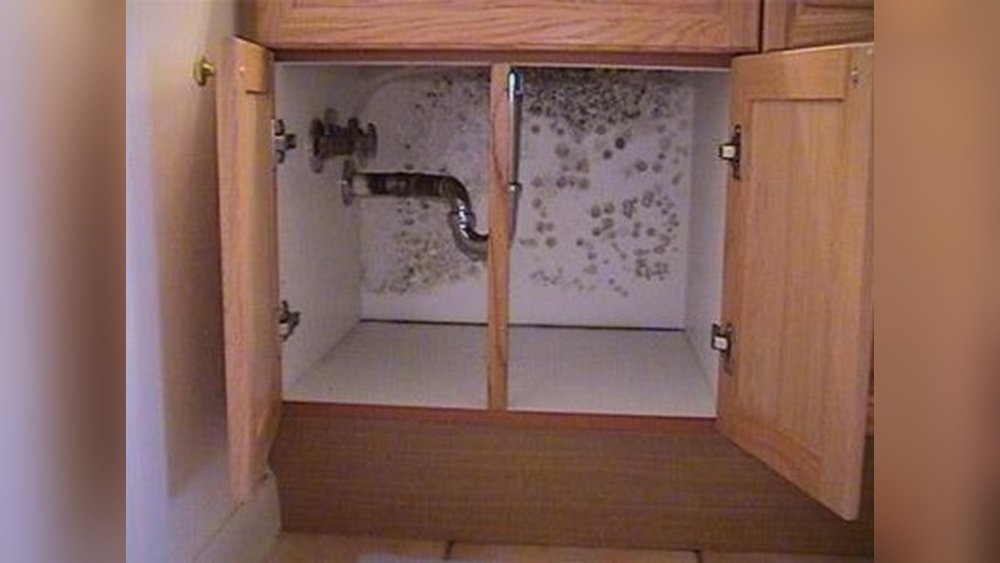
Keeping your kitchen cabinets free from mold is not just about looks—it’s also about health. Mold can grow quietly behind closed cabinet doors, damaging wood, ruining food, and even causing breathing problems for you and your family. Many people only notice a problem when there’s a strong smell or visible stains, but by then, it’s often too late for a quick fix.
The good news is, preventing mold in kitchen cabinets is possible with the right habits, products, and maintenance.
This guide covers everything you need to know. You’ll learn why mold loves to grow in kitchen cabinets, how to spot early warning signs, and what steps really work to keep your storage spaces dry and safe. Even if you live in a humid area or have a small kitchen, you can stop mold before it starts.
We’ll look at smart cleaning routines, organization tips, and essential repairs. You’ll also find advice for different cabinet materials and what to do if mold does appear.
By the end, you’ll know how to protect your cabinets—and your health—for years to come.
Why Mold Grows In Kitchen Cabinets
Mold is a type of fungus that thrives in damp, dark places. Kitchen cabinets are perfect for mold because they often have:
- High humidity from cooking and washing dishes
- Leaks from sinks, pipes, or appliances
- Poor air flow due to closed doors and clutter
- Spilled food or crumbs left uncleaned
Most people think of mold as a bathroom problem, but kitchens are just as risky. In fact, the U. S. Environmental Protection Agency (EPA) lists kitchens as one of the top three places in the home where mold grows fastest.
Mold can spread quickly. Once it finds moisture, it only needs 24–48 hours to start growing. That’s why regular prevention is so important.
How To Spot Mold Early
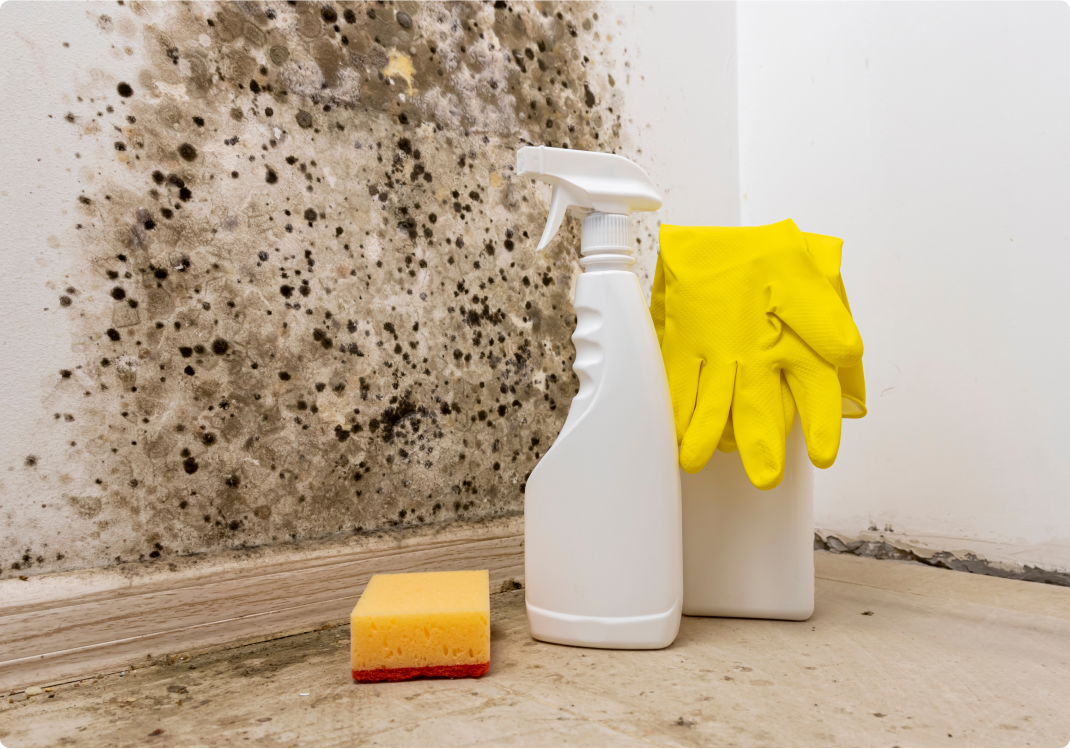
Catching mold early makes cleaning and prevention much easier. Look for these warning signs:
- Musty smell—a sour or earthy odor, especially when opening cabinet doors.
- Black, green, or white spots on cabinet walls, shelves, or contents.
- Peeling paint or warped cabinet surfaces.
- Unexplained allergy symptoms like sneezing or coughing when near cabinets.
- Visible water stains inside or under cabinets.
Check corners, backs, and under-sink areas at least once a month. Use a flashlight for dark spots. If you find mold, act quickly to stop it from spreading.
Credit: www.ahs.com
Essential Steps To Prevent Mold In Kitchen Cabinets
Preventing mold is about reducing moisture and keeping cabinets clean. Here’s how to do it right.
1. Control Humidity Levels
Mold loves moisture. In kitchens, humidity often climbs above 60% during cooking or dishwashing. To prevent mold:
- Use exhaust fans when boiling water, frying, or baking.
- Open windows to let steam escape.
- Wipe down damp surfaces after cooking.
- Keep a hygrometer (humidity meter) in the kitchen. Aim for 30–50% humidity.
If your kitchen stays humid, a small dehumidifier can help. Choose one with an auto-shutoff feature for safety.
2. Fix Leaks Immediately
Leaks under the sink, around faucets, or from dishwashers are a major cause of cabinet mold. Even small drips add up over time.
- Check pipes and seals regularly for moisture.
- Tighten fittings or replace worn gaskets right away.
- Dry cabinet interiors after fixing leaks.
If you notice standing water or a wet smell, remove all items and inspect the area. Mold can grow behind and under cabinets if leaks continue.
3. Clean Cabinets Regularly
Dirt, food spills, and crumbs feed mold. Clean your cabinets every 1–2 weeks:
- Empty shelves and drawers.
- Wipe surfaces with warm, soapy water or a mild vinegar solution.
- Dry completely with a cloth. Never leave cabinets wet.
- Vacuum crumbs from hard-to-reach corners.
For under-sink cabinets, place a washable mat to catch spills. Replace it if it gets damp or stained.
4. Organize To Improve Air Flow
Crowded cabinets trap moisture and block air. To reduce mold risk:
- Leave space between items so air can move.
- Avoid stacking dishes or food containers too tightly.
- Store dry goods in sealed containers, not open boxes.
If you have deep cabinets, use pull-out racks or bins to make cleaning easier. Do not store wet items like freshly washed pans inside cabinets.
5. Use Mold-resistant Materials
Not all cabinets are created equal. Some materials resist mold better than others. If you’re renovating or replacing cabinets, consider:
| Material | Mold Resistance | Maintenance Needs |
|---|---|---|
| Solid Wood | Medium | Needs sealing and regular cleaning |
| Plywood | Medium | Sealing improves resistance |
| Particle Board | Low | Absorbs moisture easily |
| Melamine/Plastic Laminate | High | Easy to wipe, resists water |
| Stainless Steel | Very High | Resists mold, easy to sanitize |
For wood cabinets, apply a water-resistant sealant every few years. Avoid particle board in humid kitchens.
6. Seal Gaps And Cracks
Small gaps let in steam and water. Over time, these areas become mold hot spots.
- Inspect corners, joints, and edges for cracks.
- Seal with silicone caulk or waterproof wood filler.
- Check around pipes where they enter cabinets.
Well-sealed cabinets are not only mold-resistant—they also last longer.
7. Use Natural Mold Inhibitors
Some natural products can slow mold growth inside cabinets:
- Baking soda—place an open box in each cabinet to absorb moisture and odors.
- Activated charcoal—good for under-sink cabinets.
- Cedar blocks—repel both mold and pests.
Replace these items every 1–3 months. They are not a cure for leaks, but they help reduce risk.
8. Keep Cabinets Dry
After cleaning, washing dishes, or fixing leaks, always dry cabinet interiors completely:
- Use a towel to soak up water.
- Leave doors open for an hour if cabinets get very wet.
- Run a fan nearby to speed drying.
Never close wet cabinets. Even a few hours of trapped moisture can start mold growth.
9. Avoid Storing Damp Items
Mold needs moisture to survive. Even a damp towel or wet pot can cause problems:
- Dry all dishes, pans, and utensils before putting them away.
- Check storage bins for condensation.
- Hang cleaning cloths outside cabinets to dry.
For extra safety, use shelf liners that resist mold and water.
10. Ventilate Cabinet Spaces
Good ventilation is key. If your kitchen has very little air flow:
- Install small vents in under-sink or corner cabinets.
- Use a portable fan on humid days.
- Leave cabinet doors open for a short time after heavy cooking.
Ventilation not only prevents mold but also reduces stale smells and keeps cabinets fresh.
11. Monitor With Smart Devices
Modern technology can help you spot mold risks early. Consider:
- Moisture sensors—alert you if humidity is too high.
- Water leak alarms—warn of leaks under sinks or appliances.
Some models connect to your phone. This is especially helpful if you travel often or have had mold problems before.
12. Check Exterior Walls And Plumbing
Cabinets against outside walls or near pipes are high-risk spots.
- Look for condensation on walls behind cabinets.
- Insulate pipes to prevent drips.
- Seal exterior cracks where rainwater could enter.
If you find moisture, improve insulation or move cabinets away from damp areas.
13. Inspect And Maintain Appliances
Dishwashers, garbage disposals, and refrigerators can all leak. Prevent mold by:
- Checking hoses and connections every few months.
- Cleaning appliance filters to avoid blockages.
- Wiping up spills right away.
If you find a leak, repair or replace parts immediately. Do not use damaged appliances near wood cabinets.
14. Use Mold-resistant Paint Or Coating
Paint is not just for looks—it can also protect cabinets from moisture.
- Choose paint labeled “mold-resistant.”
- Apply to both inside and outside surfaces.
- Repaint every few years or after any major cleaning.
For best results, sand surfaces before painting and follow product instructions.
15. Store Food Properly
Unsealed food attracts both pests and mold. For safety:
- Use airtight containers for grains, flour, and snacks.
- Clean up spills immediately.
- Rotate food so older items are used first.
Do not store fruits or vegetables in cabinets, as they release moisture and spoil quickly.
16. Remove And Clean Cabinet Items Regularly
Every few months, empty your cabinets completely:
- Wash all containers, dishes, and bins.
- Check for expired food and throw it away.
- Wipe down shelves and replace shelf paper if stained.
This deep clean helps you catch early mold before it spreads.
17. Be Careful With Under-sink Storage
The area under the sink is the most common mold site. To keep it dry:
- Store only non-porous items (plastic, glass, metal).
- Avoid paper products like napkins or cardboard boxes.
- Use waterproof bins for cleaning supplies.
Check for leaks at least once a month. A small leak can cause big problems if missed.
18. Choose The Right Cleaning Products
Not all cleaners stop mold. When cleaning cabinets:
- Avoid harsh bleach on wood (it can damage finish).
- Use white vinegar or mild soap for regular cleaning.
- Try hydrogen peroxide for stubborn stains (test first on a small spot).
For extra protection, use a spray with tea tree oil—it’s a natural mold fighter.
19. Don’t Ignore Odors
If you notice a musty smell, investigate immediately—even if you don’t see mold.
- Remove all items and check every corner.
- Clean thoroughly and dry completely.
- Replace shelf liners if they smell damp.
Persistent odors may mean mold is hidden behind or under cabinets. In this case, call a professional.
20. Act Fast If Mold Appears
If you do find mold, don’t panic—but don’t wait, either.
- Wear gloves and a mask to avoid breathing spores.
- Remove affected items and throw them out if not washable.
- Clean with a mold-killing solution (vinegar or commercial product).
- Dry everything thoroughly.
- Monitor the area for a few weeks to ensure mold does not return.
If the mold covers more than 10 square feet, or keeps coming back, hire a mold remediation expert.
Mold Prevention Mistakes To Avoid
Even with the best intentions, some common mistakes can undo your hard work. Here’s what to watch out for:
- Using too much water when cleaning—always dry cabinets right away.
- Ignoring small leaks—they add up quickly.
- Storing wet sponges or cloths inside cabinets.
- Blocking air vents with clutter.
- Skipping regular deep cleaning—even if cabinets look clean, mold can hide.
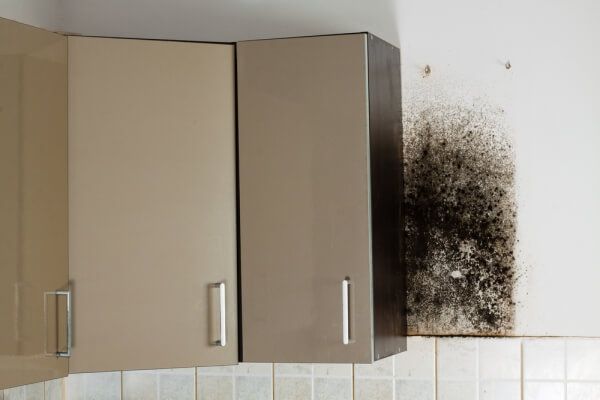
Many people focus on the visible parts of cabinets and forget corners, under shelves, or behind items. Mold often starts where it’s hardest to see.
Credit: www.fprestoration.com
Comparing Mold Prevention Methods
Different methods work better for different kitchens. Here’s a side-by-side comparison to help you choose:
| Method | Best For | Cost | Effort | Effectiveness |
|---|---|---|---|---|
| Dehumidifier | Humid climates | $$ | Low | High |
| Exhaust fan | Regular cooking | $$ | Low | High |
| Natural absorbers (baking soda, charcoal) | Small cabinets | $ | Low | Medium |
| Regular cleaning | All kitchens | $ | Medium | High |
| Mold-resistant paint | Renovations | $$ | Medium | High |
The best results often come from combining several methods—like cleaning, drying, and using a dehumidifier if needed.
Long-term Strategies For Mold-free Cabinets
Short-term fixes work, but long-term habits make the biggest difference. Here’s what to do year after year:
- Schedule seasonal deep cleans (spring and fall).
- Check for leaks and dampness after heavy rain or plumbing work.
- Replace old or damaged cabinets before mold becomes a problem.
- Educate all family members to dry dishes and wipe spills right away.
If you’re planning a kitchen remodel, choose materials, layouts, and appliances that promote good airflow and easy cleaning. Ask contractors about moisture barriers or extra ventilation.

Credit: www.wikihow.life
When To Call A Professional
Some mold situations are too big or dangerous to handle alone. Call a mold remediation expert if:
- Mold covers a large area (over 10 square feet).
- You smell mold but can’t find the source.
- Mold returns after cleaning.
- Anyone in your home has serious allergies or breathing issues.
Professionals have the right tools to remove mold safely and check for hidden problems. In severe cases, cabinets or even walls may need to be replaced.
For more on mold hazards and professional help, see this EPA guide: EPA Mold Cleanup Guide.
Real-life Examples And Extra Tips
Let’s look at what happens in real homes:
- Case 1: A family in Houston noticed a musty smell but no visible mold. They found a slow leak under the sink, fixed the pipe, and used a dehumidifier. The smell disappeared in two weeks.
- Case 2: In a New York apartment, mold kept returning in kitchen cabinets. The cause was poor ventilation and crowded shelves. After installing an exhaust fan and decluttering, the problem stopped.
Extra tips for success:
- Check under-sink cabinets after parties or heavy dishwashing.
- If you move into a new home, deep-clean all cabinets before unpacking.
- Save receipts and take photos if you replace cabinets due to mold—this helps with insurance claims.
Frequently Asked Questions
How Often Should I Clean My Kitchen Cabinets To Prevent Mold?
It’s best to do a quick wipe-down every 1–2 weeks and a deep clean every 2–3 months. Check under sinks and in corners for early signs of mold during each cleaning.
Is Vinegar Safe For All Cabinet Types When Cleaning Mold?
White vinegar is safe for most materials, including wood, laminate, and metal. Test on a small hidden spot first. Avoid soaking cabinets; always dry them after cleaning.
What Should I Do If I Find Mold Behind My Cabinets?
If you find mold behind cabinets, it usually means there’s a leak or moisture problem. Fix the source first, clean the area with a mold-killing solution, and consider calling a professional for large or hidden mold.
Can Mold In Kitchen Cabinets Make Me Sick?
Yes, mold can cause allergic reactions, asthma attacks, and other health issues—especially for children, the elderly, and people with weakened immune systems. Take all mold growth seriously.
Are There Any Long-term Products I Can Use To Stop Mold?
Yes. Mold-resistant paint, sealants, and moisture-absorbing products like baking soda and activated charcoal help prevent mold. For high-risk kitchens, a small dehumidifier or moisture sensor gives extra protection.
Keeping your kitchen cabinets mold-free is not a one-time task—it’s a habit. With regular cleaning, quick repairs, and smart organization, you can enjoy a safe, healthy kitchen for years to come. Mold may be stubborn, but with these steps, you stay one step ahead.