
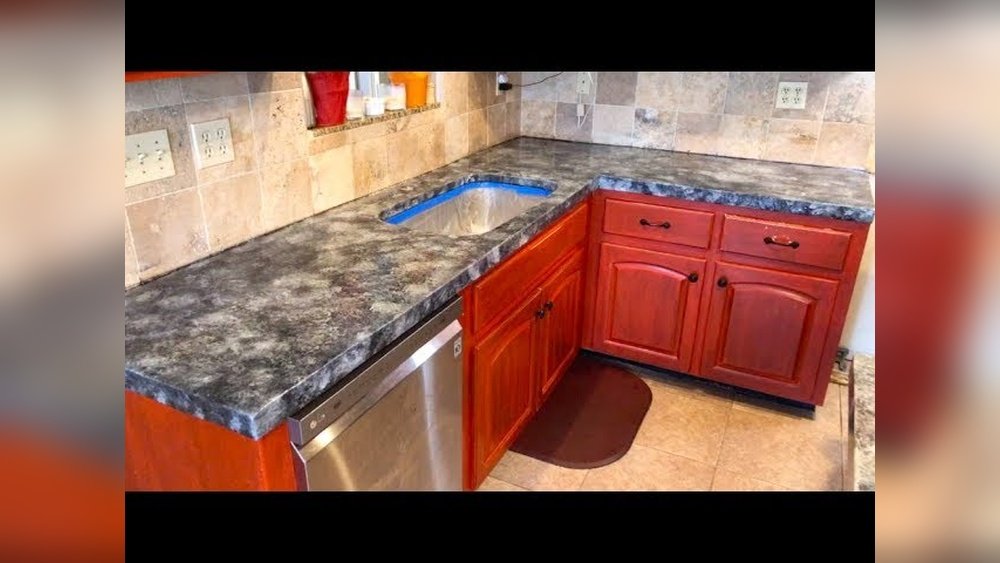
If you want the beauty of granite in your kitchen or bathroom but have a smaller budget, concrete countertops can be a smart solution. Concrete is strong, flexible, and much less expensive than natural stone. With the right techniques, you can make concrete countertops look almost exactly like granite—and even choose the color, veining, and finish you love most.
Turning basic concrete into a surface that looks like high-end granite isn’t just about painting it black or gray. It’s a creative process that requires careful preparation, the right materials, and attention to detail. Many people try this project without knowing the insider tips, and end up with a countertop that looks fake or wears out quickly.
But when you follow the right steps, you’ll be surprised by how real and beautiful your countertop can look.
This guide breaks down every part of the process. Whether you’re starting from scratch or updating old concrete, you’ll learn how to pick the right products, create realistic color and texture, and finish your countertop for years of use. By the end, you’ll have all the knowledge and confidence you need to get a stunning granite look—without paying granite prices.
Why Choose Concrete Countertops That Look Like Granite
Granite is loved for its natural beauty, unique patterns, and durability. However, granite can be very expensive, heavy, and sometimes hard to find in the exact color you want. Concrete, on the other hand, is affordable, easy to shape, and can be colored and finished in many ways.
Here’s why many homeowners are choosing concrete countertops with a granite look:
- Cost Savings: Concrete is much cheaper than real granite slabs. You can get a high-end look for a fraction of the cost.
- Customization: You can control the color, pattern, edge style, and finish. Want dramatic black with white veining? Or soft tan with gold flecks? You decide.
- DIY Friendly: With patience and care, homeowners can do this project themselves and save on installation.
- Repairable: Unlike granite, you can fix chips, stains, or cracks in concrete more easily.
- Modern Look: Polished concrete fits both classic and modern kitchens.
Understanding The Granite Look
Before you start, it helps to study real granite. Granite comes in many colors and patterns, but usually features:
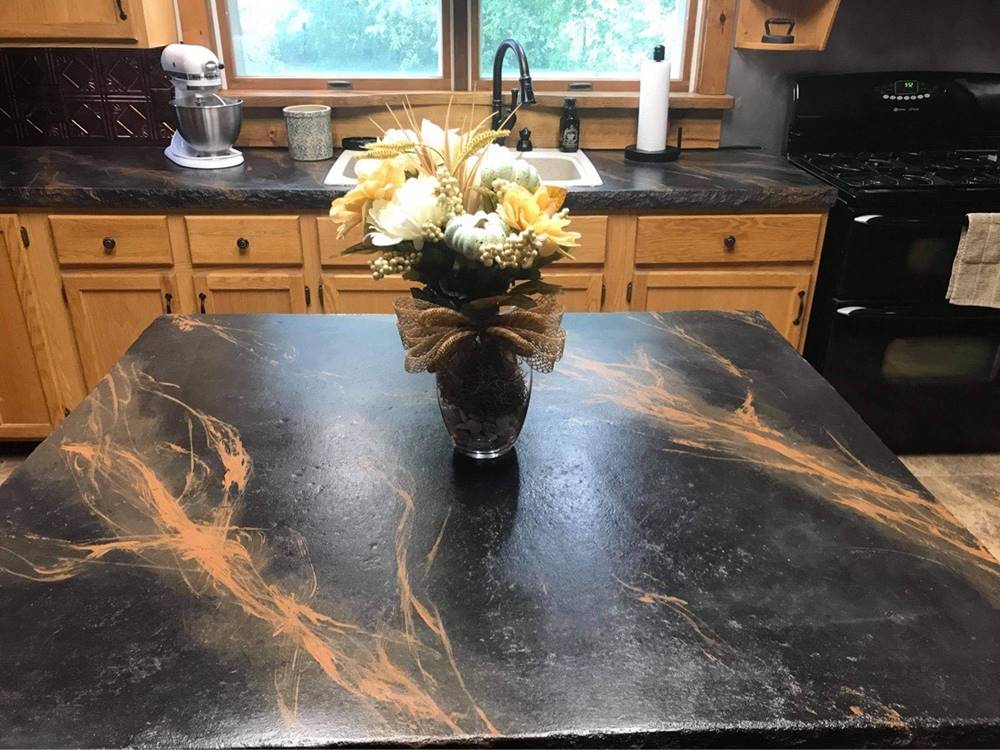
- Veining: Lines or streaks of white, gray, black, gold, or other colors
- Speckling: Small spots or flecks, often in several colors
- Depth and Variation: The color changes in different light and has layers
When making concrete countertops look like granite, you want to mimic these qualities. The goal is not a flat, single color, but a surface with movement and detail.
Materials And Tools You’ll Need
Getting the right supplies is key. Here’s what you’ll need for the whole process:
Basic Materials
- Concrete countertop mix (pre-bagged or custom blend)
- Water (as directed)
- Reinforcement (fiberglass mesh or rebar)
- Mold/form materials (melamine, foam, or plastic for shaping)
- Release agent (for easy form removal)
Granite Look Materials
- Concrete dyes or pigments (black, gray, white, gold, brown, etc.)
- Acrylic paints (for extra color detail)
- Tintable epoxy or polyurethane sealer (clear, high-gloss or satin)
- Metallic or pearlescent powders (optional, for sparkle)
- Alcohol inks (for fine veins)
Tools
- Trowels and floats (for smoothing)
- Paintbrushes and sponges (for coloring and veining)
- Plastic bags or feathers (for special effects)
- Orbital sander with diamond pads (for polishing)
- Spray bottle (for misting color)
- Painter’s tape and plastic sheets (for masking)
- Bucket and mixing tools
- Gloves and safety glasses
Example Granite Colors To Recreate
- Absolute Black (solid black with faint specks)
- Ubatuba (black with green and gold flecks)
- White Ice (white with gray and gold veining)
- Baltic Brown (deep brown with tan and black spots)
- Blue Pearl (blue-gray with silver shimmer)
Planning Your Countertop Design
Don’t skip this step! Before mixing anything, decide on:
- Size and shape: Measure your space carefully.
- Edge profile: Straight, rounded, or custom?
- Color and pattern: Pick a granite style you love. Print photos for reference.
- Sink and appliance cutouts: Mark these on your form.
Pro tip: Study real granite samples at a stone yard or online. Notice the small details—layered colors, faint lines, and natural randomness. This will help your concrete look real.

Credit: u-cart.ca
Making The Concrete Countertop
Building the actual countertop gives you a strong base. Here’s how to do it step by step.
1. Build The Form
- Cut melamine boards to the exact size and shape.
- Screw them together to create a watertight box.
- Seal corners with silicone caulk so concrete doesn’t leak.
- Spray or wipe on a release agent for easy removal later.
2. Add Reinforcement
- Lay down rebar or fiberglass mesh to prevent cracking.
- Make sure it sits in the middle of the slab, not at the very bottom.
3. Mix And Pour Concrete
- Mix the concrete according to the manufacturer’s instructions.
- For a more realistic stone look, use a mix with a small amount of aggregate (small stones).
- Pour the mix into the form, spreading evenly.
- Tap the sides with a rubber mallet to release air bubbles.
4. Level And Smooth
- Use a trowel to level the surface.
- Float the top to create a smooth finish.
- Cover with plastic to slow drying and reduce cracks.
- Let cure for at least 48 hours (or as directed).
5. Remove The Form
- Carefully unscrew and remove the form.
- Smooth the edges with fine sandpaper.
Coloring And Patterning: Creating The Granite Effect
This is where the magic happens. You’ll use a combination of dyes, stains, paints, and sealer to mimic the look of real granite.
1. Base Coloring
- Clean the cured concrete to remove dust.
- Apply a base color using concrete dye or stain. Choose a color that matches the main granite tone (black, gray, white, etc. ).
- Use a sponge or sprayer for an even finish.
- Let dry completely.
2. Adding Veins And Spots
- Dip a feather or small paintbrush in a lighter or darker color.
- Drag or flick it across the surface to create thin, random veins.
- Use a damp sponge to soften sharp lines for a natural effect.
- For specks, dip a stiff brush in color and tap it gently over the surface.
- Layer multiple colors for depth.
Insider Tip: Real granite is not perfect. Add some curves or broken lines, and don’t try to make everything symmetrical.
3. Creating Depth
- For added realism, lightly mist the surface with water between color layers. This helps colors blend and creates a “cloudy” look.
- Sprinkle a little metallic powder for sparkle, but use sparingly.
- Use alcohol ink for fine, sharp veins. Drip, then blot with a sponge.
4. Let Each Layer Dry
- Allow each color or effect to dry before adding the next. Rushing can blur your details.
5. Polish (optional)
- For a high-gloss, granite-like shine, use an orbital sander with diamond pads.
- Start with 200 grit, then work up to 800 or 1500 grit for a mirror finish.
- Always keep the surface wet while polishing to avoid dust.
Sealing: Getting The Granite Shine And Protection
Sealing is critical. It protects the color and gives your countertop the glossy, glass-like look of real granite.
Choosing The Right Sealer
- Epoxy: Very high-gloss, extremely durable, but can yellow in sunlight.
- Polyurethane: Slightly softer look, non-yellowing, and food safe.
- Acrylic: Easy to apply, but not as long-lasting.
Application Steps
- Clean the surface completely.
- If using epoxy, mix carefully and pour on. Spread with a plastic trowel.
- Pop any air bubbles with a propane torch or heat gun (move quickly to avoid burning).
- For polyurethane or acrylic, use a brush or roller. Apply thin, even coats.
- Let each coat dry fully before adding the next.
- Apply 2–3 coats for best protection.
Pro tip: Don’t touch or place anything on the countertop until the sealer is fully cured (this can take several days).
Comparing Concrete Vs. Real Granite Countertops
To help you decide if this project is right for you, here’s a quick comparison:
| Feature | Concrete (Granite Look) | Real Granite |
|---|---|---|
| Cost | $20–$50 per sq. ft. | $60–$200 per sq. ft. |
| Customization | Unlimited colors and patterns | Limited to natural stone options |
| DIY Friendly | Yes | No |
| Repairability | Easy to patch and refinish | Difficult; may need replacement |
| Heat Resistance | Good with proper sealer | Excellent |
| Stain Resistance | Needs sealing | Better, but also needs sealing |
Common Mistakes To Avoid
Even experienced DIYers can make mistakes. Here’s what to watch out for:
- Skipping the Design Step: Not planning your colors and patterns often leads to a fake look.
- Using Cheap Sealers: These can wear out fast or turn yellow.
- Overdoing Effects: Too many veins or sparkles look unnatural.
- Not Letting Layers Dry: Rushing causes colors to smudge.
- Neglecting Edges: Real granite has finished, smooth edges. Spend time here.
Tips For A Professional Result
- Study Real Samples: Keep a photo or real granite sample nearby for reference.
- Work in Good Light: Natural light helps you see color changes and detail.
- Test on Scrap: Try coloring and sealing on a small piece of concrete first.
- Use High-Quality Products: Especially for sealer and dyes.
- Seal Well: Don’t skimp on sealer. It’s the most important step for durability and shine.
Credit: www.concretedecor.net
Maintenance And Long-term Care
A concrete countertop that looks like granite needs a little care to stay beautiful.
- Clean with mild soap and water. Avoid harsh chemicals or scrubbing pads.
- Reseal every 1–2 years to keep stains and moisture out.
- Wipe up spills quickly, especially wine, oil, or acidic foods.
- Use cutting boards to avoid scratches.
- Avoid heavy impacts. Concrete is strong but can chip at the edges.
With proper care, your countertop can last just as long as real granite.
Real-life Example: Transforming An Old Concrete Countertop
Let’s look at a real project: Sarah wanted to update her 10-year-old concrete countertop to look like black granite.
- She started by sanding the surface smooth and cleaning it well.
- She applied a charcoal concrete dye as a base.
- Using a thin artist’s brush, she painted white and gold veining, blending with a damp sponge.
- She dusted a little silver powder for sparkle.
- After drying, she applied three coats of high-gloss epoxy.
- The finished countertop looked nearly identical to granite—and cost her under $150 in materials.

Credit: www.youtube.com
Advanced Techniques For Ultra-realism
If you want to take your countertop to the next level, try these:
Embedded Aggregates
- Mix in small pieces of colored glass, stone, or metallic flakes.
- Polish the surface to expose these “inclusions,” just like real granite.
Stencil Patterns
- Use stencils to create repeating patterns or special veins.
- Spray or brush color through the stencil, then blend edges for a softer look.
Multiple Layer Sealing
- Alternate thin layers of color and sealer for a “floating” effect, creating depth that looks like real stone.
Color And Pattern Inspiration
Here are some popular granite looks and how to mimic them in concrete:
| Granite Style | Main Colors | Special Effects |
|---|---|---|
| Absolute Black | Black | Tiny white or silver flecks |
| White Ice | White, gray | Gold and charcoal veins |
| Baltic Brown | Brown, black, tan | Rounded spots, subtle veins |
| Blue Pearl | Blue-gray | Pearl or metallic powder |
| Ubatuba | Black, green | Gold and green flecks |
Cost Breakdown And Budgeting
Most homeowners can create a granite-look concrete countertop for much less than buying real granite.
Typical costs:
- Concrete mix: $40–$100 (for 20–30 sq. Ft.)
- Pigments/dyes: $20–$60
- Epoxy or polyurethane sealer: $60–$120
- Tools and extras: $30–$80 (many tools are reusable)
- Total: $150–$350 (DIY), plus your time
Compare this to professional granite installation, which can run $2,000–$6,000 for a standard kitchen.
When To Hire A Pro
While most people can handle this project, you might want professional help if:
- You have a very large or complex countertop (many seams, curves, or cutouts).
- You want a guaranteed perfect finish.
- You don’t have time or patience for careful coloring and sealing.
Professionals have advanced tools and experience, but you’ll pay more for their work.
Where To Find Inspiration And Tutorials
Many homeowners share their results and techniques online. Look for photos and videos on:
- Pinterest (search “concrete granite countertops”)
- YouTube (step-by-step tutorials)
- Home improvement blogs
You can also visit your local stone yard to see real granite up close. The more you study real stone, the more convincing your countertop will be.
For more on concrete coloring and sealing, check out this Concrete Countertop Guide.
Frequently Asked Questions
How Long Does It Take To Make Concrete Countertops Look Like Granite?
From start to finish, plan on at least 4–7 days. Building and curing the concrete takes 2–3 days, coloring and patterning another 1–2 days, and sealing at least 1–2 days (including drying and curing time). Rushing can cause cracks or poor color blending.
Do These Countertops Really Feel Like Granite?
Concrete is slightly warmer and softer than granite, but when polished and sealed, it feels very similar. The shine and smoothness are almost identical. Most guests can’t tell the difference by touch alone.
Is Concrete Food-safe?
Yes, if you use a food-safe sealer. Epoxy and polyurethane sealers labeled for countertops are usually safe once fully cured. Always check the product label to be sure.
Can I Use My Old Concrete Countertop, Or Do I Need To Build A New One?
You can use an existing concrete countertop as long as it’s in good shape (no major cracks or deep stains). Clean, sand, and repair any chips before coloring and sealing. This makes the project even faster and more affordable.
Will The Color Fade Or Wear Off Over Time?
With proper sealing and regular maintenance, the color and shine can last many years. Reseal the surface every 1–2 years and avoid harsh cleaners to keep it looking new.
A granite-look concrete countertop is a smart way to get beauty, strength, and style without breaking the bank. With careful planning, the right materials, and a little creativity, you can enjoy the luxury of granite at a fraction of the cost—and feel proud every time you walk into your kitchen.