
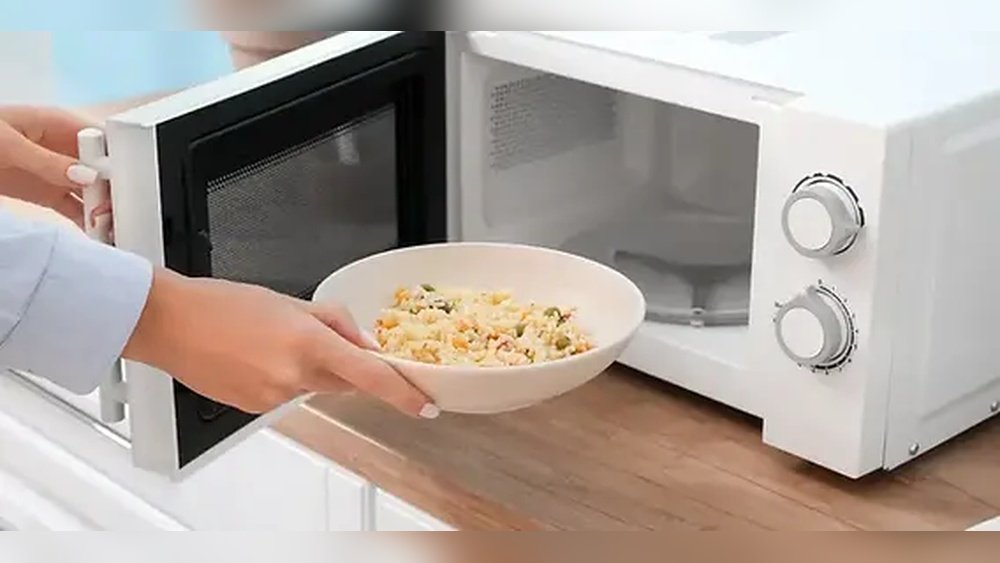
Finding ants inside your microwave can be a frustrating experience. You open the door, expecting to heat your meal, and instead you see tiny ants crawling around. Maybe they’re on the turntable, hiding in the corners, or even inside the control panel. You’re not alone—this is a surprisingly common problem, especially in warmer climates or during the summer months. Microwaves offer warmth, food crumbs, and shelter, which are exactly what ants look for.
But getting rid of ants in your microwave is not as simple as just wiping them away. If you do not solve the root cause, they will come back. Worse, using harsh chemical sprays can make your microwave unsafe for food.
In this guide, you’ll learn safe, effective, and practical ways to remove ants from your microwave—and keep them out for good. We’ll go step by step, from understanding why ants are there, to cleaning, to prevention, and even how to handle stubborn infestations.
You will also learn common mistakes and get answers to questions many people have. Whether you are dealing with a few ants or a whole colony, this guide will give you everything you need for a clean, safe kitchen.
Why Are Ants Attracted To Your Microwave?
It’s easy to blame poor cleaning, but ants can enter even the cleanest homes. Understanding what attracts them is the first step to solving the problem.
Warmth And Shelter
Microwaves are often slightly warm inside, even when not in use. This warmth is attractive to ants, especially in cooler seasons or at night. The closed environment offers protection from larger predators and from people.
Food Residue
Even small crumbs or spills can attract ants. They are excellent at sensing sugar, grease, and other food particles—even those you can’t see. A tiny bit of jam or soup is enough to bring a trail of ants.
Easy Access Points
Microwaves have small gaps, vents, and even holes for electrical wires. Ants need only a tiny space to enter, and these design features make perfect entryways.
Water Source
Sometimes, moisture from cooked food or steam can make the microwave a rare water source, especially in dry environments.
Non-obvious Insight: Many people forget that ants follow scent trails left by other ants. If you clean only the visible ants but don’t remove the scent, more will follow.
Step-by-step Guide To Getting Rid Of Ants In Your Microwave
Here is a detailed, practical process to remove ants from your microwave safely and effectively.
1. Unplug The Microwave
Before you do anything, always unplug your microwave. This is important for your safety. Never use water or cleaning products around an electrical appliance that is still plugged in.
2. Remove And Clean All Removable Parts
Take out the glass turntable and any other removable trays or racks. Wash them with hot, soapy water. Ants and their scent trails can linger on these surfaces.
Tip: Check for ants hiding under the turntable or in the grooves where it sits.
3. Inspect The Microwave Interior
Carefully look inside the microwave, especially in corners, under the turntable, and around the door seals. Use a flashlight if needed. Wipe up any ants you see using a damp paper towel.
4. Deep Clean The Microwave
Make a cleaning solution of equal parts water and white vinegar. Vinegar helps remove food residue and also masks the ant scent trail.
- Dip a clean cloth in the solution and wipe all interior surfaces, including the ceiling, sides, and floor of the microwave.
- Pay special attention to the door, the seal, and any crevices.
- For tough spots, heat a bowl of vinegar-water (1 cup each) in the microwave for 3-5 minutes. Let the steam loosen dried food, then wipe clean.
5. Clean The Exterior And Entry Points
Ants often enter through vents or the back of the microwave. Wipe down the exterior, focusing on:
- Vents
- Underneath the microwave
- The area around the power cord
Use the vinegar solution here as well.
Non-obvious Insight: Don’t forget to clean the surface where the microwave sits. Ants may be nesting underneath or behind the appliance.
6. Remove Ants From Control Panel And Gaps
If you see ants crawling in or near the buttons or display, they may be inside the control panel. Do not spray anything inside. Instead:
- Use a can of compressed air to blow ants out of small gaps.
- Use a cotton swab dampened with vinegar to gently clean around the buttons.
- If you suspect a large number of ants inside, consider professional servicing.
7. Clean Surrounding Kitchen Area
Ants rarely live only inside the microwave. Clean nearby counters, cabinets, and floors. Sweep and mop the area, especially if you keep bread, sugar, or snacks nearby.
8. Dispose Of Ants And Cleaning Materials
Throw away any paper towels or cloths used to wipe ants. Wash your hands. Clean sponges or rags well, or use disposable ones.
9. Let The Microwave Air Out
Leave the microwave door open for 30-60 minutes to let it dry and air out. This also removes any lingering vinegar smell.
10. Plug In And Test
Once everything is dry and clean, plug the microwave back in and test it with a cup of water. Make sure it works as expected.
Natural Ant Removal Methods (safe For Food Areas)
You may want to avoid chemicals, especially inside appliances. Here are natural solutions that are safe and effective.
Vinegar
As used above, vinegar is safe and removes scent trails. It doesn’t kill ants on contact but confuses and deters them.
Lemon Juice
Squeeze fresh lemon juice on a cloth and wipe the microwave. The acidic scent masks ant trails and is safe for food appliances.
Baking Soda And Sugar Trap
Mix equal parts baking soda and sugar. Place a small amount near the microwave (not inside). Ants are attracted to sugar but baking soda harms them.
Diatomaceous Earth
Food-grade diatomaceous earth is a fine powder that is safe for humans and pets but deadly to ants. Sprinkle it around the base of the microwave or in cracks and crevices. Do not put inside the microwave.
Essential Oils
Certain oils—like peppermint, tea tree, or citrus—repel ants. Add a few drops to water and use it to wipe the microwave exterior. Do not use directly on surfaces that will touch food.
Practical Example: Place a cotton ball with peppermint oil behind the microwave to keep ants away.
What Not To Do: Common Mistakes To Avoid
Some mistakes can make the problem worse or even unsafe.
- Never spray insecticide or bug spray inside the microwave. The chemicals can remain and contaminate your food.
- Do not use bleach or harsh cleaners inside. These are not food-safe and can damage surfaces.
- Don’t ignore the area around the microwave. If you only clean the microwave but ignore the kitchen, ants will return.
- Avoid using traps inside the microwave. This can lead to dead ants decomposing where you heat your food.
- Don’t block vents or air holes. Some people try to tape over vents to keep ants out, but this can cause your microwave to overheat.
Non-obvious Mistake: Some people use sugary bait inside the microwave, thinking it will draw ants out. This just encourages more ants and leaves dangerous residues.

Credit: www.wikihow.com
How To Find And Remove The Ant Nest
Killing ants in the microwave is only a short-term fix. To stop the problem, you must find and remove the nest.
Follow The Ant Trail
Watch carefully where ants enter and exit the microwave. Often, you’ll see a line of ants going to a wall, cupboard, or even outside the house.
Check Common Nesting Areas
- Behind or under kitchen appliances
- Wall cracks near the microwave
- Under sinks or in moist areas
Use Bait Traps (outside Microwave)
Ant bait traps can be placed near the microwave, but not inside. The ants take poison back to the nest, killing the colony. Follow package directions carefully.
Seal Entry Points
Once you find where ants are coming in, seal cracks with caulk or use weather stripping. This prevents future invasions.
Long-term Prevention: How To Keep Ants Out For Good
Cleaning alone is not enough. Preventive measures are key to making sure ants do not return.
Store Food Properly
Keep bread, sugar, snacks, and leftovers in sealed containers. Ants can smell food through thin plastic or paper.
Clean Regularly
Wipe the microwave after every use. Sweep the kitchen floor daily and mop at least once a week. Don’t forget hard-to-reach spots like under the microwave.
Fix Leaks And Moisture
Repair leaking sinks, pipes, or dishwashers. Ants need water, and even a small drip is enough.
Empty Trash Frequently
Take out the garbage every day, especially if you throw away food scraps.
Check Windows And Doors
Make sure windows and doors are sealed. Use weather stripping if needed.
Use Natural Repellents
Place cotton balls soaked in essential oils behind the microwave, under cabinets, or near entry points. Replace every week.
Keep The Microwave Area Dry
Wipe up condensation or spills immediately. Leave the microwave door open for a few minutes after use to let moisture escape.
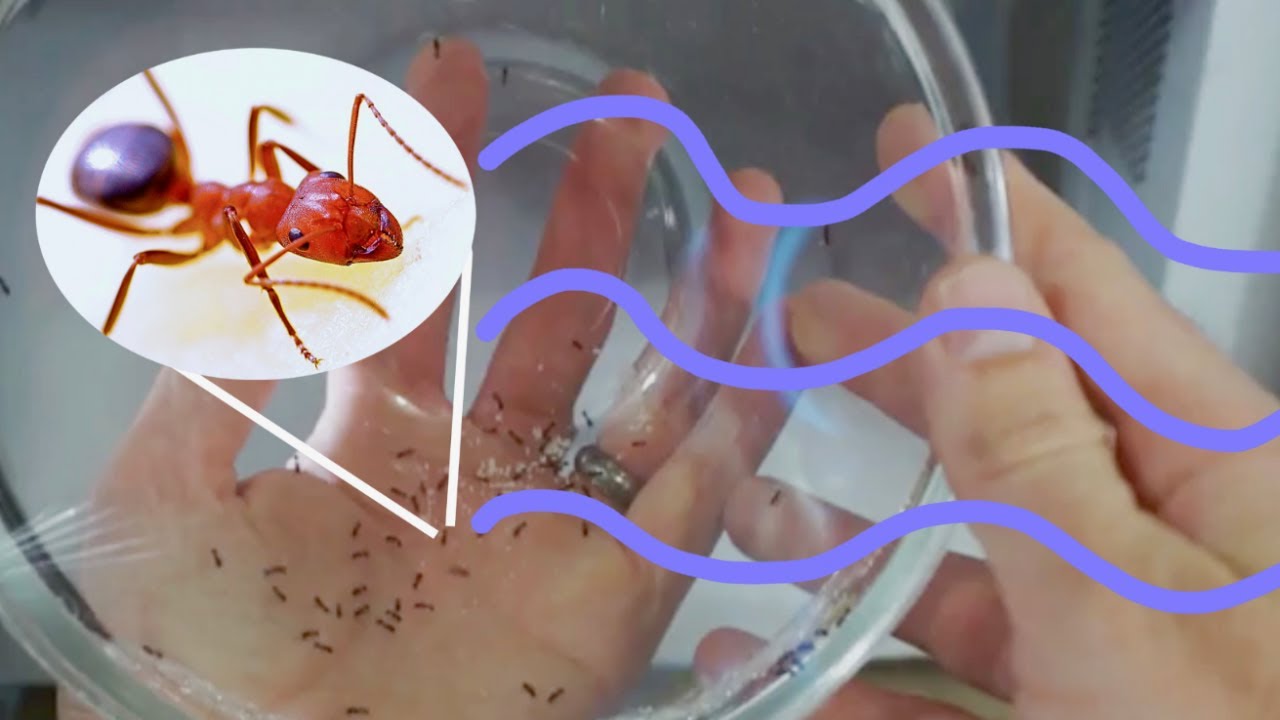
How Do Ants Survive In The Microwave?
Ants are surprisingly tough. Here’s why simply running the microwave does not always kill them:
Microwave Hotspots And Cold Spots
Microwaves heat unevenly. There are areas where the heat is lower (cold spots). Ants can survive by moving quickly to these areas.
Ants Are Small And Fast
Because ants are tiny and move quickly, they may not get enough exposure to microwaves to be killed.
Not All Ants Are Inside When You Run It
Many ants may be in cracks or outside the microwave when you try to heat something.
Interesting Fact: Some experiments show that insects can survive microwave bursts if they are not directly exposed to the hottest spots.
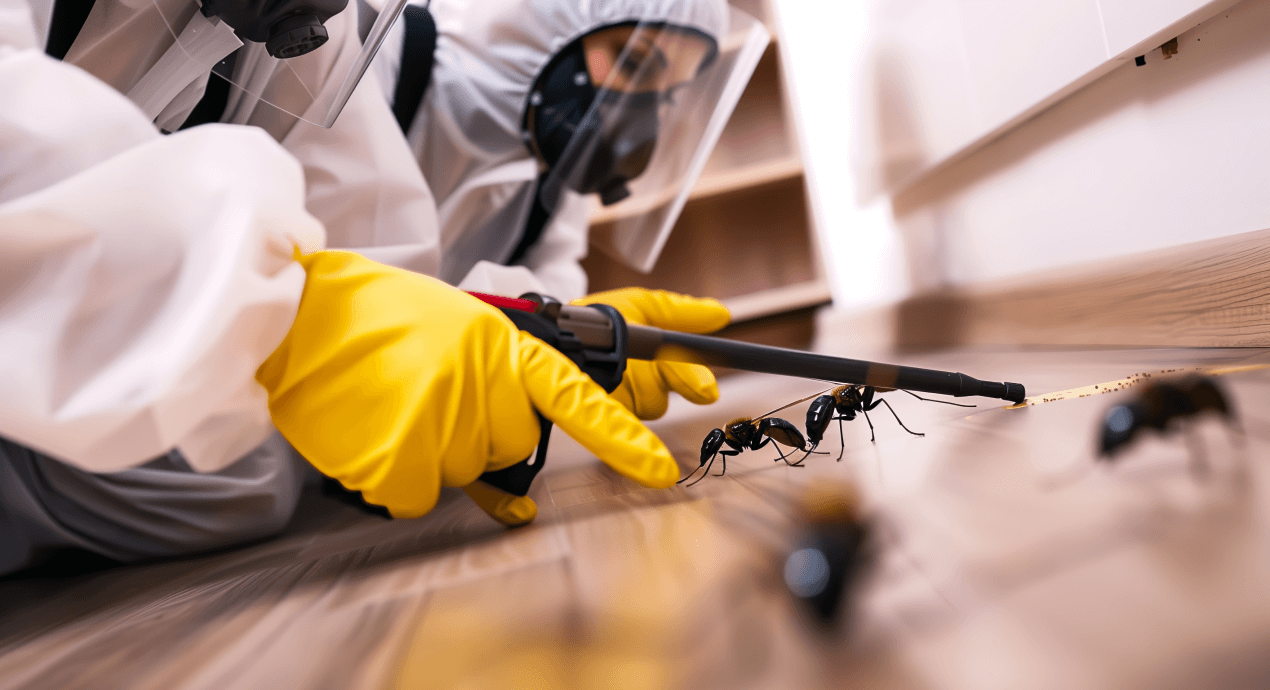
When To Call A Professional
Sometimes, home solutions are not enough. You should call a pest control professional if:
- Ants keep returning, even after deep cleaning and sealing.
- You see hundreds of ants, or they are nesting inside the microwave or walls.
- You find electrical problems (e.g., microwave buttons not working), which could be caused by ants damaging wires.
Professionals have special tools and safe chemicals to remove ants without harming your kitchen or family.
Comparing Ant Removal Methods
To help you understand which method fits your situation, here is a comparison of common ant removal techniques:
| Method | Effectiveness | Safety for Food | Speed | Best For |
|---|---|---|---|---|
| Vinegar Cleaning | Good | High | Fast | Everyday Cleaning |
| Baking Soda & Sugar Trap | Moderate | High (if used outside microwave) | Slow | Small Infestations |
| Diatomaceous Earth | Very Good | High | Medium | Prevention |
| Commercial Insecticide | Excellent | Low | Fast | Severe Infestations (outside appliances) |
| Professional Exterminator | Excellent | High | Medium | Large Infestations |
How Ant Infestations Affect Your Microwave And Kitchen
Ants are not just a nuisance—they can cause real problems if not dealt with quickly.
Electrical Damage
Some ants, especially crazy ants and carpenter ants, are attracted to electrical wiring. They can chew on wires, causing the microwave to malfunction or even creating a fire risk.
Health Risks
Ants walk through garbage and dirty areas before entering your microwave. This can spread bacteria to your food, increasing the risk of illness.
Food Contamination
Ants can leave behind formic acid, feces, and body parts. This contaminates food and can cause allergic reactions in sensitive people.
Non-obvious Insight: Even if you don’t see ants every day, their scent trails can attract other insects, making your kitchen a target for future pests.
Real-world Example: Ant Infestation Timeline
Here’s a typical timeline of how an ant infestation in your microwave might progress if not handled:
| Day | What Happens | Impact |
|---|---|---|
| 1 | First ants appear, attracted by crumbs | Minor annoyance |
| 3-5 | More ants follow scent trail | Visible lines of ants |
| 7-14 | Colony establishes nest nearby | Hundreds of ants possible |
| 15+ | Ants spread to other kitchen areas | Risk of contamination, electrical damage |
How To Clean And Maintain Your Microwave (to Prevent Ants)
Regular maintenance is the key to an ant-free microwave.
Daily
- Wipe inside and outside with a damp cloth after each use
- Check for crumbs or spills
Weekly
- Remove turntable and wash with soap and water
- Clean underneath and behind the microwave
- Inspect for signs of ants or other pests
Monthly
- Deep clean with vinegar or lemon water steam
- Check and reseal any gaps or cracks
- Refresh natural repellents (cotton balls with essential oils)
Pro Tip: Mark your calendar for microwave cleaning day to make it a habit.
Credit: www.libertyhomeguard.com
Comparing Diy Vs. Professional Solutions
Which option fits your situation? Here’s a side-by-side look:
| Factor | DIY Methods | Professional Help |
|---|---|---|
| Cost | Low (household items) | High (service fee) |
| Time | Moderate (do it yourself) | Fast (expert help) |
| Effectiveness | Good for small problems | Best for large infestations |
| Safety | High (if natural) | High (if reputable company) |
| Recurrence | Possible if nest is missed | Unlikely if nest is treated |
Extra Tips For Busy People
Not everyone has time for deep cleaning every day. Here are some quick habits that make a big difference:
- Keep a small spray bottle of vinegar water nearby. Wipe after each use.
- Store snacks and bread in the fridge to make them harder for ants to find.
- Place sticky traps behind appliances (not inside).
- Quickly wipe spills, even if you are in a hurry.
- Set a reminder on your phone to check for ants once a week.
What To Do If Ants Keep Coming Back
If you have followed all steps but still see ants, consider these possible reasons:
- The nest is inside the walls or floor, not just near the microwave.
- There is a hidden food source nearby (e.g., behind the fridge).
- Entry points are not sealed properly.
- Your neighbors have infestations, and ants are spreading through connected apartments or walls.
In these cases, outside help or a more thorough inspection may be needed.
When It’s Time To Replace Your Microwave
If an infestation is severe, or if your microwave is damaged, replacement may be safer. Signs you need a new microwave:
- Buttons or display stop working
- You smell burning or see sparks
- The microwave makes strange noises after cleaning
- You see ants inside even after deep cleaning and sealing
A new microwave can be a fresh start, but remember to keep the area clean and protected from the start.
Credit: www.youtube.com
Frequently Asked Questions
Why Do Ants Keep Coming Back To My Microwave?
Ants leave a scent trail that other ants follow. If you do not clean with vinegar or another scent remover, new ants will keep finding the way back, even after you remove the old ones.
Can I Use Bug Spray Inside My Microwave?
No. Bug sprays contain chemicals that are dangerous if they come in contact with food. They also can damage the microwave’s components. Use only food-safe cleaners like vinegar or lemon juice.
Will Running The Microwave Kill The Ants Inside?
Not always. Ants can survive by moving to cooler spots inside the microwave. Some may escape the heat. It’s better to remove them by cleaning and finding the nest.
Are Ants In The Microwave Dangerous To My Health?
Yes, they can be. Ants can carry bacteria and contaminate food. They also leave behind waste and chemicals that can cause allergic reactions in sensitive people.
What If The Ant Problem Is Inside The Microwave’s Electronics?
If ants are inside the control panel or wiring, do not try to open the microwave yourself. This can be dangerous. Instead, unplug the microwave and call a professional repair technician or pest control service.
For more on safe pest removal, you can visit EPA: Safe Pest Control.
Keeping your microwave ant-free is possible with the right steps, regular cleaning, and a little patience. By addressing both the ants you see and the hidden nest, you can enjoy a safe, clean kitchen again.