
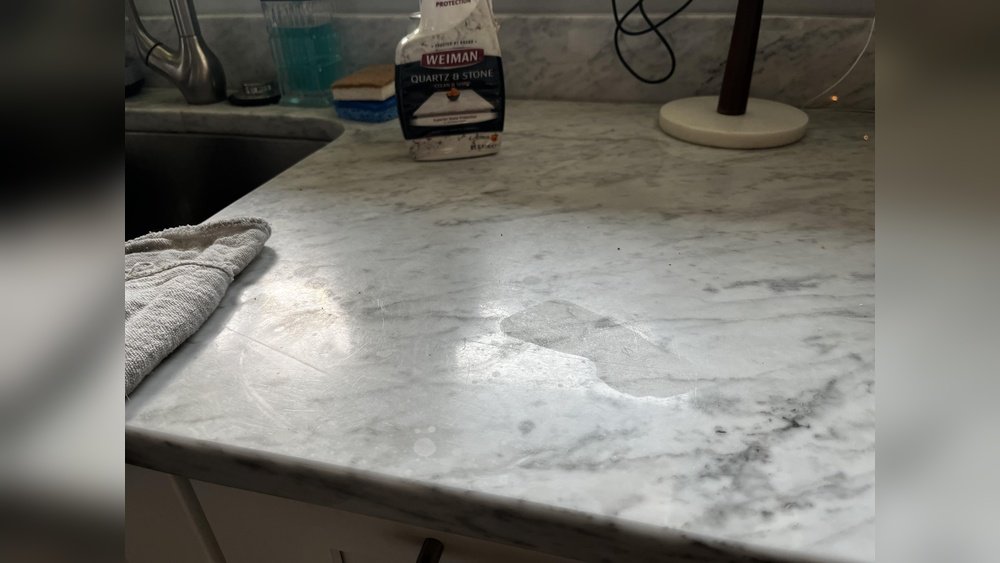
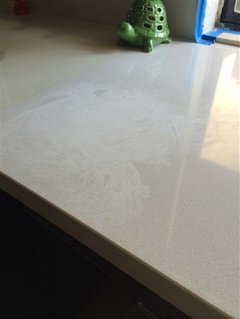
A quartz countertop brings style and value to any kitchen or bathroom. Its smooth, glossy surface is a favorite for many homeowners because it’s both beautiful and durable. But what happens when you see a dull spot on your quartz countertop? Suddenly, that perfect shine is interrupted by a patch that looks faded, cloudy, or rough. This is a common worry, but the good news is: most dull spots can be fixed with the right approach.
If you’re seeing dull spots, you might wonder: What caused it? Can I fix it myself? Is this a sign of permanent damage? This guide will answer all those questions and walk you through each step to restore your quartz to its original shine. You’ll learn what makes quartz unique, what causes dull spots, and how to safely clean, treat, and protect your countertop. Even if you’ve never tackled a home project before, you’ll find clear, practical steps here.
Let’s dive in and return your countertop to the stunning centerpiece it was meant to be.
Understanding Quartz Countertops
Quartz countertops are made from a mix of natural quartz crystals and resin binders. This engineered stone combines the best qualities of both: the strength of stone and the flexibility of resin. About 90-95% of a quartz slab is pure quartz, while the rest is resins, pigments, and sometimes small amounts of glass or metal for sparkle.
Why Quartz Is Popular
- Non-porous surface: Unlike granite or marble, quartz won’t absorb spills easily.
- Resistant to stains: Coffee, wine, and oil won’t soak in as quickly.
- Low maintenance: No sealing needed like with natural stone.
- Consistent look: Manufactured slabs mean colors and patterns are uniform.
Common Vulnerabilities
Quartz is very tough, but it’s not indestructible. The resin can react to heat, chemicals, or harsh cleaning products. This is where most dull spots come from—not from the quartz itself, but from something affecting the resin layer.
What Causes Dull Spots On Quartz Countertops?
A dull spot is usually a patch where the surface has lost its shine. Understanding the cause is key to fixing it properly.
Top Reasons For Dull Spots
- Chemical damage: Strong cleaners, bleach, oven cleaner, or acidic products (like vinegar) can break down the resin.
- Heat damage: Placing hot pans or appliances directly on quartz can discolor or dull the surface.
- Abrasive scrubbing: Using rough pads or powders can scratch the resin, making it appear cloudy.
- Hard water deposits: Minerals from water can build up and dull the surface.
- Improper cleaning products: Some “all-purpose” or glass cleaners are too harsh for quartz.
- Residue from spills: Sugary drinks or oils left uncleaned can leave a film.
When To Worry About Permanent Damage
Most dull spots are on the surface and fixable. However, deep burns or etching may be permanent. If you see white marks, rough texture, or deep discoloration, fixing may need a pro.

Credit: www.reddit.com
Tools And Materials You’ll Need
Before you start, it’s important to have the right tools. Using the wrong items can make things worse.
- Microfiber cloths: Gentle and won’t scratch.
- Mild dish soap: For basic cleaning.
- Warm water: Essential for rinsing and wiping.
- Non-abrasive sponge: Soft side only.
- Isopropyl alcohol (70%): Helps remove tough residue.
- Quartz polish or stone polish: For restoring shine.
- Plastic scraper: For stuck-on residue.
- Baking soda: For gentle cleaning (optional).
- Spray bottle: For easy application of solutions.
- Paper towels: For drying.
Never use steel wool, abrasive powders, or harsh chemicals.
Step-by-step: How To Fix Dull Spot On Quartz Countertop
Now, let’s get hands-on. Follow each step carefully, and don’t rush.
1. Identify The Cause
Before you begin, try to figure out what caused the dull spot. Did you use a new cleaner? Spill something? Was a hot pan placed there? Knowing the cause helps avoid repeated damage.
2. Basic Cleaning
Start simple. Sometimes, a dull spot is just stubborn residue.
- Mix a few drops of mild dish soap with warm water.
- Dip a microfiber cloth in the solution and gently scrub the spot.
- Wipe with a clean, damp cloth to remove any soap.
- Dry with a paper towel.
If this brings back the shine, the spot was just dirty. If not, move on.
3. Removing Residue And Stains
For sticky or greasy spots:
- Dampen a cloth with isopropyl alcohol.
- Wipe the area in small circles.
- Rinse with water and dry.
Isopropyl alcohol helps cut through oils and sticky residue without harming quartz.
4. Tackle Hard Water Deposits
If you live in an area with hard water, minerals can collect and dull your countertop.
- Mix equal parts white vinegar and water in a spray bottle.
- Spray on the spot and let sit for 3-5 minutes.
- Wipe away with a damp cloth, then dry.
Important: Don’t leave vinegar on quartz for long, and rinse thoroughly. It’s safe for short use but should not sit on the surface.
5. Gentle Abrasive For Stubborn Spots
If the dull spot is still there, try a mild abrasive—baking soda.
- Make a paste: Mix baking soda with a little water.
- Apply to the spot and gently rub with a soft cloth.
- Rinse and dry.
Baking soda is less likely to scratch than commercial powders, but use it gently.
6. Polishing The Surface
If the shine hasn’t returned, it’s time to polish.
- Buy a quartz-specific polish (follow the label instructions).
- Apply a small amount to the dull area.
- Buff in circles with a clean microfiber cloth.
- Wipe away excess polish and inspect the shine.
If needed, repeat once. Don’t over-polish, as this can cause a greasy look.
7. Dealing With Surface Etching Or Light Burns
If the spot is rough or slightly melted, it might be minor etching or a heat mark.
- Lightly sand the area with very fine (1,000-1,500 grit) wet/dry sandpaper.
- Dampen the sandpaper and gently rub the spot in a circular motion.
- Wipe clean, then use a quartz polish to restore shine.
Caution: Only do this if you feel comfortable. Test on a hidden area first. Sanding removes a tiny layer of resin, not quartz. Never use coarse sandpaper.
8. When To Call A Professional
If the dull spot is deep, covers a large area, or you see cracks or chips, it’s best to call a stone restoration expert. They have machines and products that homeowners don’t.
Comparing Fix Methods: Pros And Cons
Not all dull spots are the same. Here’s a quick comparison of common solutions and when they’re best:
| Method | Best For | Pros | Cons |
|---|---|---|---|
| Basic Cleaning | Light residue, everyday spots | Easy, safe, cheap | May not remove tough spots |
| Isopropyl Alcohol | Greasy or sticky marks | Fast, effective, no harm | Can’t fix etching or burns |
| Baking Soda Paste | Stubborn surface stains | Mildly abrasive, safe if gentle | Over-scrubbing can dull surface |
| Quartz Polish | Lack of shine, light surface dullness | Restores gloss, easy to use | Doesn’t fix deep damage |
| Professional Restoration | Deep burns, etching, large areas | Expert results, restores surface | Expensive, needs appointment |
Common Mistakes To Avoid
Many homeowners accidentally make dull spots worse. Here are mistakes to watch for:
- Using abrasive cleaners: Anything gritty (like scouring powder) will scratch the resin.
- Letting spills sit: Acidic or colored liquids can stain or etch if not wiped up quickly.
- Placing hot items directly: Quartz can handle some heat, but not direct contact with pans or appliances.
- Skipping rinse steps: Leaving cleaner residue can attract dirt or cause streaks.
- Using the wrong polish: Some polishes are for granite, not quartz, and can leave a film.
Preventing Future Dull Spots
Prevention is easier than repair. Here’s how to keep your quartz looking new:
Daily Care
- Wipe up spills right away.
- Clean daily with warm water and mild dish soap.
- Use a soft sponge or microfiber cloth.
What To Avoid
- Don’t use vinegar, bleach, or ammonia for routine cleaning.
- Avoid “magic erasers” or scouring pads.
- Never use oven cleaner or paint remover.
Protecting The Surface
- Use trivets or hot pads under pans and appliances.
- Cut on a board, not the countertop.
- Place mats under small appliances that vibrate (like blenders).
Yearly Maintenance
Quartz doesn’t need sealing, but a yearly polish with a quartz-safe product can help maintain gloss.
When Is A Dull Spot More Than A Cosmetic Problem?
A single dull spot is usually just a surface issue. But if you notice these signs, there may be a bigger problem:
- Multiple dull spots appearing over time.
- Cracking, chipping, or discoloration.
- The spot feels rough or “sticky.”
Sometimes, this means the resin is breaking down from repeated chemical exposure or heat. If so, call a professional for advice.
Real-world Example: Fixing A Dull Spot
A homeowner in Texas noticed a dull patch after using a new spray cleaner. The spot wouldn’t shine, even after normal cleaning. Here’s how they fixed it:
- Washed the area with dish soap and water.
- Used isopropyl alcohol to remove possible residue.
- Made a baking soda paste and rubbed gently.
- Applied a quartz polish with a microfiber cloth.
- The shine returned after drying.
The lesson: Most dull spots are surface-level and fixable without special tools.
How Quartz Compares To Other Countertops
Quartz is durable, but how does it stack up to other popular materials when it comes to dull spots?
| Countertop Type | Dull Spot Risk | Repair Difficulty | Maintenance Needs |
|---|---|---|---|
| Quartz | Low to moderate | Easy to moderate | Low |
| Granite | Moderate | Moderate | Needs sealing |
| Marble | High | Challenging | High |
| Laminate | Moderate | Easy | Low |
| Solid Surface (e.g., Corian) | Moderate | Easy to moderate | Low |
As the table shows, quartz is one of the easiest surfaces to fix and maintain if a dull spot appears.
How To Choose The Right Cleaning And Polishing Products
With so many products on the market, it’s easy to get confused. Here’s what matters most:
- Look for products labeled for quartz or “engineered stone.”
- Check online reviews and ratings.
- Avoid anything with bleach, ammonia, or acid.
- Ask your countertop installer or manufacturer for recommendations.
Some popular brands include Method, Weiman, and Granite Gold. Always test new products on a small, hidden area first.
Diy Vs. Professional Help: Which Is Right For You?
You can fix most dull spots yourself. But sometimes, it’s smarter to call an expert.
Diy Is Best When:
- The spot is small and not deep.
- The surface is not rough or cracked.
- You feel comfortable following the steps above.
Call A Pro If:
- The dull spot covers a large area.
- You see cracks, chips, or color loss.
- DIY methods haven’t worked.
- The spot feels sticky, melted, or “soft.”
Professionals use machines like orbital polishers and special compounds to refinish the surface. Costs vary but expect $200–$400 for a small repair.
The Science Behind Quartz Dullness
Quartz is tough, but the resin binder is the weak spot. Resins can be affected by:
- PH extremes: Both acidic and basic chemicals can break bonds.
- Heat: Above 300°F, resins can soften or discolor.
- UV light: Over years, sunlight can fade colors in some slabs.
Understanding this helps you choose safe cleaners and avoid accidental damage.
Myths About Quartz Care
- “Quartz is indestructible.” Not true! It’s strong, but resins can be damaged.
- “Sealing makes quartz shine.” Quartz doesn’t need sealing; it’s non-porous.
- “All polishes work on all stone.” Some polishes can make quartz look greasy or streaky.
- “Magic erasers are safe.” They’re abrasive and can dull the surface.
Always follow the advice specific to quartz.

Credit: www.reddit.com
Extra Tips For Long-lasting Shine
- Rotate where you place kitchen appliances to avoid repeated heat in one spot.
- Use coasters for drinks to prevent rings and build-up.
- Clean up citrus juices, wine, and vinegar spills fast—they’re acidic.
- Give your countertop a gentle buff with a dry microfiber cloth each week for a quick shine.
Frequently Asked Questions
What Is The Fastest Way To Remove A Dull Spot From Quartz?
The fastest safe method is to clean with isopropyl alcohol and a microfiber cloth. If that fails, use a quartz-specific polish. Never rush to abrasive methods, as you can make the problem worse.
Can I Use Bleach Or Vinegar To Clean Quartz Countertops?
No, both bleach and vinegar can damage the resin in quartz. Use mild dish soap for routine cleaning. Vinegar is only safe in small amounts for hard water spots, and it must be rinsed quickly.
Are Dull Spots On Quartz Permanent?
Most are not permanent. Surface dull spots can usually be restored with cleaning and polishing. Deep burns, etching, or discoloration may need professional help, and some may be permanent.
How Do I Know If I Need A Professional To Fix My Countertop?
Call a pro if the dull spot is deep, widespread, or feels rough. If DIY methods don’t work after careful tries, or if you see cracks or chips, a stone restoration expert is your best bet.
What Is The Best Product To Polish Quartz Countertops?
Use a product specifically labeled for quartz or “engineered stone.” Popular choices include Weiman Quartz Cleaner & Polish or Method Daily Granite Cleaner (which also works on quartz). Always check the label and test on a small area first. For more information on quartz care, see this Houzz quartz cleaning guide.
Restoring the beauty of your quartz countertop isn’t hard if you know what to do. With a gentle touch and the right products, you can fix dull spots and keep your kitchen or bathroom looking bright and welcoming for years to come.
Credit: www.houzz.com