

A dishwasher makes life easier, but when the soap dispenser door latch stops working, dishes don’t get clean, and frustration builds quickly. You may notice the detergent pod stuck in the compartment or soap left untouched at the end of the cycle. If this sounds familiar, you’re not alone. Many homeowners face this issue, and the good news is: you can often fix it yourself without calling a professional. This guide is here to help you understand, diagnose, and repair your dishwasher’s soap dispenser door latch. Whether you’re handy or a first-timer, clear steps and practical tips will help you bring your machine back to life.
How The Dishwasher Soap Dispenser Door Latch Works
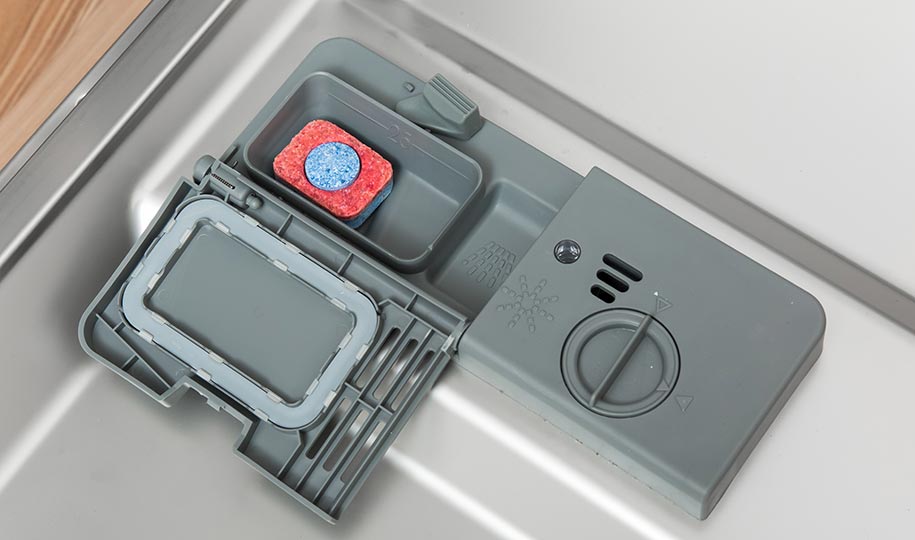
Most modern dishwashers have a detergent dispenser with a spring-loaded door. During the wash cycle, the dishwasher’s control system sends a signal to release the latch, opening the door and letting soap enter at just the right moment. The door stays closed until the machine is ready for detergent, which is important for cleaning efficiency.
The latch itself is a small but crucial part. It’s usually a plastic or metal hook that locks the door in place. When triggered, a solenoid or wax motor releases the latch, allowing the door to spring open. If the latch is broken or jammed, the door won’t open, and detergent stays trapped.
Understanding this mechanism helps you see why the latch matters and why fixing it can restore your dishwasher’s performance.
Signs Of A Faulty Soap Dispenser Door Latch
A broken or sticky latch doesn’t always mean the door won’t open at all. Here are the most common symptoms:
- Detergent residue remains inside the dispenser after the cycle.
- The dispenser door doesn’t open during a cycle.
- The door is hard to close or pops open before the wash begins.
- Dishes come out dirty, greasy, or with leftover food.
- The latch feels loose or has visible cracks.
If you spot any of these signs, it’s likely that the latch is at fault, but sometimes other issues are involved too.
Safety Precautions Before You Start
Before working on your dishwasher, always put safety first:
- Unplug the dishwasher or turn off the circuit breaker. Water and electricity can be a dangerous combination.
- Shut off the water supply if you need to disconnect hoses.
- Wear gloves to protect your hands from sharp edges.
- Keep a towel nearby to catch any water drips.
- If you have a built-in model, be careful moving the dishwasher so you don’t damage floors or cabinets.
Safety is not just a step—it’s the foundation for any repair.
Tools And Materials Needed
For a successful repair, gather these basic tools and supplies:
- Phillips and flathead screwdrivers
- Needle-nose pliers
- Small nut driver (usually 1/4-inch or 5/16-inch)
- Multimeter (for electrical checks)
- Soft cloth or towel
- Replacement door latch kit (make sure it fits your model)
- Mild cleaner for grime removal
Having the right tools saves time and prevents damage to the machine.
Diagnosing The Problem
Don’t rush to replace parts before you know the real cause. Here’s how to check if the soap dispenser latch is the issue:
1. Inspect The Dispenser Door
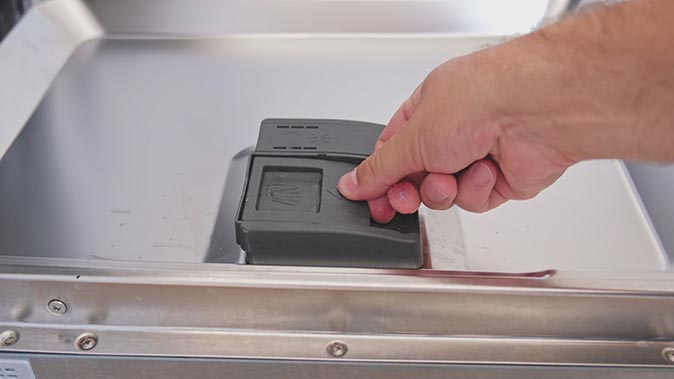
Open the dishwasher and try to close and open the dispenser by hand. It should snap shut and open with a click. If it’s loose, sticky, or won’t latch, there’s likely a mechanical problem.
2. Check For Blockages
Sometimes, utensils or dishes block the door from opening. Run a cycle with the bottom rack empty. If the door opens, the problem may not be the latch.
3. Examine The Latch Mechanism
Look for any obvious damage like cracks, broken springs, or worn-out hooks. Use a flashlight for a closer look.
4. Test The Solenoid Or Wax Motor
If your model uses an electric release, check for power at the solenoid terminals with a multimeter during the wash cycle. No power could mean a control board issue, but if power is present and the latch doesn’t release, the solenoid is likely bad.
5. Listen For Unusual Sounds
A loud snap, grinding, or no sound at all when the door should open can help you pinpoint the issue.
Common Causes Of Soap Dispenser Latch Failure
Latch problems often come from one or more of these sources:
- Worn-out plastic: Over time, plastic latches can crack or lose tension.
- Broken springs: The latch spring may snap or weaken.
- Soap buildup: Detergent residue can gum up the latch.
- Faulty solenoid: If electric, a failed solenoid can’t release the door.
- Improper loading: Large dishes or utensils can block the door.
- Misaligned door: The dispenser itself may be loose or misaligned.
- Control board failure: Rare, but sometimes the control system fails to signal the latch.
Knowing the most likely causes helps you focus your troubleshooting.
Credit: homewarranty.firstam.com
Step-by-step Guide: How To Fix Dishwasher Soap Dispenser Door Latch
Now, let’s get hands-on with a repair process that suits most dishwasher brands, including Bosch, Whirlpool, GE, and others.
1. Access The Soap Dispenser Assembly
- Open the dishwasher door fully and remove the racks if needed.
- Locate the screws holding the inner door panel. Remove them carefully with a screwdriver.
- Gently lift the inner panel to expose the back of the soap dispenser.
2. Remove The Soap Dispenser
- Disconnect any wire connectors attached to the dispenser.
- Unscrew or unclip the soap dispenser from the door.
- Take the unit out and place it on a towel.
3. Inspect And Clean The Latch Area
- Look for soap buildup, cracks, or broken parts around the latch.
- Clean any residue with a damp cloth and mild cleaner.
- If the latch is stuck, try moving it manually after cleaning.
4. Replace The Latch (if Broken)
- If your model allows, remove just the latch and spring.
- Install the new latch and spring from the repair kit. Make sure it snaps into place and moves freely.
- For some models, you may need to replace the entire dispenser unit.
5. Reinstall The Dispenser
- Reconnect any wires.
- Reattach the soap dispenser to the door, securing it with screws or clips.
- Double-check that the door opens and latches smoothly.
6. Reassemble The Dishwasher Door
- Align the inner door panel and fasten all screws.
- Reinstall the racks.
7. Test The Repair
- Plug the dishwasher back in and run a short cycle.
- Watch the dispenser during the wash—does the door open at the right time?
- If yes, your repair was successful. If not, double-check your steps or look for other issues.
Comparing Dishwasher Soap Dispenser Latch Types
Different brands use different latch designs. Here’s a comparison of the most common types:
| Latch Type | Release Method | Common Brands | Repair Difficulty |
|---|---|---|---|
| Mechanical Spring Latch | Manual or Timer Triggered | Older Whirlpool, Maytag | Easy |
| Solenoid Release Latch | Electric Signal | GE, Bosch | Moderate |
| Wax Motor Latch | Heated Wax Expansion | Some KitchenAid, Samsung | Challenging |
Knowing your type saves time—always check your manual or look up your model online before buying parts.
Credit: homewarranty.firstam.com
Cost Of Fixing A Dishwasher Soap Dispenser Door Latch
Here’s a breakdown of what you might spend on parts and labor:
| Item | Average Cost (USD) | DIY or Professional |
|---|---|---|
| Replacement Latch Kit | $15 – $40 | DIY |
| Complete Dispenser Assembly | $40 – $100 | DIY |
| Professional Labor | $100 – $200 | Pro |
Most homeowners can fix the latch themselves, but if you’re unsure, hiring a technician is sometimes worth the cost.
Practical Tips For A Smooth Repair
Over years of fixing dishwashers, a few tips stand out:
- Take a photo before removing wires or parts. It helps with reassembly.
- Order parts by model number. Even small differences matter—always match the part to your dishwasher.
- Don’t overtighten screws. This can crack plastic parts.
- Check for other issues like damaged gaskets or seals when you have the door open.
- Test the door several times before closing the machine back up. It should spring open smoothly every time.
Preventing Future Latch Problems
Preventive care can save you from future headaches. Here’s what works best:
- Clean the dispenser monthly with a damp cloth to remove soap residue.
- Use the right detergent—powdered and gel types dissolve differently. Check your manual for best results.
- Load dishes properly. Don’t block the dispenser with large plates, pans, or utensils.
- Check for leaks. Moisture inside the door can corrode metal parts.
- Inspect the latch during routine cleaning—look for signs of wear or sticking.
These habits can add years to your dishwasher’s life and keep the latch working reliably.
When To Call A Professional
Some latch problems are simple, but others point to bigger issues:
- No power to the solenoid or wax motor (possible control board problem).
- Door leaks or won’t close after reassembly.
- Dispenser fails repeatedly after multiple repairs.
- Visible cracks in the dishwasher door.
If you run into these, it’s smart to call a qualified technician. They have the tools and experience to handle complex problems, and may spot issues you’ve missed.
Real-world Example: Fixing A Whirlpool Latch
Let’s walk through a typical repair for a Whirlpool dishwasher with a mechanical spring latch:
Maria noticed her dishes weren’t clean and found the detergent pod sitting in the closed dispenser after every cycle. She unplugged her machine, removed the inner door panel, and found the plastic latch broken in half. After ordering a new latch kit for $22, she followed her model’s instructions, swapped in the new latch and spring, and reassembled the door.
The repair took just 40 minutes. On the next cycle, the door popped open as it should, and her dishes sparkled again.
This example shows that with a little patience, most latch problems can be solved at home.
Comparing Diy Vs. Professional Repair
Is it better to fix the latch yourself or call for help? Here’s a quick look:
| Option | Pros | Cons | Best For |
|---|---|---|---|
| DIY Repair | Save money, learn new skills, quick fix | May void warranty, risk of mistakes | Simple latch issues, handy homeowners |
| Professional Service | Expert results, warranty protection | Higher cost, scheduling wait | Complex or electric latch problems, warranty concerns |
For most latch problems, especially mechanical ones, DIY is often the best choice.

Credit: www.reddit.com
Non-obvious Insights Most Beginners Miss
When working on a soap dispenser latch, beginners often overlook these details:
- Dispenser gaskets matter: A worn or misaligned gasket can cause the door to stick, even if the latch is fine. Always check the rubber gasket around the dispenser.
- Cycle timing impacts release: Some dishwashers only release the door late in the cycle. Test with the correct program, not just rinse.
- Humidity inside the door: If you notice condensation or water droplets inside the door panel, this can lead to rust and sticky latches. Dry the area before reassembly and inspect for hidden leaks.
- Electrical checks require care: If your model uses a solenoid, always test voltage with the power off first, then during the cycle with proper safety gear.
These small checks often make the difference between a lasting repair and a repeat issue.
Resources For Further Help
If you need more detailed guides or parts lookup, the official manufacturer websites and appliance repair forums can be very helpful. The Wikipedia Dishwasher page offers a good overview of how dishwashers work, which can help you understand where the soap dispenser fits into the larger system.
Frequently Asked Questions
Why Is My Dishwasher Soap Dispenser Door Not Opening During The Wash Cycle?
The most common reason is a broken or jammed latch. Sometimes, it’s blocked by large dishes or utensils. Electric models may have a failed solenoid or wax motor. Start by checking for physical blockages, then inspect the latch for damage.
Can I Replace The Soap Dispenser Door Latch Myself?
Yes, most people can replace a mechanical latch with basic tools. Electric latches (solenoid or wax motor types) are more complex but still possible for a careful DIYer. Always unplug the dishwasher before starting any repair.
How Do I Know If The Latch Is The Real Problem?
If detergent remains in the dispenser, the door feels loose or won’t close, or you hear no click when closing, the latch is likely at fault. But sometimes, other issues like the timer or control board are responsible, especially if the machine is older.
What If I Install A New Latch And The Problem Continues?
Double-check that you installed the part correctly and that nothing is blocking the door. If the latch works by hand but not during a cycle, test the solenoid or wax motor for electrical faults. If you still have trouble, calling a professional is recommended.
How Can I Prevent The Soap Dispenser Latch From Breaking Again?
Regular cleaning of the dispenser, using the right detergent, and proper dish loading help prevent problems. Avoid slamming the dishwasher door, and check the latch and gasket during routine maintenance.
A working soap dispenser door latch is essential for clean dishes and a happy kitchen. With this guide, you can diagnose, repair, and prevent latch issues yourself, saving time and money. If you run into complex problems, don’t hesitate to call an expert—but for most, a little patience and the right tools are all you need to get your dishwasher running smoothly again.