
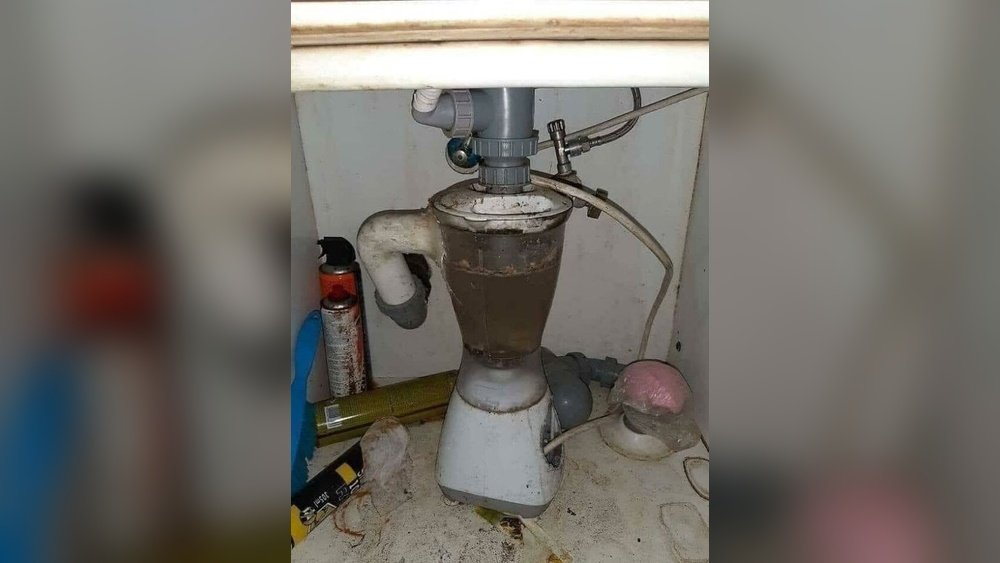
Blenders are a kitchen staple in homes and restaurants around the world. Over time, though, even the best blenders stop working or become outdated. When this happens, many people are unsure about the right way to get rid of their old blender. Simply throwing it in the trash is not the best idea—for your community or the environment. In this guide, you’ll learn exactly how to dispose of a blender safely, legally, and responsibly. Whether your blender is still working or completely broken, you’ll discover your best options and the step-by-step process to follow.
Understanding Why Proper Disposal Matters
Many blenders are made from plastic, metal, and electronic parts. These materials can take hundreds of years to break down in landfills. Some parts, like motors or wires, can even leak chemicals or heavy metals into the soil and water. Improper disposal can also waste resources that could be recycled. When you dispose of your blender correctly, you help protect the environment, reduce pollution, and sometimes even support your local community.
Check If Your Blender Can Be Reused
Before you think about throwing it away, ask yourself: can your blender have a second life? Many blenders are replaced not because they are broken, but because the owner wants a newer model. If your blender still works or needs only a small repair, consider these options:
- Donate to Charity: Charities, thrift stores, and shelters often accept working small appliances. Check their guidelines first—some may only take items in good condition.
- Give to Friends or Family: Someone you know may need a blender for their home, a college dorm, or a first apartment.
- Sell Online: Websites like Craigslist, Facebook Marketplace, and eBay make it easy to sell used blenders. Take clear photos and write an honest description.
- Community Groups: Freecycle or “Buy Nothing” groups let you give away items locally. This option often helps people in need and keeps the blender out of the landfill.
If your blender is only slightly damaged—like a cracked jar or a stuck button—see if it can be repaired. Many small appliance repair shops offer affordable fixes.
Credit: samrinc.com
When Is It Time To Dispose Of Your Blender?
Not every blender can be reused or repaired. Here’s how to know it’s time to dispose of it:
- The motor is burned out and repair costs more than a new blender.
- The plastic is cracked, brittle, or missing large pieces.
- The blades are dull or bent, and replacements are unavailable.
- The wiring or electrical parts are unsafe.
- Replacement parts are too expensive or no longer made.
If you’ve confirmed your blender is at the end of its life, it’s time to pick a safe and responsible disposal method.
Know What Materials Your Blender Contains
Blenders are made from several materials, and this affects your disposal options. Most household blenders include:
- Plastic: Used for the jar, lid, and base. Check for recycling symbols.
- Glass: Some blender jars are glass, which can be recycled separately.
- Metal: Blades, motors, and wiring.
- Electronics: Circuit boards, switches, and cords.
Knowing what’s inside helps you sort out which parts can be recycled, reused, or need special handling.
Main Ways To Dispose Of A Blender
Let’s look at the main methods for getting rid of your old blender. Each option has its own pros and cons, which we’ll compare in detail.
1. Recycling Your Blender
Recycling is one of the most environmentally friendly choices. But not all recycling centers accept small appliances. Here’s what you need to know:
Curbside Recycling
Most city recycling programs do not accept blenders in the regular blue bin. The reason is that blenders contain mixed materials and electronics. However, some programs run special collection days for small appliances.
Electronic Waste (e-waste) Recycling
Many cities and counties have e-waste recycling centers. These facilities are designed to handle electronics and small appliances. When you drop off your blender, they safely remove metals, plastics, and electronics for recycling.
Appliance Recycling Events
Some hardware stores, retailers, or local governments hold “appliance recycling days. ” You can often drop off blenders, toasters, and other small appliances for free.
Manufacturer Take-back Programs
Some blender brands and large retailers offer take-back or recycling programs. They may accept old blenders for proper recycling when you buy a new one.
How To Prepare Your Blender For Recycling
- Unplug and clean the blender.
- Remove any batteries (some models have a battery for digital displays).
- Separate glass jars from the motor base if possible.
- Check your local recycling rules.
Non-obvious insight: Some e-waste recyclers pay a small amount for the metal in your blender, especially if you have other appliances to recycle at the same time.
2. Throwing Away In The Trash (as A Last Resort)
If recycling isn’t an option, and your blender is too damaged for repair, you may have to throw it in the trash. But do this only if you have checked all other options.
- Wrap sharp blades in paper or cardboard to prevent injury.
- Place the blender in a strong garbage bag.
- Some cities require you to schedule a large item pick-up for small appliances.
Non-obvious insight: Throwing a blender in the regular trash is banned in some states and cities due to electronic waste laws. Always check local regulations.
3. Using A Scrap Metal Yard
Scrap metal yards buy and recycle metal parts from appliances. Blender motors, blades, and some bases contain valuable metals like copper and steel. Here’s how to do it:
- Remove the glass or plastic jar.
- Bring the metal base and motor to a scrap yard.
- Ask about current prices—they often pay by weight.
This option is good for blenders with heavy metal parts.
4. Retailer Recycling Programs
Some large retailers (like Best Buy or Staples) accept small appliances for recycling. Check their websites for rules, as some limit the number of items per visit or charge a small fee.
5. Bulk Waste Or Special Collection
Your city may offer bulk waste pick-up or a drop-off location for large or electronic items. This service is usually scheduled and may have a fee. Always ask if small appliances are included.
6. Mail-in Recycling Programs
A few companies offer mail-in recycling for small appliances. You ship your blender in a prepaid box, and they recycle it safely. This is a good option if you live far from a recycling center.
Comparison Of Blender Disposal Methods
To help you choose, here’s a side-by-side look at the most common disposal options:
| Method | Cost | Environmental Impact | Convenience |
|---|---|---|---|
| Recycling Center | Usually Free | Very Low | Medium |
| Trash | Free | High | High |
| Scrap Metal Yard | May Earn Money | Low | Medium |
| Retailer Program | Free or Small Fee | Low | High |
| Mail-In Recycling | Fee for Shipping | Very Low | Low |

Credit: sanjoserecycles.org
Step-by-step Guide: How To Dispose Of A Blender
Let’s walk through the disposal process, step by step. This will help you avoid mistakes and make the process as easy as possible.
Step 1: Unplug And Clean The Blender
Remove any food or liquid. Wash the blender jar, lid, and any removable parts. This prevents odors and makes recycling easier.
Step 2: Check For Local Disposal Options
Visit your city or county website and search for small appliance recycling or e-waste drop-off. Note the location, hours, and any fees.
Step 3: Separate Parts (if Possible)
- Remove the jar from the base.
- If the jar is glass, set it aside for glass recycling.
- Remove and wrap blades to prevent injury.
- Detach cords if possible.
Step 4: Choose The Best Disposal Method
- Is there a recycling center or special event? Use that.
- No recycling available? Try a scrap yard.
- Still no option? Use bulk pick-up or, as a last resort, the trash.
Step 5: Transport And Drop Off
Bring your cleaned and separated blender parts to the right place. Follow any special instructions (like signing a form or labeling the bag).
Step 6: Confirm Disposal
Ask for a receipt if you need proof of recycling (some cities require this for hazardous waste).
What To Do With Blender Parts
Some parts of a blender can be recycled or reused, even if the whole appliance cannot.
- Glass Jar: Recycle with other glass if it’s not broken and your city accepts it.
- Plastic Jar: Check for a recycling symbol. Only some plastics are accepted.
- Metal Blades: Scrap yards usually accept these.
- Motor/Base: Most e-waste centers recycle the motor and base.
- Cord: Copper inside cords is valuable to recyclers.
Tip: If the blender jar is still good, use it for storage, as a flower vase, or for organizing kitchen tools.
Common Mistakes To Avoid
Many people make these errors when disposing of a blender. Avoiding them saves time and helps the environment.
- Throwing in Regular Trash: As mentioned, this is often illegal and bad for the environment.
- Leaving Food Inside: This causes odors and can attract pests.
- Not Removing Batteries: Some blenders have small batteries that must be recycled separately.
- Ignoring Local Laws: Every city is different. Some fine you for improper disposal.
- Mixing Parts: Keep glass, plastic, and metal separate if required.
Laws And Regulations Around Appliance Disposal
Rules for disposing of appliances change from place to place. In the United States, many states have e-waste laws banning electronics from landfills. California, for example, requires all electronics to be recycled by law. Other states, like New York and Illinois, have similar rules.
In the European Union, the WEEE Directive (Waste Electrical and Electronic Equipment) requires recycling of small appliances. Always check your local rules.
Environmental Impact Of Blenders In Landfills
Why not just throw your blender away? When blenders end up in landfills, they create several problems:
- Toxic Chemicals: Motors and wires can leak lead or mercury.
- Plastic Pollution: Plastic parts may never break down.
- Lost Resources: Metals that could be recycled are wasted.
- Soil and Water Pollution: Chemicals can seep into the ground.
By recycling, you help reduce these problems and support the “circular economy. ”
How To Find A Recycling Center
Finding the right drop-off location is simple if you know where to look. Here are some ways to find one near you:
- Search for “e-waste recycling” with your city name.
- Use the Earth911 website to search for recycling centers.
- Call your city’s public works department.
- Ask at local hardware stores or big box retailers.
Some services even let you schedule a home pick-up for large amounts of e-waste.
Special Disposal For Commercial Blenders
Restaurants and juice bars use commercial blenders, which are larger and more powerful. These often require special disposal:
- Contact a commercial appliance recycler.
- Some manufacturers offer take-back for large units.
- Be sure to drain any fluids and clean thoroughly before disposal.
Tip: Commercial blenders may have valuable copper wiring and heavy steel, which can be sold to scrap yards.
Upcycling: Creative Ideas For Old Blenders
If you like DIY projects, your old blender can be turned into something new. Here are some creative ideas:
- Planter: Use the jar as a unique flower pot.
- Lamp Base: Turn the motor base into a lamp with a little wiring.
- Storage Container: Use the jar for pasta, rice, or kitchen tools.
- Art Projects: Kids can use parts for making robots or sculptures.
Upcycling is a fun way to reduce waste and add personality to your home.
Comparing Blender Disposal Methods By Environmental Impact
Here’s a look at how each disposal method affects the environment:
| Method | Recyclable Parts | Waste Generated | Pollution Risk |
|---|---|---|---|
| Recycling Center | High | Low | Very Low |
| Trash | None | High | High |
| Scrap Metal Yard | Medium | Medium | Low |
| Retailer Program | High | Low | Very Low |
| Upcycling | Varies | Very Low | Very Low |
Responsible Disposal When Upgrading Your Blender
If you’re buying a new blender, plan ahead for the old one:
- Ask the store if they will take your old blender when delivering the new one.
- Choose a brand with a recycling or take-back program.
- Check if the new blender is more energy-efficient or made from recycled materials.
This way, you reduce your impact at every step.
The Future Of Blender Recycling
Technology is making recycling easier. Some cities now offer “smart bins” that sort and track e-waste. Manufacturers are designing blenders with fewer mixed materials, making them easier to recycle. Still, the most effective step is to make good choices now—by recycling, reusing, or upcycling your old blender.
Real-world Example: Recycling A Blender In California
In California, it’s illegal to put small appliances like blenders in the trash. Residents must use a certified e-waste recycling center. The process is simple:
- Find a center using the CalRecycle website.
- Drop off your blender during business hours.
- The center separates materials for recycling.
This helps keep over 2 million pounds of electronics out of California landfills each year.
Resources For Further Information
To learn more about appliance disposal and recycling, visit the official US Environmental Protection Agency’s e-waste guidance at EPA Electronics Donation and Recycling.
Frequently Asked Questions
How Do I Know If My Blender Is Recyclable?
Most blenders are recyclable, especially at e-waste centers. Check with your local recycling program—they usually accept electronic appliances. If your city does not, search for a dedicated e-waste facility or ask at a scrap metal yard.
Can I Put My Blender In The Regular Recycling Bin?
No, regular curbside recycling bins do not accept blenders because of mixed materials and electronics. Use a special e-waste drop-off or recycling center instead.
What Should I Do If My Blender Still Works?
If your blender still works, donate it to charity, give it to someone who needs it, or sell it online. This reduces waste and helps someone else.
Is It Safe To Throw My Blender In The Trash?
Throwing a blender in the trash is not recommended and may be illegal in some places. Blenders can leak chemicals and add to landfill waste. Always try recycling or donating first.
Are There Any Fees For Recycling A Blender?
Most recycling centers accept small appliances for free, but some charge a small fee. Retailer programs or mail-in services may also have a fee. Always check before you go.
Proper blender disposal is more important than most people realize. By reusing, recycling, or upcycling, you help keep waste out of landfills and protect our planet. Use the steps in this guide, ask questions in your community, and make the best choice for your old blender and for the environment.
Credit: www.1800gotjunk.com