
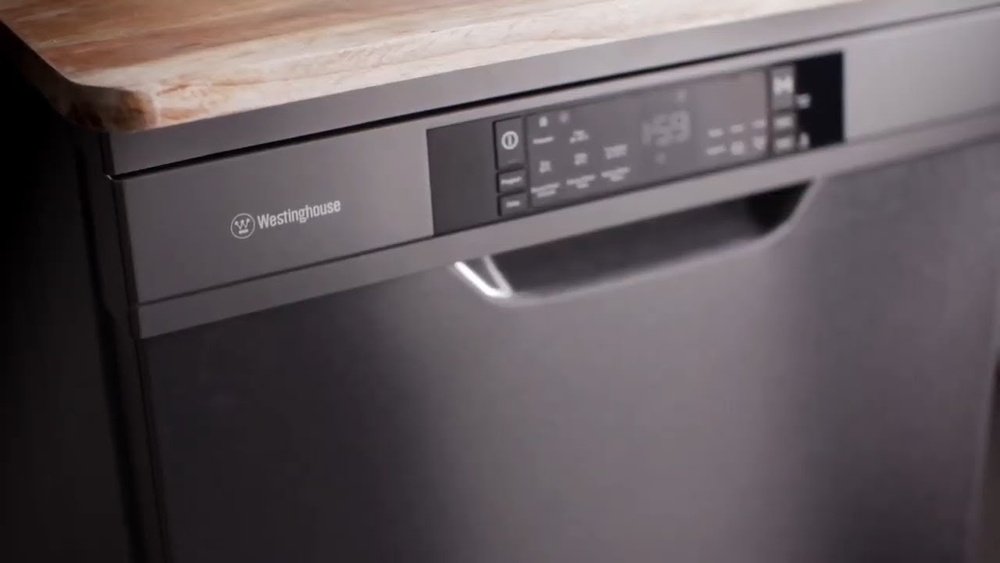
Keeping your Westinghouse dishwasher clean is not just about looking good—it’s about better cleaning, longer life, and a kitchen that smells fresh. Many people believe dishwashers clean themselves during each cycle. The truth is, food bits, grease, soap, and minerals can build up over time. These can cause bad odors, poor cleaning, and even damage your dishwasher. If you want sparkling dishes and a reliable dishwasher for years, learning to clean it properly is a smart move.
In this guide, you’ll find everything you need to know about cleaning your Westinghouse dishwasher. Whether you’re new to dishwashers or have used them for years, you’ll discover simple steps, helpful tips, and even advanced cleaning techniques. We’ll cover the parts you must clean, how often, what supplies to use, and how to fix common problems.
By the end, you’ll be able to keep your dishwasher in top condition, avoid costly repairs, and enjoy cleaner dishes every day.
Why Cleaning Your Westinghouse Dishwasher Matters
A clean dishwasher does more than just remove dirt. It keeps your machine working at its best. Grease, food particles, and soap scum can clog filters, block spray arms, and create bacteria. If you ignore these, your dishes may come out dirty, the machine might smell, and repairs could be expensive.
Key benefits of regular cleaning:
- Better cleaning performance: No blockages mean water sprays freely and dishes get clean.
- Longer machine life: Less wear and tear from dirt and limescale.
- No bad smells: Bacteria and mold can’t grow if the inside stays clean.
- Lower repair costs: Catching build-up early means fewer breakdowns.
Many Westinghouse dishwashers have sensors and advanced features, but all models still need cleaning. Even if you use rinse aids and detergents, some parts need hand cleaning to stay at their best.
How Often Should You Clean Your Dishwasher?
Not all parts of your dishwasher need cleaning at the same time. Here’s a simple schedule to follow:
| Part | Cleaning Frequency | Reason |
|---|---|---|
| Filter | Every 1-2 weeks | Removes trapped food, stops odors and clogs |
| Spray Arms | Monthly | Prevents blockages for strong water flow |
| Door Seal & Gasket | Monthly | Stops mold and leaks |
| Interior Walls | Every 2 months | Removes grease, limescale, and soap |
| Exterior | As needed | Keeps appearance nice and touch points clean |
Busy households or homes with hard water might need more frequent cleaning. If your dishwasher starts to smell, or dishes come out dirty, try cleaning sooner.
What You Need: Cleaning Supplies And Safety
You don’t need special tools, but a few basics will make the job easier. Here’s what to gather before you start:
- Soft cloths or sponges (non-scratch)
- Old toothbrush or small brush
- White vinegar
- Baking soda
- Dish soap
- Toothpicks or straightened paperclips (for spray holes)
- Small bowl or cup
- Gloves (optional, for sensitive skin)
Most cleaning can be done with household items. Avoid harsh chemicals or steel wool—they can damage the dishwasher’s surfaces.
Before cleaning, always unplug the dishwasher or turn off the power at the breaker. This avoids any risk of electric shock. Make sure the dishwasher is cool and empty before you begin.
Step-by-step: Deep Cleaning Your Westinghouse Dishwasher
Let’s break down the process into clear steps. This routine covers all main parts and goes beyond just wiping down the door.
1. Remove And Clean The Filter
The filter catches food and debris. If left dirty, it can smell and block water.
- Pull out the bottom rack to access the filter (usually in the floor of the dishwasher).
- Twist and lift the filter out. Check your manual for the exact method, as it can vary by model.
- Rinse the filter under warm running water. Use a soft brush to scrub away grease and bits.
- For tough build-up, soak the filter in hot water with a little dish soap for 10 minutes.
- Rinse well and replace the filter, locking it back in place.
Non-obvious tip: Some dishwashers have a fine mesh and a coarse filter—clean both, and check for a “third” microfilter hidden below the main one.
2. Check And Clean Spray Arms
Spray arms push water around your dishwasher. If holes get blocked, dishes won’t come clean.
- Remove the lower and upper racks to reach the spray arms.
- Most arms twist off; check your manual if unsure.
- Rinse the arms under water, and poke out clogged holes with a toothpick or paperclip.
- Soak arms in vinegar if they have limescale or white spots.
- Rinse and reattach.
Insight: Spray arms can develop invisible mineral build-up that weakens water pressure. Even if they look clean, a monthly vinegar soak can help.
3. Wipe The Door Seal And Gasket
The rubber seal keeps water in, but it can collect grime and mold.
- Mix a little dish soap with warm water.
- Use a soft cloth or old toothbrush to gently scrub the seal.
- Pay attention to folds and corners—dirt hides here.
- Wipe dry with a clean towel.
If you see mold or black spots, wipe with vinegar or a diluted bleach solution (1 part bleach to 10 parts water). Rinse well.
4. Clean The Dishwasher Interior
Over time, grease and limescale stick to the walls and racks.
- Use a damp cloth with a little dish soap to wipe the sides, bottom, and racks.
- For stubborn stains, sprinkle baking soda on a wet cloth and scrub gently.
- Don’t forget corners, the door edge, and where the soap dispenser sits.
Pro tip: Removing the racks makes cleaning easier and lets you reach hidden areas.
5. Run A Vinegar Wash Cycle
Vinegar helps remove odors, grease, and minerals.
- Place a cup of white vinegar upright on the top rack (not poured into the bottom).
- Run the dishwasher on the hottest, longest cycle with no detergent and no dishes.
- Let the dishwasher cool and wipe out any loose debris.
Important: Never mix vinegar with bleach or other cleaners—this can produce dangerous fumes.
6. Deodorize With Baking Soda
To freshen and remove stains:
- Sprinkle one cup of baking soda across the bottom of the dishwasher.
- Run a short, hot cycle (no detergent or dishes).
- Wipe out any remaining powder when finished.
7. Clean The Utensil Holder And Racks
Food can stick in these parts.
- Remove the utensil basket and racks if possible.
- Wash with hot soapy water and a brush.
- Rinse well and dry before returning.
8. Wipe The Exterior And Control Panel
Fingerprints and splashes can build up.
- Use a damp, soft cloth with a little dish soap.
- For stainless steel, wipe in the direction of the grain to avoid streaks.
- Dry with a microfiber cloth for a shine.
Expert tip: Never spray cleaner directly on the control panel—apply to the cloth first to avoid moisture inside buttons.
9. Inspect And Clean The Drain
A blocked drain can cause water to pool at the bottom.
- Check under the filter for debris, glass, or food.
- Wipe out anything you find.
- Pour a cup of hot water down the drain to clear any grease.
If the dishwasher still drains slowly, you may need a pro to check the pump.
Special Cleaning For Hard Water And Limescale
If you live in a hard water area, white spots and limescale can build up fast. These deposits not only look bad but can block spray arms and reduce cleaning power.
How to deal with hard water:
- Use a dishwasher cleaner monthly (look for brands safe for Westinghouse).
- Add rinse aid to every cycle.
- Soak removable parts in vinegar every month.
- Consider a water softener if build-up is heavy.
Non-obvious tip: Setting your dishwasher’s water temperature to at least 120°F (49°C) helps dissolve detergent and reduce limescale.
Mold, Mildew, And Odor Removal
Sometimes, dishwashers develop a musty smell or even visible mold. This is usually due to trapped moisture, leftover food, or infrequent use.
Steps to remove mold and odors:
- Clean the filter, seals, and spray arms as above.
- Wipe all visible mold with a vinegar-soaked cloth.
- Leave the door open after cycles to let the inside dry.
- Run a vinegar wash monthly.
If the smell returns, check for leaks or standing water under the machine—hidden moisture can be a problem.
Credit: www.cooperhewitt.org
Cleaning The Soap Dispenser
Soap scum and detergent residue can stick inside the dispenser, stopping it from opening properly.
- Open the dispenser and wipe inside with a damp cloth.
- Use a small brush or toothpick to clean corners and the latch.
- If stuck, soak with warm water and scrub gently.
Check that the dispenser opens and closes smoothly before your next wash.
Advanced Cleaning: Removing Racks And Spray Arms
For a really deep clean, you can remove more parts:
- Pull out both racks and wash in the sink.
- Detach spray arms (usually twist-off or small clips).
- Clean everything with vinegar and hot water.
This is a good time to check for cracks, rust, or worn parts—replace if needed.
How To Clean A Smelly Westinghouse Dishwasher
If your dishwasher smells bad even after cleaning, try these steps:
- Make sure the filter is spotless.
- Pour one cup of white vinegar into the bottom, not just the rack, and let it sit for 30 minutes.
- Run a hot cycle.
- Sprinkle baking soda on the damp interior and let it sit overnight, then run a short wash.
- Check for hidden food bits in the drain, gaskets, and utensil holder.
Persistent smells can also mean a clogged drain hose—this may need a plumber.
Common Mistakes To Avoid
Many people make simple mistakes that can harm their dishwasher or make cleaning less effective.
- Using bleach in stainless steel interiors: This can damage the lining and seals.
- Cleaning with steel wool or harsh scrubs: These scratch and remove protective coatings.
- Skipping the filter: A dirty filter is the top cause of poor cleaning and odors.
- Overusing detergent: Too much soap causes residue and cloudy glasses.
- Forgetting to rinse dishes: Large food scraps should be scraped off before loading.
- Ignoring the door seal: Mold loves the warm, damp rubber.
Insight: If you use “eco” cycles, they use less water. This means more frequent cleaning is needed, as food isn’t washed away as well as with standard cycles.
Comparing Dishwasher Cleaners
There are many dishwasher cleaning products on the market. Here’s a quick comparison of popular types:
| Type | Strengths | Weaknesses | Best For |
|---|---|---|---|
| White Vinegar | Cheap, natural, good for odor and light grease | Less effective on heavy limescale | Regular monthly cleaning |
| Baking Soda | Good deodorizer, gentle abrasive | Doesn’t remove limescale alone | Odor removal, gentle scrubbing |
| Commercial Cleaners | Strong, targets heavy build-up, easy to use | Costly, must follow instructions closely | Heavy limescale, periodic deep cleans |
| Lemon Juice | Natural, helps with mild stains and smells | Mild, not a disinfectant | Light freshening |
When using commercial cleaners, check that they are suitable for your Westinghouse model. Always run an empty cycle as directed.
How To Keep Your Dishwasher Cleaner, Longer
Regular cleaning is important, but daily habits make a big difference.
- Scrape, don’t rinse: Remove large food, but don’t fully rinse—modern detergents work better with some food left.
- Run hot water before starting: This ensures the dishwasher fills with hot water from the start.
- Use the right detergent: Too much or too little can cause problems.
- Keep the door open after cycles: Letting the inside dry prevents mold.
- Check racks and seals: Fix loose or rusty parts quickly.
Experience-based tip: If you leave the machine unused for long, run a rinse cycle weekly to keep it fresh.

Credit: kitchen.manualsonline.com
Troubleshooting: If Your Westinghouse Dishwasher Still Isn’t Clean
Sometimes, even after cleaning, you may notice cloudy glasses, dirty dishes, or other issues. Here’s what to check:
- Water Temperature: Make sure your water heater is set to at least 120°F (49°C).
- Detergent Quality: Old or clumped detergent can lose cleaning power.
- Spray Arm Movement: Check that nothing blocks the arms from spinning.
- Loading Pattern: Don’t overload—water must reach all surfaces.
- Rinse Aid: Helps with drying and prevents spots.
- Blocked Drain Hose: Slow draining leaves water and residue.
If you’ve tried all steps and the problem continues, consult your user manual or contact Westinghouse support.
Quick Reference: Cleaning Timelines
For easy tracking, here’s a timeline you can follow:
| Task | Frequency |
|---|---|
| Clean filter | Every 1-2 weeks |
| Wipe seal/gasket | Monthly |
| Clean spray arms | Monthly |
| Vinegar wash | Monthly |
| Deep clean (all parts) | Every 2-3 months |
| Exterior wipe | As needed |
Setting reminders on your phone can help you stay on schedule.
Where To Find More Help
Always check your Westinghouse dishwasher manual for model-specific instructions. If you’ve lost it, many manuals are available online from the official Westinghouse website. For more details on dishwasher cleaning and maintenance, you can also visit Consumer Reports.
Frequently Asked Questions
How Do I Clean A Westinghouse Dishwasher Filter?
Remove the bottom rack to access the filter. Twist and lift the filter out, rinse under warm water, and scrub with a soft brush. For tough grease, soak in hot soapy water. Rinse well and replace. Clean every 1-2 weeks for best results.
Can I Use Vinegar To Clean My Westinghouse Dishwasher?
Yes. Place a cup of white vinegar on the top rack and run a hot cycle with no detergent or dishes. Vinegar removes odors, grease, and limescale. Do not mix with bleach or other cleaners, as this can be dangerous.
Why Does My Dishwasher Smell Even After Cleaning?
Bad smells often come from hidden food or mold in the filter, door seal, or drain. Make sure all these parts are cleaned. Leave the door open after cycles to let the inside dry. If the smell continues, check for a blocked drain hose.
What Should I Do If The Spray Arms Are Clogged?
Remove the spray arms and rinse under water. Use a toothpick or paperclip to clear blockages in the holes. If you see limescale, soak the arms in vinegar for 30 minutes. Rinse well and reattach.
How Often Should I Clean My Westinghouse Dishwasher?
Clean the filter every 1-2 weeks, wipe the seal and spray arms monthly, and do a full deep clean every 2-3 months. In homes with hard water or heavy use, more frequent cleaning may be needed.
Caring for your Westinghouse dishwasher doesn’t have to be hard. With the right steps and a regular routine, your machine will run better, smell fresher, and give you spotless dishes every time. Making cleaning a habit means fewer problems and a longer-lasting dishwasher, saving you time and money in the long run.
Credit: www.ebay.com