
Keeping your Viking dishwasher running smoothly is more than just about spotless dishes—it’s about protecting your investment and ensuring your kitchen works efficiently every day. Many people think dishwashers are self-cleaning, but even the best machines, including Viking, need regular care. Without proper cleaning, you may notice odors, cloudy glassware, or even breakdowns. This article gives you a complete, step-by-step guide for cleaning your Viking dishwasher, so you can enjoy sparkling results and a reliable appliance for years.
Why Cleaning Your Viking Dishwasher Matters
A clean dishwasher does more than look good—it works better, too. Over time, food debris, grease, and mineral deposits can build up inside your machine. This buildup can block spray arms, clog filters, and cause unpleasant smells. It also puts stress on the pump and motor, making your dishwasher less efficient and potentially shortening its life.
Regular cleaning prevents these issues. You’ll save money on repairs, avoid the hassle of a broken dishwasher, and ensure your dishes come out truly clean. People often overlook simple maintenance, but just a little effort once a month can make a big difference.
Safety First: Preparing To Clean
Before starting, it’s important to prepare your workspace and protect yourself and your appliance.
- Turn off the power: Unplug the dishwasher or switch off the circuit breaker. This step is vital to avoid electrical shocks.
- Let the dishwasher cool: Wait at least 30 minutes after the last cycle. Hot water and steam can cause burns.
- Wear gloves: Cleaning chemicals and sharp edges inside the dishwasher can irritate or injure your hands.
- Gather supplies:
- Soft cloths or sponges
- White vinegar
- Baking soda
- Old toothbrush or soft brush
- Toothpick or small needle
- Mild dish soap
- Bucket or basin
- Small cup or bowl
These simple tools and safety steps are all you need for most cleaning tasks.
Step-by-step: Cleaning The Interior
Let’s break down the cleaning process so you can get the best results without missing any important spots.
1. Remove And Clean The Bottom Rack
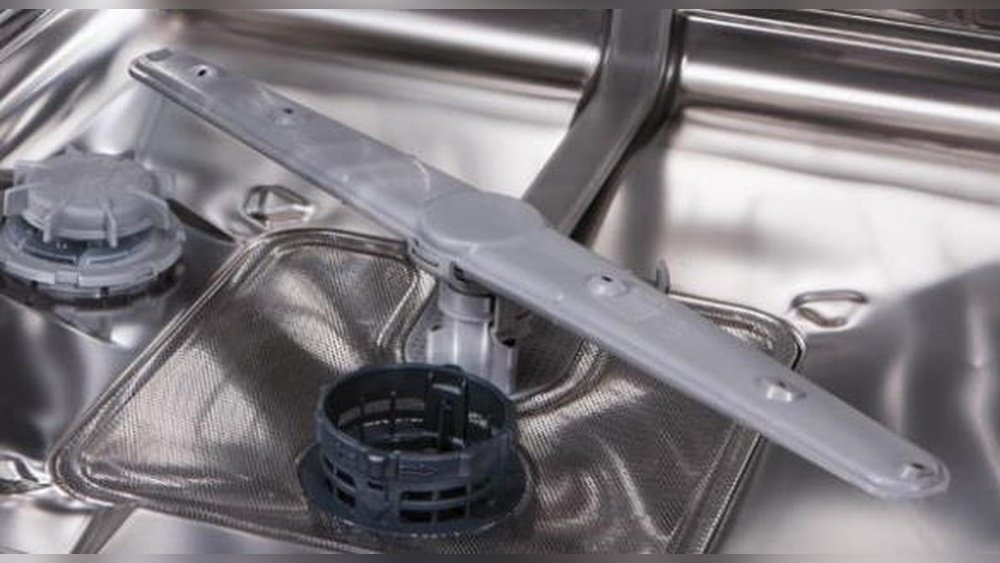
Pull out the bottom rack completely and set it aside. This gives you full access to the filter, drain, and spray arms. Wipe the rack with a damp cloth to remove any stuck-on food or residue. If the rack is dirty, soak it in warm, soapy water for 10–15 minutes, then rinse and dry.
2. Take Out And Wash The Filter
The filter is one of the most important parts to clean. It catches food particles and prevents them from clogging the drain.
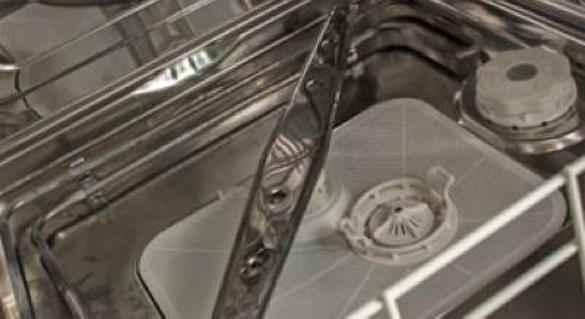
- Locate the filter at the bottom center of the dishwasher.
- Twist and lift it out, following the arrows or instructions in your Viking manual.
- Rinse the filter under hot running water.
- Use an old toothbrush to scrub away grease or hard-to-remove bits. Avoid using anything sharp that could damage the fine mesh.
- For tough buildup, soak the filter in a mix of vinegar and water for 10 minutes before scrubbing.
Put the filter back, making sure it’s locked into place. A loose filter can cause leaks or poor cleaning.
3. Clean The Spray Arms
Clogged spray arms can lead to uneven cleaning. Small holes in the arms spray water at high pressure, so keeping them clear is essential.
- Pull out the top rack to access the spray arms.
- Most Viking spray arms can be removed by unscrewing a central bolt or pulling gently.
- Rinse the arms under hot water.
- Use a toothpick or needle to poke out food particles from the holes. Be gentle to avoid enlarging the holes.
- If you see mineral deposits, soak the arms in vinegar for 20 minutes.
- Rinse well and put the arms back.
4. Wipe The Door And Gasket
The door, especially the rubber gasket (seal), is a common spot for mold and grime.
- Mix a few drops of mild dish soap with warm water.
- Use a soft cloth to wipe the door’s edges, paying special attention to the bottom and sides.
- Clean around the gasket, gently pulling it back to remove debris.
- Rinse with a damp cloth and dry with a towel.
Mold and mildew love damp, hidden spots, so thorough cleaning here will prevent bad smells and leaks.
5. Scrub The Inside Walls And Base
Check for stains, grease, or mineral spots on the walls and base of the dishwasher.
- Sprinkle a small amount of baking soda on a damp sponge.
- Wipe all surfaces, including the corners and under the racks.
- For hard water stains, spray white vinegar on the affected areas, let it sit for five minutes, then wipe.
- Avoid using abrasive cleaners or steel wool, as these can scratch the stainless steel interior.
6. Clean The Utensil Holder And Racks
The utensil basket can trap bits of food and grease.
- Remove the basket and soak it in hot, soapy water for 10 minutes.
- Scrub with a brush to remove any stuck debris.
- Rinse and dry before returning it to the dishwasher.
Wipe the top and bottom racks, checking for stuck-on food or broken tines. If you find rust, cover it with a dishwasher-safe repair paint to prevent further damage.
7. Run A Cleaning Cycle
After cleaning the removable parts, it’s time to deep-clean the interior.
- Place a cup of white vinegar in a dishwasher-safe bowl on the top rack.
- Run a hot water cycle with the dishwasher empty (no detergent).
- When the cycle is done, sprinkle one cup of baking soda on the floor of the dishwasher and run a short, hot cycle.
This two-step process kills bacteria, removes odors, and dissolves mineral buildup. Avoid using bleach, especially if your dishwasher has a stainless steel interior, as it can cause damage.
Exterior Cleaning: Keeping The Outside Spotless
The inside isn’t the only part that needs attention. The exterior of your Viking dishwasher can collect fingerprints, stains, and grime, especially if it’s stainless steel.
Cleaning Stainless Steel Surfaces
- Use a soft microfiber cloth dampened with warm water.
- Wipe in the direction of the grain to avoid streaks.
- For stubborn spots, use a small amount of vinegar or a cleaner made for stainless steel.
- Dry with a clean towel to prevent water spots.
Control Panel And Buttons
Electronic controls can be sensitive to moisture, so don’t spray cleaner directly on them.
- Lightly dampen a cloth with water or a mild cleaner.
- Wipe the panel and buttons gently.
- Dry with a soft cloth.
Never use abrasive pads or harsh chemicals on the exterior, as they can scratch or discolor the finish.
Dealing With Common Dishwasher Problems
Cleaning your Viking dishwasher also means solving recurring issues. Here are some common problems and how cleaning helps.
Cloudy Glassware
Cloudy glasses are often caused by hard water deposits or leftover detergent. Regular cleaning with vinegar can solve this. Also, check your rinse aid level—Viking dishwashers perform best when the rinse aid dispenser is full.
Bad Odors
Trapped food and grease cause smells. Cleaning the filter, gasket, and running a vinegar cycle usually eliminates odors. Leave the door slightly open after each cycle to let moisture escape and prevent mold.
Slow Draining Or Standing Water
If water pools at the bottom, the filter or drain may be blocked. Clean these parts thoroughly. If the problem continues, check the drain hose for clogs.
Poor Cleaning Performance
If dishes aren’t coming out clean, check the spray arms, filter, and detergent dispenser for blockages. Overloading the racks or blocking the spray arms can also lead to poor results.
Using Cleaning Products: What Works And What To Avoid
Many people wonder if they should use commercial cleaning products or stick with natural options.
Safe Cleaning Agents
- White vinegar: Breaks down grease and mineral deposits.
- Baking soda: Removes stains and neutralizes odors.
- Mild dish soap: Good for washing racks and baskets.
These are safe, effective, and won’t damage your machine.
What To Avoid
- Bleach: Can corrode stainless steel and damage seals.
- Abrasive powders: Scratch the interior and racks.
- Scouring pads: Leave marks and wear down surfaces.
If you want to use a commercial dishwasher cleaner, choose one recommended by Viking or certified for use in high-end dishwashers.
Credit: viking-appliance.repair
How Often Should You Clean Your Viking Dishwasher?
Frequency depends on how much you use your dishwasher and the hardness of your water. Here’s a simple schedule to keep your machine in top shape:
| Part/Area | Cleaning Frequency | Method |
|---|---|---|
| Filter | Weekly | Remove and rinse under hot water |
| Spray Arms | Monthly | Rinse and clear holes with toothpick |
| Door Gasket | Monthly | Wipe with soapy water |
| Interior Walls | Monthly | Wipe with baking soda and vinegar |
| Exterior | As Needed | Wipe with damp cloth |
Sticking to this schedule prevents most problems before they start.
Hard Water And Viking Dishwashers
Hard water is a common cause of cloudy glassware and mineral buildup. If you live in an area with hard water, you may need to clean your dishwasher more often.
Signs Of Hard Water Problems
- White spots or film on dishes
- Chalky deposits on the dishwasher’s interior
- Reduced cleaning performance
Solutions
- Use a dishwasher-safe water softener or add a water softening unit to your home.
- Increase the amount of rinse aid.
- Run a monthly vinegar cycle to dissolve mineral deposits.
Here’s a quick comparison of cleaning results with and without hard water:
| Condition | Glassware Appearance | Maintenance Needed |
|---|---|---|
| Soft Water | Clear, shiny | Standard cleaning schedule |
| Hard Water | Cloudy, spotted | Extra vinegar cycles, more frequent filter cleaning |
If your area has very hard water, installing a whole-house water softener can help your dishwasher and other appliances last longer.

Credit: www.connersappliance.com
Extra Care For Stainless Steel Interiors
Viking dishwashers often have a premium stainless steel tub, which is durable and resists odors. However, even stainless steel needs some care.
Preventing Rust And Stains
- Wipe away any standing water after cleaning.
- Do not use bleach or chlorine-based cleaners.
- Avoid placing non-dishwasher safe metal items (like iron pans) inside, as they can cause rust marks.
- If you see a rust spot, clean it with a baking soda paste (baking soda + water), then rinse and dry.
Polishing For A Like-new Look
To keep the interior shining, you can wipe it with a cloth dampened with vinegar, then buff dry with a towel. This removes fingerprints and keeps the steel looking its best.
Cleaning The Drain Hose (advanced Maintenance)
If your dishwasher still drains slowly after cleaning the filter and base, the drain hose might be clogged.
- Unplug the dishwasher and pull it away from the wall.
- Locate the drain hose at the back and disconnect it (you may need a screwdriver).
- Place a towel or basin under the connection to catch water.
- Run water through the hose or use a long, flexible brush to clear any blockages.
- Reconnect the hose and run a short cycle to check for leaks.
This step is only needed if you notice draining problems. For most people, regular filter cleaning will prevent clogs.

Credit: www.assinc.com
Practical Tips For Ongoing Cleanliness
Keeping your Viking dishwasher clean is not just about deep cleaning. Daily habits also make a big difference.
- Scrape, don’t rinse: Remove large food scraps before loading, but you don’t need to pre-rinse dishes. Modern dishwashers are designed to handle some food.
- Load correctly: Don’t block spray arms with large pans or dishes. Place items so water can reach all surfaces.
- Run hot water first: Before starting your dishwasher, run the kitchen faucet until the water is hot. This ensures the first fill is hot enough to clean well.
- Use the right detergent: Choose high-quality detergent recommended for Viking dishwashers.
- Leave the door slightly open after each cycle: This prevents moisture buildup and mold.
Mistakes To Avoid When Cleaning
Many people make simple mistakes that can harm their dishwasher or reduce cleaning power. Here’s what to watch out for:
- Using harsh chemicals: Bleach, ammonia, or abrasive cleaners can cause damage.
- Forgetting the filter: Neglecting the filter is a common cause of smells and poor cleaning.
- Skipping the gasket: The door seal is easy to miss but important for a leak-free, odor-free dishwasher.
- Ignoring the spray arms: Even small clogs can affect cleaning.
- Overloading: Crowding the racks blocks water flow and leads to dirty dishes.
When To Call A Professional
Most cleaning tasks can be done at home, but sometimes you need expert help.
- Persistent odors or stains: If smells or stains remain after thorough cleaning, there may be a hidden problem.
- Leaks: Puddles under your dishwasher could mean a damaged seal or hose.
- Electrical issues: If your dishwasher won’t start or trips the breaker, call a technician.
- Strange noises: Grinding, banging, or other unusual sounds may signal a problem with the motor or pump.
Viking appliances are high-end and often covered by warranties—using authorized service can protect your coverage.
Comparison: Cleaning Your Dishwasher Vs. Not Cleaning
To understand the impact, let’s compare two scenarios:
| Task | Regular Cleaning | No Cleaning |
|---|---|---|
| Dish Quality | Spotless, odor-free | Cloudy, sometimes dirty |
| Machine Lifespan | 10+ years | 5–7 years |
| Repair Costs | Low (preventive) | High (parts replacement) |
| Odor Level | Fresh | Bad smells likely |
This shows why regular cleaning is worth a few minutes each month.
Non-obvious Insights For Viking Dishwasher Owners
Many people miss these important details:
- Dishwasher salt: Some Viking models have a salt compartment for softening water. If your model includes this, refill it regularly—especially in areas with hard water. Check your manual to see if your machine has this feature.
- Check the air gap: If your dishwasher has an air gap (usually a small device near the sink), clean it regularly. Unscrew the cap and remove any debris to prevent drainage issues.
- Use the right cycle: For deep cleaning, use the hottest and longest cycle, not the quick wash. This ensures all cleaning agents work fully.
- Monitor error codes: If your dishwasher displays an error code, consult your manual. Some codes signal cleaning or maintenance needs.
Where To Find More Help
Your Viking dishwasher’s user manual is the best resource for model-specific cleaning tips. If you’ve lost the manual, you can download it from the official Viking website or visit Viking Range for support.
Frequently Asked Questions
How Often Should I Clean My Viking Dishwasher Filter?
Clean the filter once a week if you use your dishwasher daily. For less frequent use, every two weeks is usually enough. A clean filter prevents odors and keeps your dishwasher running well.
Can I Use Bleach To Clean My Dishwasher?
No, do not use bleach in your Viking dishwasher, especially if it has a stainless steel interior. Bleach can damage metal parts and seals. Use white vinegar and baking soda instead.
Why Does My Dishwasher Smell Bad Even After Cleaning?
Bad smells can remain if food is stuck in hidden spots like the drain hose, spray arm holes, or door gasket. Check these areas and run a vinegar cycle. If odors continue, there may be a plumbing or drainage issue.
What Is The Best Cycle To Use When Cleaning The Dishwasher?
Use the hottest, longest cycle your dishwasher offers. This allows vinegar and baking soda to work best and ensures a thorough clean. Avoid quick or eco cycles for deep cleaning.
My Dishes Are Still Cloudy After Cleaning The Dishwasher. What Should I Do?
Cloudy dishes are often caused by hard water. Increase your rinse aid, run a vinegar cycle monthly, and check if your model uses dishwasher salt. If the problem continues, consider a water softener.
A clean Viking dishwasher is the key to reliable performance, sparkling dishes, and a fresh-smelling kitchen. By following these steps and tips, you’ll protect your investment and enjoy hassle-free dishwashing for years to come.