
Keeping your Nexgrill griddle clean is not just about looks; it is essential for safe, delicious cooking and a long-lasting grill. Many people buy a griddle, use it a few times, and quickly find a sticky, rusty mess instead of a shiny, non-stick surface. The truth is, a griddle needs regular care, but the process is simple if you know what to do. Whether you are a weekend griller or use your Nexgrill for family dinners, learning to clean and maintain it properly makes a huge difference in taste, safety, and the lifespan of your equipment.
This guide breaks down every step you need to master for cleaning your Nexgrill griddle, from quick after-cooking wipes to deep cleans after months of use. You will learn which tools matter (and which are a waste of money), how to avoid common mistakes that can ruin a griddle, and why seasoning matters more than you might think.
There are also answers to the questions most owners have but rarely ask out loud. If you want your griddle to last for years and produce perfect pancakes, burgers, or veggies every time, read on.
Why Cleaning Your Nexgrill Griddle Matters
Taking care of your griddle surface is not just about keeping it shiny. When you clean it well, you:
- Prevent rust and damage
- Avoid food contamination
- Keep flavors pure (no old grease or burnt bits)
- Improve cooking performance (even heating, no sticking)
- Make future cleaning easier
Neglecting the griddle can lead to stubborn buildup, uneven heating, and even ruin the non-stick surface. This means more work later, a shorter griddle life, and sometimes even ruined food. If you’ve ever had pancakes taste like last week’s onions, you know what I mean.
Understanding Your Nexgrill Griddle: Surfaces And Materials
Before you start cleaning, it’s important to know what you are dealing with. Most Nexgrill griddles use cold-rolled steel for the cooking surface. This material is tough, holds heat well, but is prone to rust if not cared for.
Other griddle parts may include:
- Stainless steel (for frames, side tables)
- Plastic or rubber (for handles, knobs)
- Grease trays (usually aluminum or steel)
Each material reacts differently to cleaners and moisture. For example, harsh chemicals can damage steel seasoning, and water can cause rust on the cooking surface. Understanding this helps you choose the right tools and methods.
Nexgrill Griddle Vs. Other Brands
Here’s how Nexgrill griddles compare to other popular brands:
| Feature | Nexgrill | Blackstone | Camp Chef |
|---|---|---|---|
| Cooking Surface Material | Cold-rolled steel | Cold-rolled steel | Cold-rolled steel |
| Rust Resistance | Medium | Medium | Medium |
| Cleaning Difficulty | Moderate | Moderate | Moderate |
| Common Accessories | Scraper, Grease cup | Scraper, Hood | Scraper, Side shelves |
While cleaning steps are similar for all brands, always check your Nexgrill model’s manual for unique parts or coatings.
Essential Cleaning Tools And Supplies
You don’t need expensive tools to clean your Nexgrill griddle. In fact, many “miracle” cleaners can do more harm than good. Here is what actually helps:
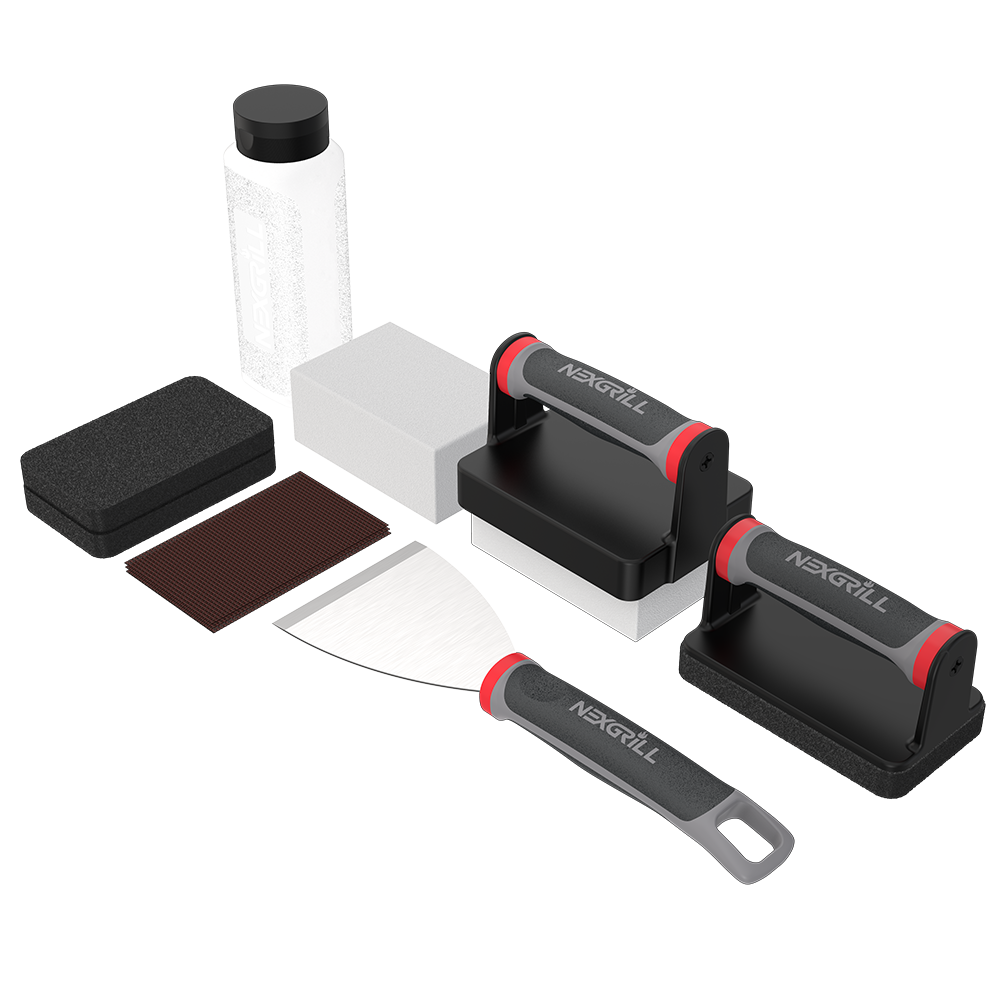
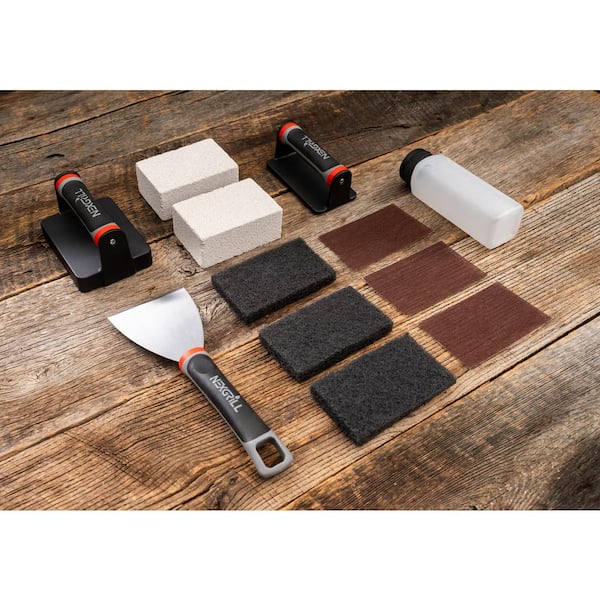
- Grill scraper or spatula – Metal, flat-edged, sturdy for scraping off food and grease.
- Non-abrasive scrub pad – Avoid steel wool; use nylon or special griddle pads.
- Paper towels or microfiber cloths – For wiping away oil and residue.
- Cooking oil – Any neutral oil (canola, vegetable, flaxseed) for seasoning.
- Warm water – For cleaning off debris.
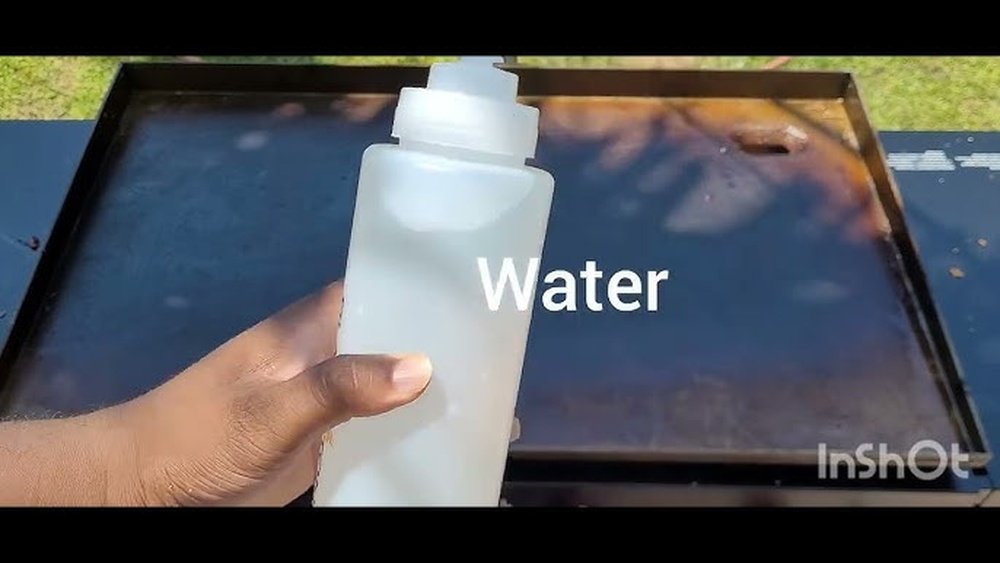
- Spray bottle (optional) – For misting water.
- Griddle cleaning brick (for heavy-duty cleaning).
- Grease cup liners (optional but makes cleanup easier).
- Mild dish soap (only for first clean or rust removal).
Avoid oven cleaners, bleach, or abrasive powders. These can strip the seasoning or damage the steel.
Step-by-step: How To Clean Your Nexgrill Griddle After Each Use
The most important cleaning is the one you do right after cooking. This prevents stuck-on food and keeps your griddle non-stick. Here’s a proven routine:
1. Let The Griddle Cool Slightly
After cooking, turn off the burners and wait a few minutes. The griddle should be warm, not hot—about 150–200°F. Cleaning while warm makes grease and food easier to remove, but you want to avoid burns.
2. Scrape Off Food And Grease
Use your grill scraper or a flat spatula. Hold it at a slight angle and gently push food bits and grease toward the grease tray or cup. Work from the back to the front or side, depending on your griddle’s design.
Pro tip: Don’t use the corners of the scraper to dig or gouge, as this can scratch the surface.
3. Wipe Down The Surface
Fold a few paper towels or use a clean cloth. Hold them with tongs if the surface is still hot. Wipe away the remaining grease and crumbs. For sticky spots, add a splash of warm water (not cold, to avoid warping). Steam helps loosen debris.
4. (optional) Use A Non-abrasive Scrub Pad
If you see tough, stuck-on residue, gently rub with a damp non-abrasive scrub pad. Avoid using so much water that it pools—just enough to loosen the mess.
5. Dry The Surface
Moisture is the enemy of steel. Always dry your griddle with paper towels or a cloth. Don’t let water sit, as it can cause rust.
6. Reapply A Thin Layer Of Oil
When the griddle is dry and still a bit warm, use a paper towel to spread a thin layer of cooking oil over the entire cooking surface. This keeps the seasoning fresh and prevents rust.
Non-obvious tip: Avoid using too much oil. Excess oil can turn sticky and build up, leading to uneven seasoning.

Credit: www.youtube.com
Deep Cleaning: When And How To Do It Right
A regular wipe-down works for most cooks, but every few weeks (or after a messy cookout), your griddle needs a deeper clean. Here’s when and how:
Signs Your Griddle Needs Deep Cleaning
- Sticky, gummy surface
- Rust spots
- Uneven cooking or sticking
- Black flakes coming off on food
- Off smells or tastes
Deep Cleaning Steps
1. Heat The Griddle
Turn burners to medium and let the surface heat up for 10-15 minutes. This loosens old grease and carbon.
2. Scrape Thoroughly
Using your metal scraper, work the entire surface. Push all debris toward the grease tray.
3. Add Water (or Ice) For Steam
Carefully pour a small amount of water (or a few ice cubes) onto the hot griddle. The steam lifts stuck-on bits. Scrape again as the steam works.
Caution: Stand back to avoid steam burns.
4. Scrub With A Griddle Cleaning Brick
For heavy carbon buildup, use a griddle cleaning brick. Move in small circles, covering the whole surface. This removes stubborn residue without damaging steel.
5. Wipe Down
Turn off the heat. Use paper towels to wipe away loosened debris and moisture.
6. (optional) Use Mild Soap
If you have serious grease or odor issues, a tiny drop of mild dish soap on a damp pad can help. Rinse with clean water, then dry completely.
Important: Only use soap if you plan to re-season the griddle right after. Soap strips away seasoning.
7. Re-season The Griddle
Apply a thin layer of oil over the whole surface. Heat on medium-high until the oil smokes and bonds to the steel (about 10–15 minutes). Let cool, wipe off excess, and your griddle is ready to use.
When To Deep Clean
- Every 4–6 weeks with regular use
- After cooking sugary foods or marinades
- After long storage
- If you see rust or heavy buildup
How To Remove Rust From A Nexgrill Griddle
Even with good care, rust can happen—especially if the griddle stays wet or is stored outside. Rust can ruin food flavor and shorten your griddle’s life, so remove it quickly.
Rust Removal Process
- Heat the griddle for 10–15 minutes to loosen rust.
- Turn off the heat and let it cool until warm.
- Scrape off loose rust with a metal scraper.
- Scrub with a griddle brick or steel wool (only on rusty areas, not the whole surface).
- Wipe clean with paper towels.
- Wash with mild dish soap and warm water (only this time).
- Rinse and dry completely.
- Re-season the griddle (apply oil, heat until smoking, cool, wipe).
Non-obvious insight: For small rust spots, a paste of baking soda and water can also help. Rub gently with a soft cloth.
How To Avoid Rust In The Future
- Always dry the griddle after cleaning
- Store with a cover
- Apply oil after every use
- Avoid using salt-heavy marinades directly on the steel
Credit: nexgrill.com
How To Season Your Nexgrill Griddle
Seasoning creates a non-stick layer and protects steel from rust. It’s part of cleaning because you must re-season after any deep clean or rust removal.
How To Season Properly
- Clean the surface as described above.
- Apply a thin layer of oil (about a tablespoon) across the entire griddle.
- Use a paper towel to spread the oil evenly. Wipe off any excess—less is more.
- Heat the griddle on high until the oil smokes (about 10–15 minutes).
- Let it cool.
- Repeat 2–3 times for new griddles or after major cleaning.
Best Oils For Seasoning
- Flaxseed oil (very durable, but expensive)
- Canola oil
- Vegetable oil
- Grapeseed oil
Avoid butter, olive oil, or flavored oils for seasoning, as they can burn or turn sticky.
Why Seasoning Matters
A well-seasoned griddle:
- Repels water (prevents rust)
- Makes cooking non-stick
- Adds flavor over time
Cleaning Other Griddle Parts
Don’t forget about the other parts of your Nexgrill griddle. Grease, smoke, and food can build up everywhere.
Grease Tray
- Empty after each use to avoid overflow and fires
- Wash with warm, soapy water
- Dry before replacing
Control Knobs And Handles
- Wipe with a damp cloth
- For greasy buildup, use mild dish soap
- Never spray water directly onto controls
Exterior Surfaces
- Use a damp cloth for stainless steel or painted surfaces
- Dry to prevent water spots
- Avoid abrasive pads that can scratch
Griddle Lid Or Cover
- Wipe with a damp cloth
- If greasy, use mild soap and rinse
- Make sure it’s dry before closing on the griddle
Gas Burners (if Accessible)
- Check for clogs (spider webs, grease)
- Clean with a soft brush, not water
- Never poke with sharp objects
Storing Your Griddle To Stay Clean
How you store your griddle is a big part of keeping it clean between uses.
Best Storage Practices
- Apply a thin layer of oil before storing
- Cover with a fitted griddle cover to keep out dust and moisture
- Store in a dry place (garage, shed, or under a roof)
- For portable griddles, keep them inside during rain or winter
How Storage Affects Cleaning
Griddles stored outside need more frequent cleaning and seasoning. Even with a cover, humidity can cause rust. If you find your griddle rusty after storage, follow the rust removal steps above.
Common Mistakes In Griddle Cleaning
Many owners make these errors, which lead to bigger problems:
- Using too much water – Can warp steel and cause rust.
- Skipping oil after cleaning – Leaves steel unprotected.
- Cleaning with soap every time – Strips seasoning, makes food stick.
- Letting grease build up in the tray – Fire risk.
- Scrubbing too hard with steel wool or wire brushes – Can scratch or remove the seasoned layer.
- Storing the griddle wet or uncovered – Invites rust and pests.
Pro tip: If you’re unsure about a cleaning product, test on a small, hidden spot first.
Comparing Cleaning Frequency And Methods
How often you need to clean depends on use. Here’s a quick comparison:
| Cleaning Task | After Each Use | Weekly | Monthly | As Needed |
|---|---|---|---|---|
| Scrape & Wipe Surface | ✓ | |||
| Reapply Oil | ✓ | |||
| Empty Grease Tray | ✓ | |||
| Deep Clean | ✓ | |||
| Remove Rust | ✓ |
Quick Troubleshooting: Problems And Solutions
Food Sticking
- Cause: Lost seasoning or not enough oil
- Solution: Re-season griddle, use more oil when cooking
Black Flakes In Food
- Cause: Old seasoning coming off or carbon buildup
- Solution: Deep clean and re-season
Rust Spots
- Cause: Left wet, not enough oil after cleaning
- Solution: Remove rust, re-season, store dry
Uneven Heating
- Cause: Grease or food buildup, warped steel
- Solution: Deep clean, inspect for damage
Credit: www.homedepot.com
Extra Tips For A Perfectly Clean Nexgrill Griddle
- Use a dedicated griddle spatula and scraper to avoid cross-contamination.
- Keep a small spray bottle of water handy for steam cleaning after cooking.
- Rotate your cleaning cloths—using the same one spreads old grease.
- Let the griddle cool before covering to avoid trapping steam and causing rust.
- Mark your deep clean dates on a calendar so you don’t forget.
Environmentally Friendly Griddle Cleaning
If you want to avoid chemicals, you’re in luck—Nexgrill griddles clean well with just water, steam, and elbow grease. For an eco-friendly routine:
- Use water and steam as your main cleaner
- Choose biodegradable oils for seasoning
- Compost paper towels if not too greasy
- Reuse old cloths for wiping
When To Replace Your Griddle Surface
Even with perfect cleaning, a griddle surface might eventually need replacing. Signs include:
- Deep pitting or rust that won’t come off
- Warped steel that affects cooking
- Flaking coating (on non-steel models)
Check your warranty—Nexgrill sometimes covers defects.
Where To Find More Information
Always check your Nexgrill user manual for model-specific advice. For more expert tips and maintenance information, you can visit the Nexgrill official griddle care page.
Frequently Asked Questions
How Often Should I Clean My Nexgrill Griddle?
You should do a quick clean after every use—scrape, wipe, and oil the surface. Deep clean every 4–6 weeks, or if you notice buildup, rust, or food sticking. The more you use your griddle, the more often you should clean it.
Can I Use Soap To Clean My Griddle?
Only use mild dish soap when doing a deep clean or removing rust. Soap removes the seasoning, so you must re-season after washing with soap. For daily cleaning, hot water and a scraper are enough.
What Oil Is Best For Seasoning?
Flaxseed oil is the top choice for a hard, durable seasoning, but canola and vegetable oil also work well. Avoid butter, olive oil, or flavored oils—they can burn or become sticky.
What Do I Do If My Griddle Has Heavy Rust?
Heat the griddle, then scrape off loose rust. Scrub the surface with a griddle brick or steel wool. Wash with mild soap and warm water, dry, and re-season. Small rust spots can be treated with a baking soda paste.
Is It Safe To Cook On A Griddle With Black Flakes Or Rust?
No. Black flakes mean old seasoning or carbon is flaking off, which can end up in your food. Rust can affect taste and safety. Always deep clean and re-season before cooking again.
Taking the time to clean and care for your Nexgrill griddle pays off with every meal. A well-maintained griddle gives you great-tasting food, prevents frustration, and saves you money in the long run. With these steps, tools, and tips, your Nexgrill will stay in top shape for years of delicious grilling ahead.