
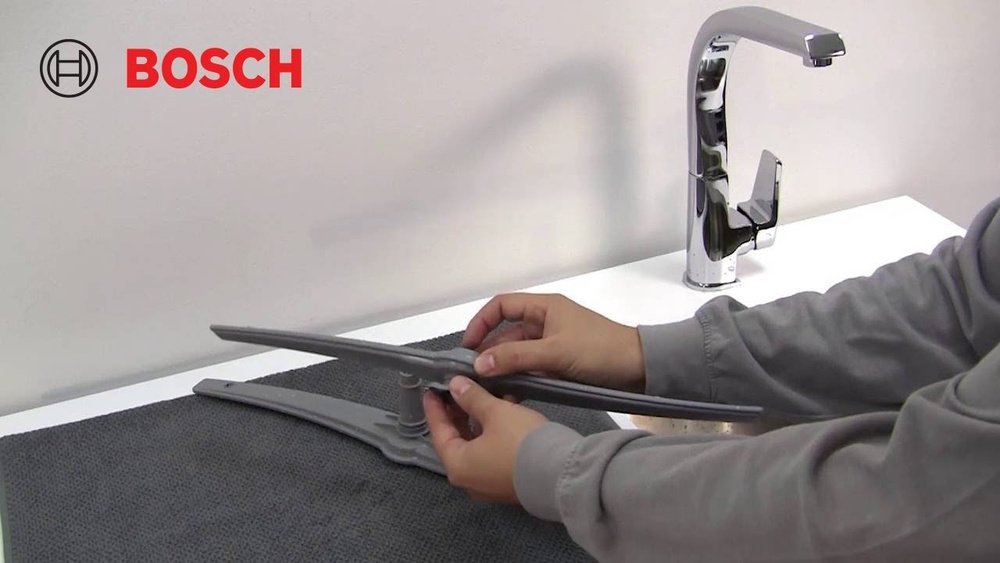
Every dishwasher promises to make kitchen life easier. But over time, you might notice dishes coming out less clean, with food particles sticking or cloudy spots on glasses. The culprit is often hidden: dishwasher spray arms. These moving parts spray water onto your dishes, but they can get blocked by tiny bits of food, hard water minerals, or even soap scum. If the spray arms are clogged or dirty, your dishwasher simply can’t do its job.
Many people don’t realize how important it is to keep spray arms clean. Dishwashers are not “set and forget” machines; they need care to work well year after year. Ignoring the spray arms can lead to wasted water, higher energy bills, and even repairs.
The good news? Cleaning them is not hard, but it does require the right steps and a bit of know-how.
This guide gives you a complete, practical method for cleaning dishwasher spray arms. Whether you’re facing poor cleaning results, strange noises, or just want to maintain your appliance, you’ll find all the answers here. You’ll also discover insider tips, common mistakes to avoid, and how to keep your dishwasher running smoothly for years.
Why Dishwasher Spray Arms Matter
The spray arms in your dishwasher are the main tools for cleaning. They rotate and shoot water at high pressure, making sure every plate, glass, and fork gets a powerful rinse. There are usually two or three spray arms: one under the lower rack, one under the upper rack, and sometimes a third at the top.
Here’s why clean spray arms are so critical:
- Water flow: Clogged holes mean weak or uneven water spray. Some dishes may not get clean at all.
- Efficiency: Blocked arms force the dishwasher to work harder, wasting water and power.
- Longevity: Continuous blockages can wear out the motor and other parts, leading to expensive repairs.
A recent study found that up to 60% of dishwashers over five years old have some blockage in the spray arms. Most users don’t know this because the signs are subtle at first.
How Dishwasher Spray Arms Get Dirty
Spray arms become dirty due to:
- Food debris: Small particles from plates and bowls can get stuck in tiny spray holes.
- Mineral deposits: If you have hard water, calcium and lime build up over time.
- Soap scum: Detergent residue can stick to plastic or metal surfaces inside the arms.
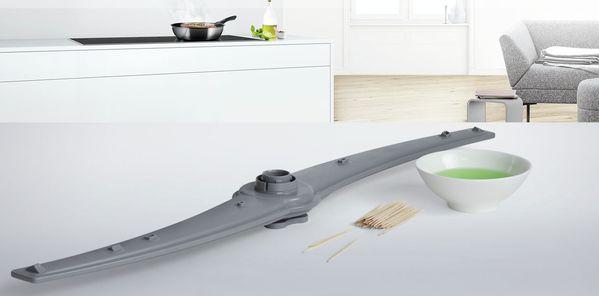
- Foreign objects: Occasionally, small items like toothpicks or broken glass get lodged inside.
Every dishwasher faces these problems, but some kitchens are more at risk. For example, if you often put in dishes with dried-on food, or your water is hard, you’ll need more frequent cleaning.
Signs Your Spray Arms Need Cleaning
Don’t wait until your dishwasher fails. Look for these early signs:
- Dishes still dirty: Food or grease remains after the cycle.
- Cloudy glassware: White spots or film that won’t wash off.
- Noisy operation: Clicking, grinding, or rattling sounds during the cycle.
- Visible debris: You can see food bits or white crust on the spray arms.
If you notice any of these, it’s time to clean the spray arms. Even if you don’t, experts recommend cleaning them every 3-6 months for best results.
Gathering The Right Tools And Supplies
Before you start, gather these supplies. Most are common household items:
- Soft brush or old toothbrush: For scrubbing.
- Toothpicks or thin wire: To clear blocked holes.
- White vinegar: Dissolves mineral buildup.
- Baking soda: Removes odors and extra grime.
- Dish soap: For general cleaning.
- Small basin or sink: To soak the spray arms.
- Screwdriver: Some models require this to remove the arms.
- Clean towel: For drying.
Never use harsh chemicals or metal tools. They can damage the spray arms.
Step-by-step: How To Remove Spray Arms
Every dishwasher is a bit different, but the removal process is usually simple. Always check your manual if unsure.
Lower Spray Arm
- Pull out the bottom rack completely.
- Locate the spray arm—usually in the center under the rack.
- Look for a locking nut or clip. Some arms twist off by hand; others need a screwdriver to remove a central screw.
- Gently lift out the spray arm. Don’t force it.
Upper Spray Arm
- Pull out the upper rack.
- Find the spray arm attached underneath the rack or above it.
- Detach the arm. There may be a clip, nut, or a simple push-to-release fitting.
Third Or Top Spray Arm (if Present)
This is often fixed under the roof of the dishwasher.
- Look for a central screw or clip.
- Unscrew or unclip carefully.
Keep all screws and clips in a safe spot. Note the order and position for reassembly.
How To Clean Dishwasher Spray Arms Thoroughly
Now with the spray arms out, it’s time for deep cleaning. This process removes food, minerals, and even bacteria.
1. Rinse And Inspect
- Rinse each spray arm under warm running water.
- Check all spray holes. Hold the arm up to the light to spot blockages.
2. Unclog Spray Holes
- Use a toothpick or thin wire (like a paperclip) to gently poke out any debris from each hole.
- Move slowly to avoid damaging the hole size or shape.
- For stubborn clogs, use a small piece of flexible wire and twist gently.
Tip: Many people miss the smallest holes at the ends. These are often the first to clog.
3. Soak In Vinegar Solution
- Fill a basin or sink with equal parts warm water and white vinegar.
- Place the spray arms in the solution.
- Let them soak for 30–60 minutes. This dissolves hard water and soap scum.
If there is heavy mineral buildup, add two tablespoons of baking soda to the soak.
4. Scrub And Clean
- After soaking, scrub the arms with a soft brush or old toothbrush.
- Pay special attention to the joints and rotating parts.
- For hard-to-reach spots, use a small bottle brush.
5. Rinse And Dry
- Rinse each arm thoroughly with warm water.
- Shake out excess water from inside the spray arm tubes.
- Let them air dry or pat with a clean towel.
6. Reinstall Spray Arms
- Place each arm back in its original location.
- Secure any screws or clips tightly.
- Make sure each arm spins freely by hand.
If an arm does not rotate, double-check for leftover debris or improper installation.
Cleaning Without Removing Spray Arms
In some dishwashers, the spray arms are hard to remove or you want a quick clean between deep cleanings. Here’s how:
- Empty the dishwasher.
- Pour one cup of white vinegar into a bowl and place it on the top rack.
- Run a hot water cycle (no detergent).
- When finished, open the door and check the spray arm holes. Use a toothpick to clear any visible debris.
This doesn’t clean as deeply but helps keep spray arms fresh.
How Often Should You Clean Spray Arms?
- Light use (2-3 times per week): Every 6 months
- Regular use (daily): Every 3-4 months
- Hard water areas: Every 2-3 months
You can check water hardness with test strips or ask your water supplier.
Advanced Tips For Cleaner Spray Arms
Most guides stop at basic cleaning. Here are extra tips that make a difference:
1. Soak Overnight For Stubborn Buildup
If mineral deposits won’t budge, soak the spray arms overnight in a vinegar solution. For very tough cases, use a descaling solution (follow manufacturer instructions).
2. Clean Spray Arm Mounts And Seals
Debris can build up where the spray arm attaches. Wipe these spots with vinegar and a brush before reinstalling.
3. Check For Cracks Or Damage
Older spray arms can develop small cracks. These lower water pressure and cleaning power. If you see damage, replace the spray arm (they are affordable and easy to install).
4. Use Dishwasher Cleaner Regularly
Run a dishwasher cleaner product once a month to help prevent buildup. This cleans areas you can’t reach.
5. Filter Maintenance
Blocked filters mean more debris reaches the spray arms. Clean the dishwasher filter every 1–2 months.
Common Mistakes To Avoid
People often make these errors:
- Using sharp metal tools: This can enlarge or damage spray holes.
- Skipping regular checks: Waiting until there’s a problem costs more time and money.
- Reinstalling arms incorrectly: If not secured, arms won’t spin and may break.
- Ignoring water quality: Hard water means you need more frequent cleaning.
A small effort every few months saves big repairs later.
Credit: www.bosch-home.com
Comparing Cleaning Methods
Different cleaning methods suit different needs. The table below compares manual cleaning, vinegar-only, and dishwasher cleaner products.
| Method | Best For | Effort Needed | Effectiveness | Frequency |
|---|---|---|---|---|
| Manual cleaning (removal) | Heavy buildup/clogs | High | Very effective | 3–6 months |
| Vinegar-only run | Light maintenance | Low | Moderate | Monthly |
| Dishwasher cleaner product | Hidden buildup, odors | Very low | Moderate | Monthly |
Troubleshooting: When Spray Arms Still Don’t Work
After cleaning, if you still have issues, try these steps:
1. Check Water Pressure
Low home water pressure affects cleaning. Normal dishwasher operation needs 20–120 psi. If water flow in your home is weak, contact a plumber.
2. Inspect The Pump And Filter
A clogged or broken dishwasher pump means spray arms don’t get enough water. Clean the filter and listen for unusual noises during the wash cycle.
3. Look For Blockages In Hoses
Sometimes, debris gets stuck in the inlet or outlet hoses. Unplug the dishwasher, remove hoses, and flush them with water.
4. Test With No Dishes
Run a short cycle with no dishes. If the spray arms turn, the issue might be overloading, not the arms themselves.
If problems continue, call a professional technician.

Credit: www.youtube.com
Preventing Future Clogs And Buildup
Simple habits keep spray arms cleaner for longer:
- Scrape plates before loading (no need to rinse, just remove big bits).
- Check filter monthly for debris.
- Use the right detergent for your water type.
- Run hot water in your sink before starting the dishwasher. This ensures the first fill is hot.
- Don’t overload racks, which blocks the spray arms from spinning.
Below is a table showing how these habits affect spray arm cleanliness:
| Habit | Effect on Spray Arms | Time Needed |
|---|---|---|
| Scraping plates | Less food debris | 1 min/load |
| Cleaning filter | Fewer clogs | 5 min/month |
| Correct detergent | Less residue | None (choose once) |
| Running hot water first | Better cleaning | 30 sec/load |
| Avoiding overload | Proper spray arm movement | None (during loading) |
Real-world Example: A Cleaner Dishwasher In One Hour
Let’s look at a practical case. Lisa, a busy parent, noticed her dishes coming out dirty. She checked the spray arms and found several holes blocked by rice and mineral deposits. Following the steps above, she:
- Removed both spray arms with a screwdriver.
- Soaked them for 45 minutes in vinegar and hot water.
- Used a toothpick and brush to clear all holes.
- Cleaned the filter and wiped inside the dishwasher.
- Reinstalled spray arms and ran a hot cycle.
The next load of dishes came out spotless. Lisa now cleans her spray arms every three months—and her dishwasher has lasted for eight years with no repairs.
How Clean Spray Arms Save Money And Time
Clean spray arms don’t just mean cleaner dishes—they also help your wallet:
- Lower energy bills: Dishwasher runs shorter, more efficient cycles.
- Fewer repairs: No need for costly service calls due to clogs.
- Longer appliance life: Keeping moving parts clean reduces wear.
- Better hygiene: Less bacteria and mold buildup inside your dishwasher.
According to the National Association of Home Builders, the average dishwasher lasts 9–12 years. Regular spray arm cleaning can add up to three years to that lifespan.
When To Replace Spray Arms
Sometimes, cleaning is not enough. Replace spray arms if:
- There are visible cracks or warping.
- The arm no longer spins freely, even after cleaning.
- Spray holes are permanently enlarged or damaged.
Replacement arms are available from most appliance stores or manufacturers. Always buy the correct model for your dishwasher.
Credit: www.reddit.com
Safety Tips
- Unplug the dishwasher or turn off the circuit breaker before removing spray arms.
- Wear gloves if you have sensitive skin or use cleaning agents.
- Handle tools carefully—never force parts.
Dishwasher Brands And Spray Arm Differences
Not all dishwashers are alike. Here’s a quick look at common brands and their spray arm designs:
| Brand | Spray Arm Location | Removal Tool Needed | Notes |
|---|---|---|---|
| Bosch | Bottom, middle, top | Hand/screwdriver | Top arm sometimes snaps out |
| Whirlpool | Bottom, under racks | Hand | Easy to remove, twist-lock |
| LG | Bottom, middle, roof | Screwdriver | Middle arm may be hard to reach |
| Samsung | Bottom, middle | Hand/screwdriver | Check manual for clips |
| GE | Bottom, top | Hand | Quick-release fittings |
Check your owner’s manual for details. If in doubt, search the manufacturer’s website or call their support line.
Eco-friendly Cleaning Options
If you prefer natural cleaners:
- Vinegar and baking soda are safe and effective for most buildup.
- Avoid bleach, as it can damage rubber seals and is harsh on the environment.
- Use a soft brush made from recycled materials.
- Save water by soaking all spray arms together in one basin.
Expert Opinions And Research
Most appliance experts agree: manual cleaning is still the best way to keep spray arms clear. Research from Consumer Reports suggests that regular cleaning can improve dishwasher performance by up to 30%. For more on appliance care, see the Consumer Reports Dishwasher Guide.
Frequently Asked Questions
How Do I Know If My Dishwasher Spray Arms Are Clogged?
Signs include dirty dishes, white spots, and unusual noises. You can also check by spinning the arms by hand—they should move freely. Remove and inspect the holes for debris.
Is Vinegar Safe For All Dishwasher Spray Arms?
Yes, for most models. Vinegar is gentle and dissolves mineral deposits. Avoid soaking rubber or soft plastic parts for long periods. Check your manual if unsure.
Can I Use A Needle Or Pin To Unclog Spray Holes?
Yes, but be gentle. A toothpick is safer because it won’t enlarge the holes. Metal tools can cause permanent damage if used with too much force.
What If My Spray Arm Is Stuck And Won’t Come Off?
Don’t force it. Check for hidden clips or screws. If it still won’t move, consult your dishwasher’s manual or contact customer support. Forcing parts can break them.
Should I Clean Spray Arms If I Use Dishwasher Cleaner Regularly?
Yes. Cleaner products help, but they don’t remove large debris stuck in spray holes. Manual cleaning is needed every few months for best results.
A little effort with your dishwasher spray arms gives you cleaner dishes, lower bills, and a longer-lasting appliance. With these steps, you’ll keep your dishwasher running like new.