
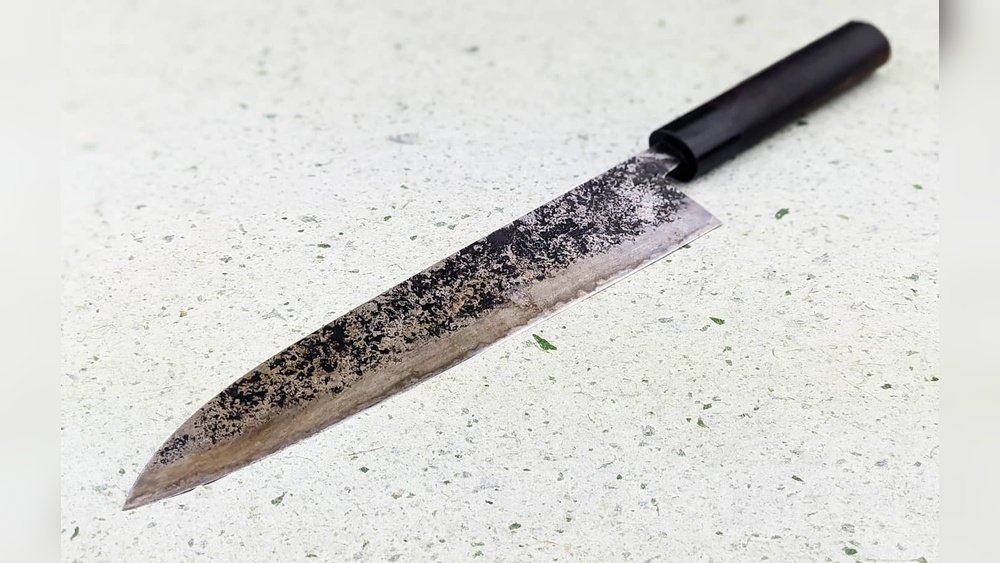
Caring for a carbon steel knife is both an art and a science. For many chefs, home cooks, and knife enthusiasts, owning a carbon steel knife brings joy because of its sharpness and cutting ability. However, the same qualities that make carbon steel knives special also make them more prone to rust and staining than stainless steel. Learning how to clean, dry, and maintain your knife properly is essential if you want to keep it beautiful, sharp, and ready to use for years.
If you’ve ever wondered why your carbon steel knife developed brown spots or why it lost its shine after a few uses, you’re not alone. This guide will walk you through every step of cleaning a carbon steel knife, highlight common mistakes, and reveal tips that even some experienced users overlook. By the end, you’ll understand not just what to do, but why each step matters.
Understanding Carbon Steel Knives
Before you start cleaning, it helps to know what makes carbon steel different from stainless steel. Carbon steel knives contain a higher percentage of carbon (usually over 0.5%) and less chromium than stainless steel. This gives them a sharper edge and makes them easier to sharpen, but it also means they can rust quickly if left wet or dirty.
Many professional chefs prefer carbon steel for its performance, but beginners often struggle with maintenance. The lack of chromium means the steel reacts with moisture and acids, leading to patina (a dark, protective layer) or rust (unwanted corrosion).
Why Proper Cleaning Matters
Improper cleaning can damage a carbon steel knife in several ways:
- Rust: Even a few drops of water can cause orange spots.
- Staining: Acidic foods like tomatoes or lemons can leave marks.
- Edge Damage: Abrasive cleaners or rough scrubbing can dull the blade.
Caring for your knife the right way not only prevents these problems but also helps build a protective patina, making the blade more resistant over time.
Essential Cleaning Supplies
You don’t need fancy products, but you do need the right tools. Here’s what to keep on hand:
- Soft sponge or cloth: Non-abrasive and gentle on steel.
- Mild dish soap: Avoid strong chemicals.
- Warm water: Not too hot, not cold.
- Towel or paper towels: For immediate drying.
- Food-safe mineral oil: For extra protection.
- Wooden or plastic cutting board: Reduces risk of dulling or chipping.
- Baking soda or Bar Keeper’s Friend: For tough stains or rust.
- Rubber gloves: Optional, for sensitive skin.
Many beginners miss the importance of immediate drying and using non-abrasive materials. Even a small scratch can invite rust.
Credit: www.reddit.com
Step-by-step: How To Clean A Carbon Steel Knife
Let’s break down the cleaning process into clear, easy-to-follow steps. Each step matters—skipping one can mean the difference between a spotless blade and a rusty mess.
1. Rinse Immediately After Use
As soon as you finish using your knife, rinse it under warm running water. This removes food particles, acids, and moisture that could start corrosion. Never let food dry on the blade—dried-on bits are harder to clean and more likely to cause stains.
2. Use Mild Soap And A Soft Sponge
Apply a drop of mild dish soap to a soft sponge or cloth. Gently wipe the blade, focusing on both sides and the cutting edge. Avoid scrubbing with steel wool or abrasive pads. These can scratch the surface and expose the steel.
Pro tip: Always wipe in the direction of the blade (from spine to edge), not across. This reduces the risk of cutting yourself and protects the edge.
3. Rinse Off All Soap
Even a small amount of soap residue can attract moisture or affect food taste. Rinse the knife thoroughly under warm water. Hold the knife with the edge facing down and the handle above the sink for safety.
4. Dry Immediately And Completely
This is the most important step—never air-dry a carbon steel knife. Use a clean towel or paper towels to dry every part of the knife, including the handle and the area where blade meets handle. Water left in these spots is a common source of rust.
5. Apply Food-safe Oil (optional But Recommended)
A thin layer of food-safe mineral oil acts as a barrier between the steel and air. Put a small drop on a paper towel and wipe the blade lightly. This step is especially important if you live in a humid area or won’t use the knife for a few days.
Non-obvious insight: Oil not only prevents rust but also makes cleaning easier next time, since food is less likely to stick.
6. Store Properly
Always store your carbon steel knife in a dry place. A knife block, magnetic strip, or sheath works well. Never store a damp knife in a drawer, and never leave it in the sink.
Quick Reference Cleaning Process
Here’s a summary of the cleaning steps:
- Rinse blade under warm water right after use.
- Gently clean with mild soap and soft sponge.
- Rinse thoroughly to remove soap.
- Dry blade and handle completely with a towel.
- Optionally, apply a thin layer of mineral oil.
- Store in a dry, safe spot.
Removing Rust And Stains
Even with great care, carbon steel knives sometimes develop rust spots or stains. Don’t panic—most can be removed with patience and the right technique.
Light Rust
For tiny orange or brown spots:
- Sprinkle baking soda on the affected area.
- Add a few drops of water to make a paste.
- Rub gently with a soft cloth, moving with the grain of the steel.
- Rinse and dry immediately.
Heavier Rust Or Stains
If the rust is more stubborn:
- Use a wine cork or wooden chopstick as a gentle scrubber.
- Apply a little Bar Keeper’s Friend or baking soda paste.
- Scrub gently, always in the direction of the blade.
- Repeat as needed, then rinse and dry.
Warning: Never use steel wool or sandpaper. These remove too much metal and can damage the edge.
Restoring Patina
Sometimes, after removing rust, the blade looks patchy. This is normal. Over time, a natural patina will form again with regular use and care. Patina is not the same as rust—it actually helps protect your knife.
Common Mistakes To Avoid
It’s easy to make mistakes when cleaning a carbon steel knife, especially if you’re used to stainless steel. Here are some pitfalls to watch out for:
- Letting the knife soak in water: Even a few minutes in a sink can cause rust.
- Putting the knife in the dishwasher: Heat, moisture, and detergent will quickly damage the blade and handle.
- Using abrasive cleaners: Scratches invite rust and dull the finish.
- Forgetting to dry the handle: Water trapped at the joint can lead to hidden rust.
- Using acidic foods without cleaning: Acidic juices from lemons, tomatoes, or onions can stain if not washed off quickly.
Non-obvious insight: Many people focus only on the blade, but the area where the blade meets the handle is most likely to rust. Always check and dry this spot carefully.
Comparing Carbon Steel Vs. Stainless Steel Cleaning
To help you understand why carbon steel needs special care, here’s a quick comparison:
| Feature | Carbon Steel Knife | Stainless Steel Knife |
|---|---|---|
| Rust Risk | High if left wet | Low |
| Edge Sharpness | Sharper, easier to hone | Good, but less sharp over time |
| Cleaning Needs | Immediate drying, oiling | More forgiving |
| Patina Formation | Yes (protective layer) | No |
| Dishwasher Safe | No | Sometimes (not recommended) |
This table highlights why carbon steel knives need special attention. If you treat your carbon steel knife like a stainless one, you’ll likely end up with rust or stains.
How Often Should You Clean And Oil?
Carbon steel knives should be cleaned every time you use them. This means a quick wash and dry after each use, not just at the end of the day. Oiling frequency depends on how often you use the knife and your local climate.
- Daily use: Oil once a week.
- Occasional use: Oil after every use.
- Humid climate: Oil more often.
If you plan to store the knife for a long period, apply a slightly thicker layer of oil and wrap it in a cloth.
Advanced Cleaning Techniques For Stubborn Problems
Sometimes, regular cleaning isn’t enough. If you have a knife with heavy rust, deep stains, or old residue, try these advanced methods.
Removing Deep Rust
- Soak a paper towel in white vinegar and wrap it around the rusty part.
- Leave for 10-20 minutes (not longer; vinegar is acidic).
- Unwrap and scrub with a wine cork or wooden dowel.
- Rinse, dry, and oil.
Polishing Out Stubborn Stains
Use a metal polish made for kitchenware. Apply with a soft cloth, rub gently, then wash thoroughly with soap and water before using the knife for food.
Restoring The Edge
If the blade feels dull after cleaning, hone it with a ceramic rod or fine sharpening stone. Never use a rough grit, as it can damage the delicate edge.
Tip: If you’re unsure or the knife is expensive, consider professional sharpening or restoration.
Cleaning The Handle And Bolster
Many carbon steel knives have wooden or composite handles, which also need care.
- Wooden handles: Wipe with a damp cloth, dry immediately. Oil occasionally with mineral oil.
- Plastic/composite handles: Clean with mild soap and water, dry completely.
- Bolster (metal part between blade and handle): Clean and dry as carefully as the blade.
Never soak the handle or leave it wet. Water can cause swelling, cracks, or loosen the blade.
Storing Your Carbon Steel Knife
Proper storage is part of cleaning. Here’s how to store your knife safely:
| Storage Method | Protection Level | Notes |
|---|---|---|
| Magnetic strip | High | Easy access, keeps blade dry |
| Knife block | Medium | Protects edge, check for moisture inside |
| Blade guard/sheath | High | Good for drawer storage, prevent scratches |
| Loose in drawer | Low | Can chip, scratch, or rust |
Tip: Always make sure the blade is dry before storage, no matter which method you use.
Safe Cleaning Practices
Safety is as important as cleanliness. Carbon steel knives are very sharp, so take these precautions:
- Hold the knife with the edge away from your body while cleaning.
- Never submerge the knife in soapy water (hidden blades are dangerous).
- Wipe the blade from spine to edge, not side to side.
- Keep your non-dominant hand behind the blade, not near the edge.
These habits help prevent accidental cuts, which are a common kitchen injury.
Quick Cleaning For Busy Cooks
Sometimes you’re in a hurry. Here’s how to clean your knife quickly without risking rust:
- Rinse off food immediately.
- Wipe with a damp cloth if soap is not available.
- Dry thoroughly right away.
- Oil the blade when you have time.
Skipping drying is the most common mistake. Even 10 minutes of moisture can cause spots.

Credit: www.reddit.com
What About Patina? Should You Remove It?
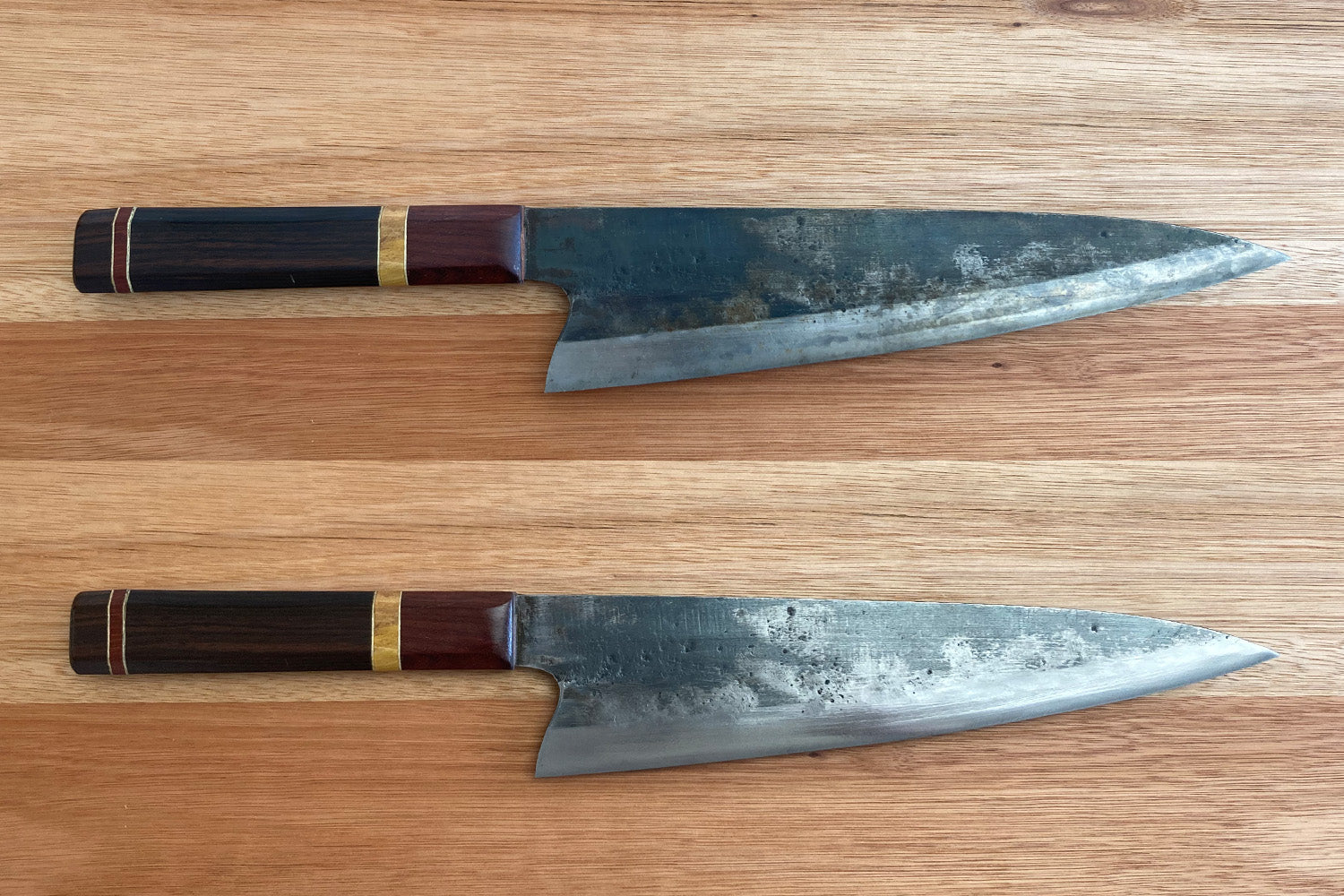
Patina is a blue-gray or dark layer that forms naturally on carbon steel. It’s not rust—patina actually protects the blade from further corrosion. Some users try to polish it off, but that’s usually a mistake. You only need to remove active rust (red or orange spots), not patina.
Non-obvious insight: Allowing a patina to develop can actually make your cleaning routine easier. Foods stick less and the blade becomes more resistant to staining.
Practical Tips For Long-term Knife Care
- Cut on soft surfaces: Use wooden or plastic boards to avoid dulling the edge.
- Avoid acidic foods when possible: Or clean the knife immediately after cutting tomatoes, citrus, or onions.
- Don’t use your knife for non-food tasks: Opening cans, prying lids, or cutting bones can damage the blade.
- Check your knife regularly: Look for small rust spots, stains, or chips, and deal with them early.
These habits keep your knife sharp, clean, and rust-free.
Credit: www.koiknives.com
Myths About Cleaning Carbon Steel Knives
There’s a lot of advice online, but not all of it is true. Let’s clear up some myths:
- “You need special cleaning products.” False—mild soap and water are enough.
- “A dishwasher is fine if you dry the knife.” False—the heat and detergent are too harsh.
- “Oil is optional if you live in a dry place.” Partly true, but oiling always adds extra protection.
- “Rust ruins a knife forever.” False—most surface rust is easy to remove if caught early.
Trust proven methods, not shortcuts.
Eco-friendly Cleaning Options
If you want to avoid chemicals, use these natural cleaners:
- Baking soda: For gentle scrubbing.
- White vinegar: For rust removal (use briefly).
- Lemon juice: For light stains (rinse quickly).
Always rinse and dry thoroughly after using any acid or natural cleaner.
When To Seek Professional Help
Sometimes, you may find deep rust, chips, or cracks that you can’t fix at home. A professional knife sharpener or restorer can:
- Remove deep rust safely.
- Sharpen and polish the blade.
- Fix handle issues.
This is a good option for expensive or sentimental knives. Don’t be afraid to ask for help if you’re unsure.
Additional Resources For Knife Owners
If you want to dive deeper, check out this authoritative guide from Serious Eats. It offers expert advice, videos, and more cleaning tips.
Frequently Asked Questions
How Can I Tell The Difference Between Patina And Rust On My Knife?
Patina is a blue-gray or black layer that forms naturally after use. It’s smooth and protects the blade. Rust is red, orange, or brown, often rough or flaky. Rust can be wiped away with baking soda and gentle scrubbing; patina should be left alone.
Is Olive Oil Safe For Oiling My Carbon Steel Knife?
It’s best to use food-safe mineral oil, as olive oil and other vegetable oils can turn sticky or rancid over time. Mineral oil remains stable and forms a protective barrier without spoiling.
Can I Use Lemon Juice To Clean My Knife?
Lemon juice can help remove light stains, but it’s acidic and should be rinsed off quickly. Never let lemon juice sit on the blade, as it can cause new stains or rust if not removed.
What Should I Do If My Knife Develops A Bad Smell?
Bad smells usually come from food residue stuck near the handle or in scratches. Clean thoroughly with mild soap, use baking soda for odor, and rinse well. Dry and oil the blade. Regular cleaning prevents smells from returning.
Do I Need A Special Cloth To Dry My Knife?
No special cloth is required—a clean, dry kitchen towel or paper towel works fine. The key is to dry the blade immediately and completely. Make sure to dry the area between the blade and handle, as moisture can hide there.
Caring for a carbon steel knife is a rewarding routine. With these practical steps, you’ll enjoy a sharp, beautiful blade every time you cook. Remember, a clean knife isn’t just about looks—it’s about safety, performance, and pride in your kitchen tools.