
Keeping your baby’s feeding equipment clean is more than just a routine—it’s about protecting your child’s health. The Avent bottle warmer is a popular choice for parents who need to warm milk safely and quickly. But, like all baby equipment, it needs regular cleaning to stay safe and work well. If you’re unsure how to clean your Avent bottle warmer, you’re not alone. Many parents worry about damaging the device, missing hidden residue, or not disinfecting it properly. This guide will give you the confidence to clean your Avent bottle warmer thoroughly and safely.
Why Cleaning Your Avent Bottle Warmer Matters
Milk and formula can leave behind residue inside the warmer. Over time, this residue can build up, leading to:
- Bacterial growth: Warm, moist environments are perfect for bacteria.
- Mold: Even small amounts of leftover milk can encourage mold.
- Unpleasant smells: Old milk or formula can make your warmer smell sour.
- Reduced performance: Limescale and residue can slow down heating.
A dirty bottle warmer is more than just unpleasant—it can be unsafe for your baby. Cleaning it regularly keeps your child safer and your device working longer.
Some parents think a quick rinse is enough, but harmful bacteria like Salmonella and E. coli can survive in tiny amounts of milk residue. These invisible threats are especially risky for babies, whose immune systems are still developing. That’s why cleaning isn’t just about looks—it’s about health.
Understanding Your Avent Bottle Warmer
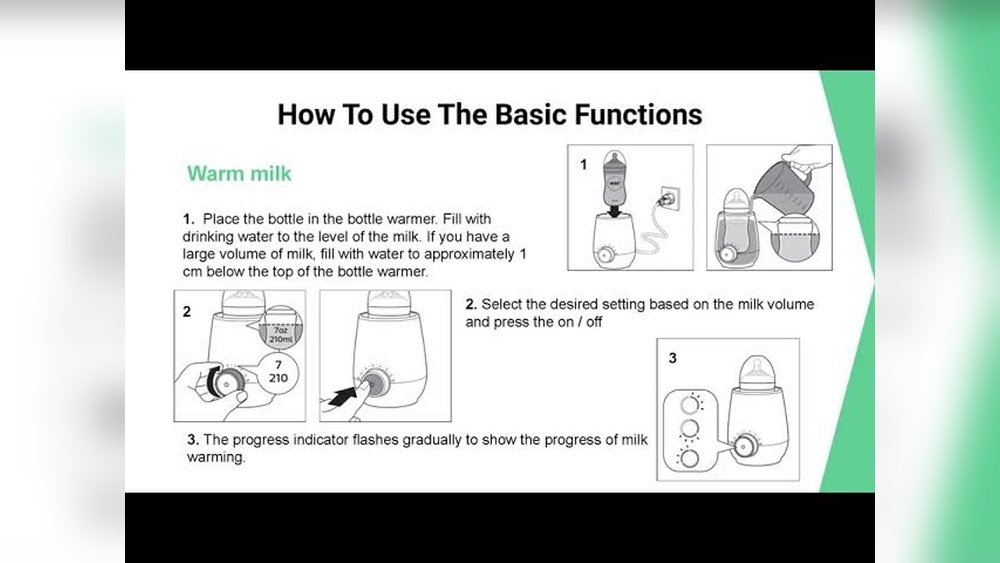
Before you start cleaning, it helps to know your device. The Avent bottle warmer comes in a few models, but most have similar parts:
- Heating chamber: Where you place the bottle and water.
- Control panel: Buttons or dials to set the temperature or time.
- Power cord: Detachable or fixed.
- Lid: Some models have a cover for faster heating.
Check your user manual for details. If you don’t have the manual, you can find it on the Philips official website.
Not all models are created equal—some have extra features like digital displays or automatic shut-off. These extra parts might need a little more attention when cleaning, especially around the buttons or display. For example, the Advanced model’s digital screen can attract fingerprints and dust, so wipe it gently with a soft, dry cloth.
What You Need For Cleaning
You don’t need fancy tools or harsh chemicals. Here’s what you should have ready:
- Soft sponge or cloth
- Mild dish soap
- White vinegar or citric acid
- Measuring cup
- Clean water
- Cotton swabs or a soft brush
- Towel for drying
Never use abrasive pads, steel wool, or strong cleaners—these can scratch or damage the warmer.
If you want to be extra thorough, a small toothbrush works well for cleaning corners and hard-to-reach spots. For parents with sensitive skin, wearing kitchen gloves is a simple way to protect your hands from soap or vinegar.
How Often Should You Clean?
The best routine depends on how often you use the warmer. As a rule of thumb:
- After every use: Wipe out any spilled milk or water.
- Once a week: Do a deep clean with soap and water.
- Once a month: Descale with vinegar or citric acid (if you have hard water).
If you notice any odd smells, discoloration, or residue, clean the warmer immediately—even if it’s not time for your regular cleaning.
Busy weeks happen, but skipping cleaning can lead to stubborn stains or bad odors that are harder to fix later. Some parents like to set a phone reminder for weekly and monthly cleaning, so it becomes part of their routine.
Step-by-step: Daily Cleaning
Daily cleaning prevents bacteria and keeps the warmer fresh. Here’s how to do it safely:
- Unplug the device and let it cool completely.
- Remove any leftover water from the heating chamber.
- Wipe the inside with a damp, soft cloth or sponge. Use mild dish soap if there’s visible residue.
- Clean the outside with a damp cloth, especially around buttons and the lid.
- Dry all parts with a towel. Leave the lid open to air dry.
Tip: Pay close attention to the water chamber. Even a few drops of old water can cause smells or bacteria.
If you spill formula or milk on the control panel, clean it immediately. Even a small drop can become sticky and attract dust. For extra freshness, use a clean, dry cloth to give the outside a final polish.
Deep Cleaning: Weekly Routine
A deep clean removes build-up that daily wiping can miss. Follow these steps:
- Unplug and cool the device completely.
- Remove the lid (if possible) and set aside.
- Fill the heating chamber with warm water and a few drops of mild dish soap.
- Let it soak for 5-10 minutes.
- Use a soft brush or sponge to gently scrub the chamber, focusing on any stubborn spots.
- Wipe the control panel with a damp, soapy cloth. Avoid getting water inside.
- Rinse the chamber thoroughly with clean water to remove all soap.
- Wipe all surfaces with a dry towel.
Practical Insight: If your warmer has a removable basket or tray, wash these separately with soap and water.
Don’t forget the area under the basket—sometimes, milk can drip and hide in these spots. A toothpick wrapped with a damp cloth can help reach tight corners. Make sure all soap is rinsed out, as leftover suds can affect taste and performance.
Descaling: Monthly Or As Needed
If you have hard water, minerals can build up inside the warmer. This is called limescale. Descaling removes these minerals and helps your device last longer.
Using White Vinegar
- Unplug the warmer and make sure it’s cool.
- Mix a solution: 50% white vinegar and 50% water.
- Pour the solution into the heating chamber until it reaches the fill line.
- Let it sit for 30 minutes. Do not turn the device on.
- Empty the chamber and rinse well with clean water.
- Wipe with a damp cloth to remove any vinegar smell.
Using Citric Acid
Some parents prefer citric acid because it’s less smelly.
- Dissolve 1-2 tablespoons of citric acid powder in 200 ml of warm water.
- Pour into the chamber and let it soak for 30 minutes.
- Rinse several times with clean water.
Non-Obvious Insight: Never run the warmer with vinegar or acid inside. The solution works by soaking—not by heating.
For tough limescale, repeat the process or let it soak longer. Some parents notice a white, chalky layer; this is normal and disappears after a good rinse.
Cleaning The Outside And Buttons
Buttons and exterior parts can collect milk splashes and fingerprints. For these areas:
- Wipe with a damp cloth. If sticky, use a little mild soap.
- Use a cotton swab for crevices around buttons or dials.
- Dry with a towel to avoid water spots or streaks.
Caution: Never let water drip inside the machine. This can damage the electronics.
If you have a model with a digital display, use a microfiber cloth to prevent scratches. For stubborn stains, dampen the cloth slightly but don’t let water enter the seams.

Credit: stogagirlssoccer.com
Cleaning And Maintaining The Power Cord
The power cord is easy to forget, but it also needs attention.
- Unplug before cleaning.
- Wipe the cord with a damp cloth, especially near the plug.
- Check for fraying or damage. If you see any, stop using the warmer and contact Philips support.
Pro Tip: Store the cord loosely. Wrapping it tightly can damage the wires over time.
If the plug collects dust, a dry toothbrush can gently clean around the prongs. Always check the cord before plugging in to prevent electrical hazards.
Troubleshooting Common Cleaning Problems
Even with careful cleaning, you might face some challenges. Here’s how to handle them:
Bad Smells Won’t Go Away
- Repeat the descaling process with vinegar or citric acid.
- Leave the lid open for several hours to air out.
- Check for hidden residue under any removable parts.
Stubborn Limescale
- Use a bit more citric acid or vinegar and soak longer—up to 1 hour.
- Gently scrub with a soft brush, but never use metal tools.
Cloudy Or Stained Chamber
- Rinse several times after descaling.
- Wipe with a soft cloth dipped in vinegar, then rinse again.
Hidden Trap: Hard water can cause quick build-up. Use filtered water in the warmer to slow this down.
If smells persist after cleaning, try placing a small bowl of baking soda nearby overnight. It can absorb lingering odors from the area.
How To Clean The Avent Bottle Warmer’s Removable Parts
Some Avent models have baskets or bottle holders you can take out. These should be cleaned separately.
- Remove the part and check for milk residue.
- Wash with warm, soapy water. Use a brush for small grooves.
- Rinse well and air dry.
Tip: Don’t put these parts in the dishwasher unless the manual says it’s safe.
If your model has silicone seals or rings, these can sometimes trap milk. Remove and stretch them gently to wash every surface.
What To Avoid When Cleaning
Some cleaning methods can actually harm your bottle warmer. Here’s what to avoid:
- No abrasive cleaners or pads
- No bleach, alcohol, or harsh chemicals
- No running under water (the whole device)
- No heating with vinegar inside
- No soaking the electrical base
Using the wrong method can ruin your warmer or void the warranty.
If you’re unsure about a cleaning product, check with Philips support or your user manual first.

Credit: www.youtube.com
Keeping Your Bottle Warmer Hygienic Between Uses
Besides deep cleaning, a few simple habits keep your warmer safe:
- Pour out water after each use
- Wipe spills quickly
- Leave the lid open to dry
- Store in a clean, dry spot
Non-Obvious Insight: Bacteria multiply quickly in warm, wet places. Letting the device dry out fully can prevent most problems.
If you live in a humid climate, a small silica gel packet (kept away from children) near your warmer can help absorb extra moisture.
Comparing Cleaning Methods
If you’re not sure which method is best, here’s a quick comparison:
| Cleaning Method | Best For | Frequency | Time Needed |
|---|---|---|---|
| Daily Wipe-Down | Preventing bacteria, easy messes | Every use | 2-3 minutes |
| Soap & Water Soak | Deep clean, milk residue | Weekly | 10-15 minutes |
| Vinegar Descale | Limescale, odor | Monthly | 30-60 minutes (soaking) |
| Citric Acid Descale | Heavy limescale, less odor | Monthly | 30-60 minutes (soaking) |
If you want a low-odor method, citric acid is usually best. For quick, regular cleaning, daily wipe-downs are the easiest to stick with.
How A Clean Bottle Warmer Improves Performance
You might wonder if cleaning really makes a difference in how well your warmer works. Here’s why it matters:
- Faster heating: Limescale slows down heating. A clean warmer heats bottles up to 30% faster.
- Consistent temperatures: Residue can cause hot spots or uneven warming.
- Longer life: Regular cleaning can double the lifespan of the device.
- Safer for baby: Less chance of bacteria or mold.
A dirty warmer might leave milk lukewarm or even cold in spots. This can make your baby fussy or, in rare cases, cause stomach upset. Clean equipment means one less thing to worry about in your busy day.
Comparing Avent Bottle Warmer Models For Cleaning
Some Avent models are easier to clean than others. Here’s a quick look at the most common:
| Model | Removable Parts | Descaling Needed | Ease of Cleaning |
|---|---|---|---|
| Classic Avent Warmer | Basket | Monthly | Easy |
| Advanced Avent Warmer | Basket, Lid | Monthly | Very easy |
| Express Avent Warmer | Fixed parts | Monthly | Moderate |
Pro Tip: If cleaning is a top priority, choose a model with removable parts.
Removable parts can also be soaked or replaced if they become stained or worn out. For families with multiple children, this feature saves time and effort over the years.

Credit: www.bibliotecaoscura.com
How To Store Your Clean Avent Bottle Warmer
Once your warmer is clean, store it properly to keep it fresh:
- Let all parts dry completely before closing or packing away.
- Store with the lid off if possible. This prevents moisture buildup.
- Keep away from heat or direct sunlight to avoid discoloration.
- Store in a dust-free place, such as a cupboard or shelf.
If you plan to travel or won’t use the warmer for a while, wrap the cord separately and store small parts in a clean container. This keeps everything together and ready for your next use.
Safe Disinfecting For Added Protection
During cold and flu season, you may want extra protection. However, harsh disinfectants are not safe for your baby’s equipment. Stick to:
- White vinegar soaks (rinse well after)
- Boiling removable parts (if the manual allows)
- Wiping with 70% isopropyl alcohol only on outside surfaces, never inside
Always rinse and dry thoroughly before using again.
If your home has been affected by illness, disinfect surfaces around your warmer too—like counters and bottle storage bins—to reduce the spread of germs.
Signs Your Bottle Warmer Needs Extra Attention
Sometimes, routine cleaning isn’t enough. Watch for these signs:
- Unusual smells: Sour or chemical smells after cleaning
- Visible mold: Black or green spots
- Slow heating: Takes longer than usual to warm bottles
- Discoloration: Brown or white patches in the chamber
If you notice any of these, do a thorough deep clean. If problems continue, contact Philips support.
Don’t ignore these warning signs—acting quickly can prevent a small problem from becoming a big one.
The Cost Of Not Cleaning: Risks And Data
Neglecting cleaning doesn’t just affect taste or smell. Research shows:
- Bacteria like E. coli can multiply in milk residue within 2 hours at room temperature.
- Mold spores can form in as little as 24 hours in damp, warm spots.
- Limescale buildup can reduce heating efficiency by up to 40%.
Parents who clean their bottle warmers weekly report fewer problems and longer device life.
Some insurance plans may even require proof of regular cleaning if a device malfunctions, especially for hospital-grade warmers.
Quick Tips For Busy Parents
If you’re short on time, these habits make cleaning easier:
- Rinse and wipe immediately after use.
- Set a reminder on your phone for weekly deep cleaning.
- Keep cleaning tools nearby: Sponge, soap, vinegar.
- Use filtered water to slow limescale.
If you have two warmers, rotate them so one can air dry while the other is in use. This makes daily cleaning more manageable.
Mistakes To Avoid When Cleaning
Even with good intentions, parents sometimes make mistakes:
- Skipping rinses after vinegar: This leaves a sour taste and smell.
- Using bleach or harsh chemicals: Dangerous for babies.
- Forgetting to unplug before cleaning: Risk of electric shock.
- Letting water sit: This breeds bacteria and mold.
- Not drying completely: Moisture encourages germs.
Avoid these pitfalls for a safer, longer-lasting bottle warmer.
If you’re cleaning late at night or in a hurry, double-check that you’ve unplugged the device before starting.
How To Clean Avent Bottle Warmer For Travel
If you use your warmer on the go, you’ll need to adapt your cleaning:
- Bring a small bottle of vinegar for descaling.
- Pack a travel-sized sponge and cloth.
- Always empty and dry before packing to prevent leaks or mold.
- Wipe down after every use—don’t wait until you get home.
When you return, do a full deep clean as soon as possible.
If traveling for a long time, consider bringing a zip-lock bag for wet parts. This keeps your bag and warmer clean and separate.
When To Replace Your Avent Bottle Warmer
Even with perfect cleaning, every device has a lifespan. Consider replacement if:
- Heating slows or stops even after cleaning
- Cracks or leaks appear inside the chamber
- Plastic or electrical smell during use
- Control panel stops working
Most bottle warmers last 2-5 years with good care.
If you are passing your warmer on to another family, give it a full deep clean and descale before gifting.
Frequently Asked Questions
How Do I Know If My Avent Bottle Warmer Needs Descaling?
If your warmer heats slowly, makes noise, or you see white spots inside, it’s time to descale. Hard water causes more buildup, so you may need to descale more often.
Can I Put Avent Bottle Warmer Parts In The Dishwasher?
Only removable parts like baskets may be dishwasher safe, and only if the manual says so. Never put the whole device or electrical parts in the dishwasher.
Is It Safe To Use Bleach Or Alcohol To Clean My Bottle Warmer?
No. Bleach and strong chemicals can leave harmful residues. Stick to mild dish soap, vinegar, or citric acid for safe cleaning.
What Should I Do If My Bottle Warmer Smells Even After Cleaning?
Repeat the descaling process, rinse well, and let the device air dry with the lid open. If the smell continues, check for hidden residue or contact customer support.
How Can I Prevent Limescale Buildup In My Avent Bottle Warmer?
Use filtered or distilled water instead of tap water, and descale monthly. Always empty and dry the chamber after each use.
A clean Avent bottle warmer makes feeding safer and easier for your baby. With regular care and the right cleaning methods, you’ll protect your little one and keep your device working its best for years. Remember, good cleaning habits save time, money, and worry in the long run.