
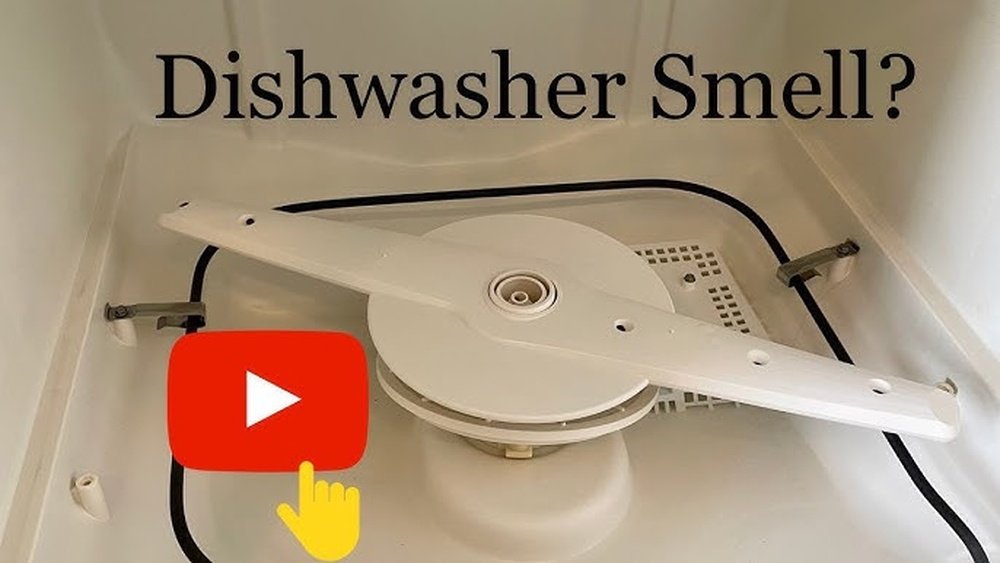
Keeping your GE dishwasher running smoothly is not just about loading it correctly or choosing the right detergent. One hidden but vital part is the dishwasher filter. This small component captures food particles, preventing them from redepositing on your dishes or clogging your plumbing. Over time, the filter can become dirty or blocked, leading to poor cleaning results, smells, and even damage to your machine. Learning how to clean a GE dishwasher filter is simple, but many users skip this task or do it wrong, costing them time and money.
In this guide, you’ll discover step-by-step instructions, expert tips, and insider advice to keep your dishwasher filter in top shape. Whether you’re a first-time GE owner or someone who’s had their dishwasher for years, you’ll find practical steps, common mistakes to avoid, and answers to real questions.
Let’s make sure your GE dishwasher gives you spotless dishes every time.
Why Cleaning Your Ge Dishwasher Filter Matters
The dishwasher filter acts as a net, catching food debris, grease, and sometimes even broken glass or small utensils. If you don’t clean it regularly, several problems can happen:
- Dishes stay dirty: Food particles can stick to plates and glasses.
- Unpleasant odors: Old food trapped in the filter starts to smell.
- Reduced water flow: This means less cleaning power and longer cycles.
- Potential machine damage: Over time, blockages can stress the motor and pump.
A clean filter means your dishwasher works efficiently, saving you water, energy, and repair costs. GE recommends cleaning the filter every month, but homes with heavy usage or hard water may need to do it more often.
Types Of Ge Dishwasher Filters
Not all GE dishwashers use the same filter system. Knowing your filter type helps you clean it correctly.
| Filter Type | Location | Cleaning Frequency | Common Models |
|---|---|---|---|
| Manual Clean Filter | Bottom of the tub | Monthly | GE Profile, GE Café |
| Self-Cleaning Filter | Near spray arm | Rarely (maintenance check) | Older GE models |
Manual Clean Filter
Most new GE dishwashers come with a manual clean filter. These filters require users to remove, rinse, and replace them. They usually have a fine mesh and sometimes a cylindrical shape.
Self-cleaning Filter
Some older or high-end GE models use a self-cleaning filter with a grinder or chopper that pulverizes food. These rarely need manual cleaning, but it’s still wise to check for blockages a few times a year.
Insight: Even “self-cleaning” filters can get blocked by certain items like bones, fruit pits, or labels from jars. Checking them once every six months can prevent unexpected issues.
How To Locate The Filter In Your Ge Dishwasher
Most people are unsure where the filter actually sits. Here’s how to find it:
- Open the dishwasher door completely.
- Remove the bottom rack to expose the floor of the tub.
- Look for a round or cylindrical cover—usually in the center or back corner.
- The filter is often marked with arrows or labeled “Filter.”
If you’re unsure, check your model’s manual or visit the official GE Appliances website to download a manual using your model number.
Non-obvious tip: Some filters have a secondary mesh attached underneath. Always check for two pieces, not just one, to avoid incomplete cleaning.
Tools And Supplies You’ll Need
Cleaning the filter doesn’t require special tools, but having the right items makes the process easier and safer.
- Soft brush (old toothbrush works great)
- Mild dish soap
- Sponge or cloth
- Bowl or sink for soaking
- Flashlight (for better visibility)
- Gloves (optional, for hygiene)
Never use harsh chemicals, metal brushes, or bleach, as these can damage the filter mesh or plastic.
Step-by-step Guide: Cleaning A Ge Dishwasher Filter
Ready to get your hands clean? Follow these steps for sparkling results:
1. Turn Off And Empty The Dishwasher
Always make sure the dishwasher is off and empty. Remove any dishes and the lower rack to give yourself space to work.
2. Locate And Remove The Filter
- Find the filter at the bottom of the tub.
- Most GE filters twist counterclockwise to unlock. Gently turn and lift it out.
- If your model has a secondary filter or screen, remove that as well.
Practical insight: If the filter feels stuck, do not force it. Check for debris around the edges or consult your manual to avoid breaking the locking tab.
3. Rinse Off Loose Debris
Hold the filter under warm running water. This will remove most food particles. Tap it gently to dislodge stubborn items.
4. Soak And Scrub
Fill a bowl or sink with warm, soapy water. Place the filter inside and let it soak for 10–15 minutes. Use your soft brush to scrub all mesh surfaces, paying attention to corners where grease collects.
Extra tip: For tough, greasy buildup, sprinkle a little baking soda on the brush. This helps remove residue without scratching the mesh.
5. Clean The Filter Housing
While the filter soaks, use a damp cloth or sponge to wipe the area inside the dishwasher where the filter sits. Food can build up here too, affecting performance.
Shine your flashlight into the cavity to check for hidden particles or glass shards.
6. Rinse And Dry
Rinse the filter thoroughly with clean water. Make sure all soap and debris are gone. Shake off excess water and let it air dry or pat dry with a clean towel.
7. Reinstall The Filter
Align the filter with the housing. Most GE filters have arrows or tabs that guide placement. Insert and twist clockwise to lock. Make sure it sits flat and does not wobble.
Replace the lower rack and close the dishwasher.
Mistake to avoid: Leaving the filter loose can let water and debris bypass the mesh, causing blockages and poor cleaning.
8. Run A Short Cycle (optional)
For extra freshness, run a rinse or short cycle with the dishwasher empty. This clears any loosened debris and ensures everything is back in place.
How Often Should You Clean The Ge Dishwasher Filter?
Frequency depends on how much you use your dishwasher and what you put in it.
| Usage Level | Cleaning Frequency | Notes |
|---|---|---|
| Light (1–3 loads/week) | Every 2 months | For homes with few dishes |
| Normal (4–6 loads/week) | Monthly | Recommended for most families |
| Heavy (Daily use, large families) | Every 2 weeks | Needed if you rarely pre-rinse dishes |
Insider tip: If you notice cloudy glasses, dirty dishes, or strange smells, clean the filter immediately—even if it’s not scheduled.
Signs Your Ge Dishwasher Filter Needs Cleaning
Sometimes, you might forget your cleaning routine. Watch for these warning signs:
- Dishes come out dirty or gritty
- Strange or unpleasant smells inside the dishwasher
- Longer wash cycles
- Standing water at the bottom after a cycle
- Visible food particles on the filter or in the tub
If any of these happen, check and clean the filter right away.
Common Mistakes To Avoid
Cleaning the filter seems simple, but many owners make small errors that reduce dishwasher life:
- Forgetting to lock the filter: It must click or twist firmly into place.
- Using harsh cleaners: Bleach or metal brushes can damage the mesh.
- Skipping the filter housing: Always wipe inside the cavity, not just the filter.
- Not checking for two filters: Many GE models have both a main and a secondary filter.
- Ignoring signs of damage: If the filter’s mesh is torn or the frame is cracked, replace it. A damaged filter can’t protect your dishwasher.
Expert advice: Always double-check the filter type in your manual. Forcing the wrong filter into place can break the housing.
How A Clean Filter Improves Your Dishwasher’s Performance
Regular maintenance does more than just keep dishes clean. Here’s how a clean filter helps:
- Better water flow: Ensures jets spray with full force, reaching every dish.
- Prevents re-depositing: Stops food bits from sticking to clean plates.
- Reduces machine strain: The pump and motor don’t have to work as hard.
- Extends lifespan: Less risk of breakdowns or leaks.
Interesting fact: According to the U.S. Department of Energy, dishwashers with clean filters can use up to 15% less water and energy per cycle.
Dealing With Tough Stains And Odors
Sometimes, regular cleaning isn’t enough, especially if you notice strong smells or greasy buildup.
For Persistent Odors
- Try soaking the filter in a solution of one part vinegar to two parts water for 20 minutes. Vinegar neutralizes odors and breaks down grease.
- Sprinkle a little baking soda in the filter cavity before running an empty hot wash.
For Grease And Hard Water Buildup
- Use a mix of warm water and a few drops of lemon juice to soak the filter.
- Scrub gently with your toothbrush, focusing on mesh and corners.
Non-obvious insight: Hard water can create mineral deposits on the filter. If you see a white, chalky layer, soak the filter in vinegar for 30 minutes, then rinse thoroughly.
When To Replace Your Ge Dishwasher Filter
Filters don’t last forever. If you spot any of these, it’s time to buy a new one:
- Torn or loose mesh
- Cracked plastic frame
- Filter won’t lock into place
- Persistent odors after cleaning
Most replacements are affordable and available online or from appliance stores. Always buy the correct filter for your model—using a generic or the wrong size can cause leaks or damage.
Extra Tips For Dishwasher Maintenance
A clean filter is just one part of keeping your dishwasher in top condition. Here are more expert tips:
- Scrape plates before loading: You don’t need to pre-rinse, but large food pieces should be removed.
- Use the right detergent: Too much soap creates residue, too little means dirty dishes.
- Check spray arms: Food can block holes. Remove and rinse spray arms every 2–3 months.
- Run hot water before starting: Let your kitchen faucet run hot to ensure the dishwasher fills with hot water from the start.
- Clean the door seals: Wipe the rubber gasket with a damp cloth monthly to prevent mold.
- Leave the door open after cycles: This helps air out moisture and reduces odor.

Credit: www.youtube.com
Troubleshooting: If Your Dishwasher Still Isn’t Cleaning Well
If you’ve cleaned the filter and dishes still aren’t coming out clean, consider these possible causes:
- Spray arms are blocked: Remove and check for clogs.
- Detergent issues: Old or wet detergent loses cleaning power.
- Water temperature: Make sure your hot water heater is set to at least 120°F (49°C).
- Low rinse aid: Add rinse aid to help water sheet off dishes.
- Machine needs a deep clean: Run a cycle with a dishwasher cleaner product once a month.
If problems persist, consult your user manual or contact GE customer support for guidance.
The Environmental Impact Of A Clean Filter
Keeping your filter clean isn’t just good for your dishwasher—it’s better for the planet. A clogged filter means your dishwasher uses more water and energy to get dishes clean. Over a year, this adds up.
Stat: According to the Environmental Protection Agency, a modern dishwasher uses about 3 gallons of water per cycle. A clogged filter can increase this by 0.5–1 gallon due to longer cycles and extra rinses.
A clean filter means fewer rewashes, saving energy, water, and detergent. It’s a simple way to reduce your household’s environmental footprint.

Credit: mooreapplianceservice.com
Step-by-step Cleaning Recap
Sometimes, it helps to see the process in a quick summary for your next cleaning session.
- Turn off and empty dishwasher
- Remove bottom rack
- Locate and unlock filter
- Rinse filter under warm water
- Soak and scrub with brush and soap
- Wipe filter housing with cloth
- Rinse and dry filter
- Reinstall and lock filter
- Run short cycle if desired
Stick this on your fridge or near the dishwasher for a handy reminder.
Comparing Manual Clean Vs. Self-cleaning Filters
If you’re considering a new dishwasher or want to know how your model stacks up, here’s a quick comparison:
| Feature | Manual Clean Filter | Self-Cleaning Filter |
|---|---|---|
| Maintenance | User must clean monthly | Rare manual checks |
| Noise Level | Very quiet | Louder (grinder sound) |
| Cleaning Performance | Excellent (if maintained) | Good (may miss some debris) |
| Typical Models | Most new GE models | Older or high-end models |
Pro tip: Manual clean filters are quieter and more energy-efficient, but only if you keep them clean.

Credit: www.reddit.com
Safety And Hygiene Considerations
Cleaning your dishwasher filter isn’t just about performance—it’s also about health. Old food particles can grow bacteria, mold, and even attract bugs if left too long.
- Wear gloves if you’re sensitive to food waste or detergents.
- Wash your hands after handling the filter.
- If you cut yourself on broken glass or sharp debris, clean the wound and seek medical advice if needed.
A clean filter helps keep your kitchen sanitary and your family healthy.
Saving Money By Cleaning Your Filter
Many dishwasher repairs are caused by a blocked filter. A service call can cost between $100–$250, not including parts. By cleaning your filter monthly, you avoid these costs and extend the life of your appliance.
Fact: According to consumer research, regular filter cleaning can add 2–3 years to your dishwasher’s lifespan.
Where To Find Replacement Filters
If your filter is damaged or missing, always buy genuine GE parts. Check your user manual for the correct part number.
- GE Appliances official parts store
- Major hardware stores
- Authorized repair shops
Avoid using non-official or generic filters, as they might not fit correctly or filter as well.
Useful Resources For Ge Dishwasher Owners
If you need more guidance, the GE Appliances website offers manuals, diagrams, and how-to videos. You can also find help at GE Appliances Support for official advice on cleaning and maintenance.
Frequently Asked Questions
How Do I Know If My Ge Dishwasher Has A Manual Or Self-cleaning Filter?
Check the bottom of your dishwasher tub. If there’s a round or cylindrical cover that twists out, it’s a manual clean filter. If you don’t see any removable filter, or if your machine is older, it likely has a self-cleaning filter. The user manual or GE website can confirm your model.
What Should I Do If The Filter Is Stuck And Won’t Come Out?
Don’t force it. Food or mineral deposits can glue the filter in place. Spray with warm water, gently wiggle, and try again. If it still won’t move, check your manual for specific instructions or call customer support. Forcing the filter can break the lock or housing.
Can I Run My Ge Dishwasher Without The Filter?
No. Running your dishwasher without a filter lets food and debris clog the pump, spray arms, or drain. It can also damage dishes and void your warranty. Always keep the filter installed and properly locked.
How Do I Clean The Spray Arms Along With The Filter?
Remove the spray arms (they usually snap or unscrew). Rinse under warm water, using a toothpick or small brush to clear any holes. Wipe down the surfaces and reinstall. Clean both spray arms and filter for the best results.
What Causes White Film Or Spots On Dishes Even After Filter Cleaning?
This is usually hard water or detergent residue. Use a rinse aid, check your water heater temperature (should be at least 120°F/49°C), and run a vinegar rinse cycle once a month. Cleaning the filter removes food, but hard water needs extra steps.
Keeping your GE dishwasher filter clean doesn’t just improve your appliance’s performance—it saves you time, money, and energy. With regular care and these practical steps, you’ll enjoy spotless dishes and a longer-lasting machine. If you need more detailed diagrams or help, the official GE support resources are always a click away.