
Every morning, millions of people start their day with a cup of coffee. For many, the coffee maker is one of the most used appliances in the kitchen. But how often do you think about cleaning your coffee maker? Probably not as often as you should. Over time, coffee makers can collect mineral buildup, oil residues, and even harmful bacteria. This not only changes the taste of your coffee but can also affect your health.
Some people use white vinegar for cleaning, but what if you only have apple cider vinegar at home? Or maybe you prefer it for its natural cleaning properties and milder smell. Good news: apple cider vinegar is a powerful and safe way to clean your coffee maker. This article will take you through everything you need to know about using apple cider vinegar to clean your coffee maker, why it works, and how to get the best results. We’ll go step by step, share common mistakes to avoid, offer expert tips, and answer all your questions.
Why Clean Your Coffee Maker Regularly?
It’s easy to forget about cleaning your coffee maker, but there are real reasons not to ignore it. Each time you brew, minerals from water and oils from coffee grounds build up inside. Over time, this creates a perfect place for mold and bacteria to grow.
A study by NSF International found that 50% of coffee makers had yeast and mold growing inside, making them one of the germiest items in the kitchen.
The effects of a dirty coffee maker include:
- Bitter or off-tasting coffee
- Slower brewing times
- Possible health risks from bacteria and mold
- Shorter lifespan for your coffee maker
Cleaning your coffee maker regularly keeps your coffee tasting fresh and your machine working well.
Why Use Apple Cider Vinegar?
Most guides recommend white vinegar, but apple cider vinegar has unique advantages:
- Natural acid: It breaks down mineral deposits and coffee oils.
- Antibacterial properties: It helps kill bacteria and mold.
- Gentler scent: Many people find the smell less harsh than white vinegar.
- Widely available: It’s often found in home kitchens, even when white vinegar isn’t.
Some people worry apple cider vinegar is not as strong as white vinegar. While it has a slightly lower acetic acid content (around 5% vs. 6-7% for white vinegar), it is still effective for cleaning. Plus, the natural compounds in apple cider vinegar may help cut through grime.
How Apple Cider Vinegar Cleans Coffee Makers
The cleaning power of apple cider vinegar comes from its acetic acid, which dissolves mineral deposits like calcium and lime. It also helps to break down oily residues left from coffee beans. These oils can turn rancid if not cleaned, giving your coffee a strange taste. Apple cider vinegar is also mildly antibacterial, which helps reduce germs inside the machine.
Here’s a quick look at how apple cider vinegar compares to other common cleaning agents for coffee makers:
| Cleaning Agent | Main Ingredient | Effectiveness on Scale | Odor | Natural/Non-Toxic |
|---|---|---|---|---|
| Apple Cider Vinegar | Acetic acid (~5%) | High | Mild, fruity | Yes |
| White Vinegar | Acetic acid (~6-7%) | Very High | Strong, sharp | Yes |
| Lemon Juice | Citric acid | Medium | Citrusy | Yes |
| Commercial Descaler | Varies (citric, lactic acid) | Very High | Chemical or neutral | Varies |
Supplies You’ll Need
Before you start, gather these items:
- Apple cider vinegar (enough for your reservoir size)
- Fresh water
- Clean sponge or cloth
- Mild dish soap (for removable parts)
- Toothbrush or small brush (for tough spots)
- Measuring cup
Optional:
- Paper towels or microfiber cloth for drying
- Coffee filter (if your machine uses one)
Using the right supplies ensures a thorough clean and prevents damage to your coffee maker.
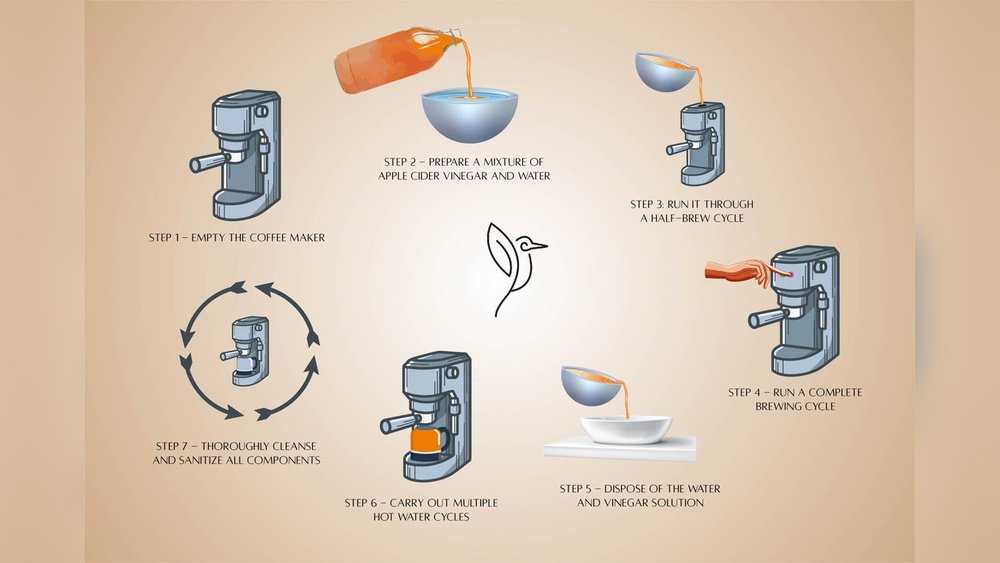
Step-by-step Guide: Cleaning A Coffee Maker With Apple Cider Vinegar
Cleaning your coffee maker with apple cider vinegar is simple, but there are details that matter. Follow these steps for best results.
1. Unplug And Cool Down
Safety first. Always unplug the coffee maker and let it cool if it’s been used recently. Hot water or steam can burn you.
2. Remove And Wash Removable Parts
Take out the carafe, filter basket, and any other removable parts. Wash these with warm soapy water and a sponge. Rinse well and let them air dry. A toothbrush can help with stuck-on stains or in corners.
Non-obvious insight: If your carafe or filter basket still smells like old coffee, soak them in a mix of water and apple cider vinegar (1:1) for 15–20 minutes before rinsing.
3. Mix Your Cleaning Solution
For most coffee makers, use a 1:1 ratio of apple cider vinegar to water. For example, if your reservoir holds 12 cups, mix 6 cups of vinegar with 6 cups of water.
If your machine is heavily scaled or hasn’t been cleaned in over 3 months, use 2:1 vinegar to water for extra strength. For regular cleaning, 1:1 is usually enough.
4. Fill And Run A Brewing Cycle
Pour the vinegar solution into the water reservoir. Place the empty carafe in position. Start a brew cycle as if you were making coffee (without coffee grounds). About halfway through the cycle, pause the machine (if possible) and let the solution sit for 30–45 minutes. This gives the vinegar time to break down mineral buildup.
Non-obvious insight: If your machine doesn’t have a pause button, simply turn it off once half the liquid has brewed, then wait before finishing the cycle.
5. Complete The Cycle And Discard Solution
After the soaking period, restart the cycle and let all the solution brew through. Discard the used vinegar-water mix. This step flushes out the inside of your machine.
6. Rinse With Fresh Water
It’s important to remove any vinegar taste or smell. Fill the reservoir with clean water (no vinegar) and run a full brewing cycle. Discard the water. Repeat this rinse 2–3 times or until you no longer smell vinegar in the hot water.
Tip: Smell and taste the water from the carafe after each rinse. If you still notice a tangy scent, run another plain water cycle.
7. Wipe Down And Reassemble
Wipe the outside of the machine with a damp cloth. Dry all parts thoroughly and put them back together. Your coffee maker is now clean and ready to use.
How Often Should You Clean With Apple Cider Vinegar?
A good rule is to deep clean your coffee maker with apple cider vinegar once a month. However, the best frequency depends on:
- How often you use it: If you brew daily, clean every 3–4 weeks. If less, every 2–3 months may be enough.
- Hardness of your water: Hard water leaves more mineral deposits. If you live in a hard water area, clean more often.
- Type of coffee: Oily beans or flavored coffees leave more residue.
Here’s a simple guide:
| Usage Frequency | Recommended Cleaning Interval | Notes |
|---|---|---|
| Daily | Every 3–4 weeks | Prevent buildup and odors |
| 2–3 times a week | Every 1–2 months | Less frequent use, but watch for signs of buildup |
| Occasional | Every 2–3 months | Still clean regularly to prevent bacteria |
Common Mistakes To Avoid
Many people make errors when cleaning their coffee makers. Here are mistakes to watch out for:
- Not rinsing enough: Apple cider vinegar leaves a smell and taste if not rinsed fully. Always run at least 2–3 rinse cycles with fresh water.
- Using only vinegar, no water: Pure vinegar is too strong and can damage seals and parts. Always dilute it.
- Forgetting removable parts: Oils and mold collect in baskets and carafes. Wash these every time you clean the machine.
- Skipping the soak: Letting the vinegar solution sit inside the machine helps remove stubborn deposits.
- Cleaning too rarely: Waiting until your coffee tastes bad means buildup has already happened. Clean on a schedule.
Is Apple Cider Vinegar Safe For All Coffee Makers?
Most drip coffee makers are safe to clean with apple cider vinegar. However, be careful with:
- Single-serve machines (like Keurig): Check the manual. Most brands allow vinegar cleaning but advise extra rinsing.
- Espresso machines: Some high-end models have aluminum parts, which can react with vinegar. Use a manufacturer-recommended descaler if unsure.
- Machines under warranty: Some warranties do not cover damage from using vinegar. Always read your warranty terms.
If in doubt, check your coffee maker’s user manual or the manufacturer’s website.

Credit: tabykonstvanner.se
Can Apple Cider Vinegar Damage Your Coffee Maker?
When used properly (diluted with water), apple cider vinegar is safe for most coffee makers. Problems only arise if you:
- Use undiluted vinegar too often, which can wear out rubber seals.
- Forget to rinse, leaving residue behind.
- Use on machines with sensitive internal materials (like aluminum).
If you follow dilution and rinsing steps, your machine will stay safe and clean.
Apple Cider Vinegar Vs. White Vinegar
You might wonder whether apple cider vinegar is as good as white vinegar for cleaning coffee makers. Both have pros and cons.
Apple Cider Vinegar:
- Milder smell, less harsh
- Slightly less acidic
- May leave a faint apple scent if not rinsed well
White Vinegar:
- Stronger acid, more effective on tough scale
- Strong smell that can linger
- Usually cheaper
For everyday cleaning, apple cider vinegar works well, especially if you dislike the strong odor of white vinegar. For very heavy buildup, white vinegar may be slightly more effective.

Credit: lifeboostcoffee.com
Tips For Best Results
To get the cleanest coffee maker and the best-tasting coffee:
- Always measure vinegar and water for correct dilution.
- Clean the carafe and filter basket after every use, not just during deep cleans.
- Use filtered water for brewing and cleaning, especially if you have hard tap water.
- Clean the exterior regularly to prevent dust and grime.
- Replace paper filters after each use. Don’t reuse them.
- Descale more often if your water is very hard or if you see white spots inside your machine.
If you want a fresh scent after cleaning, run a final rinse cycle with a slice of lemon in the water reservoir. This cuts any leftover vinegar smell.
Signs Your Coffee Maker Needs Cleaning
Don’t wait until coffee tastes bad! Watch for these signs:
- Bitter, sour, or strange-tasting coffee
- Visible white spots or residue
- Slow brewing or less coffee
- Machine is louder than usual
- Smell of mildew or vinegar after cleaning
If you notice any of these, it’s time to clean your machine, even if it’s before your usual schedule.
Alternative Natural Cleaners
If you don’t have apple cider vinegar, other kitchen ingredients can help:
- Lemon juice: Slightly less effective but good for light cleaning.
- Baking soda: Mix 1/4 cup with water for odor removal, but it doesn’t remove scale as well.
- Citric acid powder: Safe and effective, but less common in kitchens.
Commercial cleaners are available, but they often contain chemicals and cost more. Apple cider vinegar is a cost-effective, natural option.
What To Avoid When Cleaning
Some methods found online can actually damage your coffee maker:
- Bleach: Too harsh and dangerous to ingest.
- Ammonia or strong chemicals: Not food-safe.
- Abrasive pads or steel wool: Scratch surfaces and damage the machine.
Stick to natural acids like vinegar or citric acid, and always rinse thoroughly.
How Apple Cider Vinegar Impacts Coffee Taste
A clean coffee maker gives you the best flavor. However, if you don’t rinse enough, you might notice a slight apple or vinegar taste. This is not harmful but can affect your morning coffee. Always do at least two rinse cycles and smell the water after rinsing.
If you still taste vinegar, run another plain water cycle. Over-rinsing is better than under-rinsing.
Environmental Benefits Of Apple Cider Vinegar Cleaning
Cleaning with apple cider vinegar is not only safe for you, but also better for the environment. Unlike chemical cleaners, vinegar breaks down naturally and doesn’t leave harmful residues. It’s also safe to pour down the drain.
Commercial descalers can sometimes contain phosphates or other chemicals that are not eco-friendly. Using vinegar supports a greener cleaning routine.
Cost Comparison: Apple Cider Vinegar Vs. Other Methods
Let’s see how apple cider vinegar stacks up against other cleaning options for cost and convenience:
| Cleaning Method | Cost (per clean) | Availability | Odor | Eco-friendly |
|---|---|---|---|---|
| Apple Cider Vinegar | $0.50–$1 | Common | Mild/Fruity | Yes |
| White Vinegar | $0.20–$0.50 | Very Common | Strong | Yes |
| Commercial Descaler | $2–$4 | Specialty stores | Neutral/Chemical | Varies |
| Lemon Juice | $1–$1.50 | Common | Citrusy | Yes |
Apple cider vinegar is a budget-friendly option that’s easy to find and safe to use.
Troubleshooting: When Cleaning Doesn’t Work
If your coffee maker still has issues after cleaning:
- Coffee tastes bad: Run another vinegar and rinse cycle. Check for hidden buildup under parts.
- Machine won’t brew: Mineral deposits may be blocking water lines. Repeat the process or try using a stronger solution (more vinegar, less water).
- Vinegar smell won’t go away: Run 3–4 rinse cycles. Use a slice of lemon in the last rinse.
- Visible mold: Disassemble all possible parts and soak in vinegar-water mix. Scrub with a brush. Replace any parts that can’t be cleaned.
If problems continue, consult the manufacturer’s website or customer service.

Credit: www.roastycoffee.com
Real-life Example: Cleaning Results
Anna, a daily coffee drinker, noticed her coffee tasted bitter and her machine brewed slower each month. She cleaned her drip coffee maker with apple cider vinegar using the steps above. After cleaning, the coffee was smoother, and the brewing time went back to normal.
Her tip: “Letting the vinegar sit for at least 30 minutes made a big difference. The first rinse had a strong smell, but after three rinses, there was no vinegar taste at all.”
When To Replace Your Coffee Maker
Regular cleaning extends the life of your coffee maker, but all machines wear out eventually. Signs you may need a new machine:
- Cracks or leaks in the reservoir or carafe
- Rusty or corroded heating plate
- Persistent taste issues even after cleaning
- Machine no longer heats properly
If your machine is more than 5–7 years old and cleaning doesn’t help, it may be time for an upgrade.
Where To Learn More About Coffee Maker Care
If you want more information on keeping your coffee maker in top shape, check the cleaning tips and maintenance guides from respected sources like the Consumer Reports.
Frequently Asked Questions
How Much Apple Cider Vinegar Should I Use To Clean My Coffee Maker?
Use a 1:1 ratio of apple cider vinegar to water. If your reservoir holds 12 cups, use 6 cups of vinegar and 6 cups of water. For heavy buildup, you can use a stronger 2:1 mix, but always rinse well after.
Will My Coffee Taste Like Vinegar After Cleaning?
If you rinse thoroughly, your coffee should not taste like vinegar. Run at least two cycles of fresh water after cleaning. If you still notice a smell or taste, run another rinse cycle.
Is Apple Cider Vinegar Safe For Single-serve Or Keurig Machines?
Yes, but check your machine’s manual first. Many single-serve makers allow vinegar cleaning, but you must rinse extra carefully. Use the same 1:1 mixture and run multiple water cycles to remove all residue.
Can I Use Apple Cider Vinegar If My Coffee Maker Is Still Under Warranty?
Check your warranty details. Some brands do not cover damage from vinegar use. If in doubt, use a manufacturer-approved descaler or follow the instructions in your manual.
How Often Should I Clean My Coffee Maker With Apple Cider Vinegar?
For daily use, clean every 3–4 weeks. If you brew less often, every 1–2 months is enough. Adjust if you have hard water or use oily or flavored coffees.
Keeping your coffee maker clean with apple cider vinegar is simple, affordable, and good for both your coffee and your health. With regular care, you’ll enjoy better-tasting coffee and a longer-lasting machine. Try these steps today and taste the difference tomorrow.