
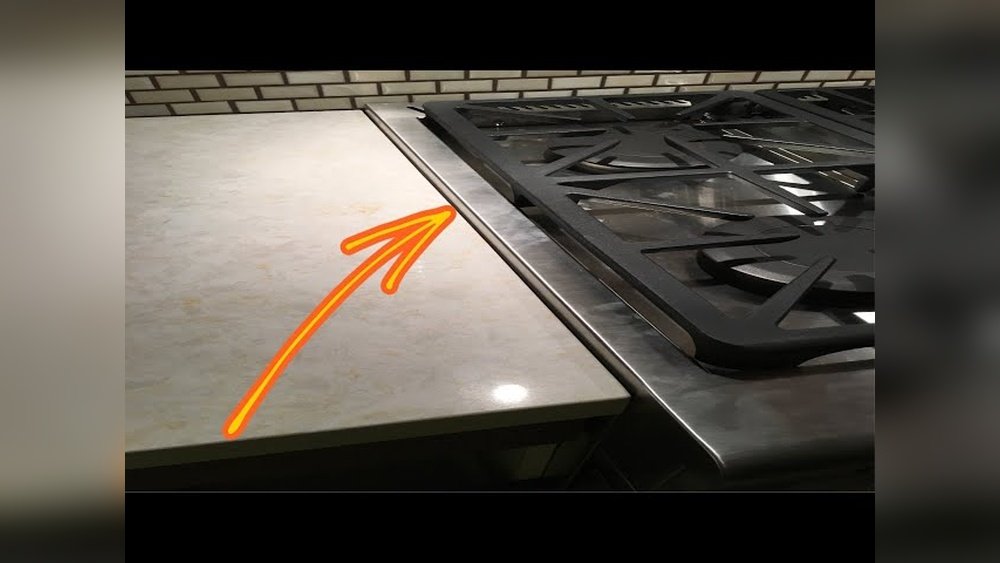
Cleaning the narrow gap between your oven and counter can feel like searching for lost treasure in a tight cave. Many people ignore this small space, but food crumbs, grease, and dust often hide there, attracting pests and causing unwanted smells.
Over time, dirt in this area can make your kitchen look and feel less clean, even if you wipe the counters every day. If you want a truly fresh kitchen, learning how to clean between the oven and counter is a must.
Most people struggle with this task because the space is narrow and hard to reach. You might have tried poking a cloth between the gap, only to end up pushing crumbs further down. Or maybe you’ve spilled coffee or sauce into the crack and watched helplessly as it disappeared.
The good news is, with the right tools and techniques, you can clean this hidden area without hurting your back or damaging your oven or countertop.
This guide will show you everything you need to know about cleaning between your oven and counter. You will find step-by-step instructions, practical tips, recommended tools, safety advice, and even a few clever tricks that most people overlook. By the end, you’ll know how to keep this space spotless and prevent future messes.
Let’s make your kitchen shine in every corner, even the ones you can’t see.
Why Cleaning Between Oven And Counter Matters
It’s easy to ignore the gap between your oven and counter, but leaving it dirty can create several problems. First, crumbs and spills attract ants, cockroaches, and other pests. In many homes, these tiny invaders start in places you rarely clean. Second, old food can rot and smell, making your kitchen less pleasant. Over time, grease buildup in this area can even be a fire hazard if you use your oven often.
There’s also the look of your kitchen. Even a small line of dirt can make the room appear less tidy. If you ever move your oven for repairs or cleaning, you don’t want to find a thick line of grime along the edge.
Keeping this space clean is a small step that makes a big difference.
Understanding The Gap: Types And Challenges
Not every kitchen is the same. The size of the gap between your oven and counter depends on your oven’s style, how it was installed, and the age of your kitchen. Some gaps are just a few millimeters wide, while others are more than half an inch. The type of countertop and oven material also changes how dirt collects.
Common Challenges
- Narrow spaces: Most cleaning tools do not fit easily.
- Hidden spills: Liquids can drip under the oven, making it harder to clean.
- Grease and sticky residue: These are harder to remove with a simple wipe.
- Scratching risk: Using the wrong tool can scratch the oven or counter finish.
Knowing your specific situation helps you pick the right tools and avoid damage.
Tools And Materials You’ll Need
Before starting, gather everything you need. Having the right tools makes the job easier and more effective.
- Long, thin cleaning brush (like a bottle brush or gap cleaning brush)
- Flexible cleaning wand or spatula (silicone or plastic)
- Microfiber cloths
- Vacuum cleaner with a narrow nozzle
- Spray bottle with mild cleaning solution (or vinegar and water)
- Baking soda
- Old toothbrush
- Paper towels
- Oven gap covers (optional, for prevention)
- Gloves (especially if you use strong cleaners)
- Flashlight (to see inside the gap)
If your oven can be moved, you may also need a friend to help lift and furniture sliders to protect your floor.
Tool Comparison: Reaching Into The Gap
Sometimes you’ll wonder which tool works best for your kitchen. Here’s a quick comparison to help you choose:
| Tool | Best For | Limitations | Ease of Use |
|---|---|---|---|
| Flexible Cleaning Wand | Deep, narrow gaps | May miss sticky spots | Easy |
| Vacuum with Crevice Tool | Loose crumbs, dust | Doesn’t remove grease | Very Easy |
| Microfiber Cloth on Stick | Sticky spills, grease | Needs manual effort | Moderate |
| Old Toothbrush | Scrubbing tough spots | Limited reach | Moderate |
Choose the tool that fits your gap and mess type. Sometimes, you’ll need to use two or more tools for best results.
How To Clean Between Oven And Counter: Step-by-step
The cleaning method depends on whether your oven is fixed or can be moved. For most people, the oven cannot be moved easily. Let’s start with the method for tight, fixed ovens.
Cleaning Without Moving The Oven
This is the most common situation. Here’s how to clean effectively even if your oven is heavy or built-in.
- Clear the area: Remove items from the nearby countertop and make sure the oven is off and cool.
- Shine a light: Use a flashlight to see inside the gap. This helps you spot crumbs, spills, or sticky spots.
- Vacuum loose debris: Use a vacuum cleaner with a crevice tool to suck up dust, crumbs, and small bits. Move the tool slowly along the gap.
- Wrap a cloth around a thin tool: Take a flexible spatula or cleaning wand, wrap a damp microfiber cloth around the end, and secure it with a rubber band. Spray the cloth with your cleaning solution.
- Insert and swipe: Insert the tool into the gap and move it back and forth. Apply gentle pressure, but do not force it if the gap is very tight.
- Scrub sticky spots: For grease or dried spills, sprinkle a little baking soda on the damp cloth or use an old toothbrush to gently scrub.
- Rinse and repeat: Change the cloth if it gets dirty. Wipe again with a clean, damp cloth to remove any cleaner or residue.
- Dry: Use a dry cloth or paper towel to wipe the area and keep it from getting wet or moldy.
Pro Tip:
If your gap is especially narrow, try using a yardstick or ruler wrapped in a thin cloth. Slide it along the space to wipe away hidden dirt.
Cleaning If You Can Move The Oven
If your oven is freestanding and not too heavy, you can pull it forward to clean more deeply. Always check that the oven is off, unplugged, and cool before moving. If you have a gas oven, be gentle to avoid damaging the gas line.
- Prepare the floor: Place cardboard or furniture sliders under the oven’s feet to protect your floor from scratches.
- Unplug and move: Unplug the oven (for electric types) and slowly pull it forward, just enough to reveal the gap.
- Sweep or vacuum: Use a broom or vacuum to remove crumbs and dust from the floor and sides.
- Clean the sides: Wipe down the oven’s sides and the exposed counter with a damp, soapy cloth.
- Tackle sticky buildup: For stubborn grease, mix equal parts vinegar and water, or use a gentle kitchen cleaner. Scrub with a sponge or old toothbrush.
- Rinse and dry: Wipe with a clean, damp cloth, then dry all surfaces.
- Push oven back: Carefully move the oven back into place. Plug it in and check that everything sits evenly.
Real Example:
Many renters find old grease lines when they move their oven for the first time. One user reported finding years of crumbs and sticky jelly behind her oven, which attracted ants. After cleaning, she used a gap cover to keep it clean.
Tips For Cleaning Different Types Of Messes
Not all dirt is the same. Here’s how to tackle common messes found between ovens and counters:
1. Crumbs And Dust
- Use a vacuum with a crevice tool.
- If you don’t have a vacuum, use a sticky lint roller on a chopstick.
2. Grease And Sticky Residue
- Spray a 1: 1 mix of white vinegar and water onto a cloth.
- For tough spots, sprinkle baking soda and scrub gently.
3. Dried Spills
- Wet the area with a damp cloth first to loosen the mess.
- Use an old toothbrush to scrub, then wipe clean.
4. Mold Or Mildew
- Mix 1 part hydrogen peroxide with 2 parts water.
- Wipe the area, then dry completely to prevent future growth.
5. Pet Hair Or Fine Dust
- Use a microfiber cloth (slightly damp) on a long stick to catch fine particles.
Non-obvious Insight:
Many people forget that steam and heat from the oven can cause spills in the gap to bake and harden. Cleaning regularly prevents sticky messes from becoming permanent.
Safety Precautions And What To Avoid
Cleaning between the oven and counter is usually safe, but a few risks can cause trouble if you’re not careful:
- Never use metal tools: These can scratch your oven or countertop.
- Do not use flammable cleaners: Avoid alcohol-based sprays near hot ovens.
- Check for gas lines: If you move your oven and have a gas stove, move it slowly and never force it.
- Let oven cool: Cleaning near a hot oven can cause burns.
- Wear gloves: Some cleaning solutions can irritate your skin.
If you’re unsure, always start with mild cleaners and gentle tools.
Credit: www.daviesappliance.com
Preventing Mess In The Gap
Once you’ve cleaned the gap, it’s smart to keep it from getting dirty again. Here are a few strategies that really work:
Use Oven Gap Covers
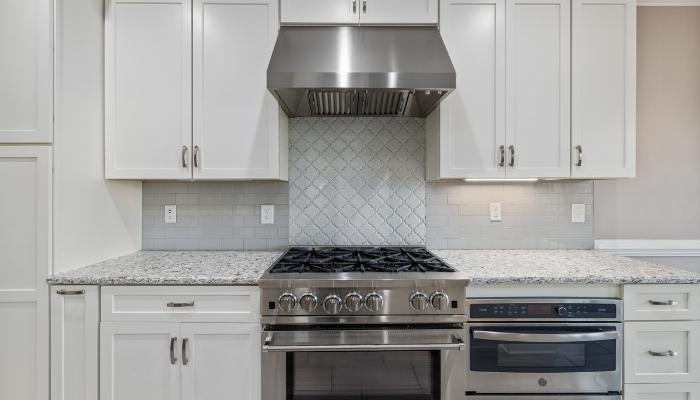
Oven gap covers are long, flexible strips (usually silicone or stainless steel) that fit perfectly into the space between your oven and counter. They stop crumbs, liquids, and dust from falling into the gap. They are easy to clean—just lift them out and wipe.
Regular Quick Cleaning
Wipe along the gap every week with a damp microfiber cloth. A quick swipe prevents buildup and makes deep cleaning less frequent.
Sealant For Permanent Gaps
If your oven and counter have a wide, fixed gap, you can use a clear silicone sealant to close the space. This is common in professional kitchens.
Rearranging Appliances
If your oven sits next to a fridge or another appliance, check for gaps on both sides. Clean and cover all spaces to prevent pests.
Non-obvious Insight:
Many people clean only the visible gap. Dirt can also slip under the countertop’s lip or behind oven handles. Wipe these areas too for full protection.
How Often Should You Clean The Gap?
The ideal cleaning schedule depends on how much you cook and the size of the gap. Here’s a helpful guide:
| Cooking Frequency | Suggested Cleaning |
|---|---|
| Daily Cooking | Wipe every week, deep clean monthly |
| Several Times a Week | Wipe every 2 weeks, deep clean every 2 months |
| Rarely Cook | Wipe monthly, deep clean 2-3 times a year |
Regular attention keeps cleaning easy and prevents tough buildup.
Common Mistakes To Avoid
Many people make cleaning mistakes that can cause more harm than good. Avoid these to keep your kitchen safe and spotless:
- Using metal knives or spatulas to scrape dirt. This scratches surfaces.
- Pouring water directly into the gap. This can seep under the oven and cause rust or electrical issues.
- Ignoring the oven’s sides. Grease builds up here too.
- Only vacuuming. Vacuuming alone does not remove sticky spills.
- Using harsh chemicals. These can discolor or damage countertops and oven finishes.
- Forgetting to dry the area. Moisture can lead to mold or rust.
Eco-friendly Cleaning Options
If you want to avoid strong chemicals, natural cleaners can do the job well:
- White vinegar: Cuts grease and kills bacteria.
- Baking soda: Removes odors and scrubs gently.
- Hydrogen peroxide: Kills mold and mildew.
Mix equal parts vinegar and water in a spray bottle for everyday cleaning. For tough spots, sprinkle baking soda, spray with vinegar, let fizz, then wipe clean. This method is safe for most surfaces.
When To Call A Professional
Most cleaning jobs between the oven and counter can be done at home. However, consider calling a professional if:
- You find signs of pests (like droppings or nests) in the gap.
- There is mold you cannot remove.
- You see electrical wires or gas lines and feel unsure.
- There’s a strange smell that does not go away after cleaning.
Professionals can safely move the oven and handle deep cleaning or repairs.
Cost And Time: What To Expect
Cleaning between your oven and counter is not expensive. Most tools (like cleaning wands, cloths, or gap covers) cost between $5 and $20. If you hire a professional for a deep clean, expect to pay $50–$150, depending on your location.
For a quick clean, set aside about 15–30 minutes. A deep clean, including moving the oven, may take 1–2 hours.

Credit: www.bibliotecaoscura.com
Real-world Example: Before And After
Sarah, a home cook, noticed a musty smell in her kitchen. She realized crumbs and grease had built up in the gap by her oven. She used a flexible cleaning wand, vinegar spray, and a microfiber cloth to clean it out.
After cleaning, she installed a silicone gap cover. The smell vanished, and her kitchen felt fresher.
Comparing Oven Gap Covers
If you want to prevent messes, oven gap covers are a smart choice. Here’s how the most popular types compare:
| Type | Material | Durability | Ease of Cleaning | Cost Range |
|---|---|---|---|---|
| Silicone | Flexible, heat-resistant | High | Dishwasher safe | $10–$20 |
| Stainless Steel | Rigid, fits most gaps | Very High | Wipe clean | $15–$30 |
| Plastic | Flexible, less heat-resistant | Medium | Hand wash | $5–$15 |
Choose silicone for most kitchens. Stainless steel is best for wide or fixed gaps.

Credit: www.amazon.com
Troubleshooting: If The Gap Is Too Narrow Or Uneven
Sometimes, the gap is too tight for any tool, or the oven and counter are uneven. Here’s what you can do:
- Use compressed air to blow out crumbs (cover the floor first).
- Try dental floss for sticky residue—slide it along the edge.
- Ask a professional to realign your oven or counter if the gap is large on one side and tiny on the other.
Maintenance Tips For Long-term Cleanliness
- Check the gap monthly for new spills.
- Replace gap covers if they become worn or stained.
- Wipe oven handles and sides after cooking greasy foods.
- Teach kids and family members not to drop food near the oven gap.
Small habits prevent big cleaning jobs later.
Frequently Asked Questions
How Do I Clean Between The Oven And Counter If The Gap Is Extremely Narrow?
If the gap is too tight for a cloth or brush, try using a thin plastic ruler or yardstick wrapped with a microfiber cloth. You can also use compressed air to blow out crumbs. For sticky residue, slide a piece of dental floss or thin string along the edge to loosen dirt.
Is It Safe To Move My Oven For Cleaning?
It is usually safe to move a freestanding oven, but always unplug it first. For gas ovens, move slowly and avoid putting stress on the gas line. If you feel resistance or see wires, ask a professional for help.
Can I Use Bleach Or Strong Chemicals In The Gap?
It’s best to avoid bleach or harsh chemicals near your oven and counter. These can damage surfaces or cause strong odors. Use mild cleaners like vinegar and water, or a gentle kitchen cleaner.
What’s The Best Way To Prevent Dirt From Falling Into The Gap?
The most effective solution is to install oven gap covers. These simple strips block crumbs and spills. Wipe the covers regularly to keep them clean.
How Often Should I Clean Between The Oven And Counter?
For most homes, once a month is enough. If you cook daily or spill often, check and wipe the gap every week. Preventive cleaning is easier than removing baked-on messes.
A clean kitchen feels better and works better. By learning how to clean between your oven and counter, you take control over one of the most forgotten spaces in your home. With the right tools, a bit of regular care, and smart prevention, you can keep your kitchen spotless from top to bottom. For more cleaning and maintenance tips, see resources like the Good Housekeeping Cleaning Guide.