
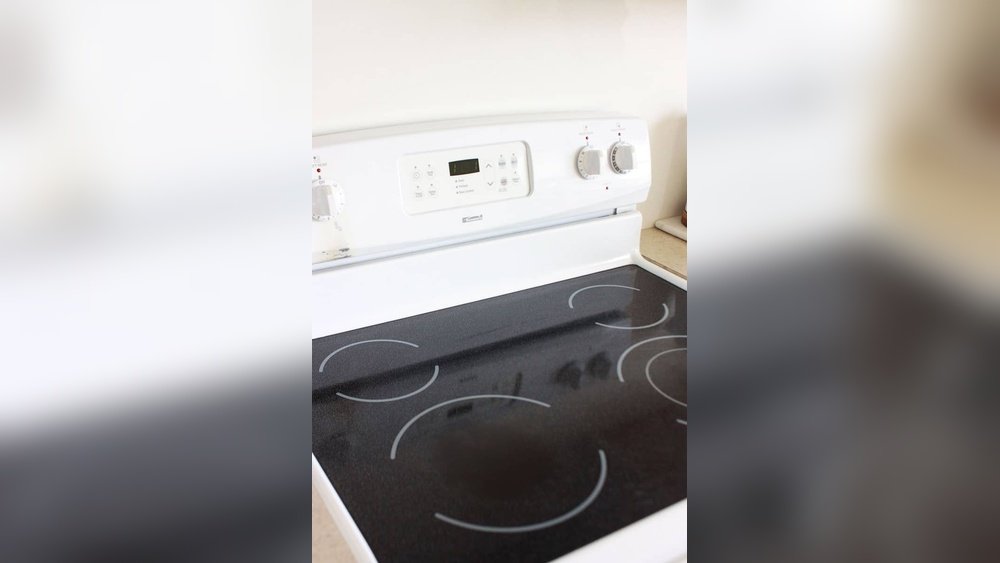
A black flat top stove can bring a sleek, modern look to your kitchen. But keeping it clean and shiny is not always easy. Grease, water stains, and burnt-on food can show up quickly on that dark, smooth surface. If you try to scrub with the wrong tools or cleaners, you can scratch or even damage the glass.
That’s why knowing the right way to clean your black flat top stove is so important—not just for looks, but also to keep it working well for years.
Many people make mistakes when cleaning these stoves. Some use harsh chemicals, while others reach for rough scouring pads. Both can leave scratches or dull spots that are hard to fix. But with the right steps, tools, and habits, you can avoid these problems.
Regular cleaning is easier and safer than waiting until stains get baked on. Plus, a clean stove makes cooking more pleasant and helps your kitchen feel fresh.
Let’s break down everything you need to know, step by step. You’ll learn which tools to use, which products to avoid, and what to do when you face stubborn messes. You’ll also get tips for everyday care, deep cleaning, and even handling old stains.
By the end, you’ll have all the knowledge you need to keep your black flat top stove looking like new.
Understanding Black Flat Top Stoves
A black flat top stove is usually made from ceramic glass. It’s smooth, shiny, and attractive. The black color hides some stains but can also make greasy smudges and dust stand out. These stoves use either electric or induction heat. Both types need careful handling, but the main cleaning steps are the same.
What makes these stoves special is their scratch-sensitive surface. Unlike metal or coil burners, glass can be damaged by sharp objects or rough scrubbing. Even a tiny grain of salt or sugar under your cloth can create a visible scratch. That’s why gentle cleaning is always best.
Manufacturers often warn against using certain products. For example, powder cleaners, steel wool, and ammonia-based sprays can all leave marks or cause cloudiness. Instead, you want to use soft cloths, special creams, and plastic scrapers. We’ll explain each tool and product in detail below.
Common Types Of Messes
Knowing what you’re dealing with helps you choose the right cleaning method. Here are the main types of messes you’ll face on a black flat top stove:
- Light dust and fingerprints – These build up quickly and are easy to wipe away if caught early.
- Water spots and streaks – These can come from spilled water or cleaning with a wet cloth that isn’t dried properly.
- Grease and oil splatters – Common after frying or sautéing, they can look shiny or leave a sticky feel.
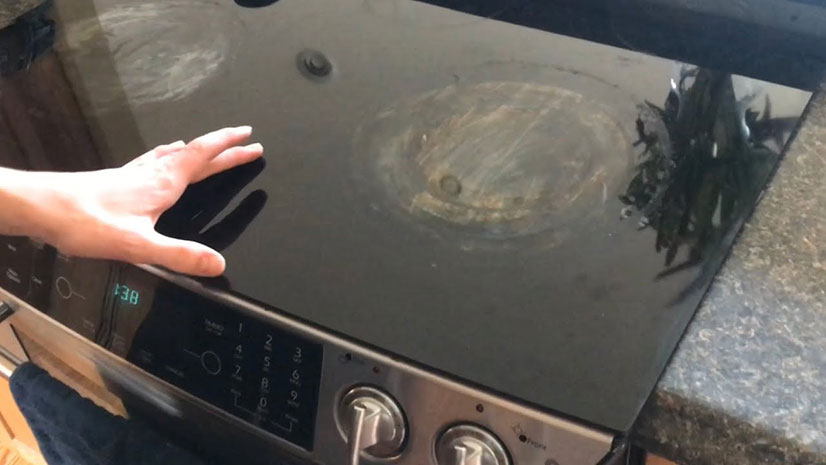
- Burnt-on food – Spills that are heated repeatedly can become hard and stubborn.
- Sugar spills – These are especially dangerous because sugar can bond with the glass, causing pits or discoloration.
Each type needs a slightly different approach. For example, burnt-on messes often require soaking and scraping, while grease can be removed with a good degreaser and a soft sponge.
Credit: prohousekeepers.com
Essential Tools And Supplies
Before you start cleaning, gather the right supplies. Using the proper tools not only makes the job easier but also protects your stove’s surface.
| Tool/Supply | Purpose | Notes |
|---|---|---|
| Microfiber cloths | Wiping and polishing | Very soft, won’t scratch |
| Non-abrasive sponge | General cleaning | Choose one made for glass |
| Ceramic cooktop cleaner | Removing stains, polishing | Special formula, safe for glass |
| Plastic razor scraper | Removing burnt-on food | Plastic blade, gentle on glass |
| White vinegar | Degreasing, removing streaks | Mix with water |
| Baking soda | Handling tough stains | Gentle abrasive, won’t scratch |
| Spray bottle | Even application of cleaners | For vinegar solution or water |
| Paper towels | Quick drying, wiping up messes | Use lint-free if possible |
| Rubber gloves | Protecting your hands | Optional, but helpful |
Non-obvious tip: Avoid colored sponges with rough sides—even the “gentle” scrubbing side can scratch. Always check your tools before using them.
Daily Cleaning Routine
Cleaning your black flat top stove every day (or after each use) keeps it looking great and prevents buildup. This routine should only take a few minutes.
- Wait for the stove to cool completely. Never clean while hot—you can burn yourself, and cleaners may evaporate too fast.
- Wipe loose crumbs and dust. Use a dry microfiber cloth to pick up debris. This prevents scratches during wet cleaning.
- Spray with vinegar solution. Mix equal parts white vinegar and water in a spray bottle. Mist the surface lightly.
- Wipe with a soft cloth. Use a clean, dry microfiber cloth to remove fingerprints, smudges, and water spots.
- Polish for shine. Buff with a second dry cloth for a streak-free finish.
Non-obvious insight: Always use two different cloths—one for cleaning and one for polishing. This prevents streaks and redistributing grease.
Quick Comparison: Vinegar Solution Vs. Commercial Glass Cleaner
| Aspect | Vinegar Solution | Commercial Glass Cleaner |
|---|---|---|
| Cost | Very low | Moderate to high |
| Effectiveness | Good for grease, light messes | Good for fingerprints, streaks |
| Safety | Non-toxic, fume-free | May contain ammonia (avoid on glass stoves) |
| Residue | No residue | Possible residue if not wiped well |

Credit: www.youtube.com
Deep Cleaning For Stubborn Messes
If you cook often, you’ll sometimes get burnt-on food or sticky spills. Deep cleaning once a week (or as needed) helps keep the glass smooth and shiny.
Step-by-step Deep Cleaning
- Let the stove cool. Never clean a hot surface.
- Remove loose debris. Wipe with a dry cloth first.
- Apply cooktop cleaner. Squeeze a small amount of ceramic cooktop cream onto the stained areas.
- Let it sit. Wait 2-3 minutes. The cream will soften the mess.
- Use a non-abrasive sponge. Gently rub in circles. Don’t press too hard.
- Handle tough spots. For really stuck food, carefully use a plastic razor scraper. Hold it at a 45-degree angle and gently push the residue off.
- Wipe clean. Use a damp microfiber cloth to remove all cleaner and residue.
- Buff dry. Finish with a dry cloth for a glossy look.
Practical tip: Always move the scraper in one direction, not back and forth. This prevents scratching.
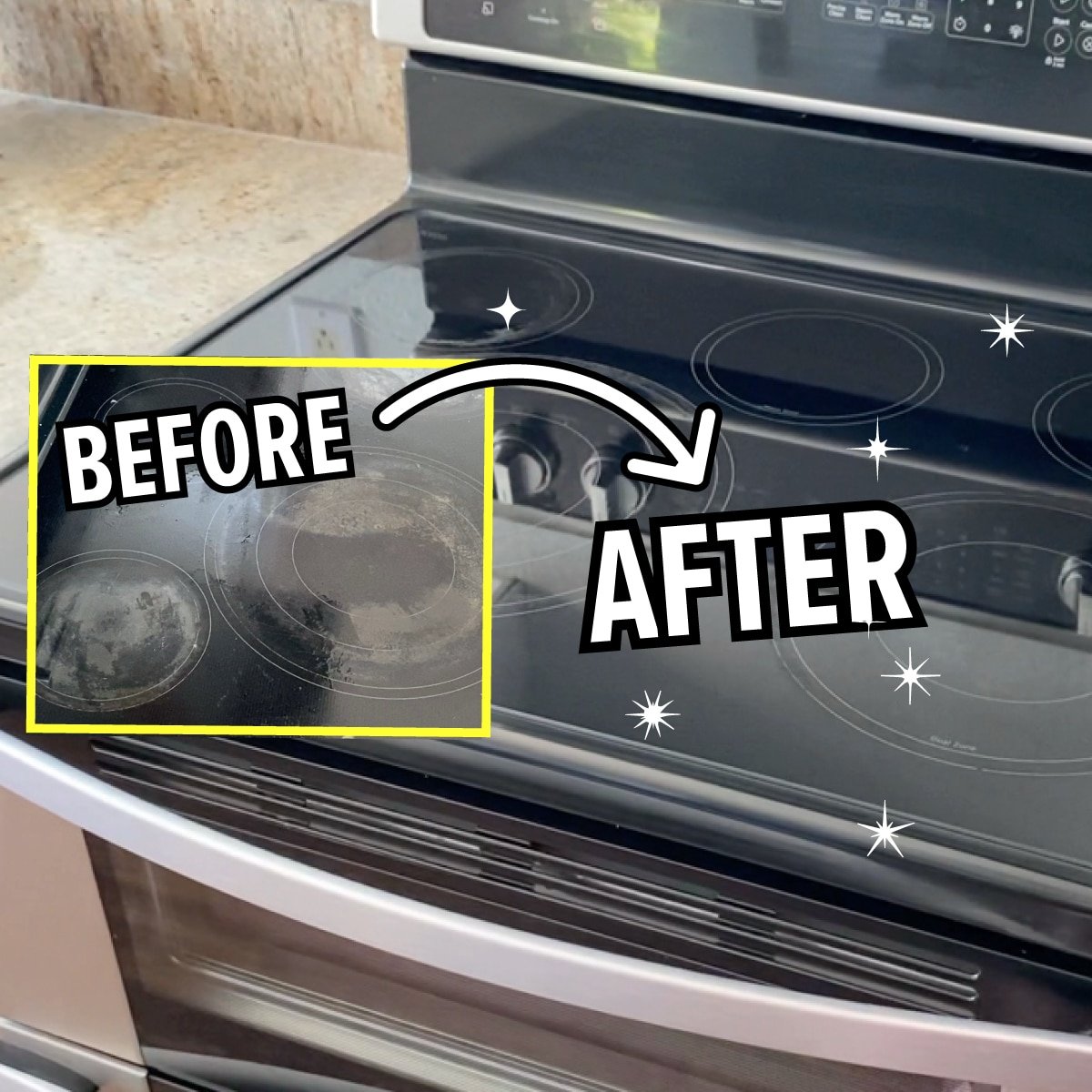
Tackling Burnt-on Stains With Baking Soda
Sometimes, even cooktop cream isn’t enough. Baking soda offers extra cleaning power without scratching.
- Sprinkle baking soda over the stain.
- Place a damp, warm cloth over the area for 10–15 minutes.
- Gently rub with the cloth in small circles.
- Rinse and dry with a clean cloth.
Example: For a burnt milk spill, the baking soda method can break down the mess without damaging the black glass.
How To Remove Grease And Oil Splatters
Grease is common after cooking meats or frying. On a black stove, these spots can look shiny or rainbow-colored.
- Spray vinegar solution directly on the greasy area.
- Let sit for 2 minutes. This helps break down the oil.
- Wipe with a microfiber cloth in gentle circles.
- Repeat if needed, or use a tiny drop of dish soap on the cloth for stubborn spots.
- Buff with a dry cloth to restore shine.
Insight: Never spray cleaner directly onto hot glass—it can cause streaks or even crack the surface due to rapid cooling.
Credit: sipbitego.com
Handling Water Spots And Streaks
Water spots are often caused by mineral deposits in tap water. They can leave dull marks or white rings.
- Wipe with a damp cloth to remove loose residue.
- Spray vinegar solution and let it sit for 1 minute.
- Wipe dry with a soft cloth.
- For hard water spots, use a bit of cooktop cream as a polish.
Extra tip: Always dry the stove completely after cleaning. Letting it air dry can make streaks worse.
Dealing With Sugar Spills
Sugar burns at a lower temperature and can bond with glass, causing permanent marks. If you spill sugar, syrup, or sweet sauces, act fast.
- Turn off the heat immediately.
- While the area is still warm (but not hot), use a plastic scraper to gently lift as much as possible.
- Let the stove cool, then apply cooktop cleaner and a damp cloth.
- Rub gently, then rinse and dry.
Warning: Do not use metal blades or knives. These can scratch the glass and make the damage worse.
Preventing Scratches And Damage
Maintaining your black flat top stove is not just about cleaning—it’s also about preventing new problems. Here’s how to keep your surface scratch-free:
- Never use steel wool, abrasive pads, or powder cleaners. These will scratch and dull the finish.
- Always lift pots and pans. Don’t drag them across the surface.
- Check pan bottoms. Make sure they’re clean and dry before placing them on the stove.
- Avoid sugar spills. If they happen, clean immediately.
- Use recommended cleaners only. Stick to products made for glass stoves.
Pro insight: Even small grains of salt or sand can act like sandpaper. Always wipe away loose debris before wet cleaning.
Eco-friendly Cleaning Options
If you prefer natural cleaning methods, you can still get great results without harsh chemicals.
- Vinegar: Cuts grease and removes streaks.
- Baking soda: Handles tough stains safely.
- Lemon juice: Helps with shine and fresh smell.
- Microfiber cloths: Reusable and gentle.
Note: Avoid “green” cleaners with unknown ingredients. Some can still scratch or leave residues.
How To Maintain Shine And Black Finish
A shiny black stove looks beautiful—but it can lose its gloss if not cared for properly.
- Polish weekly. Use a small amount of cooktop cream and a dry cloth.
- Buff in a circular motion. This enhances shine.
- Avoid waxes or oily products. They can create a sticky layer that attracts dust.
- Check for cloudiness. If the surface looks dull, try a vinegar wipe followed by dry buffing.
Practical insight: Some dull spots are just soap residue. Rinse well and dry completely to restore the finish.
Removing Old Or Baked-on Stains
If you’ve just moved into a new home or haven’t cleaned your stove in a while, you might face old, tough stains.
- Apply a thick layer of cooktop cleaner over the stain.
- Place a damp, warm cloth on top and let it sit for 15–20 minutes.
- Use a plastic scraper to gently lift the softened residue.
- Wipe clean, then repeat if needed.
- For very stubborn spots, try a baking soda paste (mix with water) and let it sit before scrubbing gently.
Expert tip: Never use oven cleaner or bleach on glass cooktops. They can cause permanent cloudiness.
Comparing Popular Cooktop Cleaners
Here’s a look at how some leading cooktop cleaners compare for black flat top stoves.
| Brand/Product | Type | Effectiveness | Residue | Price |
|---|---|---|---|---|
| Weiman Cooktop Cream | Cream | Excellent for daily & deep cleaning | Low | Mid-range |
| Bar Keepers Friend Cooktop Cleaner | Liquid | Great for stubborn stains | Very low | Low |
| Affresh Cooktop Cleaner | Cream | Good for shine, easy to use | Low | Mid-range |
| Vinegar & Baking Soda | DIY | Good for most messes | None | Very low |
Advice: Stick with well-known brands or simple DIY solutions. Avoid powders, as they can scratch the glass.
Best Practices For Long-term Care
To keep your black flat top stove in top condition for years:
- Clean after each use. Don’t let messes sit overnight.
- Deep clean weekly or as needed.
- Use soft cloths and recommended cleaners only.
- Check the manufacturer’s instructions. Each model can have unique recommendations.
- Inspect regularly for cracks or chips, and address them quickly.
Mistakes To Avoid
Many people damage their stoves by making simple mistakes. Avoid these to keep your stove looking new:
- Using metal scrapers or knives. These cause deep scratches.
- Cleaning while hot. Can lead to cracks or burns.
- Letting spills sit. Especially sugar, which can pit the glass.
- Using too much water. Liquid can get into the controls.
- Forgetting to dry. Water left on the surface attracts dust and leaves streaks.
Pro advice: Always read your stove’s manual. Some brands have specific cleaning warnings or approved products.
When To Call A Professional
If you have a stain that won’t come off, or if you notice cracks, chips, or discoloration, it’s best to ask for expert help. Trying to fix major problems yourself can void your warranty or cause more damage. A professional can often polish out scratches or replace damaged glass safely.
Frequently Asked Questions
How Often Should I Clean My Black Flat Top Stove?
Ideally, you should wipe down your stove after every use to prevent stains and buildup. Deep cleaning once a week is enough for most families, but if you cook a lot, you may need to do it more often.
Can I Use Regular Glass Cleaner On My Flat Top Stove?
Most commercial glass cleaners contain ammonia, which can damage or cloud the glass. It’s better to use a cooktop-specific cleaner or a simple vinegar and water mix.
What Should I Do If I Scratch My Stove?
Small scratches are usually just cosmetic. You can buff them gently with cooktop cream to reduce their appearance. For deep scratches, contact your stove’s manufacturer or a professional.
Is It Safe To Use Baking Soda On My Stove?
Yes, baking soda is safe for ceramic glass cooktops. It’s gentle but effective. Just be sure to use a soft cloth and rinse well to remove all residue.
Why Does My Stove Look Cloudy After Cleaning?
Cloudiness is often caused by cleaner residue or mineral deposits. Wipe again with a vinegar solution, then buff dry. Always use a clean, dry cloth for the final polish.
For more information on caring for ceramic cooktops, visit the Whirlpool Appliance Care Guide.
A black flat top stove is a beautiful centerpiece in any kitchen, but it takes careful cleaning and smart habits to keep it looking its best. Use gentle tools, clean regularly, and avoid harsh chemicals. With the right routine, your stove will stay shiny and scratch-free for years—making every meal a little bit more enjoyable.