
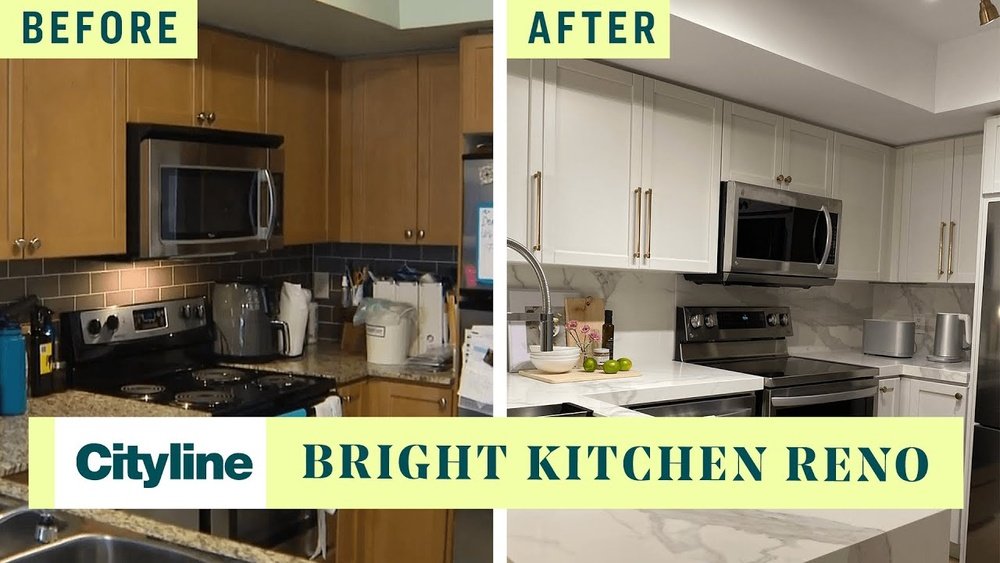
A dark kitchen can feel unwelcoming, cramped, and even less functional. Many homeowners struggle with low light, heavy cabinetry, small windows, or outdated finishes that make the space seem gloomy. But the good news is, you don’t need a total remodel to create a brighter, more inviting kitchen.
With the right strategies, you can transform a dark kitchen into a lively, fresh space—both before and after major changes. This guide explains how to brighten a dark kitchen, covering practical steps, design tricks, and expert tips. Whether you’re planning a quick refresh or a full renovation, you’ll discover methods that work for every budget and timeline.
Why Kitchens Feel Dark
Understanding the root causes of a dark kitchen helps you solve the problem more effectively. Kitchens can appear dark for several reasons:
- Limited natural light: Small windows, north-facing rooms, or obstructions outside can block sunlight. Sometimes, trees or exterior structures further reduce how much daylight enters the space.
- Heavy cabinetry: Dark wood or bulky cabinets absorb light and cast shadows. Tall or upper cabinets especially make corners and work areas feel closed-in, and their surfaces often reflect little.
- Outdated lighting: Old fixtures or low-watt bulbs fail to brighten the space. Many homes still use a single ceiling fixture, which creates uneven light and leaves shadows in work zones.
- Low ceilings or awkward layouts: These limit how far light travels. Narrow galley kitchens or L-shaped layouts can create “dead zones” where light barely reaches.
- Dark finishes: Countertops, backsplashes, and floors in deep hues can make the kitchen feel even darker. Even if the walls are light, dark surfaces on the bottom half of the kitchen can pull the overall mood down.
These factors often combine, making it essential to approach the solution from multiple angles—not just one. For example, even a kitchen with plenty of windows can feel dark if the surfaces and finishes absorb most of the light.
Assessing Your Kitchen: Before Making Changes
Before you start, take a close look at your kitchen’s layout, finishes, and light sources. Ask yourself:
- Where does natural light enter?
- Which areas seem darkest during the day and at night?
- What colors and materials dominate?
- Are there blockages or clutter near windows or light fixtures?
Take photos at different times to see how the light changes. This “before” assessment will help you target the right areas and measure your progress. Small changes in the right spot can have a big impact.
A practical tip: Walk into your kitchen first thing in the morning and again at night. Notice how the space feels at both times. Sometimes, a kitchen looks bright in the morning but feels gloomy by the afternoon, especially if windows face east or are blocked by neighboring buildings.
If you rent and can’t make major changes, focus your assessment on what you’re allowed to alter, like lighting, storage, and accessories. Even in these cases, a focused plan can deliver impressive results.
Quick Fixes: Brightening Without Renovation
If you’re not ready for a full kitchen remodel, there are still plenty of ways to brighten up your kitchen. These solutions are affordable, fast, and surprisingly effective. Sometimes, just two or three of these changes can make a dramatic difference.
1. Update Your Lighting
Swapping out old fixtures can change everything. Consider these options:
- LED bulbs: Choose daylight or cool white LEDs (4000K–5000K) for a natural, bright look. They use less energy and last longer. Unlike traditional bulbs, LED lights don’t heat up your kitchen, making them safer for under-cabinet use.
- Layered lighting: Combine overhead lights, under-cabinet strips, and pendant lights for even coverage. Task lighting (focused lights for work zones) prevents shadows when you chop or cook.
- Dimmer switches: Install these to adjust brightness throughout the day. Dimmers offer flexibility for cooking, cleaning, or creating a cozy mood at night.
A 2023 survey found that 60% of homeowners saw the biggest improvement from upgrading lighting alone. Even swapping out a single outdated ceiling fixture for a multi-bulb track light or flush-mount LED panel can increase brightness and coverage.
Pro Tip:
When choosing new fixtures, opt for ones with wide, open shades or glass covers rather than opaque or metal shades, which can direct light downward and create more shadows.
2. Use Light Colors On Walls And Cabinets
Painting is one of the fastest ways to brighten a room. Soft whites, pale grays, or light taupes reflect more light. For cabinets, semi-gloss or satin finishes help bounce light around.
If you’re worried about maintenance, look for paints labeled “washable” or “kitchen-friendly. ” These resist stains and are easy to clean.
Don’t forget ceilings—painting them a crisp white can make the room feel taller and amplify light. If you want some color, consider painting lower cabinets a deeper shade and keeping upper cabinets and walls light. This keeps the kitchen grounded but airy.
If you have a kitchen island, painting it a lighter or contrasting color (like pale blue or soft green) can add personality and brightness without overwhelming the space.
3. Declutter And Organize
Clutter blocks light and makes surfaces look heavier. Clear countertops, open shelves, and even the tops of cabinets. Store small appliances you don’t use daily.
A decluttered kitchen feels more open and lets light move freely. Consider using baskets or drawer organizers to keep essentials handy but out of sight.
Open shelving, if styled minimally, can actually create a sense of space. But be careful not to overload shelves, as too many items can have the opposite effect and make the kitchen feel crowded.
4. Add Reflective Accessories
Small touches can make a big difference:
- Mirrored trays or backsplashes reflect both natural and artificial light, brightening shadowy corners.
- Glass jars and containers for pantry staples look lighter and allow light to pass through, unlike solid canisters.
- Stainless steel or chrome hardware (like faucets, handles, and appliances) bounces light and gives a modern touch.
- Glossy tiles or polished stone surfaces on backsplashes or even countertops create a subtle shine that boosts brightness.
Try grouping a few reflective accessories together, like a chrome fruit bowl near a window or a mirrored serving tray on an island, to see how they affect the overall glow.
5. Choose Sheer Or Light Window Treatments
Heavy curtains or dark blinds block precious sunlight. Swap them for:
- Sheer panels
- Light-filtering shades
- No treatments at all, if privacy allows
The goal is to let in as much daylight as possible. If you need privacy but want light, try top-down-bottom-up shades that cover only the lower half of your window. You can also use frosted film on the glass for privacy without blocking sunshine.
6. Clean Windows And Fixtures
Sometimes, dust and grease buildup on windows and light covers can reduce brightness by 10–20%. A thorough cleaning can instantly boost natural and artificial light.
Don’t forget to clean overhead fixtures, bulbs, and under-cabinet lights. Grease and dust can dull light output over time, especially in kitchens where cooking creates residue.
7. Use Open Shelving
Open shelves create a lighter look than closed cabinets and allow light to pass through. Display dishes, glassware, or decorative items to add personality without adding weight.
If you’re worried about dust, try a mix of open shelves and closed cabinetry. Glass-front cabinets offer a similar effect but keep contents protected.
8. Add Plants And Fresh Elements
A little greenery brings life and freshness, especially in dark corners. Choose plants that thrive in low light, like pothos or snake plant. Avoid overcrowding; a few well-placed pots are enough.
You can also display fresh herbs on a windowsill or in a hanging planter, which adds both brightness and function. If you lack a green thumb, opt for faux plants with a realistic look.
Bigger Changes: Renovation Strategies To Brighten A Kitchen
If you’re planning a remodel or ready for more significant updates, these strategies deliver dramatic before-and-after results.
1. Install More Windows Or A Skylight
Adding a window or skylight is the most effective way to bring in natural light. Consider:
- Expanding an existing window
- Adding a transom window above doorways for extra daylight
- Installing a skylight or solar tube in a dark corner
Solar tubes are a clever solution if your home’s structure doesn’t allow a traditional skylight—they use reflective tubing to channel sunlight from the roof into your kitchen.
This investment often increases home value and comfort. A kitchen flooded with natural light not only looks better but also feels more spacious and cheerful.
2. Replace Upper Cabinets With Open Shelves
Switching from bulky upper cabinets to open shelves or glass-front doors instantly opens the kitchen visually. You gain display space and lose the heavy, shadowy feel.
If you have a lot to store, consider open shelving for everyday dishes and glass-front cabinets for less-used items. Even replacing just the cabinets nearest the window with open shelves can let more daylight spread across the room.
3. Use Light Countertops And Backsplashes
Choose materials that reflect light, such as:
- White or pale quartz for a clean, seamless look
- Marble-look granite for elegance and brightness
- Glossy ceramic tiles for backsplashes that catch both sunlight and artificial light
Patterned or textured tiles in a pale color can add visual interest without darkening the space.
4. Opt For Glass Cabinet Doors
Replacing some solid cabinet doors with glass inserts adds depth and breaks up dark surfaces. For privacy, consider frosted or textured glass.
Glass doors make cabinets feel less bulky and give you a chance to display pretty dishes or glassware, which can add even more brightness and personality.
5. Rethink The Floor
Dark floors soak up light. If you’re replacing flooring, choose lighter woods, pale tiles, or even white-washed laminate. If new floors aren’t an option, add a light-colored rug or runner.
Vinyl flooring comes in many pale, reflective designs and is easy to install yourself for a quick update. Rugs with simple patterns in light colors can break up dark expanses and reflect light upward.
6. Upgrade To Reflective Or Metallic Finishes
Metallic backsplashes, chrome fixtures, and stainless appliances catch and reflect light. This creates sparkle and gives the kitchen a modern look.
If a full backsplash isn’t in your plans, try adding a strip of metallic tile above the stove or sink as an accent. Even swapping out old black or bronze hardware for polished metal can make cabinets look lighter.
7. Remove Or Lower Upper Cabinets
In galley or small kitchens, removing upper cabinets on one wall can make the space feel twice as big. You can add open shelves or keep the wall blank for an airy effect.
If you’re worried about losing storage, compensate with taller lower cabinets or by reorganizing your pantry.
8. Add Under-cabinet Lighting
LED strips or puck lights under cabinets brighten workspaces and eliminate shadows. Many options are plug-and-play and don’t require an electrician.
Look for models with adjustable brightness or color temperature. Warm light is cozy for evenings, while cool white is best for meal prep.
9. Adjust Layout For Better Light Flow
If you’re remodeling, consider:
- Moving the sink or stove closer to windows
- Removing partial walls or pass-throughs to connect the kitchen with brighter rooms
- Choosing an open-plan layout to let light travel farther
A kitchen island can sometimes block light from windows or doors. Consider a smaller island or a peninsula if you need more flow.
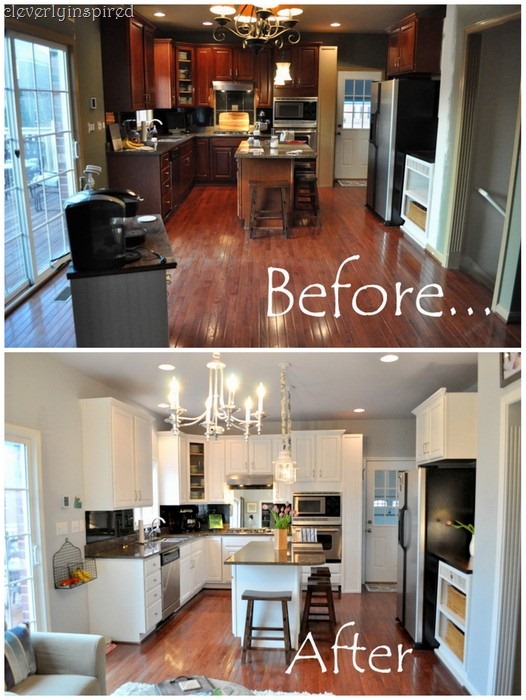
Credit: cleverlyinspired.com
Comparing Key Lighting Options
Here’s a quick look at the most popular kitchen lighting types and how they compare:
| Lighting Type | Best For | Cost Range | Light Quality |
|---|---|---|---|
| LED Bulbs | General and task lighting | Low ($5–$20 per bulb) | Bright, energy efficient |
| Pendant Lights | Islands, dining areas | Medium ($50–$300 each) | Focused, decorative |
| Under-Cabinet Strips | Countertops, workspaces | Low to medium ($20–$100+) | Shadow-free, adjustable |
| Recessed Lighting | Overall room brightness | Medium to high ($100–$500+ per fixture) | Even, unobtrusive |
| Skylights | Bringing in daylight | High ($1,000–$5,000+) | Natural, dramatic |
When planning your lighting, use a mix. For example, recessed lights for general brightness, pendants for style, and under-cabinet strips for tasks. Each type plays a role in reducing shadows and making your kitchen feel vibrant.
Smart Color Choices For A Brighter Kitchen
Color impacts how light is reflected or absorbed. The right palette can change a kitchen’s mood instantly.
- White: The brightest, most reflective choice. Works well for walls, cabinets, and ceilings. White surfaces also help other colors in your kitchen “pop.”
- Soft gray or taupe: Adds warmth without absorbing too much light. These shades create a cozy but still bright backdrop, especially in modern kitchens.
- Pale blue or green: Feels fresh and airy, especially with white trim. These colors work well if you want a hint of color without making the space feel darker.
- Glossy finishes: Reflect more light than matte surfaces. Consider glossy tile backsplashes, glass cabinet inserts, or shiny hardware.
Avoid very dark colors for large surfaces, but you can use deeper shades for accents or lower cabinets if you balance them with lighter tones above. If you love bold color, use it for accessories, bar stools, or a feature wall.
Testing paint samples on different walls helps you see how light and color interact in your actual kitchen—natural light changes throughout the day, so what looks bright at noon may feel dull at dusk.

Credit: www.youtube.com
Example Before And After: Dark Kitchen Transformation
Imagine a small kitchen with dark wood cabinets, beige walls, and a single window facing north. Here’s how it can change:
Before:
- Heavy, dark cabinets block light.
- Yellowed ceiling light gives a dim glow.
- Small window covered with a dark curtain.
- Granite countertops in deep brown.
- Cluttered countertops with small appliances and utensils.
After:
- Cabinets painted soft white, upper doors replaced with glass.
- LED under-cabinet strips installed to brighten workspaces.
- Sheer window shade lets in more daylight, while maintaining privacy.
- Light quartz countertop and pale blue backsplash.
- Pendant lights above the island add sparkle.
- Open shelves display white dishes and a few decorative items.
- Stainless steel hardware replaces old knobs for subtle shine.
- Floor covered with a pale, patterned runner.
The result is a much brighter, more open space—without major structural changes. The kitchen feels modern, welcoming, and more functional. Cooking becomes easier because you can see your ingredients and workspace clearly.
Mistakes To Avoid When Brightening Your Kitchen
Many people try to brighten their kitchen but fall into common traps. Here’s what not to do:
- Relying on one light source: A single overhead fixture isn’t enough. Layer your lighting to avoid shadowy corners.
- Ignoring the ceiling: Dark or dirty ceilings absorb light. Paint them bright white and keep them clean for maximum reflection.
- Choosing high-gloss everywhere: Too much shine can cause glare and make the room uncomfortable. Balance glossy and matte finishes for the best effect.
- Overloading with décor: Too many plants, knickknacks, or accessories can close in the space and block light. Edit your displays to just a few favorites.
- Not testing paint colors: Light changes throughout the day. Always test colors before painting the whole room, and view samples under both daylight and artificial light.
Taking photos before and after each change helps you see what works best. This also prevents “improvement blindness,” where gradual changes make it hard to see how much you’ve accomplished.
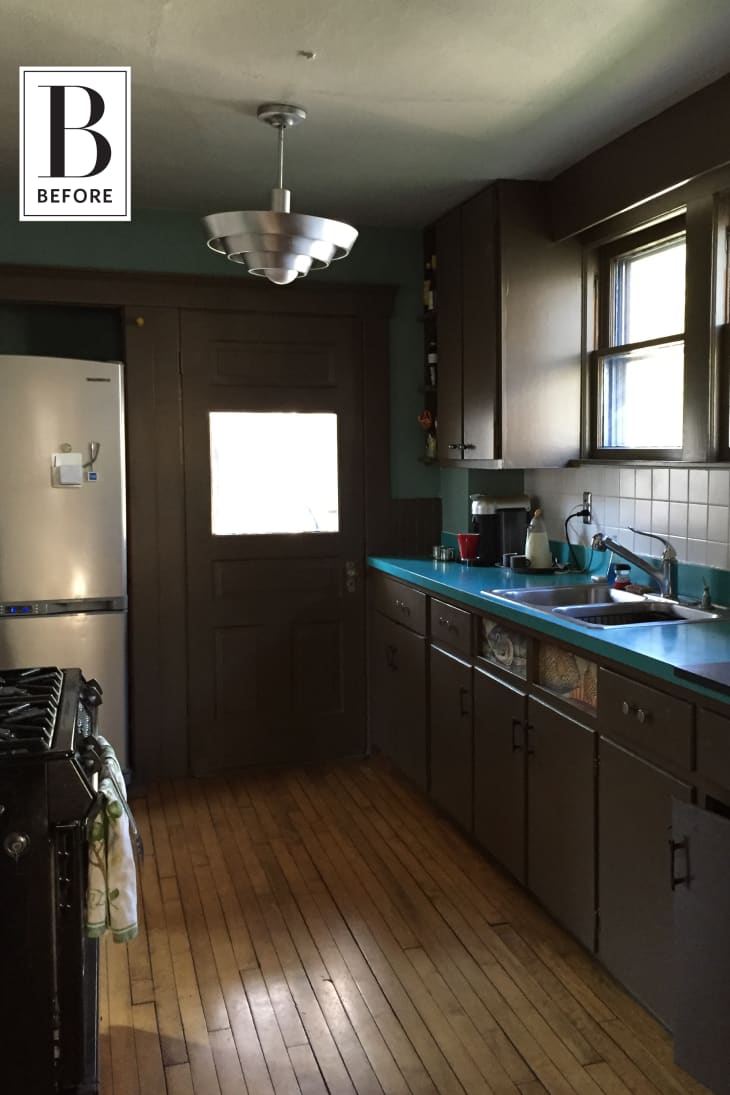
Credit: www.apartmenttherapy.com
Budget Guide: How Much Does It Cost To Brighten A Kitchen?
Brightening a kitchen doesn’t always mean big spending. Costs vary depending on your choices.
| Upgrade Type | DIY Cost Estimate | Pro Cost Estimate | Impact Level |
|---|---|---|---|
| Paint walls/cabinets | $100–$400 | $500–$2,000+ | High |
| Replace fixtures | $50–$300 | $200–$1,000+ | High |
| New countertops | N/A | $1,000–$4,000+ | High |
| Install window/skylight | N/A | $1,000–$6,000+ | Very high |
| Add under-cabinet lights | $20–$100 | $100–$500 | Medium |
| Replace floors | $500–$2,000 | $2,000–$10,000+ | Medium |
For most homeowners, painting, upgrading lighting, and decluttering offer the best “bang for the buck. ” You’ll see immediate results without a large investment or major construction.
Non-obvious Insights For Brightening A Kitchen
Most guides mention paint and lighting, but here are two powerful, often-overlooked ideas:
- Strategically placed mirrors: Hanging a mirror opposite a window can double the amount of daylight in your kitchen. Even a small decorative mirror helps bounce light into dark corners. Consider a mirrored backsplash behind the stove or sink for a subtle, functional option.
- Change hardware finish: Swapping old handles for brushed nickel, chrome, or glass can subtly reflect light and make cabinetry feel lighter—without the cost of new cabinets. Glass knobs catch and reflect light in surprising ways, adding sparkle.
Another insight: If your kitchen opens to another room, painting both spaces in coordinating light shades can make the kitchen feel more open, as the eye doesn’t “stop” at a color change.
The Power Of Before-and-after Photos
Documenting your kitchen’s transformation is motivating and practical. Take photos from the same angle at each stage:
- Before any changes
- After decluttering
- After painting or new lighting
- After any major upgrades
This not only helps you see progress but can also be useful if you plan to sell your home. Real estate agents often use before-and-after photos to show buyers the potential of a space.
If you share your results on social media or home improvement forums, you can also get feedback and new ideas from others who have brightened their kitchens.
When To Call A Professional
Some changes, like rewiring, installing new windows, or removing walls, require a licensed professional. If you’re not sure, get a consultation. Pros can suggest options you might not have considered and help avoid costly mistakes.
A designer or lighting specialist can recommend the right fixtures and placements for your kitchen’s size and layout. Electricians ensure upgrades meet safety codes and perform optimally.
Where To Find More Inspiration
Websites like Houzz showcase thousands of real kitchen makeovers. Look for before-and-after photos and filter by “bright” or “light” kitchens to spark your creativity.
You can also browse Pinterest or interior design magazines for color combinations, lighting arrangements, and clever storage ideas that brighten real homes.
Frequently Asked Questions
How Can I Brighten A Dark Kitchen Without Remodeling?
Small changes like painting cabinets white, adding LED lighting, decluttering surfaces, and using sheer curtains can make a big difference. Try under-cabinet lights and reflective decor for extra brightness.
What Color Should I Paint My Kitchen To Make It Feel Brighter?
Soft whites, pale grays, and light taupes are the most reflective and effective. If you want some color, light blue or pale green can add freshness without making the space feel dark.
Is Under-cabinet Lighting Worth It?
Yes, under-cabinet lighting eliminates shadows on work surfaces and makes the whole kitchen feel brighter. Battery-powered or plug-in LED strips are easy to install and affordable.
Can Dark Countertops Work In A Bright Kitchen?
Dark countertops can work if the rest of the kitchen is light and bright—think white cabinets, pale walls, and lots of lighting. Add reflective accessories to balance any heaviness.
How Do I Increase Natural Light In A Dark Kitchen?
If possible, add or expand windows or install a skylight. If that’s not an option, use mirrors, glass doors, and remove heavy window treatments to maximize the daylight you have.
A bright kitchen is about more than just looks—it improves mood, makes cooking easier, and can even boost your home’s value. With these strategies, you can transform even the darkest kitchen into a space you love to spend time in.