
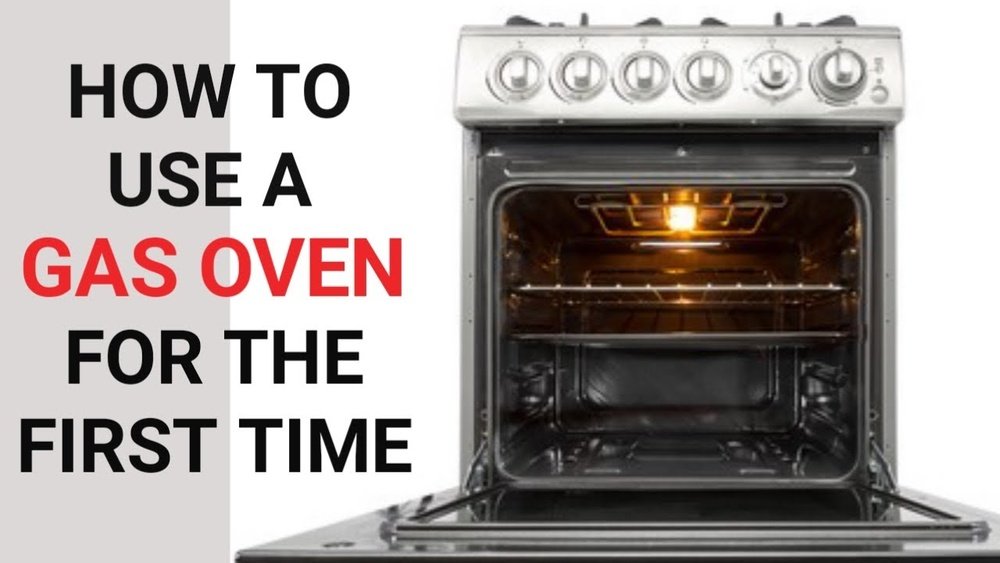
Baking with a gas oven can feel tricky if you’re used to electric ovens or are new to baking at home. Gas ovens work differently, which means your cakes, cookies, and breads may bake in surprising ways. Some people worry about uneven browning, hot spots, or unpredictable temperatures.
But with the right knowledge and a few practical tricks, you can master baking with a gas oven and get delicious, reliable results every time.
Whether you’re a beginner or have some baking experience, understanding how a gas oven works is the first step. From there, you’ll learn how to adjust recipes, spot common problems, and make smart choices about pans, rack placement, and temperature settings.
This guide will walk you through everything you need to know about baking with a gas oven, so you can bake with confidence, avoid mistakes, and impress your friends and family with your baking skills.
How A Gas Oven Works
A gas oven uses natural gas or propane to produce heat for cooking and baking. Inside, a burner at the bottom of the oven creates a flame. This flame heats the air, which cooks your food. Unlike electric ovens, which use heated coils, the heat in a gas oven is most intense at the bottom.
One thing that makes gas ovens unique is their moist cooking environment. Burning gas produces water vapor, which means there’s more moisture in the air than in an electric oven. This affects how your baked goods rise, brown, and develop flavor.
Key Features Of A Gas Oven
- Bottom heat source: The main burner sits at the bottom, causing more heat at the base.
- Moist air: The flame creates water vapor, adding humidity to the oven.
- Quick heating: Gas ovens usually heat up faster than electric ovens.
- Temperature variation: Some models have hot spots or fluctuate in temperature.
Understanding these features helps you adjust your baking strategy for better results.
Preparing Your Gas Oven For Baking
Before you start baking, take a few steps to get your oven ready. This ensures your baked goods turn out as intended.
1. Check For Hot Spots
Every gas oven is a little different. Some have hotter spots that can burn your cookies or cause uneven cakes. Here’s how to check:
- Place slices of white bread in a single layer on the oven rack.
- Turn the oven to 350°F (175°C) and bake for 10 minutes.
- Remove and check the bread. Darker slices show hotter spots.
Use this test to learn where the heat is strongest. Place your pans away from these areas for even baking.
2. Use An Oven Thermometer
Gas ovens often run hotter or cooler than the temperature you set. An oven thermometer helps you know the real temperature inside. Place it in the center of the oven and preheat. Adjust the oven dial as needed to reach your target temperature.
3. Preheat Properly
Preheating is essential for even baking. Gas ovens heat up fast, but the air and walls need time to warm fully. Wait at least 15-20 minutes after turning on the oven before putting your food inside.
4. Clean The Oven Regularly
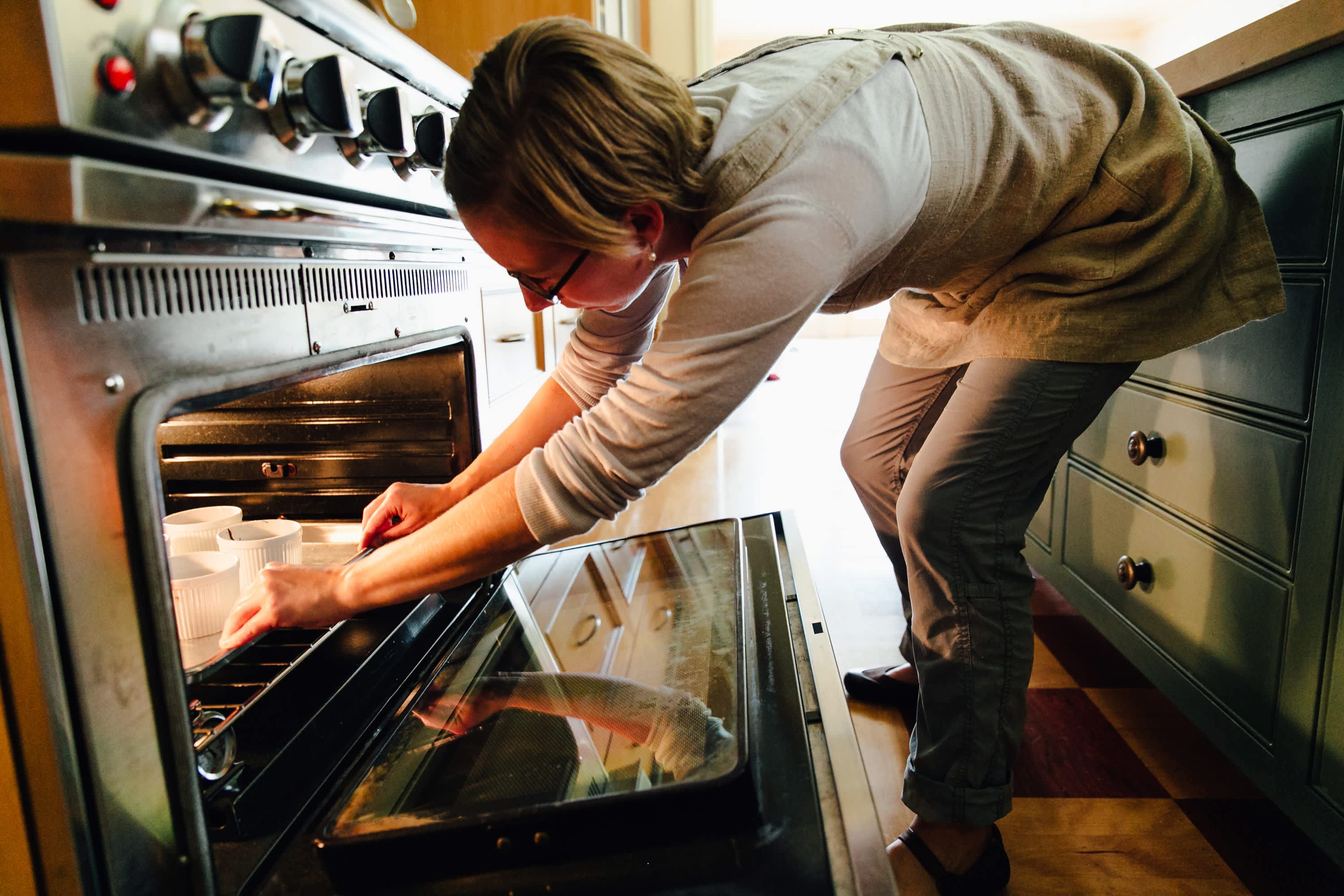
Food bits or grease can block the burner and create smoke or bad smells. Clean your oven every few months to keep it working well and avoid unwanted flavors.
Credit: www.thekitchn.com
Choosing The Right Bakeware
The type of pan you use can change how your food bakes in a gas oven. Some pans absorb heat differently, and the color and material matter more in a gas oven than in an electric one.
Types Of Bakeware
| Bakeware Type | Best For | Notes |
|---|---|---|
| Light-colored metal | Cakes, cookies, muffins | Prevents over-browning; ideal for gas ovens |
| Dark-colored metal | Pizza, breads with crust | Absorbs more heat; can burn bottoms in gas ovens |
| Glass | Casseroles, pies | Holds heat well; may need lower temperature |
| Ceramic | Custards, cobblers | Even heat; slow to heat up |
Light-colored aluminum pans are usually best for gas ovens. They reflect heat, reducing the chance of over-browning or burning on the bottom. Dark pans absorb heat, so your cookies and breads may brown too much underneath.
Size And Shape
Use the pan size recommended in your recipe. If you use a pan that’s too small or large, the baking time and results will change. For gas ovens, avoid very deep pans for cakes or bread, as the bottom may cook too fast before the top is done.
Placing Racks And Pans
Rack placement can change everything in a gas oven, since the heat source is at the bottom.
Where To Place The Rack
- Center rack: Best for cakes, cookies, muffins, and most baked goods.
- Upper rack: Good for browning the top, but watch for burning.
- Lower rack: Use only for recipes needing a crispy base, like pizza.
If you’re baking more than one tray, place racks so air can circulate. Swap trays halfway through for even baking.
Pan Placement Tips
- Leave space between pans and oven walls.
- Don’t overcrowd the oven.
- Rotate pans front to back halfway through baking.
These steps help prevent burned bottoms and uneven cooking.
Managing Oven Temperature
Gas ovens can have temperature swings of 25°F or more. This affects how your cakes rise and your cookies spread.
Using An Oven Thermometer
As mentioned earlier, an oven thermometer is your best friend. Don’t trust the oven dial alone. Check the temperature before you bake and during baking if needed.
Adjusting For Hot Spots
If you know your oven runs hotter in one area, avoid placing delicate items there. For example, if the back right is a hot spot, place cakes toward the center or rotate them halfway.
Handling Temperature Fluctuations
If your oven cycles between hot and cool, try these tips:
- Bake delicate items (soufflés, chiffon cakes) on days when the oven is less busy.
- Open the oven door as little as possible. Each time you open it, the temperature drops.
- Use an extra baking sheet on the rack below your food (not under the pan, but on a separate rack). This acts as a shield from strong bottom heat.
Baking Different Types Of Foods In A Gas Oven
The way a gas oven heats and adds moisture can change how certain baked goods turn out. Here’s how to adjust for the best results.
Cakes
Gas ovens can brown cake bottoms quickly. To avoid this:
- Use light-colored pans.
- Bake on the middle rack.
- Check cakes 5-10 minutes before the recipe suggests, as gas ovens can bake faster.
If the top is pale but the bottom is done, move the cake to a higher rack for the last few minutes.
Cookies
Cookies may bake unevenly or burn underneath. For best results:
- Use parchment paper or silicone mats.
- Bake one tray at a time in the center.
- Rotate the tray halfway through.
Chilling dough before baking can also help cookies hold their shape and bake evenly.
Bread
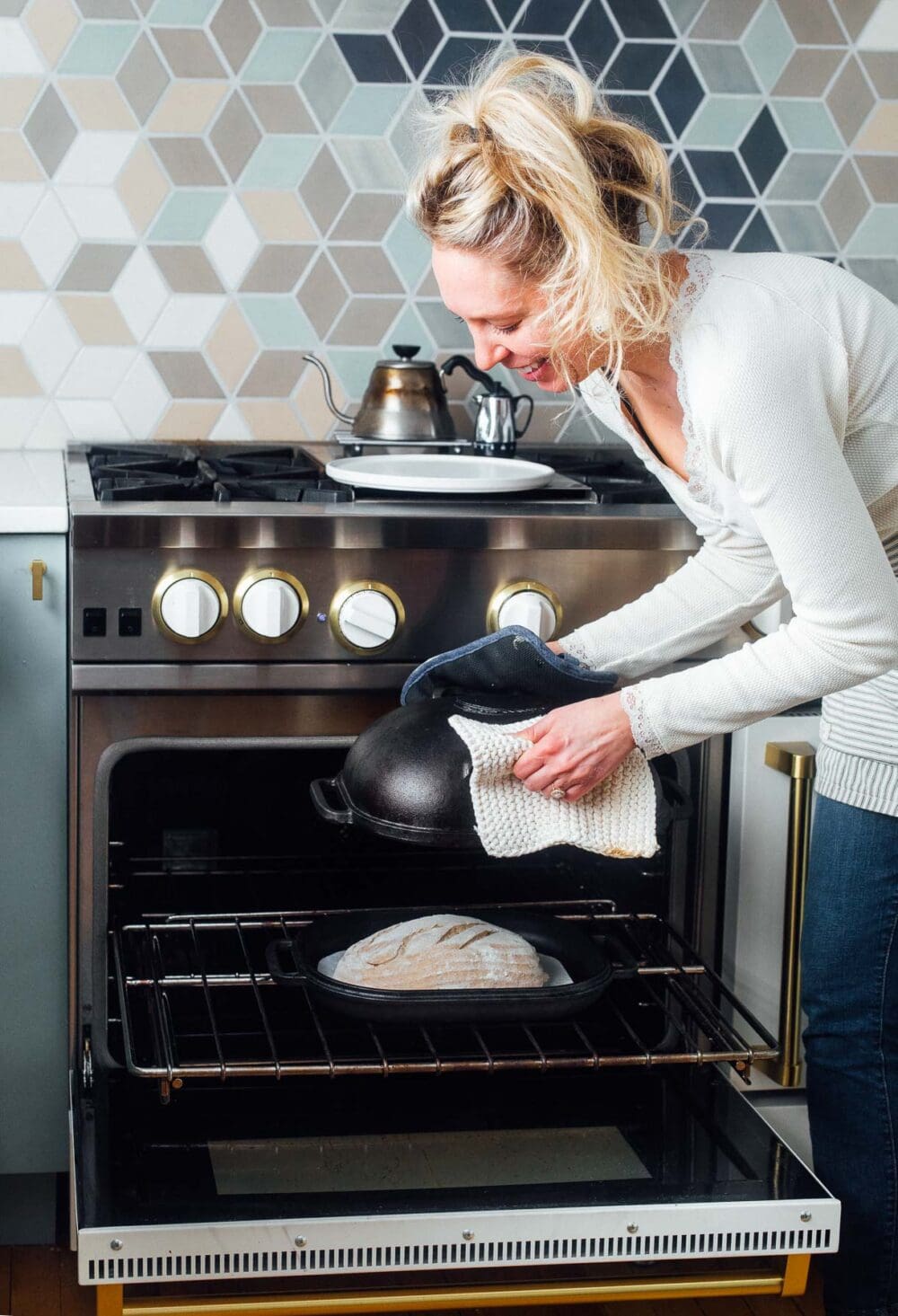
The moisture in a gas oven can help bread rise, but the bottom can get too dark. Try these tips:
- Use a baking stone to even out heat.
- Preheat the stone for at least 30 minutes.
- Place the bread on parchment to protect the bottom.
For crusty bread, mist water into the oven during the first 10 minutes of baking.
Pies And Pastries
Pies often need a crisp base. In a gas oven:
- Start on a lower rack for the first half of baking, then move to the middle.
- Use a metal pie tin for better browning.
- Shield edges with foil if they brown too fast.
Custards And Cheesecakes
These delicate desserts bake best with gentle, even heat.
- Bake on the center rack.
- Use a water bath to prevent cracking and overcooking.
- Check doneness early, as gas ovens cook faster.
Credit: heartbeetkitchen.com
Adjusting Recipes For Gas Ovens
Most recipes are written for electric ovens. With a gas oven, you may need to make small changes.
Lower The Temperature
If you notice bottoms browning too quickly, reduce the temperature by 10-15°F. Extend baking time a few minutes.
Shorten Baking Time
Gas ovens often cook faster, so start checking for doneness 5-10 minutes before the recipe says.
Add A Shield
If your baked goods burn on the bottom, place a second baking sheet on a rack below the food. This blocks harsh heat.
Increase Leavening Slightly
In humid gas ovens, cakes and breads may not rise as much. You can add an extra ¼ teaspoon of baking powder or baking soda for better lift.
Common Problems And Solutions
Baking in a gas oven can lead to a few unique problems. Here’s how to solve them.
Uneven Browning
- Rotate pans halfway through.
- Use light-colored pans.
- Adjust rack position.
Soggy Bottoms
- Use metal pans for pies and tarts.
- Place on a lower rack for the first part of baking, then move higher.
- Pre-bake (blind bake) crusts if needed.
Burned Bottoms
- Lower oven temperature.
- Use an extra baking sheet below.
- Avoid dark pans.
Pale Tops
- Move food to a higher rack at the end.
- Use the broiler for 1-2 minutes, but watch closely.
Dry Or Dense Cakes
- Don’t overbake. Gas ovens can dry food out with fast cooking.
- Measure ingredients carefully.
- Add a pan of water to the oven for extra moisture if needed.

Credit: www.youtube.com
Safety Tips For Baking With A Gas Oven
Gas ovens are safe when used correctly, but it’s important to keep a few safety tips in mind.
Check For Gas Leaks
If you ever smell gas (a rotten egg smell), turn off the oven, open windows, and leave the house. Call your gas company right away.
Light The Oven Properly
Some older gas ovens need to be lit with a match. Always follow the manufacturer’s instructions, and never leave the oven unattended while lighting.
Use Oven Mitts
Gas ovens can have very hot oven doors and racks. Protect your hands with thick mitts.
Keep Kids And Pets Away
Never let children play near the oven when it’s in use. The outside may be hot, and opening the oven door can release bursts of heat.
Cleaning And Maintaining Your Gas Oven
A clean oven works better and is safer. Here’s how to keep your gas oven in top shape.
Clean Spills Right Away
Wipe up any spills as soon as the oven cools. This prevents smoking and bad smells.
Deep Clean Every Few Months
Remove racks and wash with warm, soapy water. Scrub the oven interior with a baking soda paste. Rinse well.
Check Burner Openings
Food or grease can block the burner holes, affecting heat. Use a toothbrush or needle to clean them gently.
Inspect Door Seals
A tight oven door seal keeps heat in. Replace any worn or broken gaskets.
Schedule Professional Service
Once a year, have a professional check the gas lines and burners. This helps prevent leaks and keeps your oven working safely.
Comparing Gas And Electric Ovens For Baking
If you’re curious how a gas oven stacks up against an electric oven, here’s a quick side-by-side look:
| Feature | Gas Oven | Electric Oven |
|---|---|---|
| Heat Source | Gas flame (bottom) | Electric coils (top and bottom) |
| Heating Speed | Heats up quickly | Slower to heat |
| Humidity | Moist cooking environment | Drier heat |
| Temperature Stability | Can fluctuate | Usually more stable |
| Browning | Bottom browns quickly | Even browning top and bottom |
Knowing these differences can help you make smart adjustments when following recipes or buying new kitchen equipment.
Advanced Tips For Better Baking In A Gas Oven
Once you’re comfortable with the basics, try these advanced strategies to get even better results.
Use A Baking Stone
A baking stone absorbs and spreads heat. Place it on the lowest rack and preheat for 30-45 minutes. This helps prevent burned bottoms and gives bread a crisp crust.
Double Up On Baking Sheets
Stack two baking sheets together under cookies or delicate cakes. This creates a buffer zone, so the bottom doesn’t cook too fast.
Try Convection Mode (if Available)
Some newer gas ovens have a convection fan. This helps circulate hot air for more even baking. Reduce the temperature by 25°F when using convection.
Use The Broiler Carefully
Gas ovens often have a broiler at the top. Use it for browning the tops of casseroles or pies. Watch closely to avoid burning.
Invest In An Oven Thermometer
Digital oven thermometers give you real-time readings, so you know exactly when your oven is ready and if it’s holding steady.
Real-life Examples And Insights
Baking with a gas oven is a little like driving a car with manual transmission. You have more control, but you need to pay attention and adjust as you go. Here are two non-obvious insights beginners often miss:
- Moisture can be an advantage. If you bake bread or rolls, the steam from the gas flame helps create a shiny, crisp crust. Electric ovens often need a pan of water to get this effect.
- The bottom burner is not just for heat. Sometimes, crumbs or sugar fall onto the burner and burn, adding off-flavors or smoke. Always check the bottom of your oven before you preheat.
Many professional bakers prefer gas ovens for their quick heat and moist environment, but they also learn to rotate pans, check temperatures, and use the right bakeware for every recipe.
Troubleshooting: Quick Reference Table
Here’s a summary of common gas oven issues and how to fix them:
| Problem | Possible Cause | Solution |
|---|---|---|
| Burned bottoms | Pan too close to burner, dark pan, high temp | Use light pan, move rack up, lower temp |
| Pale tops | Middle rack, little top heat | Move to higher rack, use broiler briefly |
| Uneven baking | Hot spots, poor air circulation | Rotate pans, avoid overcrowding |
| Soggy crust | Too much moisture, wrong pan | Use metal pan, lower rack at start |
| Dense cakes | Too much moisture, underbaking | Increase leavening, check doneness early |
Frequently Asked Questions
How Do I Keep Baked Goods From Burning On The Bottom In A Gas Oven?
Use light-colored pans, lower the baking temperature by 10-15°F, and place an extra baking sheet on a rack below your food. Avoid using the lowest rack unless the recipe calls for it.
Why Do My Cakes Brown Unevenly In My Gas Oven?
Gas ovens often have hot spots and uneven heat. Rotate the cake pan halfway through baking, use the center rack, and avoid placing pans too close to the oven walls.
Is It Safe To Use Foil In A Gas Oven?
Yes, you can use foil for lining pans or covering food. However, do not line the oven floor with foil, as it can block heat and cause poor baking results or even damage the oven.
How Can I Tell If My Gas Oven Temperature Is Accurate?
Use an oven thermometer. Place it in the center of the oven and compare the reading to your oven’s setting. Adjust your oven dial as needed to reach the desired temperature.
What’s The Best Way To Bake Bread In A Gas Oven?
Preheat a baking stone on the lowest rack, use parchment paper, and mist water into the oven during the first 10 minutes for a crisp crust. Rotate the bread halfway through for even browning.
Baking with a gas oven gets easier with practice. Each oven has its own personality, but with these tips, you’ll gain the confidence to tackle any recipe. For more technical details on how gas ovens work, visit the Wikipedia Gas Stove page.
With patience and a little experimentation, your gas oven will help you bake everything from perfect cookies to golden loaves of bread. Happy baking!