
Cooking at home can bring delicious smells and flavors, but it also comes with a silent enemy: grease. Over time, grease from cooking can build up on kitchen cabinets, making them sticky, dull, and even damaging the finish. Many people only notice the problem when it gets severe, and by then, cleaning becomes a tough job. But what if you could prevent grease from sticking in the first place? Protecting your kitchen cabinets from grease is not just about cleaning; it’s about using smart habits, choosing the right materials, and making a few simple changes in your daily routine.
This article will guide you through everything you need to know about keeping your cabinets looking new. You’ll learn why grease is such a problem, how it affects different cabinet materials, and the best methods to stop grease before it becomes a headache.
Whether you cook every day or only occasionally, these strategies will help you maintain a clean, beautiful kitchen for years to come.
Why Grease Is Such A Problem In The Kitchen
Many home cooks underestimate how much grease can affect their kitchen cabinets. When you fry, sauté, or even boil food, small particles of oil and fat float into the air. These particles settle on nearby surfaces—especially cabinets above and around your stove. Over time, they mix with dust and other kitchen particles, creating a sticky film that is hard to remove.
This film not only looks bad but can also damage cabinet surfaces. Grease buildup can:
- Dull the cabinet finish
- Cause paint to peel
- Create stains on wood or laminate
- Attract more dirt and dust
If left untreated, this buildup can even affect the structure of your cabinets, leading to expensive repairs or replacements. Prevention is much easier and cheaper than fixing the damage later.
Understanding Different Cabinet Materials
Not all cabinets are made from the same materials, and some are more sensitive to grease than others. Knowing what your cabinets are made of helps you choose the right protection and cleaning methods.
| Cabinet Material | Grease Sensitivity | Best Protection Methods |
|---|---|---|
| Solid Wood | High | Regular cleaning, protective coatings |
| Laminate | Medium | Gentle cleaners, avoid abrasives |
| Painted MDF | High | Sealants, mild cleaning solutions |
| Stainless Steel | Low | Wipe often, use non-scratch cloths |
Solid wood cabinets are especially vulnerable because grease can soak into the wood and cause permanent stains. Laminate is more resistant, but the surface can still get sticky. Painted MDF can crack or peel if cleaned with harsh chemicals. Stainless steel handles grease well but shows fingerprints and smudges.
The Science Of Grease: Why It Sticks
Understanding why grease clings to cabinets helps you stop it. When hot oil heats up, it turns into tiny droplets. These droplets float with the steam and settle wherever air currents take them. The surface of most cabinets is slightly porous, so the grease sticks easily and bonds with the material.
A common mistake is thinking that only areas right above the stove are at risk. In reality, grease can travel several feet, especially if your kitchen is not well-ventilated. That’s why you may notice sticky spots on cabinets far from your cooking area.
1. Use Cabinet Protectors And Liners
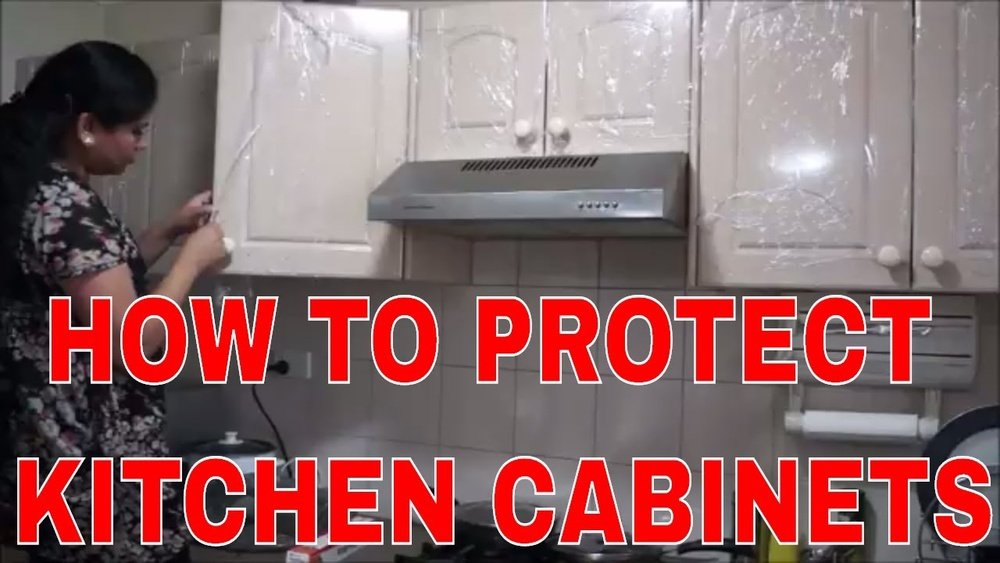
One of the simplest ways to shield cabinets is by using protective films or liners. These are thin, adhesive sheets that you can stick onto cabinet surfaces. They are especially useful for the bottom of upper cabinets, which often get the most grease.
Benefits of protectors:
- Easy to clean: Peel off and replace when dirty
- Transparent: Do not change the look of your cabinets
- Affordable: Most packs cost less than $20
Some people use plastic wrap or even shelf liner material as a DIY solution. Make sure the material you use can handle heat and does not damage the cabinet finish when removed.

Credit: www.reddit.com
2. Install A Quality Range Hood
A range hood is one of the most effective defenses against kitchen grease. It pulls steam, smoke, and grease-laden air away from your cabinets and out of your kitchen.
When choosing a range hood, look for:
- High airflow (measured in CFM)
- A hood that covers the entire stove area
- Good filters (baffle or mesh)
- Proper venting to the outside
Here’s a comparison of range hood filter types:
| Filter Type | Grease Removal Efficiency | Maintenance |
|---|---|---|
| Baffle | High | Dishwasher safe, long-lasting |
| Mesh | Medium | Needs regular washing |
| Charcoal | Low | Replace every few months |
A common oversight: Many people run the hood only during high-heat frying. For best protection, run the hood anytime you cook, even when boiling water or simmering soup.
3. Wipe Cabinets Regularly—but Correctly
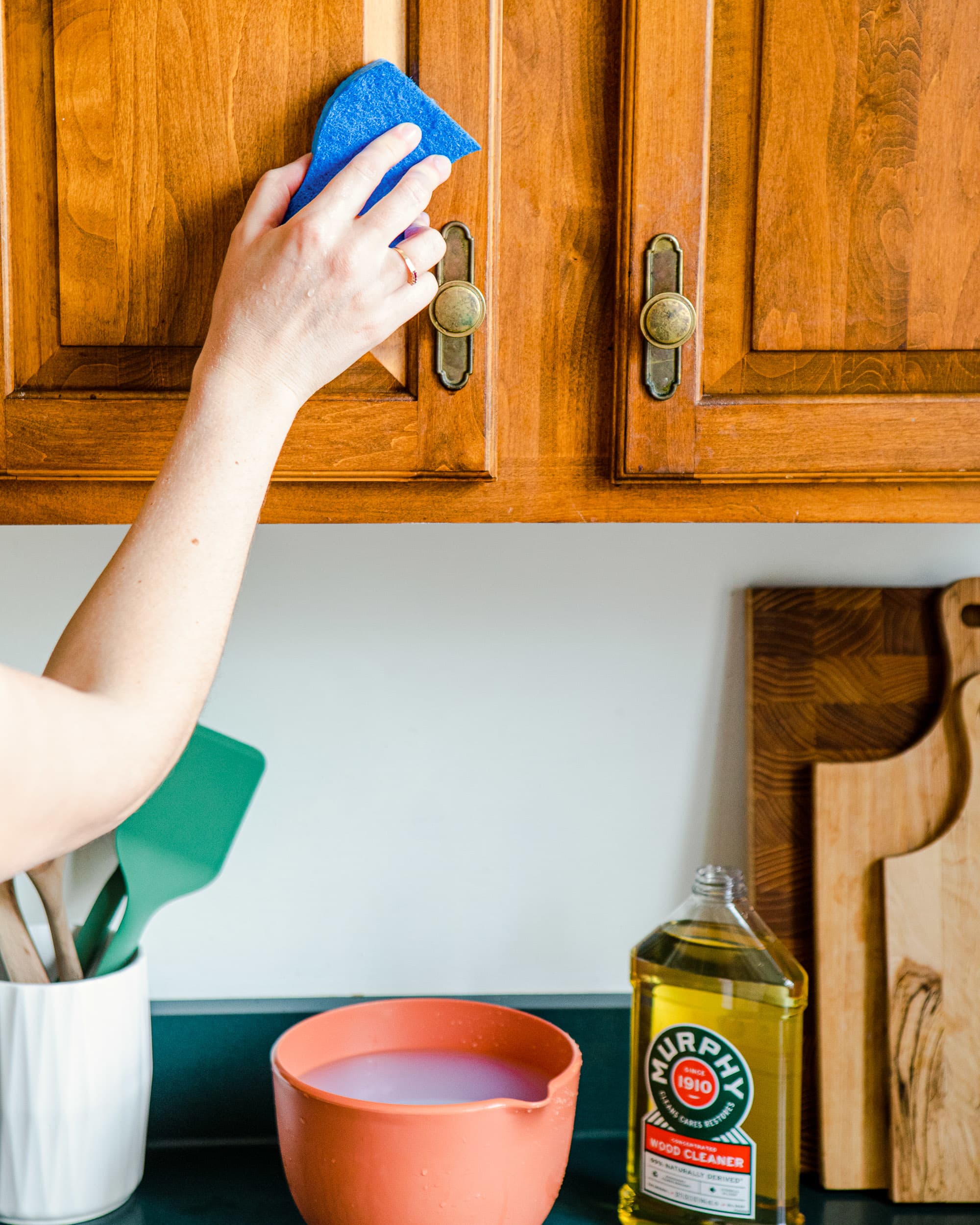
Frequent wiping is key, but how you clean matters just as much as how often. Use a soft microfiber cloth and a mild cleaning solution—warm water with a small amount of dish soap works well.
Steps for wiping cabinets:
- Dampen the cloth with the solution.
- Wipe in the direction of the wood grain or surface pattern.
- Rinse with clean water and wipe again.
- Dry with a separate soft cloth.
Avoid using rough sponges or harsh chemicals, as these can scratch or dull the finish. For stubborn spots, a drop of vinegar mixed with water can help, but always test in a hidden area first.
A mistake beginners often make is spraying cleaner directly onto the cabinet. This can cause drips and damage. Always spray onto the cloth instead.
4. Seal And Protect The Cabinet Surface
Applying a protective sealant can make cabinet surfaces more resistant to grease and stains. For wood cabinets, use a natural wax or oil finish. For laminate or painted cabinets, there are special sealant sprays available.
Benefits:
- Adds a water-resistant layer
- Makes cleaning easier
- Lasts for months
Apply the sealant following the product instructions. Usually, you’ll need to reapply every six months. Don’t skip this step if you have new cabinets—it helps them last longer.
5. Cook Smarter To Reduce Grease In The Air
What you cook—and how you cook it—can affect how much grease ends up on your cabinets. Using lids, splatter screens, and cooking at lower temperatures can all help.
Tips for less greasy cooking:
- Cover pans with lids or splatter guards
- Use lower heat when possible
- Wipe up spills right away
If you fry often, consider using an air fryer or oven instead. These methods produce less airborne grease. Also, move pans away from cabinet edges to reduce direct splatter.
6. Keep The Kitchen Well-ventilated
Good ventilation helps remove grease from the air before it settles. Open windows and use exhaust fans in addition to your range hood.
If your kitchen is small or has poor airflow, try adding a portable fan to direct air out of the cooking area. Even a small change in airflow can reduce grease buildup.
7. Choose The Right Cleaning Products
Not all cleaners are safe for kitchen cabinets. Some can strip the finish or leave a sticky residue. Look for products labeled as safe for wood, laminate, or your specific cabinet material.
Here are safe options:
- Diluted dish soap
- Vinegar (mixed with water, not straight)
- Commercial wood cleaners
Avoid:
- Ammonia-based cleaners (too harsh for wood)
- Abrasive powders or pads
- Bleach (can discolor surfaces)
For a natural homemade solution, mix one part vinegar with two parts warm water and a few drops of dish soap. Store in a spray bottle for easy use.

Credit: www.amazon.com
8. Address Grease Buildup Immediately
If you notice sticky spots or visible grease, clean them right away. The longer grease sits, the harder it is to remove. For dried or thick grease, use a bit of baking soda mixed with water to create a gentle scrubbing paste.
Steps for removing tough grease:
- Apply the paste to the spot.
- Let it sit for 2-3 minutes.
- Wipe with a damp cloth.
- Dry with a clean towel.
Never use sharp tools to scrape grease, as this can scratch or gouge the surface.
9. Organize Your Cooking Area
Keeping your kitchen organized can help reduce how much grease reaches your cabinets. Store oils, spices, and cooking utensils away from the stove when not in use. This limits the number of items that can collect grease and makes cleaning easier.
Consider installing a backsplash behind the stove. Backsplashes are easier to clean and stop grease from splashing onto cabinets.
10. Regular Deep Cleaning Schedule
In addition to daily wiping, plan a deeper clean every month. This involves cleaning inside and outside the cabinets, including handles and hidden corners.
Monthly deep cleaning steps:
- Remove all items from cabinets.
- Clean shelves and doors with a mild cleaner.
- Check for any sticky spots and treat them.
- Dry thoroughly before replacing items.
This habit prevents buildup and helps you spot small problems before they become big ones.
11. Use Cabinet Door Mats Or Liners Inside
Grease does not just come from the air. Sometimes, spills from cooking oils or sauces inside cabinets can add to the mess. Use cabinet mats or shelf liners to catch drips and make cleaning easier.
These liners are available in many sizes and are easy to cut to fit. Choose washable, non-slip materials for best results.
12. Repair Damage Promptly
If you see any peeling, bubbling, or discoloration, fix it as soon as possible. Small repairs, like touching up paint or reapplying sealant, can stop further damage and protect your cabinets from future grease attacks.
Delaying repairs lets grease and moisture get into cracks, leading to bigger problems.
13. Clean Cabinet Hardware
Handles, knobs, and hinges collect grease just as much as the cabinet surfaces. Remove hardware during deep cleaning, if possible, and soak in warm soapy water. Dry completely before reattaching.
For fixed hardware, use a toothbrush and soapy water to scrub away buildup.
14. Protect Cabinets During Heavy Cooking
When making fried foods, bacon, or other greasy dishes, take extra steps:
- Place a large cutting board or tray on the counter to catch splatters
- Hang a temporary plastic sheet or towel over nearby cabinet doors
- Move portable appliances (like toaster ovens) away from cabinets
These temporary measures can save hours of cleaning later.
15. Avoid Overloading Cabinets
Heavy, overfilled cabinets are harder to keep clean and can trap grease in hard-to-reach spots. Leave space between items, especially near the stove. This improves airflow and makes wiping easier.
16. Upgrade To Grease-resistant Cabinet Finishes
If you are remodeling or replacing cabinets, consider grease-resistant finishes. Many modern cabinets come with special coatings that repel oil and stains.
These finishes may cost more up front, but they save money and effort over time.
17. Use Anti-grease Sprays
Some commercial sprays create a temporary barrier against grease. Spray these products on cabinet surfaces after cleaning. They make wiping up future grease much easier.
Read labels carefully and test in a small spot first, as some sprays can leave a glossy look.
Credit: www.thekitchn.com
18. Keep Pets Away From Cooking Areas
Pets can transfer grease from their fur to cabinet surfaces, especially if they rub against cabinets. Train pets to stay out of the kitchen while you cook, or use gates to block access.
19. Monitor And Replace Filters Regularly
If you have a range hood or exhaust fan, clean or replace the filters often. Clogged filters do not catch grease well and allow more particles to escape into your kitchen.
How often to clean:
- Metal filters: Every 1-2 months (dishwasher safe)
- Charcoal filters: Replace every 3-6 months
20. Don’t Ignore The Ceiling And Walls
Grease settles on all surfaces, not just cabinets. Regularly clean the walls and ceiling near your stove to prevent buildup from spreading. Use a mop or long-handled cloth for hard-to-reach spots.
This step is often missed but makes a big difference in overall kitchen cleanliness.
21. Make Small Design Changes
A few simple design tweaks can help:
- Choose cabinets with smooth doors (easier to clean than grooved or carved surfaces)
- Install under-cabinet lighting with easy-to-clean covers
- Use glass cabinet doors near the stove for quick wipe-downs
22. Educate Family Members
Grease protection is a team effort. Teach everyone in your household to wipe spills right away, use lids, and clean up after cooking. The more people help, the less work for you.
23. Track Your Cleaning Routine
Keep a cleaning checklist or schedule and mark off when you complete tasks. This ensures regular maintenance and helps you spot patterns (such as more grease during holiday cooking).
24. Use Professional Cleaning Help If Needed
If grease buildup gets out of control, consider hiring a professional kitchen cleaner. They have special tools and solutions to remove tough grease without damaging your cabinets.
25. Stay Informed About Kitchen Trends
New products and finishes are always being developed to fight grease. Stay updated by following kitchen design blogs or checking with cabinet manufacturers. For example, some new nano-coatings can repel oil and water for years.
For more detailed information on kitchen cabinet care, you can visit this resource: This Old House.
Frequently Asked Questions
What Is The Best Way To Remove Old, Sticky Grease From Cabinets?
Mix baking soda with a little water to form a paste. Apply to the greasy area, let it sit for a few minutes, then gently scrub with a soft cloth. Always rinse and dry afterward. For stubborn spots, repeat as needed.
Can I Use Vinegar To Clean All Cabinet Types?
Vinegar is safe for most cabinets, but it can dull or damage natural wood over time if used straight. Always dilute vinegar with water (one part vinegar to two parts water), and test on a hidden area first.
How Often Should I Clean My Kitchen Cabinets To Prevent Grease?
Wipe cabinets at least once a week with a mild cleaner. For cabinets near the stove, wipe every few days or after cooking greasy foods. Deep clean all cabinets monthly for best results.
Do Anti-grease Sprays Really Work?
Yes, anti-grease sprays add a protective layer that makes it harder for grease to stick. However, they are not a substitute for regular cleaning. Always test in a small area before using on all surfaces.
Is It Worth Installing A Range Hood If I Do Not Fry Food Often?
Yes, even boiling and baking release small amounts of grease and steam. A good range hood improves air quality and keeps cabinets cleaner, no matter how often you cook with oil.
Protecting your kitchen cabinets from grease is a combination of smart habits, the right tools, and regular maintenance. By using these strategies, you can enjoy a beautiful kitchen for years without the frustration of sticky, damaged cabinets. A little prevention goes a long way in keeping your cooking space clean, healthy, and welcoming.