
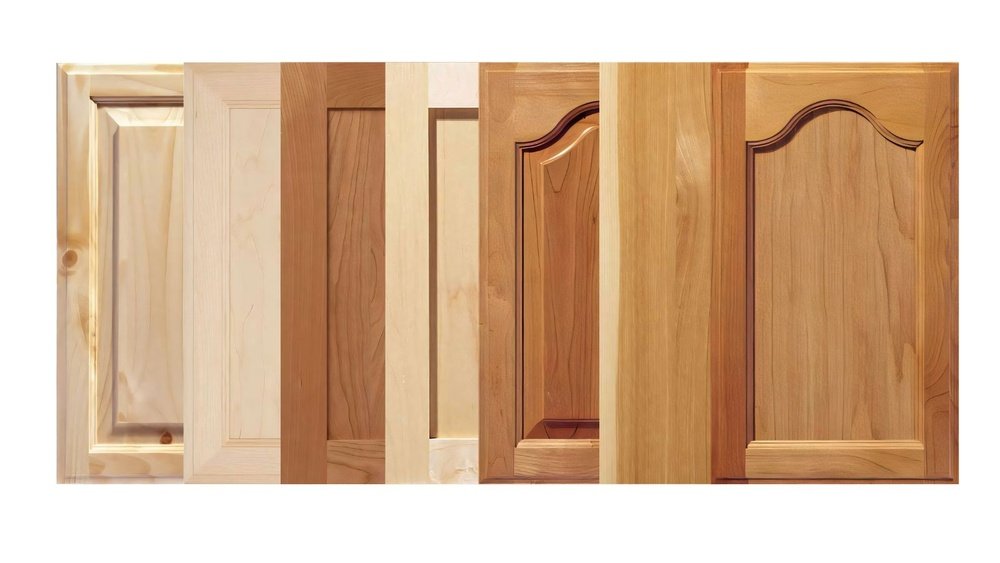
When you walk into a kitchen or bathroom, your eyes often go first to the cabinets. The doors, more than anything else, set the mood. But if the cabinet doors look mismatched—different colors, profiles, or hardware—the whole room feels off. Whether you’re remodeling, replacing a few damaged doors, or building from scratch, knowing how to match cabinet doors is a skill that can transform a space from “okay” to “wow.”
Matching cabinet doors is not as simple as picking a color and hoping for the best. You need to think about size, style, finish, material, and even the little things like hinges and handles. This guide will walk you through every step, from understanding your existing cabinets to choosing new doors that blend perfectly.
You’ll also learn how to avoid common mistakes, save money, and make decisions that increase your home’s value.
Why Matching Cabinet Doors Matters
A kitchen or bathroom is a big investment. Cabinet doors cover much of the visible area in these rooms. When the doors are consistent, the room feels harmonious and upscale. But if they don’t match, even expensive cabinets can look cheap or DIY. Here’s why it matters:
- Visual unity: Matching doors create a seamless look, making spaces seem larger and cleaner.
- Higher resale value: Homes with consistent cabinetry often appraise higher and sell faster.
- Easier cleaning and maintenance: Matching materials and finishes wear evenly and are simpler to care for.
- Better lighting: Consistent surfaces reflect light evenly, improving the room’s brightness.
Understanding Your Existing Cabinets
Before you buy new doors or repaint old ones, you need to know what you’re working with. Cabinets might look similar, but there are many hidden differences.
Types Of Cabinets
Cabinet construction affects how doors fit and look. The main types are:
- Face frame cabinets: These have a frame around the front. Doors are usually smaller than the cabinet opening.
- Frameless (European style): No face frame; doors cover the whole front edge.
- Inset cabinets: Doors sit inside the frame, flush with the face.
Check which type you have, as it affects door size and hinge type.
Measuring Cabinet Doors
Accurate measurement is critical. Here’s how:
- Remove an existing door.
- Measure height and width to the nearest 1/16 inch.
- Note if the corners are square or rounded.
- Record the hinge placement and overlay (how much the door covers the cabinet frame).
Double-check each door. Older homes sometimes have irregular sizes.
Identifying Door Style
Cabinet doors come in many styles. Common ones include:
- Shaker: Flat panel with a frame around it; simple and modern.
- Raised panel: Center panel is higher than the edges; more traditional.
- Slab: Flat, solid surface; sleek and contemporary.
- Cathedral arch: Curved top panel, often seen in classic kitchens.
Look at the profile, panel design, and edge detail. Take photos and, if possible, bring a door to the store for comparison.
Material And Finish
The material affects both appearance and durability. Most doors are:
- Solid wood: Expensive, beautiful grain, can be refinished.
- MDF (Medium Density Fiberboard): Smooth, good for painted finishes, budget-friendly.
- Plywood: Strong, stable, used in better-quality cabinets.
- Laminate/Thermofoil: Thin plastic layer over wood or MDF; easy to clean.
Finishes include paint, stain, clear coat, or laminate. Sunlight, grease, and humidity can change finishes over time, so be aware that even “matching” colors may differ after a few years.
Choosing The Right Door Style
You might want to match your existing doors exactly, but sometimes you want to update the look while keeping consistency. Here’s how to choose the right style for your needs.
Matching Existing Styles
If you’re replacing only some doors, match the current style as closely as possible. Pay attention to:
- Panel shape: Flat, raised, or arched?
- Edge detail: Simple square, beveled, or routed?
- Frame width: Wide or narrow stiles and rails?
Photograph and measure details up close. Some manufacturers offer style-matching services.
Updating Without Clashing
If you want a fresher look but can’t replace every door, choose a style that coordinates. For example, Shaker and flat slab styles often mix well in modern kitchens. In traditional spaces, raised panels with different edge treatments can work together.
Custom Vs. Stock Doors
- Stock doors: Standard sizes and styles, usually cheaper and faster to get.
- Custom doors: Made to your measurements and chosen style, cost more but perfect for unique spaces.
Custom doors are often needed in older homes or for unique layouts.
Glass And Mullion Inserts
Some cabinets have glass doors or decorative mullions. If matching, be sure to order the same type of glass (clear, frosted, seeded, etc. ) And match the mullion pattern.
Color And Finish Matching
Color is one of the hardest parts of matching cabinet doors, especially if your cabinets are older.
Matching Paint Colors
Painted cabinets fade and yellow over time. Even if you know the original color, new paint may look different. To match:
- Bring a door to a paint store for color matching.
- Use sample pots to test on scrap wood before painting the door.
- Consider repainting all cabinet doors for a perfect match.
Stain And Wood Grain
Stains highlight the wood’s grain, and different wood species absorb stain differently. Even with the same stain, oak and maple will look different. To match:
- Identify the wood species.
- Test stains on scrap pieces.
- Consider using a gel stain, which sits on top and is less affected by grain.
Laminate And Thermofoil Matching
These finishes can be hard to match if the original pattern is discontinued. Sometimes, the best option is to replace all visible doors or add a contrasting accent, like a painted island.
Aging And Patina
Remember that new doors will always look newer. If you want them to blend, lightly distress or glaze them to mimic the aged look of your old cabinets.
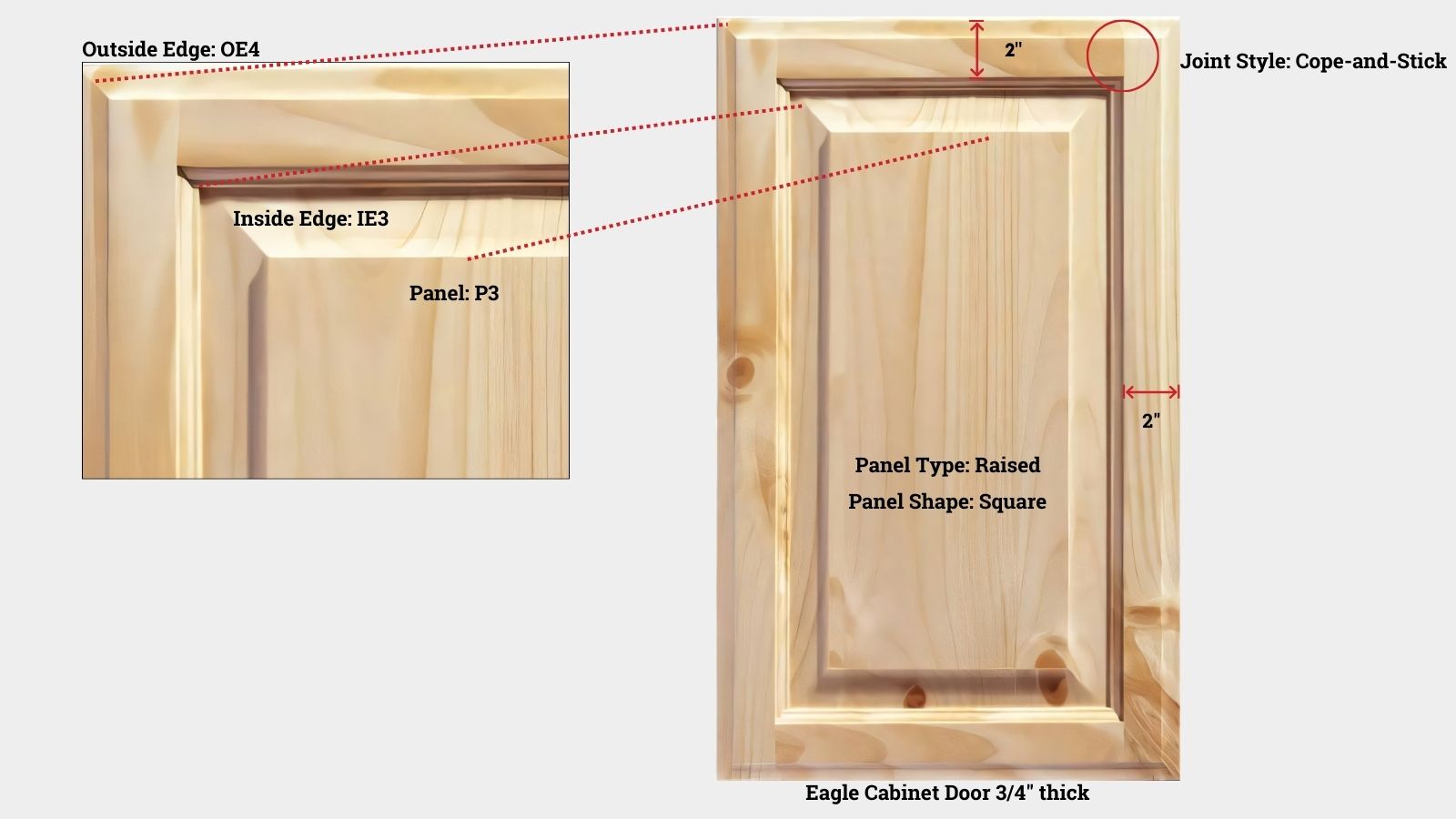
Credit: www.cabinetnow.com
Hardware And Hinges
Even perfectly matched doors will look odd with mismatched handles or hinges.
Types Of Hinges
- Concealed hinges: Hidden when the door is closed.
- Exposed hinges: Visible from the outside.
Check the overlay type (full, half, or inset) and match hinge finishes.
Handle And Knob Styles
Match the style, size, and finish. For example, brushed nickel and chrome look similar but can clash. If you can’t find the same style, consider replacing all handles for consistency.
Hinge Placement
Some doors have pre-drilled holes for hinges. Measure carefully to ensure new doors will fit existing hinge positions, or be ready to drill new holes.
Step-by-step: How To Match Cabinet Doors
Let’s put it all together into a practical process.
1. Assess Your Cabinets
Remove a door and inspect:
- Construction (face frame, frameless, inset)
- Door style and panel shape
- Wood species or material
- Color and finish type
- Hinge type and placement
2. Measure Precisely
Use a tape measure and record:
- Height and width of each door
- Overlay (how much door covers the frame)
- Distance from edge to hinge holes
Write measurements clearly and double-check.
3. Photograph Details
Take close-up photos of:
- Door edges and panels
- Hardware and hinge locations
- Finish color in natural light
Photos help when shopping or ordering online.
4. Shop For Matching Doors
Options include:
- Home improvement stores (stock and semi-custom)
- Cabinet shops (custom)
- Online retailers (some offer style-matching by photo)
Bring your measurements and photos. For discontinued styles, ask about custom matching or consider replacing all doors on one wall.
5. Order Samples
If possible, order a sample door or finish swatch. Compare it at home in different lighting.
6. Install Or Paint
Once you have matching doors:
- Install using existing hinges if possible.
- Test fit before drilling new holes.
- Paint or stain as needed, blending carefully with existing doors.
7. Install Matching Hardware
Finish by adding handles and knobs that match the rest of your cabinets.
Common Problems And How To Solve Them
Even with careful planning, you may run into issues. Here are some typical problems and solutions.
Slight Color Differences
If the new door is just a shade off, try:
- Repainting all doors for a perfect match.
- Applying a tinted glaze over the new door.
- Placing the new door in a less visible spot.
Wood Grain Doesn’t Match
If the grain runs a different direction or has a different pattern:
- Use grain filler before painting to hide the mismatch.
- Choose a style that uses a painted finish to minimize grain visibility.
Hinge Holes Don’t Line Up
If new doors don’t fit your existing hinge locations:
- Fill old holes with wood filler and drill new ones.
- Use a hinge jig for accurate new holes.
- Hire a pro if you’re unsure about drilling.
Hardware Holes Don’t Match
If the handle holes are off:
- Fill with wood filler and touch up with paint or stain.
- Use backplates behind handles to cover old holes.
Discontinued Styles
If your door style is no longer available:
- Replace all doors on the most visible cabinets.
- Use a contrasting style for an accent (like glass or open shelves).
- Check architectural salvage stores for old doors.
When To Replace All Cabinet Doors
Sometimes matching isn’t possible or cost-effective. Consider replacing all doors when:
- You want a totally new look.
- Most doors are damaged or warped.
- The color is too faded to match.
Replacing just the doors (not the boxes) is called “cabinet refacing” and is much cheaper than replacing full cabinets.
Professional Vs. Diy: What’s Best?
Deciding whether to hire a pro or do it yourself depends on budget and skill.
When To Diy
- You’re replacing just a few doors.
- Your cabinets are standard sizes.
- You’re comfortable with tools and measurements.
When To Hire A Pro
- Cabinets are custom or have unusual sizes.
- You want a seamless, factory finish.
- You’re uncomfortable drilling or installing hinges.
A professional can also help with color matching and complex installations.
Cost Of Matching Cabinet Doors
Prices depend on material, size, and whether the doors are custom. Here’s a general comparison:
| Door Material | Average Cost (per door) | Pros | Cons |
|---|---|---|---|
| Solid Wood | $80–$150 | Durable, can be refinished | Expensive, can warp |
| MDF | $40–$100 | Good for paint, smooth finish | Can swell if wet |
| Plywood | $60–$120 | Stable, strong | Edges may show layers |
| Laminate | $30–$70 | Easy to clean, budget-friendly | Hard to repair, not refinishable |
Labor for installation usually adds $10–$30 per door.
How To Blend New And Old Cabinet Doors
Sometimes, perfect matching is impossible, especially in older homes. Here are strategies to make new doors blend in:
- Paint all doors the same color. This hides grain and finish differences.
- Add trim or molding to both new and old doors for a uniform look.
- Replace hardware on all doors so handles and hinges match.
- Use decorative techniques like glazing or distressing to unify different ages and finishes.
Comparing Cabinet Door Styles
Choosing the right style is key for a harmonious look. Here’s a quick comparison:
| Style | Best For | Common Finish | Notes |
|---|---|---|---|
| Shaker | Modern, Transitional | Paint, Stain | Works with many hardware styles |
| Raised Panel | Traditional | Stain | Shows off wood grain |
| Flat Slab | Contemporary | Paint, Laminate | Easy to clean, sleek look |
| Cathedral Arch | Classic, Country | Stain | Ornate, not for modern spaces |
Matching Cabinet Doors In Open Floor Plans
Open kitchens that flow into living spaces make matching even more critical. Here’s how to handle it:
- Match upper and lower cabinets for a unified look.
- Use a contrasting island if you want a pop of color—just make sure it complements the main cabinet doors.
- Coordinate with other woodwork like built-in shelves or mantels for harmony.
Practical Tips For Success
- Order extra doors or panels in case of mistakes or future repairs.
- Label each door during removal to remember where it belongs.
- Keep leftover paint or stain for touch-ups.
- Test finishes in your lighting—showroom lights often differ from home.
- Check manufacturer warranties—some replacement doors are not covered if installed with different brands.
Two Insights Most Beginners Miss
- Small color differences look bigger over large areas. A tiny mismatch on one door can stand out when repeated across a whole kitchen. Always compare samples in place, not just under store lights.
- Cabinet box condition matters. If the boxes are crooked or sagging, even perfectly matched doors will look wrong. Make sure boxes are in good shape before replacing doors.
When To Repaint Vs. Replace
If your doors are solid and the style is right, painting may be all you need. But if they’re warped, damaged, or out of style, replacement is usually smarter and adds more value.

Credit: planetcabinets.com
Environmental And Health Considerations
Some older cabinets or finishes contain formaldehyde or lead paint. If you’re unsure, test old doors before sanding or painting. Choose low-VOC paints and stains for a healthier home.
Where To Find Replacement Cabinet Doors
You can buy doors from:
- Local cabinet shops (best for custom work)
- Big box stores like Home Depot or Lowe’s (stock sizes)
- Specialty online retailers (many offer custom sizing)
- Reuse centers or salvage shops (for vintage or unique styles)
For more technical information on cabinetry, the Wikipedia Cabinetry page is a good resource.
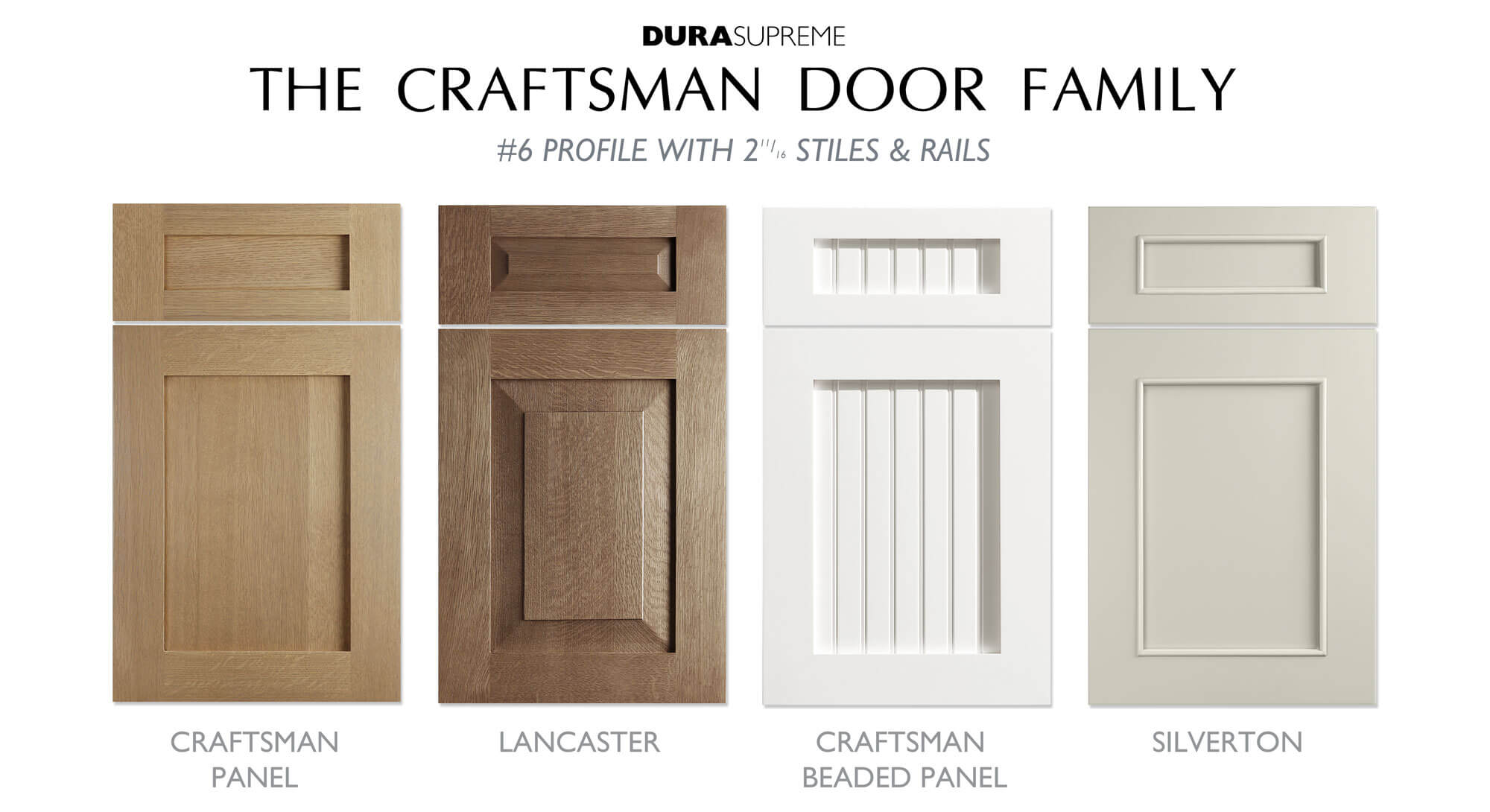
Credit: www.durasupreme.com
Frequently Asked Questions
How Do I Know What Type Of Cabinet Door I Have?
Check if your doors have a frame around the edge (face frame), cover the whole front (frameless), or sit inside the frame (inset). Look for the panel style—flat, raised, or arched—and take measurements and photos for reference.
Can I Match New Doors To Old Cabinets If The Style Is Discontinued?
Yes, but it may require custom orders. Bring a door to a cabinet shop for matching, or consider repainting all doors for a uniform finish if the style can’t be duplicated.
Is It Cheaper To Replace Just The Doors Instead Of All Cabinets?
Usually, yes. Replacing only doors (cabinet refacing) can save up to 50% compared to full cabinet replacement, especially if the cabinet boxes are in good shape.
What Should I Do If My New Doors Don’t Match Exactly?
Try blending with paint or glaze, add matching hardware, or use new doors in less visible areas. If the mismatch is obvious, replacing all visible doors or repainting may be the best solution.
Do I Need To Hire A Professional To Install Replacement Doors?
Not always. If you’re handy and the cabinets are standard sizes, you can do it yourself. For custom fit, complex hinge work, or matching tricky finishes, a professional may save time and prevent mistakes.
Matching cabinet doors is both an art and a science. With careful planning, accurate measurements, and attention to detail, you can create a space that feels fresh and unified—no matter your starting point. Your kitchen or bathroom will thank you, and so will everyone who sees it.