
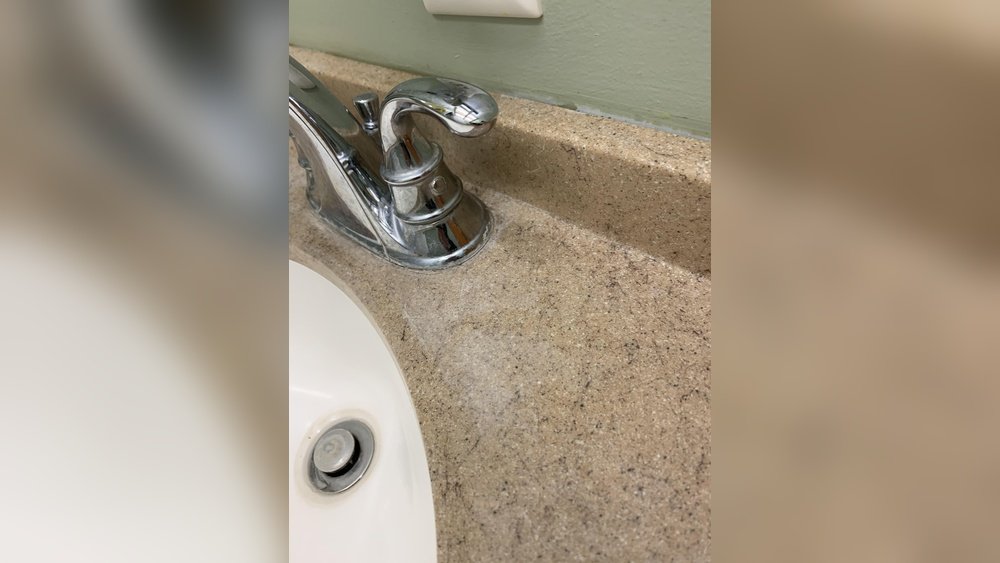
Soap scum on granite isn’t just a cosmetic problem—it can slowly dull the natural shine, make surfaces feel sticky, and even lead to stubborn stains that are hard to remove. If your granite countertop or shower wall is starting to look cloudy, you’re not alone. Many people don’t realize that regular cleaning products can actually make the problem worse. But with the right approach, you can safely get rid of soap scum and keep your granite looking beautiful for years.
Granite is one of the world’s most popular choices for kitchens and bathrooms. It’s tough, stylish, and adds value to any home. But it’s also sensitive to harsh chemicals and abrasive tools. If you use the wrong method, you can etch the surface or break the protective seal. That’s why it’s important to understand exactly how soap scum forms, what makes granite special, and how to clean it the smart way.
This guide covers everything you need to know, from why soap scum forms to deep cleaning methods, safe products, homemade solutions, prevention strategies, and what to avoid. You’ll also find tables comparing different cleaners, a list of tools, and answers to common questions.
Whether you’re dealing with a little film or a thick layer of buildup, this article gives you all the practical steps you need to restore your granite’s shine—without risk.
What Is Soap Scum And Why Does It Form On Granite?
Soap scum is a chalky, grayish or white film that builds up on surfaces after repeated contact with soap and water. It’s made of mineral deposits from hard water (like calcium and magnesium) mixed with the fatty acids in soap. When the water dries, this mixture sticks to surfaces, creating that stubborn residue.
Granite is a porous natural stone, which means it has tiny holes that can trap water and soap particles. In bathrooms, showers, and around sinks, granite is often exposed to both soap and minerals from tap water. Over time, the following conditions make soap scum worse:
- Using bar soap (which reacts more with minerals than liquid soap)
- Hard water (high in minerals)
- Infrequent cleaning
- Letting water sit instead of wiping dry
Soap scum on granite isn’t just ugly—it can trap bacteria, attract dirt, and make the stone look dull. Even worse, if you use harsh chemicals to remove it, you might damage the stone’s sealant or even the granite itself.
Why Is Granite Sensitive To Soap Scum And Cleaning Products?
Granite may seem indestructible, but it’s not. It’s a natural stone with microscopic pores and a thin protective sealant applied to keep water and stains out. Some cleaning products and tools can:
- Etch or scratch the surface
- Break down the sealant, exposing granite to stains
- Leave behind more residue
Here’s why granite needs special care:
- Acid-sensitive: Cleaners with vinegar, lemon, or other acids can erode granite.
- Porous: Unsealed or poorly sealed granite absorbs liquids and stains.
- Sealant limits: The sealant wears out over time, especially with abrasive cleaning.
If you use the wrong cleaner or tool, you might remove the soap scum, but you’ll create bigger problems. That’s why the right approach is so important.
Credit: www.countertopspecialty.com
Safe Tools And Materials For Removing Soap Scum From Granite
Before you start, gather the right tools and products. Some items you might already have at home, but others are worth buying if you want to keep your granite in top condition.
Here’s a quick comparison of common cleaning tools and their safety for granite:
| Tool | Safe for Granite? | Notes |
|---|---|---|
| Microfiber Cloth | Yes | Best for wiping and buffing |
| Soft Sponge | Yes | Use non-scratch side only |
| Plastic Scraper | Yes | For tough scum; avoid metal |
| Steel Wool | No | Scratches and damages sealant |
| Abrasive Pads | No | Too harsh for granite |
| Old Toothbrush | Yes | Good for grout or corners |
Key supplies to have on hand:
- Microfiber cloths (at least 2)
- Soft, non-abrasive sponge
- Plastic scraper (like an old credit card)
- PH-neutral granite cleaner or mild dish soap
- Spray bottle (for homemade solutions)
- Bowl or bucket of warm water
- Clean, dry towels
Step-by-step Guide: How To Remove Soap Scum From Granite
Getting rid of soap scum on granite isn’t difficult if you use the right process. Here’s how to do it safely, from daily cleaning to deep removal.
Step 1: Dry Dust Or Wipe The Surface
Before you use any liquid, quickly wipe the granite with a dry microfiber cloth. This removes loose dust and grit that can scratch the surface during cleaning.
Step 2: Prepare A Safe Cleaning Solution
You have two main options: a commercial granite cleaner or a homemade solution.
- Commercial granite cleaner: Make sure it’s labeled “safe for granite” and “pH-neutral.”
- Homemade mix: Combine a few drops of mild dish soap with warm water in a spray bottle. Avoid acidic or abrasive ingredients.
Never use vinegar, lemon juice, or ammonia—they can damage granite.
Step 3: Apply The Cleaner
Spray the solution directly onto the soap scum. Let it sit for 3-5 minutes to soften the buildup. If you’re cleaning a wall or shower, you may need to respray areas that dry quickly.
Step 4: Gently Scrub
Use a soft sponge or a microfiber cloth to gently scrub the soap scum. For stubborn areas, use the plastic scraper at a shallow angle. Don’t press too hard or use a back-and-forth motion that could scratch the surface.
- For corners or grout: Use an old toothbrush dipped in the solution.
Step 5: Rinse Well
Wipe the area with a clean, damp cloth to remove all cleaner and soap scum residue. This is important—any leftover cleaner can leave streaks or dull the shine.
Step 6: Dry And Buff
Use a dry microfiber cloth to buff the granite to a shine. Drying is important because water left behind can form new soap scum or water spots.
Step 7: Inspect And Repeat If Needed
If any soap scum remains, repeat the process. For very thick buildup, you may need two or three cycles.
Pro tip: For vertical surfaces (like shower walls), work from top to bottom so dirty water doesn’t drip onto cleaned areas.
Homemade Cleaning Solutions Safe For Granite
Many people want a DIY option for cleaning. The right homemade cleaners can work well, but you must avoid anything acidic, alkaline, or abrasive. Here are some safe recipes:
- Mild Dish Soap Solution
- 2 cups warm water
- 1 teaspoon mild, unscented dish soap
- Mix in a spray bottle
- Rubbing Alcohol Mix
- 1 cup rubbing alcohol (isopropyl, 70%)
- 1 cup water
- 2-3 drops mild dish soap
- Mix in a spray bottle, shake gently
This mix disinfects as well as cleans, but always rinse with water after use.
- Hydrogen Peroxide Solution (for Light-Colored Granite Only)
- 1 cup hydrogen peroxide (3%)
- 1 cup water
- 2 drops dish soap
- Only for light granite—test in a hidden spot first
Never use baking soda paste, vinegar, or lemon juice on granite. Even though they clean soap scum on other surfaces, they can etch or dull the stone.
Choosing The Right Cleaner: What Works And What To Avoid
With so many cleaning products on the market, it’s easy to pick the wrong one by mistake. Here’s a handy comparison:
| Cleaner Type | Safe for Granite? | Effectiveness on Soap Scum |
|---|---|---|
| pH-Neutral Granite Cleaner | Yes | High |
| Vinegar or Lemon Juice | No | High (but damages granite) |
| Baking Soda Paste | No | Medium (but abrasive) |
| Ammonia or Bleach | No | High (but ruins sealant) |
| Mild Dish Soap & Water | Yes | Medium |
| Generic Bathroom Cleaner | No | Medium-High (but unsafe for granite) |
Two common mistakes beginners make:
- Using “all-purpose” bathroom cleaners that contain acids or bleach.
- Trying home remedies that work on glass or tile but damage granite.
Always check the label. If it doesn’t say “safe for granite,” don’t risk it.
Dealing With Stubborn Or Thick Soap Scum
Sometimes, regular cleaning doesn’t remove all the soap scum—especially if it’s been building up for months. Here’s what to do if you have a thick, chalky layer:
- Soak and Soften
- Spray your cleaning solution generously and let it sit for 10-15 minutes. Cover with a damp cloth to prevent drying out.
- Careful Scraping
- Use a plastic scraper (never metal) to gently lift off the softened soap scum. Work in small areas.
- Repeat Cleaning
- Spray and wipe with a microfiber cloth. For very tough buildup, repeat the process.
- Spot Test Hydrogen Peroxide (for Light Granite)
- Only for light granite, and only if other methods fail. Apply hydrogen peroxide solution for 5 minutes, then rinse and dry.
Never use razor blades, steel wool, or abrasive pads. They may scratch even the hardest granite.
Preventing Soap Scum Buildup On Granite
Prevention is easier than removal. Here’s how to keep soap scum from coming back:
- Wipe Surfaces Dry
- After each shower, bath, or sink use, quickly wipe granite with a microfiber towel. This removes water and soap before they can leave residue.
- Switch to Liquid Soap
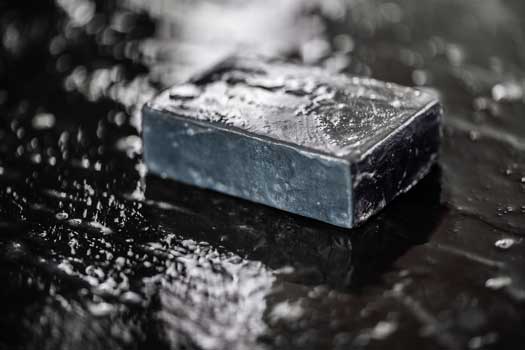
- Bar soaps react with minerals and form more scum. Use liquid body wash or hand soap instead.
- Seal Granite Regularly
- Granite should be resealed every 6-12 months. A good sealant makes it harder for soap scum to stick.
- Use a Squeegee
- In showers, use a squeegee after each use to remove water and soap.
- Clean Weekly
- Do a quick clean with a pH-neutral granite cleaner at least once a week.
- Check for Hard Water
- If you have very hard water, consider a water softener. This reduces mineral deposits.
Here’s a simple table to help you compare prevention methods:
| Prevention Method | Effort Required | Effectiveness |
|---|---|---|
| Wiping Surfaces Dry | Low | High |
| Switching to Liquid Soap | Low | Medium |
| Regular Sealing | Medium | High |
| Squeegee in Shower | Low | High |
| Water Softener | High | Very High |

Credit: www.amazon.com
What To Never Do When Cleaning Granite
Mistakes with granite can be expensive. Here are the most important things to avoid:
- No Acidic Cleaners: Skip vinegar, lemon juice, or any acidic product.
- No Abrasives: Don’t use scouring pads, steel wool, or powders.
- No Bleach or Ammonia: These chemicals destroy sealant and can discolor granite.
- No High-Pressure Steam Cleaners: They can force water into the stone’s pores and lift the sealant.
- No Mixing Cleaners: Combining products (like bleach and ammonia) can create toxic fumes.
- No Letting Water Sit: Always dry surfaces after cleaning.
Non-obvious insight: Even some “natural” cleaners marketed as safe for kitchens contain citric acid or vinegar. Always check the full ingredient list.
How To Test If Your Granite Needs Resealing
Soap scum becomes a bigger problem if granite’s sealant is worn out, because unsealed stone absorbs water and soap more easily. Here’s a quick test:
- Put a few drops of water on the granite.
- Wait 15 minutes.
- If the water beads up, the seal is good.
- If it darkens or soaks in, it’s time to reseal.
Resealing is simple: buy a granite sealer, apply as directed, let it cure, then buff dry. Always reseal after deep cleaning or if you notice dull spots.
When To Call A Professional
Most soap scum problems can be solved with patience and the right tools. However, consider calling a granite professional if:
- The surface is scratched, etched, or stained deeply
- The soap scum is mixed with mold, mildew, or other damage
- The granite looks dull even after cleaning and resealing
Professionals can polish, repair, and reseal granite to restore its shine. For most households, this is rarely needed unless there’s been years of neglect.
Tip: If you’re renting and the granite is damaged, talk to your landlord before trying aggressive cleaning. Some rental agreements require professional care.
Real-life Example: Granite Shower Wall Recovery
Let’s look at a real case. A homeowner in Texas noticed her granite shower wall was dull and sticky, with white streaks that wouldn’t come off. She had been using a popular bathroom cleaner with bleach—unaware it was damaging the stone.
She switched to a pH-neutral granite cleaner, used a soft cloth, and repeated cleaning daily for a week. The soap scum slowly faded. After cleaning, she tested the sealant (it was weak), resealed the granite, and switched to liquid soap.
Now, with weekly cleaning, the wall stays shiny.
Key lesson: Even thick soap scum can be removed with patience and the right process, but fixing damage from harsh cleaners is much harder.
Credit: granitegold.com
Environmental And Health Considerations
Many people want cleaning methods that are safe for the environment and their families. The good news is that most pH-neutral granite cleaners are low in harsh chemicals. Homemade dish soap solutions are also safe.
However, never use “green” products that contain vinegar or citric acid on granite. These can still cause damage.
If you have allergies or asthma, choose fragrance-free cleaners and open windows for ventilation.
For more details on the chemistry of soap scum and cleaning granite, see this helpful resource from the Granite Wikipedia page.
Frequently Asked Questions
What Happens If I Accidentally Use Vinegar Or Bleach On Granite?
Using vinegar or bleach can damage the sealant and even etch the granite itself. If you realize you’ve used the wrong product, rinse the area with lots of water, dry thoroughly, and check the surface for dullness or color changes. If you see damage, reseal the granite or call a professional for advice.
Can I Use Magic Eraser Or Similar Pads On Granite?
No, Magic Eraser pads are slightly abrasive. They may seem soft, but they can scratch the surface or dull the shine, especially if used with pressure. Stick to microfiber cloths and non-abrasive sponges for best results.
How Often Should I Clean Granite To Prevent Soap Scum?
For kitchens and bathrooms, wipe granite daily with a damp microfiber cloth. For showers or sinks, aim for a quick clean after every use and a deeper clean once a week. Regular cleaning is the best way to prevent soap scum buildup.
Is It Safe To Use Hydrogen Peroxide On Granite?
Hydrogen peroxide can be used in a diluted form (3%) and only on light-colored granite. Always test in a hidden area first. For dark granite, hydrogen peroxide can cause discoloration, so it’s best to avoid it.
Does Sealing Granite Stop Soap Scum?
Sealing granite helps, but it doesn’t make the surface soap scum-proof. The sealant fills pores and makes it harder for scum to stick, but regular cleaning and drying are still necessary to keep granite looking its best.
Keeping your granite surfaces clean and free of soap scum doesn’t have to be hard. With the right tools, safe products, and a little daily care, you can enjoy the beauty and shine of granite for many years—without risking damage or costly repairs.