
Granite is famous for its beauty and durability. Many homeowners choose granite for kitchen countertops, bathroom vanities, and flooring because it lasts for decades. But even this tough stone can develop problems—especially when rust appears. Rust stains on granite look ugly and can make your expensive surface seem old and dirty.
Removing rust from granite is not as simple as scrubbing with soap and water. In fact, using the wrong method can damage the granite or make the stain worse.
This guide will show you exactly how to remove rust from granite safely and effectively. You’ll learn why rust forms, how to identify rust stains, and the best methods to treat them. We’ll also discuss how to prevent rust from coming back.
With practical steps, clear explanations, and expert tips, you can restore your granite to its natural beauty and keep it looking great for years.
Why Does Rust Form On Granite?
Granite is a natural stone, formed deep in the earth, and it’s known for being strong and resistant to most stains. However, granite is not completely stain-proof. Rust can develop for a few main reasons:
- Iron Content in Granite: Some types of granite contain tiny bits of iron. When exposed to moisture, these iron particles can oxidize, creating rust stains right inside the stone.
- Metal Objects on Granite: Leaving items like cans, razors, or metal pans on granite surfaces can lead to rust if they get wet. Moisture causes the metal to corrode, and the orange-brown stain can transfer to the stone.
- Water Source: Water with a high iron content (like well water) can leave rust deposits on granite, especially if spills or leaks are not cleaned up quickly.
- Poor Sealing: Granite must be sealed properly. If the sealant wears off, granite becomes more porous and absorbs liquids, making it easier for rust stains to form.
Understanding why rust forms is the first step to fixing and preventing the problem.
How To Identify Rust Stains On Granite
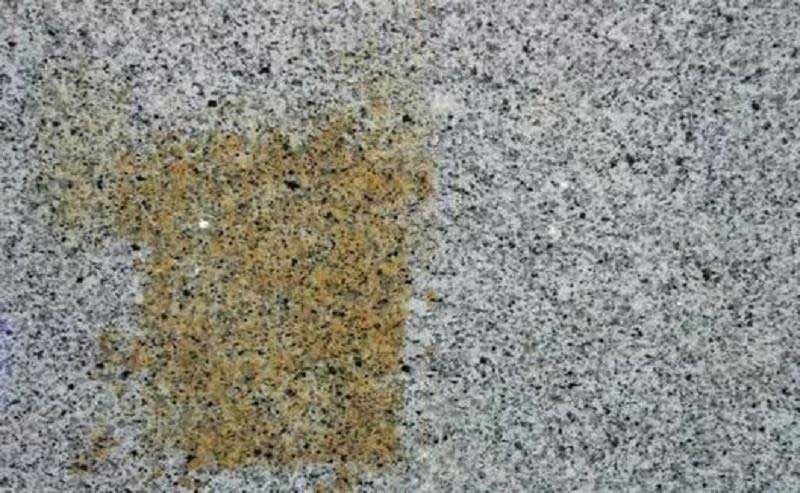
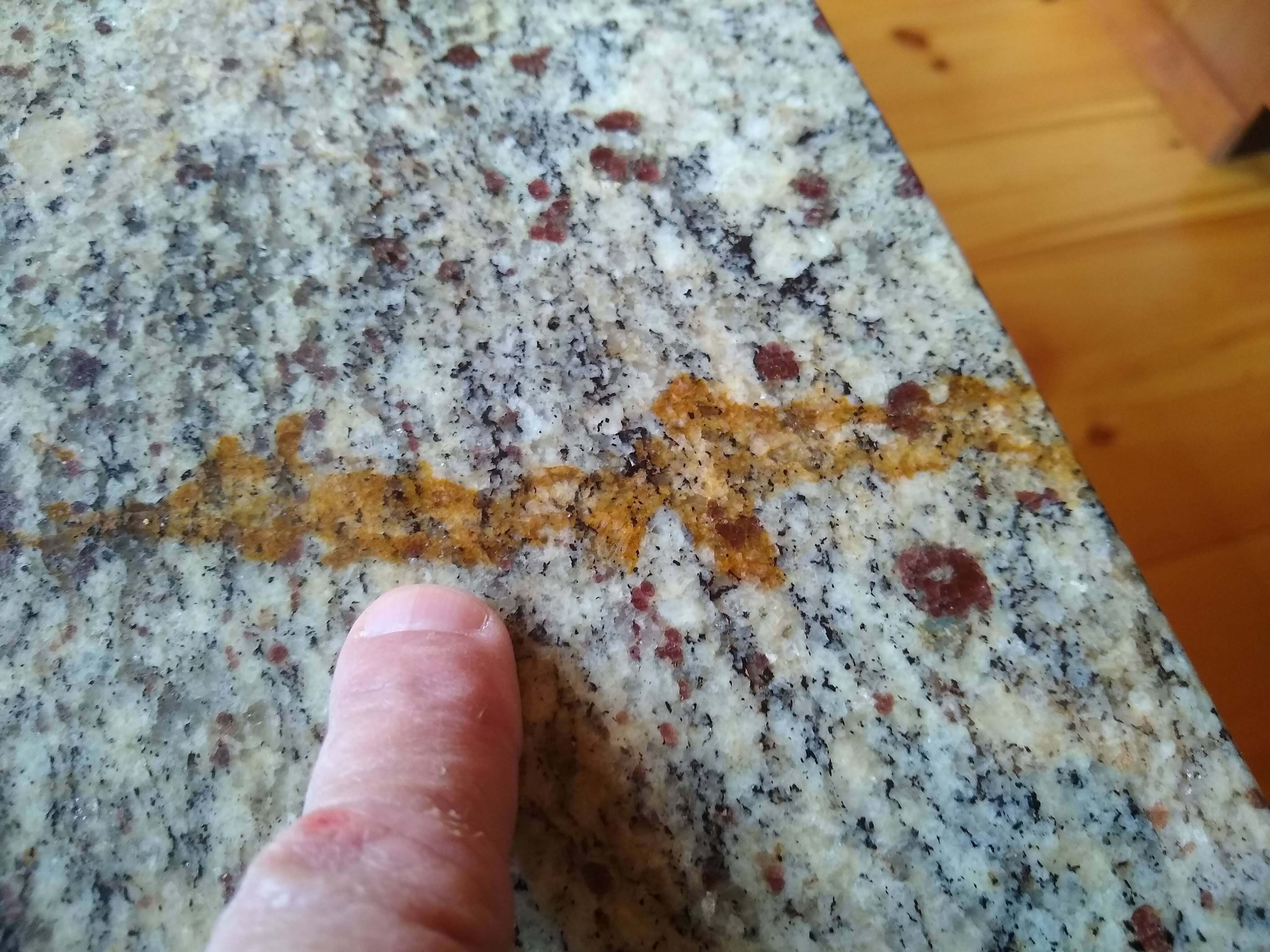
Not all stains on granite are rust. Some may come from food, oil, or other metals. Rust stains are usually:
- Orange or reddish-brown
- Irregular in shape
- Often appear under metal objects
- Can be on the surface or inside the stone
Sometimes, a rust stain feels rough or gritty compared to the smooth granite. If you’re unsure, try wetting a paper towel and rubbing a small part of the stain. If the color transfers easily, it could be something other than rust.
Tools And Materials You Need
Before starting, gather the right tools and materials. Using the wrong products can damage granite. Here’s what you’ll need for most rust removal methods:
- Plastic scraper or spatula (never metal)
- Soft microfiber cloths
- Baking soda
- Hydrogen peroxide (3%)
- Poultice powder (can be bought or homemade)
- Plastic wrap and tape
- Rubber gloves
- Distilled water
- PH-neutral granite cleaner
- Granite sealer (for after cleaning)
For deeper or stubborn stains, you may need:
- Commercial rust remover (made for stone surfaces)
- Acetone
- Diamond polishing pads (for professionals only)
Never use vinegar, lemon, or bleach on granite. These can damage the stone and make stains worse.
Step-by-step Methods To Remove Rust From Granite
There is no single method that works for every rust stain. The right approach depends on how deep the stain is and what caused it. Start with the least harsh method. If the stain remains, try the next option.
1. Basic Cleaning For Fresh Rust Stains
For new stains, start with the simplest steps:
- Remove any metal object from the granite.
- Mix a few drops of pH-neutral granite cleaner with warm distilled water.
- Use a soft microfiber cloth to gently wipe the stained area.
- Dry with another clean cloth.
If the stain disappears, you’re done. If not, continue with the next method.
2. Baking Soda And Hydrogen Peroxide Poultice
A poultice is a thick paste that draws stains out of stone. Here’s how to use baking soda and hydrogen peroxide, which is safe for most granite.
- Mix baking soda with enough 3% hydrogen peroxide to make a thick paste (like peanut butter).
- Spread the paste over the rust stain, about 1/4 inch thick.
- Cover with plastic wrap and tape down the edges.
- Let it sit for 24-48 hours. The poultice will dry and pull the rust into the paste.
- Remove the plastic, then use a plastic scraper to lift off the dried paste.
- Wipe with a damp cloth and dry.
If the stain is lighter, repeat the process. You may need two or three treatments.
3. Commercial Rust Remover For Granite
If the baking soda poultice does not work, try a commercial rust remover designed for natural stone. These products are pH-neutral and safe for granite, but always read the label.
- Apply the rust remover according to the manufacturer’s instructions.
- Usually, this means covering the stain and letting the product sit for a specific time.
- Wipe away with a soft cloth and rinse with distilled water.
Never use regular metal rust removers from hardware stores. They are too acidic or basic and can etch granite.
4. Acetone For Deep Rust Stains
For stains that go deep into the granite, acetone can sometimes help. Acetone is a solvent that breaks down certain types of stains, but it must be used carefully.
- Wear rubber gloves and work in a well-ventilated area.
- Wet a cloth with acetone and place it on the stained area.
- Cover with plastic wrap for up to 24 hours.
- Remove the cloth, then clean the area with distilled water and a granite cleaner.
Do not use acetone on colored or dyed granite, as it may affect the color.
5. Specialty Poultice Powders
Some stains are extremely stubborn. In this case, you can try a specialty poultice powder made for removing rust from stone. These powders are mixed with water or a special liquid to form a paste.
- Follow the manufacturer’s instructions for mixing and applying the poultice.
- Apply, cover, and let it sit as directed (often 24-48 hours).
- Remove and clean as before.
These products can be expensive, but they are often the last step before calling a professional.
6. When To Call A Professional
If the rust stain remains after trying these methods, it’s time to call a stone care expert. Professionals have access to special tools, like diamond polishing pads and stronger chemicals, that are safe for granite when used correctly.
Professional help is best for:
- Large or deep rust stains
- Valuable or rare granite
- Countertops with a special finish
Comparing Rust Removal Methods
Here’s a quick comparison of the most common rust removal methods for granite. This can help you choose the right one for your situation.
| Method | Effectiveness | Granite Safety | Cost | DIY Friendly |
|---|---|---|---|---|
| Baking Soda Poultice | Good for light stains | Very safe | Low | Yes |
| Commercial Rust Remover | Good for moderate stains | Safe (stone-specific) | Medium | Yes |
| Acetone | Good for deep stains | Safe with caution | Low | Yes |
| Professional Service | Best for stubborn stains | Very safe | High | No |
Safety Tips For Rust Removal
Granite is tough, but it can be damaged by harsh chemicals or rough treatment. Here are some important safety tips:
- Always test any cleaner or poultice in a hidden area first.
- Avoid anything acidic (vinegar, lemon juice) or bleach.
- Use only plastic scrapers—metal can scratch granite.
- Wear gloves when using chemicals.
- Keep the area well ventilated if using acetone or strong cleaners.
- Reseal the granite after removing stains.
Credit: rskmarbleandgranite.com
How To Prevent Rust Stains On Granite
Prevention is easier than removing rust. A few simple habits can keep your granite looking perfect.
1. Seal Granite Regularly
Granite should be sealed every 1-2 years, depending on use. The sealant makes granite less porous, so liquids and rust cannot soak in easily. Test your seal by putting a few drops of water on the stone. If it beads up, the seal is good. If it darkens the granite, reseal it.
2. Clean Spills Right Away
Wipe up water, juices, or any spill immediately. This prevents liquids from sitting on the granite and causing stains.
3. Use Mats And Trays
Place coasters under drinks and trays under metal objects like soap dispensers, cans, or plant pots. This stops water and metal from touching the granite.
4. Avoid Using Well Water
If your water source is high in iron, consider using filtered or distilled water to clean granite surfaces. This reduces the chance of iron deposits causing rust.
5. Check For Leaks
Regularly check under sinks and around appliances for leaks. Even small drips can cause moisture to collect and create rust stains over time.
6. Do Not Use Abrasive Cleaners
Never use scouring pads or abrasive powders. These can scratch granite and remove the protective seal.
The Science Behind Rust Stains On Granite
Rust is a chemical reaction between iron, oxygen, and water. In granite, iron can be part of the stone itself or come from outside sources. When moisture gets into granite, it reacts with iron and forms iron oxide—what we see as rust.
Some granites have more iron than others. For example, gold or brown granites usually contain more iron than black or white types. This means they are more likely to develop rust stains.
Granite is also porous. This means there are tiny holes where water and air can go in. If the stone is not sealed, rust can form inside, making it very hard to remove.
Common Mistakes To Avoid
Many people try to clean rust from granite using kitchen or bathroom products that are not safe. Here are mistakes to avoid:
- Using vinegar or lemon juice: These are acidic and can etch granite, leaving dull spots.
- Scrubbing with steel wool or metal brushes: These scratch the surface and can make staining worse.
- Using bathroom rust removers: Most are too harsh for granite and can cause permanent damage.
- Ignoring the stain: The longer rust sits, the deeper it goes and the harder it is to remove.
- Skipping the sealer: Not resealing granite after cleaning leaves it open to future stains.
When Rust Stains Keep Coming Back
If you remove a rust stain and it returns, there is likely a deeper problem. This could be:
- High iron content in the granite itself
- Continuous exposure to water (leaks, spills)
- Metal objects left on the surface
- Poor sealing
In these cases, you may need to reseal the granite more often or contact a professional for a long-term solution.
Credit: www.washingtonpost.com
Real-world Example: Rust Removal Success
Consider a homeowner who noticed a large, orange stain under a metal can on her kitchen granite countertop. She tried wiping it with soap and water, but the stain remained. Next, she used a baking soda poultice as described above.
After two treatments, the stain faded but did not disappear. She then used a commercial rust remover for stone, following the instructions carefully. The rust stain disappeared completely. She resealed the granite, placed a tray under all metal items, and never had a rust problem again.
This example shows that patience and following the right steps can restore even badly stained granite.
Costs Of Rust Removal: Diy Vs Professional
Let’s compare the typical costs involved with removing rust from granite yourself versus hiring an expert.
| Option | Materials Cost | Labor Cost | Total Cost | Best For |
|---|---|---|---|---|
| DIY Poultice | $5–$15 | $0 | $5–$15 | Small stains, home use |
| Commercial Remover | $10–$30 | $0 | $10–$30 | Moderate stains |
| Professional Service | $20–$50 (materials) | $100–$300 (labor) | $120–$350 | Deep or large stains |
DIY methods are much cheaper but require patience and care. Professionals are expensive but can save your granite from permanent damage.
Environmental Impact Of Rust Removal Products
Some commercial rust removers use chemicals that can harm the environment. Always choose pH-neutral and biodegradable products when possible. Dispose of used poultices and cleaners according to local regulations. Never pour strong chemicals down the drain.
Dealing With Rust On Outdoor Granite
Granite is also popular for outdoor use—patios, steps, and monuments. Rust removal outdoors follows similar steps, but weather and sunlight can speed up staining. Always clean rust as soon as you see it. Reseal outdoor granite more often, usually every year.
How To Maintain Granite After Rust Removal
After removing rust, it’s important to protect your granite:
- Clean regularly with a pH-neutral granite cleaner and soft cloth.
- Check the seal every few months.
- Avoid placing wet metal items on the stone.
- Dry surfaces after cleaning or spills.
- Reseal as needed.
This routine will keep your granite looking new and prevent future rust stains.
Myths About Granite And Rust
Some believe granite can never rust, or that all stains can be wiped away. The truth is, granite is strong but not invincible. Rust can happen—especially with poor maintenance or the wrong cleaners. Another myth is that all rust removers are safe for stone.
Many are not. Only use products labeled for granite or natural stone.
How To Choose A Granite Rust Remover
With so many products on the market, choosing the right one is confusing. Look for these features:
- Labeled “Safe for Natural Stone” or “Granite Safe”
- PH-neutral (not acidic or basic)
- No bleach, ammonia, or strong acids
- Good reviews from other granite owners
If in doubt, check with your granite supplier or installer for recommendations. For more information, you can visit National Park Service for stone care guidelines.
Frequently Asked Questions
What Is The Best Home Remedy For Rust On Granite?
A baking soda and hydrogen peroxide poultice is the safest and most effective home remedy for rust on granite. Mix into a thick paste, apply over the stain, cover with plastic, and let it sit for 24-48 hours. Repeat if needed.
Can I Use Bleach Or Vinegar To Remove Rust From Granite?
No. Bleach and vinegar are not safe for granite. Both can damage the stone’s surface and make staining worse. Always use pH-neutral cleaners or stone-safe rust removers.
Will Sealing Granite Prevent All Rust Stains?
Sealing granite greatly reduces the chance of rust stains by making the surface less porous. However, it does not make granite completely stain-proof. Always clean spills quickly and avoid leaving wet metal objects on the stone.
How Do I Know If I Need A Professional For Rust Removal?
If you have tried safe DIY methods and the rust stain remains, or if the stain is very large or deep, it’s time to call a professional stone care expert. Professionals have special tools and chemicals that can remove tough stains without damaging your granite.
How Often Should I Reseal My Granite Countertop?
Most granite countertops should be resealed every 1-2 years. High-use areas may need sealing more often. Test your seal by placing a few drops of water on the surface—if it beads up, your seal is still good.
Keeping your granite beautiful is not difficult if you use the right methods and a little patience. With proper care, you can enjoy your granite for decades without the worry of rust stains.

Credit: www.reddit.com