
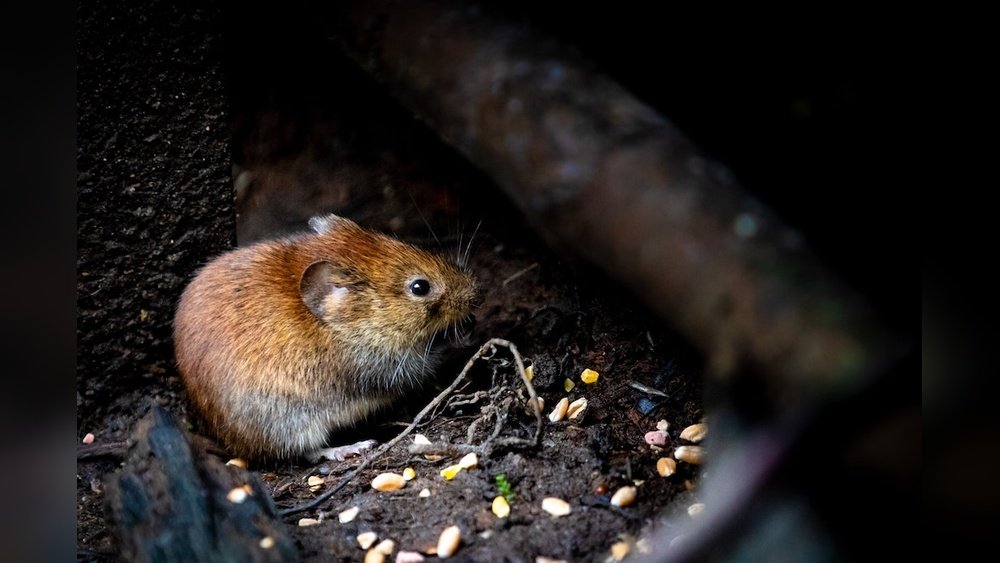
Mice hiding under your kitchen sink is more than just annoying—it can become a real health risk. These tiny invaders chew on food packages, leave droppings, and may even damage pipes or wires. Worse, their fast breeding means that a small mouse problem can quickly become an infestation.
If you see droppings, hear scratching, or spot gnawed packaging under your sink, you need to act fast and smart.
Getting rid of mice under your kitchen sink is not just about setting a trap and hoping for the best. It’s about understanding why mice love this spot, how to block their entry, and the safest ways to remove them for good.
Most guides give quick fixes, but true prevention means thinking like a mouse—and being one step ahead.
Let’s dive deep into effective, proven methods for removing mice from under your kitchen sink, plus how to keep them from coming back. This guide gives you all the tools you need to win the battle, even if you’ve never faced a rodent problem before.
Why Mice Choose The Kitchen Sink Area
It’s not a random choice—mice love the area under the sink for several practical reasons. First, it’s warm and often moist, especially if there are leaks. Second, food crumbs and trash bins are usually close by. Third, there are often gaps or holes around pipes—perfect for squeezing in and hiding.
Unlike other rooms, the kitchen gives mice easy access to both food and water. The darkness and clutter under the sink also make it a safe place to nest. If you want to stop mice, you need to understand these reasons so you can remove their sources of comfort.
Signs Of Mice Living Under The Kitchen Sink
Before you start, confirm that mice are really the problem. Here are the most common signs:
- Droppings: Small, dark pellets, often found near food or in corners.
- Gnaw marks: Chewed boxes, bags, or even pipes and wires.
- Scratching sounds: Especially at night, when mice are most active.
- Nests: Shredded paper, insulation, or food wrappers arranged in hidden spots.
- Smell: A strong, musky odor caused by urine and droppings.
If you see even two of these signs, you probably have mice under the sink. Some people mistake cockroach droppings for mouse droppings, but mouse droppings are usually larger (about 1/8 to 1/4 inch).
Why Quick Action Matters
Mice breed very quickly—a female can have up to 10 litters per year, with 5-12 babies each time. That’s up to 120 new mice from one pair in a single year! Mice can also spread diseases like salmonella and hantavirus.
The longer you wait, the harder it is to get rid of them.
Safety Precautions Before You Start
Before taking action, protect yourself:
- Wear gloves and a mask when cleaning droppings or nests. Mouse urine and droppings can carry diseases.
- Never sweep or vacuum droppings. This can send harmful particles into the air.
- Use disinfectant on all cleaned surfaces.
Many beginners forget these steps and put themselves at risk. Even small tasks like refilling a trap or wiping under the sink should be done with care.
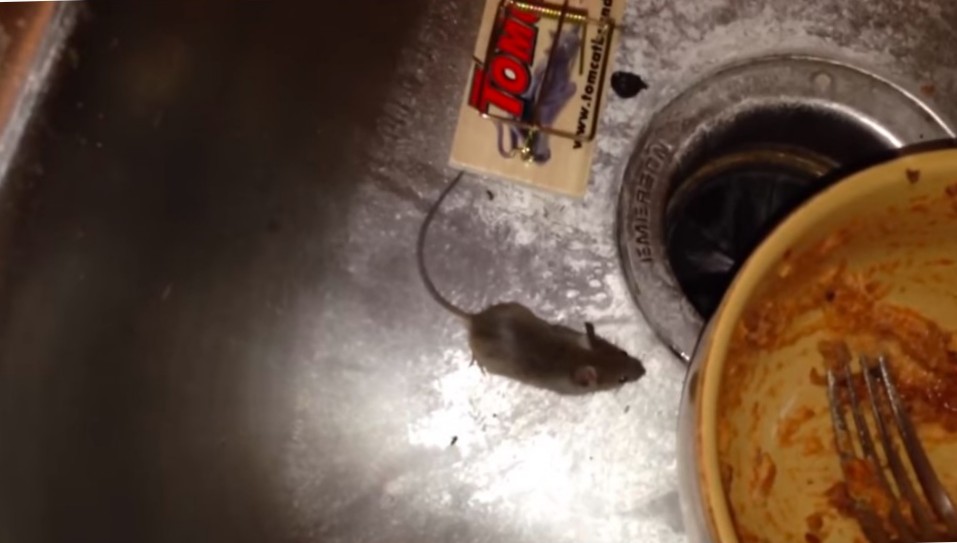
Credit: mousecontrol.org
Step 1: Remove All Food And Clutter
Mice are looking for food, shelter, and nesting materials. Start by removing their temptations:
- Take out everything stored under the sink.
- Throw away any chewed items or packaging.
- Store food (even pet food) in airtight containers.
- Move trash cans away from the sink area if possible.
This first clean-up gives you a clear view and makes it harder for mice to hide.
Step 2: Find And Seal Entry Points
Mice can squeeze through holes as small as 1/4 inch (about the size of a pencil). Focus on the following spots:
- Gaps around water pipes and drain lines
- Cracks in walls or cabinets
- Spaces where the wall meets the floor
Use a flashlight and mirror to check for hidden holes—this trick often reveals gaps you’d miss otherwise.
Best Materials For Sealing Holes
Not all fillers are equal. Here’s how common options compare:
| Material | Effectiveness | Best for | Drawbacks |
|---|---|---|---|
| Steel wool | High | Small gaps, pipe edges | Can rust, must be packed tightly |
| Expanding foam | Medium | Medium holes, awkward spaces | Mice can chew through unless combined with steel wool |
| Caulk | Medium | Small cracks, finishing touch | Not for large holes |
| Wire mesh | High | Larger holes, vents | Requires tools to install |
| Concrete | Very high | Permanent repairs | Time-consuming, not for all homes |
For most kitchens, steel wool plus caulk is a smart choice—it blocks mice and is easy to install. Never use just foam or caulk alone for bigger holes; mice can chew right through.
Step 3: Set Traps For Quick Results
Traps are the fastest way to reduce a mouse population. But not all traps are the same, and using the wrong kind is a common mistake.
Types Of Mouse Traps Compared
Here’s a simple guide to the main types:
| Trap Type | How It Works | Pros | Cons |
|---|---|---|---|
| Snap trap | Spring-loaded bar kills mouse quickly | Quick, reusable, low cost | Must handle dead mice, can be dangerous for pets |
| Glue board | Sticky surface traps mouse alive | Simple, cheap | Inhumane, must dispose of live mouse |
| Electric trap | Delivers a quick shock to kill mouse | Quick, less messy, reusable | More expensive, needs batteries |
| Live-catch trap | Catches mouse alive for release | No-kill, reusable | Must release far from home, mouse may return |
If you want fast results, snap traps or electric traps are best. For families with pets or children, live-catch traps are safer but require more effort.
Best Trap Placement
Traps should go where mice travel—not in the open. Place them:
- Against walls, with the bait side facing the wall
- Near holes, droppings, or gnaw marks
- In dark corners under the sink
Use several traps at once for better results. One or two traps are rarely enough. For a typical kitchen, 4–6 traps is a good starting point.
What Bait Works Best?
Peanut butter is a top choice—mice can’t resist the smell. You can also use chocolate, oatmeal, or even small bits of bacon. Use just a small amount, about the size of a pea.
Avoid cheese—it dries out fast and isn’t as attractive as people think.
Step 4: Try Natural Deterrents
Some people prefer not to use traps. Natural repellents can help, but they’re best used as part of a bigger plan—not alone.
Common Natural Repellents
- Peppermint oil: The strong smell confuses mice. Soak cotton balls and place under the sink. Refresh every few days.
- Cloves or clove oil: Works much like peppermint.
- Ammonia: Some say it mimics the scent of predators. Mix a small amount with water in a bowl, but keep away from pets and kids.
- Used kitty litter: Place a small dish (out of sight and reach) near entry points. The smell can scare mice away.
Do Natural Repellents Really Work?
Studies show these methods can help, but they rarely solve a serious problem alone. They’re best for prevention, or as a backup once you’ve removed most mice.

Credit: www.youtube.com
Step 5: Use Poison Baits With Caution
Poison baits (rodenticides) can kill mice, but they come with risks:
- Pets and children can be poisoned if they find the bait.
- Mice may die in walls, causing odor and attracting insects.
- Secondary poisoning: Other animals (cats, birds) might eat a poisoned mouse.
If you choose poison, use bait stations that protect the bait from pets and kids. Place them only where mice can access but others cannot.
In most homes, traps are safer and just as effective. Poison is best left as a last resort or for serious infestations.
Step 6: Clean And Disinfect Thoroughly
After removing mice, don’t skip cleaning. Mouse droppings and urine can carry bacteria and viruses.
- Ventilate the area by opening windows for at least 30 minutes.
- Wear gloves and a mask at all times.
- Spray droppings and nests with a bleach solution (1 part bleach, 10 parts water).
- Wipe everything with disposable towels.
- Double-bag all cleaning materials and throw away outside.
Never vacuum or sweep mouse droppings—this spreads dust and disease.
Step 7: Prevent Future Infestations
Once you’ve removed mice, prevention is key. Most people skip this step and end up fighting mice again in a few months.
Long-term Prevention Tips
- Keep all food in sealed containers—even dry goods and pet food.
- Clean crumbs and spills immediately.
- Take out trash daily and use bins with tight lids.
- Fix leaks under the sink to remove water sources.
- Inspect and reseal entry points every few months.
A surprising tip: Check weatherstripping and door sweeps. Even a small gap under a door can let mice in.
When To Call A Pest Control Professional
Sometimes, DIY methods aren’t enough. Consider a pro if:
- You still see signs of mice after 2–3 weeks of trapping.
- There are many mice, or you find nests with babies.
- You’re not comfortable handling traps or poison.
- There are repeated infestations, even after sealing holes.
Professionals have access to stronger products, advanced traps, and can spot entry points you might miss. They’ll also give advice on long-term prevention.
Why Mice Keep Coming Back (non-obvious Causes)
Even after sealing and cleaning, some people find mice return. Here are two reasons beginners often overlook:
- Neighboring infestations: If you live in an apartment or attached house, mice can move between units. Talk to neighbors or your building manager for a coordinated approach.
- Hidden food sources: Forgotten snacks, old pet food, or even crumbs behind appliances attract mice. Move your fridge and stove during deep cleaning—many people never do this.
Comparing Diy Vs. Professional Pest Control
Wondering if you should keep trying or call an expert? Here’s a quick comparison:
| Factor | DIY | Professional |
|---|---|---|
| Cost | Low to moderate | Higher upfront |
| Speed | Variable, may take weeks | Usually faster |
| Safety | Depends on your care | Professionals know risks |
| Effectiveness | Good for small problems | Best for big infestations |
| Guarantee | None | Often includes follow-up |
For most small infestations, DIY is effective if you follow all steps. For larger or repeated problems, professional help is a wise investment.
Common Mistakes To Avoid
Many people make errors when trying to get rid of mice. Here are the most common:
- Using too few traps: One or two traps rarely solve the problem.
- Placing traps in open spaces: Mice stick to walls, not open areas.
- Skipping deep cleaning: If you leave crumbs or clutter, mice will return.
- Not sealing all entry points: Even a single gap can let new mice in.
- Relying only on repellents: Smells alone won’t stop a determined mouse.
- Ignoring neighbors in shared buildings: Mice can move between units.
- Not checking traps daily: Dead or caught mice can smell, and traps need to be reset.
Myths About Getting Rid Of Mice
There’s a lot of bad advice out there. Let’s clear up some myths:
- Myth: Cheese is the best bait. Fact: Peanut butter and chocolate work better.
- Myth: Cats will always solve the problem. Fact: Some cats aren’t hunters, and mice can hide in places cats can’t reach.
- Myth: Ultrasonic devices drive away mice. Fact: Research shows these are not effective for real infestations.
- Myth: Mice only come into dirty homes. Fact: Even clean homes attract mice if there’s food and shelter.
Advanced Tips For Persistent Problems
If you’ve tried everything but still see mice, try these advanced moves:
- Use multiple types of traps at once. Mice can become trap-shy if you only use one kind.
- Rotate bait types every few days. This keeps mice interested and avoids bait aversion.
- Set traps in “tunnels”—use cardboard or plastic to create a covered path that guides mice into the trap.
- Use tracking powder (professional product) to see where mice travel most. Only use this with care and follow all safety directions.
- Add door sweeps to all outside doors, not just in the kitchen.
Real-world Example
A family in Chicago fought a months-long battle with mice under the kitchen sink. They tried traps, cleaning, and even natural repellents, but mice kept returning. The breakthrough came when they found a tiny gap behind the dishwasher—an entry point they had missed.
After sealing it with steel wool and caulk, the mice disappeared within a week.
This shows that finding and sealing all entry points is the real key. Traps will catch mice, but without blocking access, new ones will always come.
When To Worry About Damage
Mice don’t just cause mess—they can create real risks:
- Chewed wires: This can cause electrical shorts or even fires.
- Damaged pipes: Mice can chew on plastic or rubber pipes, leading to leaks.
- Food contamination: Even sealed packages are not always safe if mice chew through them.
If you see signs of damage, check behind appliances and inside cabinets. Call a professional if you suspect wiring or pipe issues.
Safe Disposal Of Dead Mice
Always use gloves and a plastic bag. Spray the mouse and area with disinfectant before picking up. Double-bag the mouse and throw it away outside. Wash your hands thoroughly, even if you wore gloves.
Never bury dead mice in your yard—they can attract other pests.

Credit: www.youtube.com
Children And Pet Safety
If you have kids or pets, extra care is needed:
- Use traps inside closed cabinets or behind barriers.
- Avoid poison unless absolutely necessary.
- Check traps every morning to avoid accidental contact.
For more tips, see advice from the Centers for Disease Control and Prevention.
Frequently Asked Questions
How Do I Know If The Mice Are All Gone?
If you stop seeing droppings, hearing noises, or finding chewed packaging for at least two weeks, you’ve likely removed all mice. Keep checking traps and inspecting for new signs.
Is It Safe To Use Poison Under The Kitchen Sink?
Poison can be effective but is risky if you have pets or kids. Always use bait stations and place them where only mice can reach. Avoid poison if you’re not comfortable with the risks.
What Is The Fastest Way To Get Rid Of Mice Under The Sink?
The fastest way is to use multiple snap traps with attractive bait (peanut butter works well), placed near walls and entry points. At the same time, seal up all holes to stop new mice from entering.
Can Essential Oils Really Keep Mice Away?
Essential oils like peppermint or clove can help, but they are not a complete solution. Use them with traps and sealing holes, not as your only method.
How Often Should I Check Traps And Clean Under The Sink?
Check traps every day and clean under the sink at least once a week while dealing with mice. Regular cleaning after that helps prevent new infestations.
Getting rid of mice under your kitchen sink takes effort, but with the right plan, you can remove them and keep your kitchen safe. Focus on sealing entry points, using effective traps, and keeping things clean. If you face a big problem, don’t hesitate to call a professional.
Success comes from being thorough and not missing the small details—just like the mice themselves.