
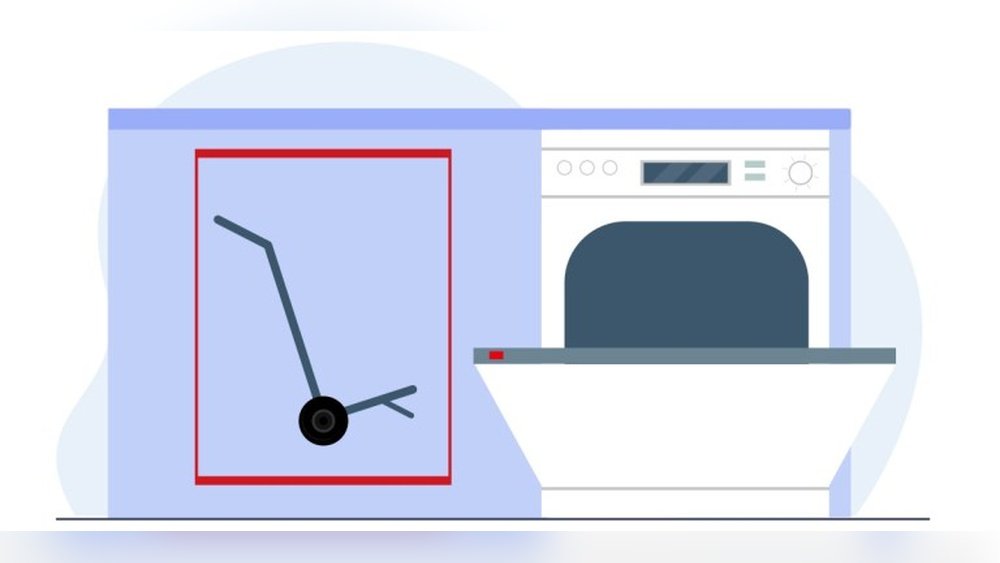
Moving a dishwasher can seem like a big project, especially if you have never done it before. Whether you are renovating your kitchen, relocating to a new home, or replacing your old dishwasher, knowing how to safely disconnect, transport, and reinstall a dishwasher is important.
If you make mistakes, you could cause leaks, electrical problems, or even injury. But with the right steps and careful planning, you can move a dishwasher without too much stress. This guide covers everything you need to know, from tools and preparation to lifting, handling, and reconnecting your appliance.
You will find practical advice for every stage, clear safety tips, and answers to common questions—so you can move your dishwasher with confidence.
Understanding The Basics Of Moving A Dishwasher
Moving a dishwasher is not just about picking it up and carrying it to a new spot. Unlike many kitchen appliances, a dishwasher is usually built-in. It connects to your home’s water supply, drainage system, and electrical wiring. These connections must be handled carefully to avoid water damage, electric shock, or breaking important parts.
Dishwashers are heavy and awkward to move, often weighing between 50 and 150 pounds. Their size and weight can make them difficult to carry, especially in tight spaces. Also, the hoses and wires attached at the back can be easy to forget or damage.
Before you begin, it’s important to plan each step. Rushing or skipping steps often leads to costly mistakes. For example, failing to disconnect the water supply completely can leave you with a flooded kitchen floor. Forgetting to switch off the power can lead to electric shock.
Preparing well will save you time, money, and stress.
Tools And Materials You Will Need
Having the right tools makes the job safer and smoother. Here’s what you should gather before starting:
- Adjustable wrench – For water supply connections
- Screwdriver set – Both flathead and Phillips for various screws
- Bucket and towels – To catch any water that spills out
- Pliers – For hose clamps or stubborn fittings
- Work gloves – To protect your hands
- Appliance dolly or hand truck – For moving the dishwasher safely
- Moving straps – To help lift and stabilize
- Packing tape and bubble wrap – For protecting the dishwasher during transport
- Zip ties or twist ties – For securing loose wires and hoses
- Flashlight – For seeing under cabinets or in dark spaces
If you have a built-in dishwasher, you may also need a drill to remove mounting screws. For dishwashers that are hardwired (wired directly into your electrical system instead of plugged in), a voltage tester is also important for safety.
Before moving forward, double-check you have everything on the list. Having the right tools at hand prevents delays and frustration.
Preparation: Before You Move The Dishwasher
Taking a few minutes to prepare will make the whole process easier and safer. Here’s what to do first:
- Read your owner’s manual. Different brands and models may have unique installation or removal details. If you don’t have the manual, look it up online using your dishwasher’s model number.
- Clear the area. Remove any items on or around the dishwasher, including dishes inside. Make sure you have space to move and place tools nearby.
- Plan your route. Measure doorways, hallways, and the path you will take. Remove rugs, mats, or obstacles that could trip you.
- Protect the floor. Dishwashers are heavy and can scratch or dent your kitchen floor. Lay down cardboard, old blankets, or moving pads to prevent damage.
- Check for help. Most dishwashers are too heavy for one person. Ask a friend or family member to help lift and guide the dishwasher.
Many people forget to empty the dishwasher before moving. This can add weight and even break dishes during transport. Take everything out and wipe down any moisture inside.
Disconnecting Power And Water Safely
Safety is the most important part of moving any appliance. Dishwashers use both water and electricity, so take extra care.
Turning Off Power
- Find your circuit breaker box. Locate the breaker that controls your dishwasher. It’s usually labeled.
- Switch off the power. Flip the breaker to “off.” This stops all electricity to the dishwasher.
- Test the power. Try to turn the dishwasher on. If it doesn’t light up or start, the power is off. For hardwired models, use a voltage tester to be sure.
Never skip this step. Some older dishwashers may still have power even when “off” if not disconnected at the breaker.
Turning Off Water Supply
- Locate the water shut-off valve. This is usually under your sink or behind the dishwasher.
- Turn the valve clockwise. This closes the water supply. If your valve is stiff, use pliers, but do not force it.
- Test for leaks. Run the dishwasher or open the door to make sure water is not coming in.
If you can’t find the shut-off valve, you may need to turn off the main water supply for your home.
Draining Remaining Water
After disconnecting, some water may still be inside the machine or hoses.
- Place towels and a bucket under the dishwasher.
- Remove the bottom access panel (kick plate) with a screwdriver.
- Disconnect the water inlet hose and drain hose carefully, letting water drain into the bucket.
- Wipe up any spills immediately to prevent slipping.
Some newer dishwashers have a drain cycle you can run before unplugging. Check your manual to see if this is possible.

Credit: www.repairaid.co.uk
How To Disconnect The Dishwasher
Now you are ready to detach your dishwasher from its connections. Take your time here—rushing can break hoses or wiring.
Step 1: Disconnect Water Supply Line
- Find the water supply line—usually a flexible steel or braided hose.
- Use an adjustable wrench to loosen the fitting at the dishwasher end.
- Carefully pull the hose free and let any remaining water drain into a bucket.
Step 2: Disconnect Drain Hose
- Locate the drain hose—often a corrugated plastic tube.
- Disconnect it from the dishwasher or from the garbage disposal/air gap under the sink.
- Expect a little water to come out. Use towels to catch drips.
Step 3: Disconnect Power
For Plug-in Models
- Find the power cord and unplug it from the outlet.
For Hardwired Models
- Remove the bottom front access panel.
- Open the electrical junction box.
- Use a voltage tester to confirm power is off.
- Disconnect wire nuts and separate wires.
- Secure wires with a wire nut or electrical tape for safety.
Step 4: Remove Mounting Brackets
- Open the dishwasher door.
- Look for mounting screws or brackets at the top or sides, securing the dishwasher to the countertop or cabinets.
- Use a screwdriver or drill to remove these screws.
Step 5: Slide Out The Dishwasher
- Gently rock the dishwasher back and forth to loosen it.
- Pull the dishwasher out slowly, being careful not to snag hoses or wires.
Two people make this step much easier. One can guide from the front, while the other checks the back for stuck hoses.
Pro Tip: Take a few photos of connections before disconnecting. This makes reinstallation much easier.
Moving The Dishwasher: Lifting, Carrying, And Transport
Now your dishwasher is free from its connections, it’s time to move it. This stage is all about protecting both the machine and your home.
Lifting And Handling
- Lift with your legs, not your back, to avoid injury.
- Keep the dishwasher upright as much as possible. Tilting it can spill water or damage internal parts.
- For stairs or uneven surfaces, use an appliance dolly or moving straps.
Protecting The Dishwasher
- Wrap the dishwasher in blankets or bubble wrap to protect it from scratches.
- Tape the door closed to prevent it from swinging open.
- Secure loose wires and hoses with zip ties or twist ties.
Navigating Doorways And Hallways
Measure the dishwasher and all doorways before starting. Sometimes you may need to remove the dishwasher’s door or handle to fit through tight spaces.
Hidden Challenge: Many people forget about the dishwasher’s adjustable feet. Lower these completely (by turning counterclockwise) to make sliding out and moving easier.
Loading Into A Vehicle
- Place the dishwasher upright in your vehicle. Laying it on its side or back can cause oil to leak from the pump and damage the motor.
- Use straps to secure it in place, preventing it from sliding during transport.
Important: Never stack heavy items on top of the dishwasher during transport.
Reinstalling The Dishwasher At The New Location
Once you’ve arrived at the new location, you’ll need to reverse the removal steps. Careful installation prevents leaks, electrical problems, and poor cleaning.
Step 1: Inspect And Clean
- Check the dishwasher for damage during the move.
- Clean off any dust, dirt, or packing materials.
- Inspect hoses and wires for cracks or wear. Replace any that are damaged before installing.
Step 2: Position The Dishwasher
- Adjust the feet so the dishwasher sits level.
- Slide it into the opening, making sure not to pinch hoses or wires.
Step 3: Reconnect Water Supply
- Attach the water inlet hose to the dishwasher and tighten with an adjustable wrench.
- Reconnect the other end to the shut-off valve under the sink.
- Turn on the water and check for leaks before pushing the dishwasher all the way in.
Step 4: Reconnect Drain Hose
- Attach the drain hose to the dishwasher and the disposal or air gap.
- Secure with hose clamps if needed.
Step 5: Reconnect Power
For Plug-in Models
- Plug the power cord into the outlet.
For Hardwired Models
- Connect wires according to your photos or the wiring diagram.
- Black to black (hot), white to white (neutral), green or bare wire to ground.
Step 6: Secure The Dishwasher
- Reattach mounting brackets or screws to secure the dishwasher to the countertop or cabinets.
- Check that the door opens and closes smoothly.
Step 7: Test The Dishwasher
- Run a short cycle to check for leaks, strange noises, or electrical issues.
- Inspect under the dishwasher for water or drips.
Troubleshooting Common Problems
Even with careful planning, problems sometimes happen when moving a dishwasher. Here’s how to handle the most common issues:
Leaks After Reconnection
If you see water pooling under your dishwasher:
- Check all hose connections for tightness.
- Inspect hoses for cracks or pinched spots.
- Make sure the drain hose is above the water line in your sink to prevent backflow.
Dishwasher Won’t Start
If your dishwasher has no power:
- Double-check that the breaker is on.
- Make sure the power plug is fully inserted.
- For hardwired models, check all wire nuts are secure.
Poor Cleaning Performance
If your dishes aren’t coming out clean:
- Ensure the spray arms and filters are not clogged with debris from moving.
- Check the water supply is fully open.
Strange Noises
If you hear rattling or grinding:
- Recheck that the dishwasher is level and not touching the cabinet sides.
- Look for any packing materials or tools left inside.
Uncommon Insight: Sometimes, dishwashers develop airlocks in the drain hose after moving. If the dishwasher won’t drain, disconnect the hose and blow through it to clear any blockages.

Credit: www.demenagementmartineau.ca
Safety Precautions You Should Never Ignore
Dishwashers may seem harmless, but accidents can happen if you ignore safety steps.
- Always shut off power at the circuit breaker, not just the dishwasher controls.
- Wear gloves to protect your hands from sharp edges.
- Avoid wet floors when working with electricity.
- Keep children and pets away from the work area.
- Lift with your legs, not your back, and ask for help with heavy lifting.
Hidden Danger: Old dishwashers may have brittle wiring. If you see any cracks or exposed wires, replace them before reconnecting.
Comparing Diy Move Vs. Hiring A Professional
Many people wonder whether they should move their dishwasher themselves or call in a pro. Here’s a side-by-side comparison to help you decide:
| Factor | DIY Move | Professional Move |
|---|---|---|
| Cost | Low (tools & time only) | High ($100-$250 or more) |
| Time | 2-4 hours | 1-2 hours |
| Skill Needed | Medium (basic plumbing & electrical) | None required from you |
| Risk of Damage | Higher if inexperienced | Low, insured service |
| Convenience | Requires planning & lifting help | Very convenient |
If you are comfortable with basic repairs and have help, DIY is a budget-friendly choice. If not, hiring a pro can save stress and reduce risk.
Mistakes To Avoid When Moving A Dishwasher
Moving a dishwasher can go wrong if you overlook details. Watch out for these common mistakes:
- Forgetting to turn off power or water – This can lead to shocks or major leaks.
- Not labeling wires or hoses – Mix-ups can make reinstallation confusing.
- Dragging the dishwasher across the floor – Always lift or use a dolly to avoid floor damage.
- Leaving water in hoses – This can cause spills and water damage during transport.
- Laying the dishwasher on its side/back – This can damage internal parts or cause leaks.
- Skipping the test cycle – Always check for leaks and power before finishing.
Extra Tip: If you’re moving to a new house, pack the mounting hardware and small parts in a labeled bag taped to the dishwasher. This saves time during installation.
How Long Does It Take To Move A Dishwasher?
The time needed depends on your experience and how complex your kitchen setup is. Here’s a rough breakdown:
| Step | Estimated Time |
|---|---|
| Gathering Tools & Prep | 30 minutes |
| Disconnecting Power & Water | 15 minutes |
| Removing Dishwasher | 30-45 minutes |
| Transporting | Varies (15-60 minutes) |
| Reinstalling | 45-60 minutes |
| Testing | 15 minutes |
| Total | 2-4 hours |
If you run into stuck hoses, tricky wiring, or tight spaces, allow extra time. Rushing often leads to mistakes.
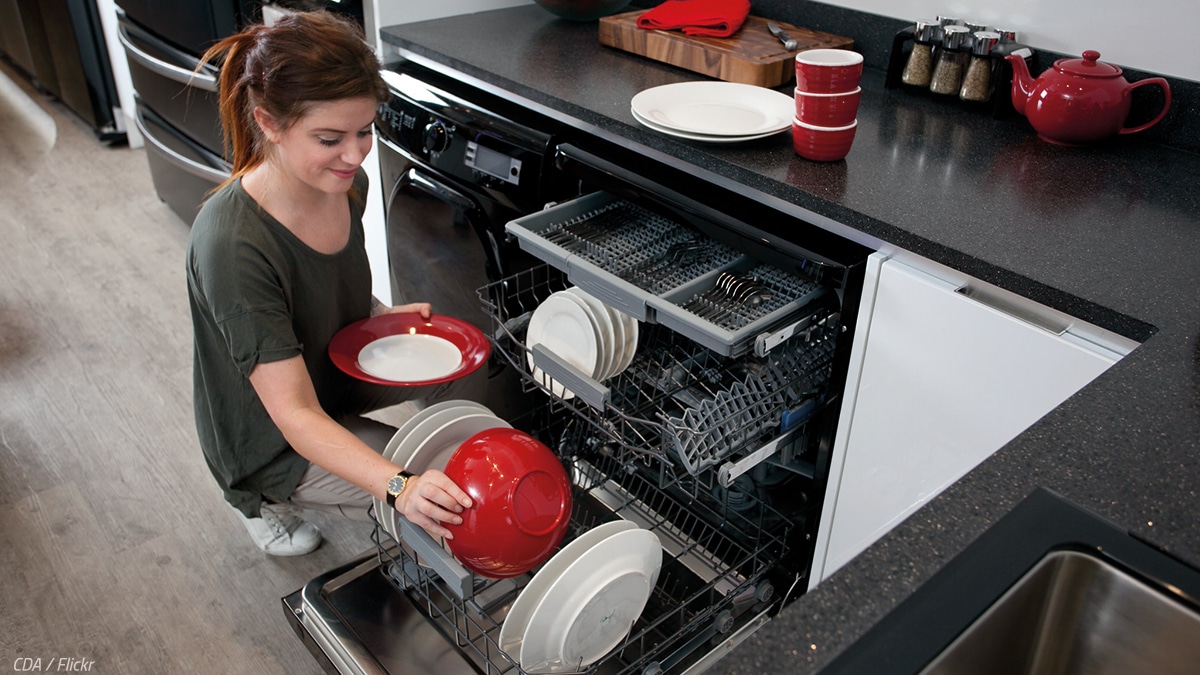
Credit: moveadvisor.com
When Should You Replace Instead Of Move?
If your dishwasher is old or has frequent problems, moving it might not be worth the work. Signs you should consider replacing:
- More than 10 years old – Most dishwashers last 9-12 years.
- Rust, leaks, or cracks in the tub or door.
- Frequent repairs needed in the last year.
- Energy inefficient compared to new models.
Newer dishwashers are often quieter, use less water and energy, and may qualify for rebates. For more details on when to upgrade, check the ENERGY STAR dishwasher guide.
Special Considerations For Different Dishwasher Types
Not all dishwashers are the same. There are a few common types, and each has its own challenges.
Built-in Dishwashers
Most common in homes. These are usually installed under the countertop and may be hardwired.
- Tip: Check for hidden screws at the sides or back before pulling out.
Portable Dishwashers
These are on wheels and connect to the sink. Easier to move, but still heavy.
- Tip: Remove any water in the tank before moving. Lock the wheels.
Drawer Dishwashers
Smaller, often have two separate drawers.
- Tip: Disconnect both drawers completely, label connections, and handle with care to avoid damaging rails.
Integrated Dishwashers
These have cabinet fronts for a seamless look.
- Tip: Remove the cabinet panel first to avoid breaking or scratching it.
Hidden Insight: Some newer dishwashers have anti-flood devices or extra sensors that may need resetting after a move. Check your manual for instructions.
Environmental Tips: Recycle Or Dispose Responsibly
If you decide not to keep your old dishwasher, don’t just throw it away.
- Donate if it still works. Many charities accept working appliances.
- Recycle at a local appliance recycler. Many parts are reusable.
- Contact your city for bulk trash or hazardous waste collection.
Old dishwashers contain metal, electronics, and sometimes chemicals. Disposing responsibly protects the environment and may even get you a small rebate.
Frequently Asked Questions
How Heavy Is A Typical Dishwasher?
Most standard dishwashers weigh between 50 and 150 pounds. Portable models may weigh a little more due to extra components. Always check your model’s specs before lifting.
Can I Move A Dishwasher By Myself?
It’s possible but not recommended. Dishwashers are heavy and awkward, and you risk injury or damage. Always ask a friend or family member for help, especially when lifting or navigating stairs.
Do I Need A Plumber Or Electrician To Move A Dishwasher?
You usually don’t need a professional for a simple move if you’re comfortable with basic plumbing and wiring. However, if your dishwasher is hardwired, or if you see damaged wires or leaks, calling a licensed plumber or electrician is a safer choice.
Is It Safe To Lay A Dishwasher On Its Side During Transport?
No. Always transport a dishwasher upright. Laying it on its side or back can cause water or oil to leak into the motor, which may damage internal parts and void your warranty.
What Should I Do If My Dishwasher Leaks After Moving?
First, turn off the power and water supply. Check all hose connections for tightness and inspect hoses for cracks. If you can’t stop the leak, call a professional to avoid water damage or electrical hazards.
Moving a dishwasher is a project you can tackle with the right tools, a bit of planning, and some help. By following these steps, you’ll protect your appliance, your kitchen, and your safety. With patience and attention to detail, your dishwasher will be running smoothly in its new home in no time.