
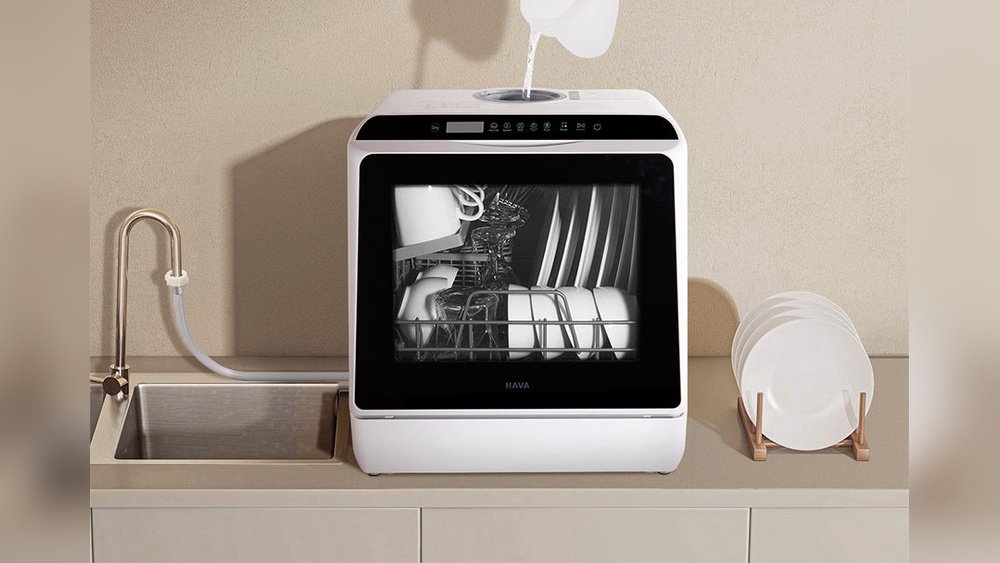
Many people today live in small apartments or homes with limited kitchen space. Washing dishes by hand can take a lot of time and energy, especially if you cook often. A countertop dishwasher is a simple solution. It is compact, easy to use, and can fit on most kitchen counters.
But many buyers worry about setting one up. The good news is, you do not need plumbing experience or special tools to install a countertop dishwasher. With some basic steps, almost anyone can do it.
This guide will show you how to install a countertop dishwasher, step by step. It covers everything: choosing the right spot, connecting water lines, draining, and even tips for keeping your machine working well. You will also learn what mistakes to avoid, and find answers to common questions. Whether you are a student, a renter, or just want a faster way to wash dishes, this article has everything you need to get started.
What Is A Countertop Dishwasher?
A countertop dishwasher is a small, portable dishwasher that sits on your kitchen counter. Unlike built-in dishwashers, it does not require permanent installation. Most models connect directly to your kitchen faucet and drain into the sink. They are designed for small loads, usually holding four to six place settings.
Some models have a built-in water tank, so you can fill them manually if you do not want to connect to the faucet. This makes them a great choice for places without standard plumbing, like dorm rooms or RVs.
Why Choose A Countertop Dishwasher?
There are many reasons why people buy a countertop dishwasher:
- Space-saving: Perfect for small kitchens where a full-size dishwasher will not fit.
- Easy setup: No need for permanent plumbing changes.
- Affordable: Usually costs less than built-in models.
- Portable: Move it when you move homes.
- Water-efficient: Uses less water than washing by hand.
- Time-saving: Cleans dishes while you do other things.
If you are tired of washing dishes or want to save water, a countertop dishwasher is a smart investment.
What You Need Before Installation
Before you start, gather these items:
- Countertop dishwasher: Make sure it fits your space.
- Sink with faucet: Most models need a standard faucet.
- Power outlet: The cord must reach from the dishwasher to the outlet.
- Adapter: Some faucets may need a simple adapter.
- Measuring tape: For checking space.
- Bucket or bowl: If using a water tank model.
- Clean cloth: To wipe any spills.
Check that your package includes all the hoses and connectors. Most brands include these, but double-check to avoid delays.
Step 1: Choose The Right Location
Finding the right spot is important for both safety and convenience. Here are key points to consider:
- Near the sink: The dishwasher needs to connect to your faucet and drain into the sink.
- Flat, stable surface: The machine should not wobble.
- Enough space: Leave space behind for hoses, and above to open the door fully.
- Safe power source: The outlet should be easy to reach and not overloaded.
Measure your counter and compare it to the dishwasher’s size. Do not forget to leave some room for hoses at the back.
Example
If your countertop is 24 inches deep, and the dishwasher is 20 inches deep, you have 4 inches for hoses. Most machines are about 18 inches wide and 17 inches tall, so check for cabinets above.
Step 2: Prepare Your Sink And Faucet
Most countertop dishwashers connect to the kitchen faucet. Here’s how to check if yours will work:
- Standard faucet: Most machines come with a connector for round, threaded faucets.
- Spray or pull-out faucets: These often need an adapter. You can buy these at hardware stores.
- Check for threads: Unscrew the end of your faucet. If you see threads, you are ready. If not, buy an adapter.
Wipe the faucet area clean before connecting anything. This helps prevent leaks.
Common Mistake
Some people forget to check the faucet type before buying. If your faucet cannot be adapted, look for a dishwasher model with a built-in water tank.
Step 3: Connect The Water Inlet Hose
Now it’s time to connect the dishwasher to your faucet.
- Attach the faucet adapter: If needed, screw the adapter onto your faucet.
- Connect the inlet hose: One end goes to your dishwasher, the other to the adapter.
- Hand tighten: Do not use tools, which can crack the fittings.
- Secure the clamp: Some hoses have a small clamp to prevent leaks.
Make sure the hose is not twisted or bent. Water should flow freely.
Pro Tip
Run the faucet for a few seconds before connecting the hose. This removes any dirt or debris that could clog the dishwasher.
Step 4: Attach The Drain Hose
The drain hose sends dirty water into your sink. Follow these steps:
- Find the drain hose: It usually comes attached to the dishwasher.
- Place the end in the sink: Use the plastic hook (included) to hang the hose over the edge.
- Secure with tape if needed: This prevents the hose from slipping out during use.
Never block or pinch the drain hose. If water cannot flow out, your dishwasher will not work properly.
Important Detail
Do not let the drain hose hang too high. Most brands recommend keeping the hose end below the machine’s top. This prevents backflow and leaks.
Step 5: Plug In The Dishwasher
Plug the power cord into a nearby grounded outlet. Never use an extension cord or power strip. These can overheat and are not safe for appliances that use a lot of energy.
If your outlet is old or loose, replace it before using your dishwasher.
Step 6: Fill The Dishwasher (for Tank Models)
Some countertop dishwashers have a built-in water tank. If yours does, you do not need to connect to the faucet. Instead:
- Open the water tank lid: Usually on top or at the side.
- Pour in clean water: Use a jug or pitcher. Fill up to the maximum line.
- Check the manual: Some brands need distilled or filtered water.
Tank models are great for RVs, studios, or places without a standard faucet.
Hidden Insight
If you use hard water, minerals can build up inside your dishwasher. Tank models let you use filtered water, which keeps the machine cleaner for longer.
Step 7: Load Your Dishes
How you load your dishes affects how well they get clean. Follow these tips:
- Scrape off food: Remove large bits of food first.
- Do not stack: Place dishes so water can reach every surface.
- Bowls and cups: Face them downward.
- Utensils: Mix knives, forks, and spoons for better washing.
Most countertop dishwashers hold 2–6 place settings. Do not overload. It is better to run two small loads than one crowded load.

Credit: www.youtube.com
Step 8: Add Detergent
Use dishwasher detergent, not regular dish soap. Powder, pods, or gel all work, but check your manual for best results.
- Fill the dispenser: Use the amount the brand suggests. Too much can cause extra suds and leaks.
- No detergent? In a pinch, you can use baking soda, but it will not clean as well.
Common Mistake
Never use hand dish soap. It makes too many bubbles and can damage your machine.
Step 9: Run A Test Cycle
Before washing your first real load, run a short cycle with the dishwasher empty.
- Check for leaks: Watch the hoses and faucet connections.
- Listen for odd noises: A rattling or loud hum may mean a hose is blocked.
- Make adjustments: Tighten any loose connections.
If all is well, you are ready to wash dishes.
Step 10: Wash Your Dishes
Now you can use your countertop dishwasher like any other appliance.
- Load dishes and add detergent.
- Select the wash cycle: Most models have normal, heavy, and quick settings.
- Press start.
- Wait for the cycle to finish.
When done, let dishes cool before unloading. Hot dishes can break if handled too soon.
Step 11: Clean Up After Use
After each cycle:
- Unplug the dishwasher.
- Disconnect the hose: If you need the sink for other things.
- Wipe the area: Clean up any water.
- Leave the door open: This helps dry the inside and prevent smells.
If you use the dishwasher often, you can leave it connected. Just check the hoses for wear every few weeks.
Comparing Countertop Dishwasher Models
Choosing the right model can be hard. Here is a simple comparison of key features:
| Feature | Tank Model | Faucet Model |
|---|---|---|
| Water source | Manual fill | Connects to faucet |
| Setup time | Very quick | Quick, may need adapter |
| Best for | RVs, studios | Kitchens with standard faucet |
| Price | Usually higher | Usually lower |
Maintenance Tips For Long-lasting Performance
A countertop dishwasher can last years if you take care of it. Here are important steps:
- Clean the filter: Remove and rinse the filter every week. Food bits can block it.
- Descale the machine: If you have hard water, run a cycle with vinegar every month.
- Check hoses: Inspect for cracks or leaks.
- Wipe the seals: Use a damp cloth to clean the door seals.
- Leave the door open: After each cycle, let the inside dry.
Ignoring these tasks can lead to bad smells, poor cleaning, or even leaks.
Less-known Advice
Many people forget to clean the spray arms. Gently remove them once a month and rinse under the tap. This keeps water flowing freely.
Troubleshooting Common Issues
Even the best machines can have problems. Here’s how to fix the most common ones:
Dishwasher Won’t Start
- Check power: Is it plugged in? Is the outlet working?
- Door closed: The door must be fully shut.
- Water source: Make sure the faucet is open or the tank is filled.
Water Leaks
- Hose connections: Tighten both ends.
- Drain hose position: Make sure it is secure in the sink.
- Too much detergent: Use only the recommended amount.
Dishes Not Clean
- Overloading: Too many dishes block water flow.
- Wrong detergent: Use only dishwasher detergent.
- Blocked spray arms: Clean them regularly.
Bad Smells
- Clean the filter: Food can rot inside.
- Run a hot cycle: Add vinegar to clean the inside.
Machine Stops Mid-cycle
- Loss of power: Check the outlet.
- Low water: Tank may be empty.
Example Problem
If you find water pooling under the machine, check the door seal for damage and make sure the dishwasher is level.
Countertop Dishwasher Vs. Built-in Dishwasher
You may wonder how a countertop dishwasher compares to a standard built-in model. Here is a side-by-side look:
| Feature | Countertop | Built-in |
|---|---|---|
| Size | Small (fits on counter) | Large (under counter) |
| Capacity | 2–6 place settings | 12–16 place settings |
| Water use | 2–3 gallons per load | 4–6 gallons per load |
| Setup | Portable, no plumbing | Permanent, needs plumbing |
| Price | $250–$500 | $400–$1200 |
Energy And Water Savings
Countertop dishwashers are designed to use less water and energy than washing by hand or using a full-size machine. On average:
- Water use: Around 2 gallons per cycle (compared to 20 gallons for hand washing a sink full).
- Electric use: Around 0.35 kWh per cycle.
- Estimated cost: About $30 per year in electricity for regular use.
This makes them a smart choice for eco-friendly homes. For more data, see the official ENERGY STAR dishwasher page.
Safety Tips When Installing A Countertop Dishwasher
Appliances that use water and electricity can be dangerous if not used correctly. Always follow these safety rules:
- Do not plug in with wet hands.
- Keep cords away from water.
- Never use damaged hoses or cables.
- Disconnect power before cleaning inside.
- Do not let children operate the machine alone.
If you notice a burning smell or sparks, unplug the machine immediately and call a technician.

Credit: www.youtube.com
Hidden Insights Most People Miss
- Dishwasher-safe labels: Not all dishes are safe for dishwashers. Avoid washing wood, cast iron, or aluminum in your machine. These can warp, rust, or discolor.
- Pre-rinse smartly: You do not need to rinse dishes perfectly clean. Just remove large food bits. Dishwasher detergent works better with a little residue.
- Use a surge protector: If your kitchen has power surges, a surge protector can save your dishwasher from damage.
- Check water temperature: Most dishwashers work best with hot water (120°F or higher). Run the sink tap until hot before starting.
- Run empty cycles: Once a month, run a hot cycle with no dishes and a cup of vinegar. This keeps the inside fresh.
What To Do If Your Faucet Is Not Compatible
Some modern faucets (like touch or pull-out models) do not work with standard adapters. Here are your options:
- Buy a tank model: These do not need the faucet.
- Change the faucet: Swap for a standard, threaded faucet.
- Add a separate tap: Install a small, dedicated cold water tap for the dishwasher.
- Ask your landlord: If you rent, check before changing anything.
In most cases, a tank model is the easiest solution.
Real-world Example: Apartment Living
Anna lives in a small city apartment with no dishwasher hookup. She buys a countertop model with a built-in water tank. Installation takes 20 minutes: she places it near the sink, fills the tank with a jug, and hangs the drain hose in the sink. Anna saves 30 minutes a day, and her water bill goes down. She says the hardest part is remembering to clean the filter every week.
How To Move Or Store A Countertop Dishwasher
If you need to move or store your dishwasher:
- Unplug and disconnect hoses.
- Drain all water: Tip the machine to empty any inside.
- Wipe dry: Prevents mold and smells.
- Store upright: Do not place heavy items on top.
- Keep hoses and adapters together: Put them in a bag taped to the machine.
This makes moving easy, whether you are changing homes or just rearranging the kitchen.
How To Make Your Countertop Dishwasher Last Longer
Most countertop dishwashers last 5–7 years with good care. Here’s how to reach the high end of that range:
- Use the correct detergent: Cheap or wrong detergents can damage seals.
- Do not overload: Small loads clean better and keep the motor from overworking.
- Clean regularly: A few minutes each week prevents big problems later.
- Follow the manual: Every model is a bit different.
If you hear odd noises, see leaks, or notice poor washing, fix the problem early. Small repairs are cheaper than buying a new machine.
Environmental Impact
Using a countertop dishwasher can cut your water use by up to 80% compared to hand-washing. It also uses less soap and energy. Choose eco cycles when possible, and only run full loads.
Some brands even offer recyclable materials or parts. If you upgrade, recycle your old machine at an electronics recycling center.
Cost Breakdown: Countertop Dishwasher Ownership
Here is what you can expect to pay over a year:
| Item | Yearly Cost |
|---|---|
| Detergent | $30–$50 |
| Electricity | $20–$40 |
| Water | $10–$20 |
| Replacement hoses | $10 (every 2–3 years) |
The main cost is buying the machine ($250–$500), but the yearly running cost is low.
Frequently Asked Questions
How Do I Know If My Faucet Is Compatible With A Countertop Dishwasher?
Most countertop dishwashers need a standard, threaded faucet. Unscrew the aerator at the tip of your faucet. If you see threads, your faucet is likely compatible. If not, you may need an adapter, or you can choose a model with a built-in water tank.
Can I Leave My Countertop Dishwasher Connected All The Time?
Yes, you can leave it connected if you have space and use it often. Make sure the hoses do not block your sink, and check for leaks regularly. If you need to use the faucet for other things, disconnect the hoses after each use.
What Kind Of Detergent Should I Use In A Countertop Dishwasher?
Use only dishwasher detergent (powder, pod, or gel). Do not use hand soap, as it makes too many bubbles and can damage your machine. Check your manual for the recommended brand or type.
How Do I Clean And Maintain My Countertop Dishwasher?
Clean the filter weekly, wipe the seals, and run a cycle with vinegar once a month to remove limescale. Check hoses for wear, and always let the inside dry after use by leaving the door open a few inches.
Is A Countertop Dishwasher Worth It For A Single Person Or Couple?
For singles or couples, a countertop dishwasher can save time, water, and effort. It is ideal for small kitchens or rentals. The small size is perfect for light daily loads, and the running cost is low compared to full-size machines.
Installing a countertop dishwasher is not difficult if you follow each step carefully. Choose the right model for your kitchen, check your faucet, and follow the setup instructions. With simple weekly cleaning and smart use, your dishwasher will give you clean dishes for years—saving time, water, and energy.
With these tips, you can enjoy the benefits of modern dishwashing, no matter how small your space.

Credit: havalab.com