
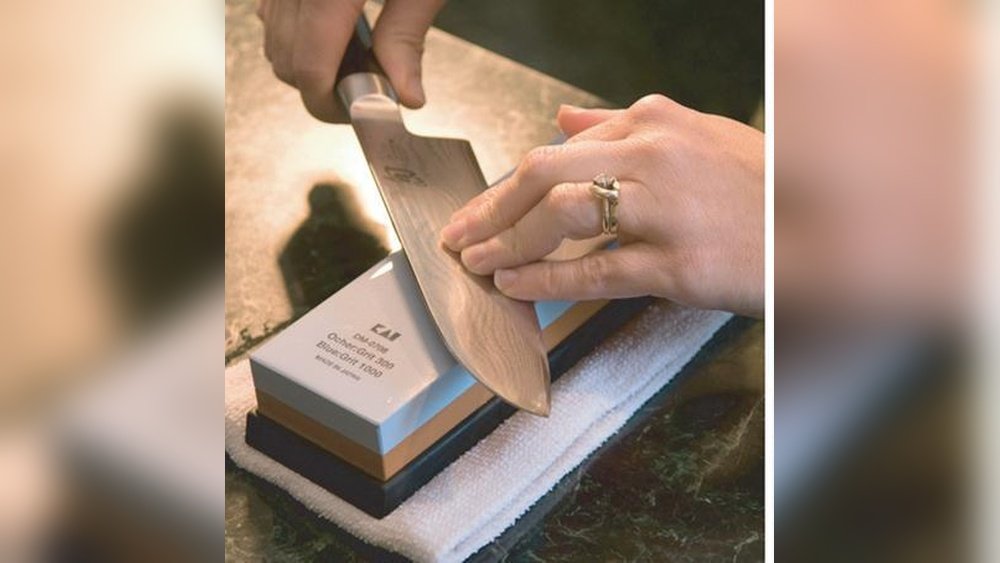
Sharpening a Shun knife is not just a regular kitchen task—it’s a craft. Shun knives are famous for their incredible sharpness, beauty, and long-lasting edge. But to keep them performing at their best, you need to understand the right way to sharpen them. Many people think sharpening is simple, but with high-quality Japanese knives like Shun, using the wrong technique can ruin the blade or shorten its life. Learning how to sharpen these knives not only protects your investment but also makes cooking easier, safer, and more enjoyable.
This guide explains, in clear steps, how to sharpen Shun knives. You will learn about the unique features of Shun blades, the different sharpening tools available, and how to use them properly. Whether you are new to sharpening or you have some experience, this article provides practical tips and expert insights you won’t find in most beginner guides.
We’ll also discuss how often you should sharpen your knife, how to fix common mistakes, and how to maintain your knife after sharpening. By the end, you’ll be confident you can keep your Shun knife as sharp as the day you bought it.
Understanding Shun Knives
Before you start sharpening, it’s important to know what makes a Shun knife different. Shun knives are Japanese-style kitchen knives made in Seki City, Japan—a city with over 700 years of blade-making history. The blades are usually made from VG-MAX steel or similar high-carbon stainless steels, and they often have a very hard edge (typically around 60-61 on the Rockwell scale).
This means:
- Shun knives have a thin, razor-sharp edge that’s more delicate than Western knives.
- They are sharpened at a 16-degree angle per side, compared to 20-22 degrees for most Western knives.
- The layered Damascus steel pattern is not just for beauty; it adds some toughness and stain resistance.
Because of these features, using the wrong sharpening method can easily damage or dull the blade.
Another detail to understand is that Shun knives are designed for precision slicing, not for heavy-duty tasks like chopping bones or frozen food. The thinness of the edge allows for extremely clean cuts, but it also means the blade can chip if used incorrectly.
Many users are surprised to find that even simple mistakes, like twisting the blade when cutting or using a poor-quality cutting board, can quickly dull or damage a Shun knife.
Also, the unique metallurgy of VG-MAX steel means that Shun knives can hold a sharp edge for a long time, but they are less forgiving of sharpening errors. If you use too rough a stone or press too hard, you could remove too much metal or scratch the beautiful finish.
That’s why it’s worth spending a bit of time to learn the right sharpening technique for these special knives.
Tools For Sharpening Shun Knives
Choosing the right tool is essential. Here are the main options:
1. Whetstones
Whetstones (also called water stones) are the best method for sharpening Shun knives. They allow you to control the angle, pressure, and finish. Shun recommends using whetstones for all their knives.
Key whetstone grits:
- 1000 grit: Good for restoring a dull edge.
- 3000-6000 grit: For refining the edge and making it razor-sharp.
- 8000+ grit: For polishing and ultra-fine finishing.
Some whetstones are “combination stones,” with a coarse side and a fine side. This makes them convenient for most sharpening jobs. If your knife is extremely dull, you might want to start with a 400–600 grit stone to quickly reshape the edge, but always finish with finer grits to avoid a rough edge.
A tip that many beginners miss: Always keep your whetstone flat. Even a slightly uneven stone will produce a wavy edge that doesn’t cut smoothly. Flatten your stone regularly with a lapping plate or a special flattening stone.
2. Honing Rods
A ceramic honing rod is useful for daily or weekly maintenance. Honing does not remove much metal but realigns the edge.
Ceramic rods are harder than steel and won’t damage the fine edge of a Shun knife. They also help maintain sharpness between full sharpening sessions. Remember, honing is not the same as sharpening—it keeps the edge aligned but doesn’t actually make a dull knife sharp again.
3. Professional Sharpening Services
For those who don’t want to sharpen themselves, sending your knife to a professional is safe. But you should choose someone familiar with Japanese blades and the correct angle.
Some kitchen supply stores and specialty knife shops offer this service. Always ask if the sharpener is experienced with Japanese knives, as the wrong angle or too much pressure can ruin your blade. Professional sharpening can be a good choice for busy cooks or anyone who feels unsure about using a whetstone.
4. Pull-through Sharpeners
Most experts do not recommend pull-through sharpeners for Shun knives. They can grind away too much metal and don’t maintain the 16-degree angle. Only use Shun-branded pull-through sharpeners if you must.
Even the best pull-through sharpeners can leave a rough edge, and repeated use will shorten the life of your knife. If you choose to use one, do so only for quick touch-ups and not as your main sharpening method.
5. Electric Sharpeners
Avoid electric sharpeners unless specifically made for Japanese knives. They are usually too aggressive.
Electric sharpeners work quickly, but they often remove more steel than necessary and can heat up the blade, which may affect the temper of the steel. For high-quality knives like Shun, it’s best to stick to manual methods.
Comparison: Sharpening Tools For Shun Knives
Here’s a quick overview of the main sharpening options for Shun knives:
| Tool | Precision | Ease of Use | Edge Quality | Recommended? |
|---|---|---|---|---|
| Whetstone | High | Medium | Excellent | Yes |
| Ceramic Honing Rod | Medium | Easy | Good (for maintenance) | Yes |
| Professional Service | High | Easy | Excellent | Yes |
| Pull-Through Sharpener | Low | Very Easy | Poor | Not Recommended |
| Electric Sharpener | Low | Very Easy | Poor | Not Recommended |

Credit: shun.kaiusa.com
Step-by-step: How To Sharpen Shun Knives With A Whetstone
Using a whetstone is the gold standard for sharpening Shun knives. Follow these steps for best results.
1. Gather Your Supplies
You’ll need:
- A Shun knife
- Whetstone (1000/6000 grit is ideal)
- A whetstone holder or damp towel for stability
- Bowl of water
- Soft cloth or towel
It also helps to have a small spray bottle to keep the stone wet during sharpening, and a marker if you want to check your sharpening angle.
2. Soak The Whetstone
Most water stones must be soaked for 10–15 minutes before use. This prevents the stone from drying out and helps create a slurry for sharpening.
If you hear a bubbling sound while soaking, it means air is escaping from the pores—this is normal. Some synthetic stones don’t need soaking, only a splash of water, so always check the manufacturer’s instructions.
3. Position The Whetstone
Place the stone on a non-slip surface, such as a rubber holder or a damp towel. This keeps it steady while you sharpen.
Stability is important for safety and for keeping a consistent angle. If the stone moves during sharpening, you can easily make mistakes or even cut yourself.
4. Find The Correct Angle
Shun knives need a 16-degree angle on each side. Beginners can use a plastic angle guide, but you can also use the “coin trick”: stack two U.S. quarters and rest the blade’s spine on top of them, keeping the edge flat on the stone.
Keeping the right angle is the hardest part for many beginners. Practicing on an old knife can help you build muscle memory before you try it on your Shun.
5. Sharpen The First Side
Hold the knife firmly, with your fingertips pressing the blade gently against the stone.
- Start at the heel (back) of the knife.
- Draw the blade down and across the stone in a sweeping motion, as if you are trying to slice a thin layer off the stone.
- Cover the entire edge from heel to tip.
- Repeat this motion 10–15 times, or until you feel a burr (a slight roughness) along the edge.
Try to use the whole length of the stone so it wears evenly. The burr shows that you’ve raised a new edge on the knife. It can be very subtle, so use your thumb gently to feel for it.
6. Sharpen The Second Side
Flip the knife over and repeat the same number of strokes on the other side. Keep the angle consistent.
Consistency is key. Some people find it easier to switch hands for the other side, while others prefer to rotate the stone. Do what feels safest and most comfortable.
7. Refine The Edge
Switch to the finer grit side (e. g. , 6000 grit) to polish and refine the edge. Use the same technique, with lighter pressure.
This step smooths out the roughness left by the coarse stone and gives you a razor-sharp edge. Some cooks like to finish with an ultra-fine stone (8000 grit or higher) for a mirror polish, but this is optional.
8. Remove The Burr
After sharpening, gently drag the knife edge through a piece of soft wood (like a chopstick) or use a few light strokes on the stone to remove any remaining burr.
Removing the burr is essential for an even, long-lasting edge. If you skip this, the edge may feel sharp at first but will quickly become dull.
9. Clean And Dry
Rinse the blade under warm water and dry immediately with a soft towel. Clean your whetstone and let it dry completely before storing.
Never leave your knife wet, as moisture can lead to rust, even on high-quality steel. A clean, dry blade also prevents food contamination from leftover metal particles.
Example: Time Breakdown For Sharpening
Sharpening does not have to take all day. Here’s a realistic time estimate for each stage:
| Step | Time (minutes) |
|---|---|
| Soaking stone | 10–15 |
| Sharpening (each side) | 3–5 |
| Polishing (fine grit) | 2–3 |
| Cleaning up | 2 |
| Total | 17–25 |
Practical tip: Don’t rush the process, especially if you’re new to sharpening. Taking your time reduces the chance of mistakes and helps you develop good technique.
How To Hone Your Shun Knife
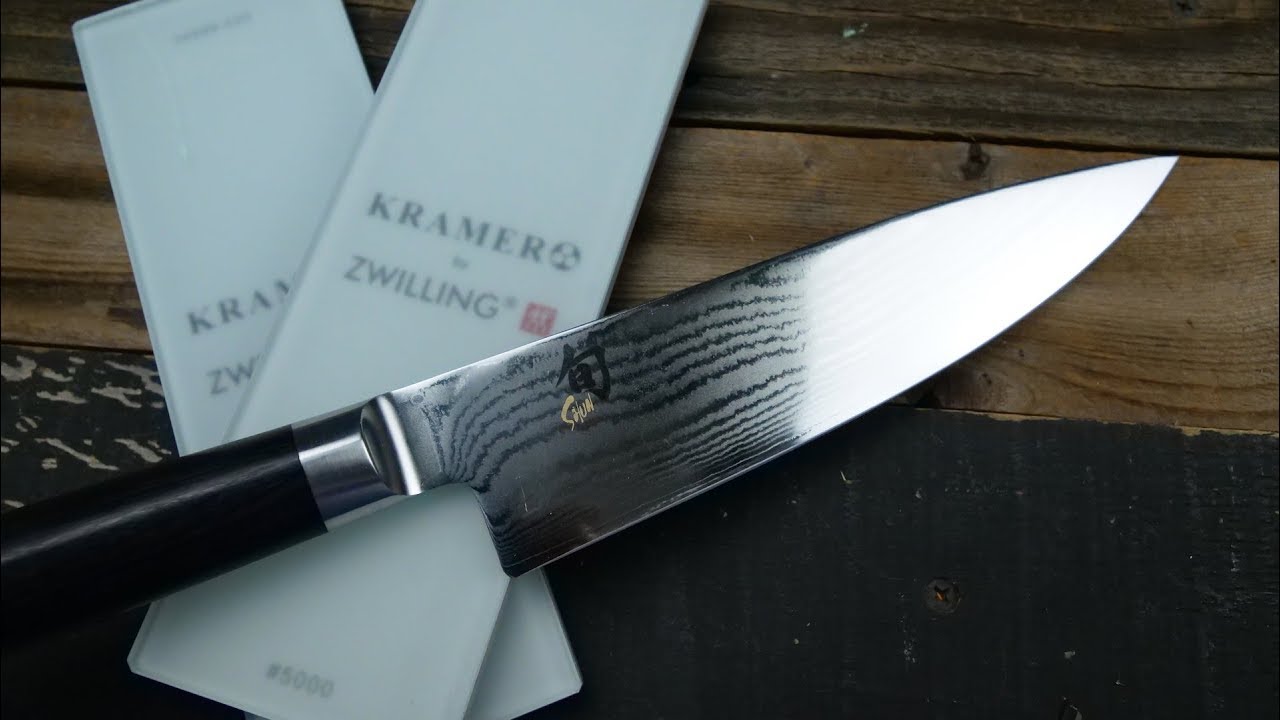
Honing is different from sharpening. It keeps the edge straight and delays the need for sharpening.
Using A Ceramic Honing Rod
- Hold the rod vertically on a non-slip surface.
- Place the knife heel against the rod at a 16-degree angle.
- Sweep the blade down and across the rod from heel to tip.
- Repeat 5–6 times per side.
- Wipe the blade with a soft towel.
When honing, use very light pressure—let the rod do the work. If you press too hard, you can roll or damage the fine edge. Many professionals use a honing rod before each cooking session to maintain peak sharpness.
Tip: Hone your Shun knife after every few uses, or once a week if you use it daily.
Another key point: If you hear a rough, grating sound when honing, your angle might be too steep or you may be using too much force. The sound should be soft and smooth.
Credit: www.youtube.com
How Often Should You Sharpen Shun Knives?
The answer depends on how often you use your knife and the cutting surfaces.
- Home cooks: Every 3–6 months with regular honing.
- Professional chefs: Every 1–2 months.
- Heavy use or tough foods: Sharpen more often.
If you notice the blade is not slicing tomatoes or onions easily, or if it slips off food, it’s time to sharpen.
Non-obvious insight: Over-sharpening can wear out the blade quickly. It’s better to hone regularly and sharpen only when necessary.
Another detail: If you only use your Shun knife for soft foods (like sushi or cooked meat), you may only need to sharpen once a year. The type of food and cutting board you use makes a big difference in edge life.
Signs Your Shun Knife Needs Sharpening
- Struggles to slice tomatoes or soft bread.
- Needs extra pressure to cut through vegetables.
- Makes a squashing, not slicing, sound.
- Blade slips off food instead of biting in.
- You feel or see small nicks on the edge.
If any of these happen, your knife is likely dull.
For the most accurate test, try gently slicing a sheet of paper. A sharp Shun knife should cut smoothly without snagging. If it tears or refuses to cut, it’s time to sharpen.
Common Mistakes When Sharpening Shun Knives
Many people make errors that can ruin a high-quality blade like a Shun. Here’s what to avoid:
1. Using The Wrong Angle
Sharpening at 20–22 degrees (the Western standard) will make your Shun knife dull and thick. Always use the correct 16-degree angle.
2. Using A Steel Honing Rod
Western steel rods are too rough for Shun knives. Use only a ceramic honing rod or a Shun-branded rod.
3. Skipping The Burr Check
If you don’t check for a burr, you may not sharpen both sides evenly. Always feel for the burr before switching sides.
4. Not Soaking The Stone
A dry whetstone can scratch your blade or chip the edge.
5. Applying Too Much Pressure
Let the stone do the work. Heavy pressure can cause uneven edges or even break the fine tip.
6. Using Electric Or Pull-through Sharpeners
These tools remove too much metal, ruin the edge, and can void your Shun warranty.
7. Not Cleaning The Knife After Sharpening
Metal filings left on the blade can get into food.
Non-obvious insight: Many people forget to flatten their whetstone after several uses. A warped stone makes it impossible to get a straight edge.
Another common mistake: Not checking the entire edge after sharpening. Sometimes, the tip or heel remains dull because it’s harder to sharpen those areas evenly. Always inspect the full length of the blade under a bright light.
How To Maintain Shun Knives After Sharpening
Proper care keeps your knife sharp longer and prevents rust or chips.
1. Wash By Hand
Use gentle dish soap and warm water. Never put Shun knives in the dishwasher.
Dishwasher detergents are abrasive and can damage both the edge and the handle. The strong water jets can also knock the blade against other items, causing chips.
2. Dry Immediately
Moisture can cause rust, even on stainless steel.
After washing, use a soft towel to dry the knife completely. Don’t air-dry, as water spots can form and lead to rust over time.
3. Store Safely
Keep your knife in a wooden block, magnetic strip, or a knife sheath. Avoid tossing it in a drawer.
Loose knives can collide with other utensils and quickly lose their edge or suffer chips. Magnetic strips are a good choice, but make sure the strip is smooth so it doesn’t scratch the blade.
4. Cut On The Right Surface
Always use a wood or plastic cutting board. Hard surfaces like glass, stone, or metal will dull your knife quickly.
If you need to cut something hard, like squash or pumpkin, use a thicker, more robust knife and save your Shun for precision work.
5. Hone Regularly
Honing helps keep the edge aligned and sharp between sharpenings.
Comparison: Cutting Board Materials And Knife Edge Life
| Cutting Board Material | Effect on Knife Edge | Recommended? |
|---|---|---|
| Wood | Gentle | Yes |
| Plastic | Gentle | Yes |
| Bamboo | Medium | Sometimes |
| Glass | Harsh | No |
| Stone | Very Harsh | No |
| Metal | Very Harsh | No |
Extra maintenance tip: If you want to protect the beautiful Damascus pattern, avoid abrasive cleaning pads. Use only soft sponges and never scour the blade.
Advanced Tips For Sharpening Shun Knives
1. Use Progression Of Stones
Start with a coarse stone if your knife is very dull, then move to medium and fine stones. This gives the smoothest, longest-lasting edge.
2. Practice Consistent Motion
Try to make each stroke the same as the last. Consistency is more important than speed.
3. Mark The Edge With A Marker
Color the knife edge with a black marker. As you sharpen, you’ll see where you’re removing metal. This helps beginners check their angle and coverage.
4. Flatten Your Whetstone
After every 5–10 sharpening sessions, flatten your stone with a lapping plate or flattening stone. This keeps your results accurate.
5. Test Sharpness Safely
Try slicing a sheet of paper or a ripe tomato. The knife should cut cleanly without tearing.
Expert tip: If you’re not confident, ask a professional to show you the first time. Watching in person can help you understand the feel and motion better than any video or article.
Another pro tip: Always sharpen with good lighting and take breaks to check your progress. Tired hands make mistakes. If your stone becomes loaded with metal particles, rinse it or use a nagura stone to refresh the surface.
When To Seek Professional Sharpening
Sometimes, even with the best efforts, your knife may not feel sharp or may develop chips.
- Deep chips or dents: Don’t try to fix these yourself. Professionals can grind out damage without removing too much steel.
- Extremely dull knives: If you haven’t sharpened in years, let a pro restore the edge.
- Odd edge shape: If your blade looks wavy or uneven after sharpening, get it professionally fixed.
Look for a sharpener who is experienced with Japanese knives and understands the correct 16-degree angle.
Extra insight: Many professional sharpeners will also polish and oil the blade, which helps restore the original look and prevents rust. If you value the appearance of your Shun, professional service once a year is a good investment.
Credit: www.reddit.com
Frequently Asked Questions
How Do I Know If My Shun Knife Is Sharp Enough?
A sharp Shun knife should slice paper easily, cut tomatoes cleanly, and require little force to chop vegetables. If it squashes, tears, or slides off food, it needs sharpening.
Can I Use Oil Stones Or Diamond Stones On Shun Knives?
It’s best to use water stones. Oil stones can be too harsh and may scratch the blade. Diamond stones are okay for repairs but can remove metal too quickly for regular sharpening.
Is It Safe To Sharpen Shun Knives At Home If I’m A Beginner?
Yes, if you use a whetstone and follow the correct angle. Start slowly and practice with a less expensive knife if you’re nervous. Avoid power tools and cheap pull-through sharpeners.
How Do I Avoid Chipping The Edge While Sharpening?
Use gentle pressure, keep the angle consistent, and always finish with fine grit. Do not hit the edge against hard surfaces or twist the blade on the stone.
Where Can I Find Official Advice From Shun?
You can visit the official Shun website for detailed care and sharpening guides: Shun Knife Care.
Taking care of your Shun knife means more than just keeping it sharp—it’s about respecting the artistry and science behind every blade. With the right tools, technique, and maintenance, your Shun knife will last for decades, making every meal a pleasure to prepare.
Whether you’re a home cook or a culinary pro, mastering the art of sharpening ensures your knife always performs at its best.