
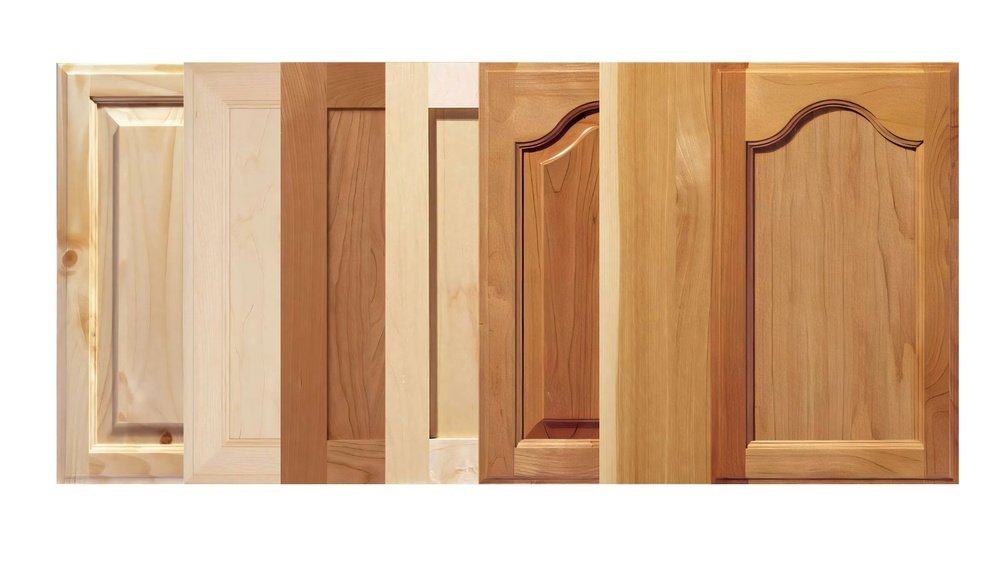
Matching cabinet doors can seem simple at first. But when you start looking closely, you notice many small details. The finish, style, size, and even the way the door opens matter. If you want your kitchen or bathroom to look its best, these details are important.
Sometimes, you may be replacing one door. Other times, you might want your whole set to look new again. The good news is that with the right steps, you can get a perfect match—even if your cabinets are old or custom made.
Many people believe that matching cabinet doors is only about color or material. In reality, it’s much more. Every home has its own style and unique challenges. Maybe your cabinets are from a brand that is no longer in business.
Maybe you want to blend new doors with older, faded ones. Or you are not sure if you should buy, repaint, or refinish. This article will guide you through everything you need to know to match cabinet doors—whether you’re a homeowner, a DIYer, or working with a contractor.
You’ll learn how to spot differences, make smart choices, and avoid common mistakes that could ruin the look of your space.
Why Matching Cabinet Doors Matters
Cabinet doors are the face of your kitchen, bathroom, or laundry room. If they don’t match, your whole room can look messy or unfinished. Consistent cabinet doors help create a sense of order and style. They can also increase the value of your home. When cabinet doors match, the space feels larger, cleaner, and more modern.
If you plan to sell your home, buyers will notice mismatched doors. It can make them wonder about the quality of the rest of your house. Even if you are not selling, having matching doors can make your daily life feel more organized and comfortable.
Understanding Cabinet Door Elements
Before you try to match cabinet doors, you need to know what makes them different or the same. Here are the main elements you should pay attention to:
1. Door Style
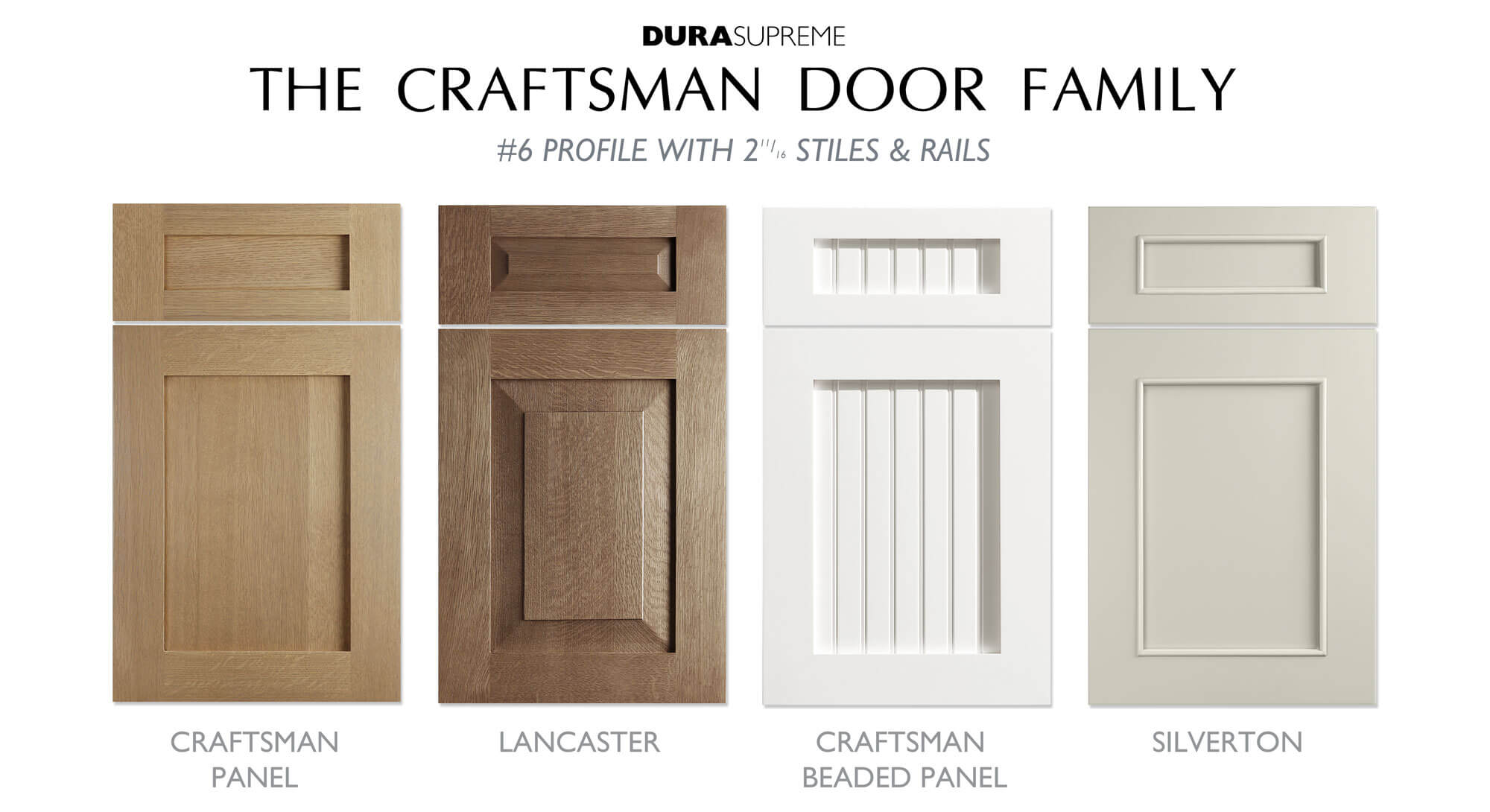
The door style is the overall design of the door. Common styles include:
- Shaker (flat center panel, square edges)
- Raised panel (panel sticks out from the frame)
- Flat/slab (completely flat, no frame)
- Cathedral (arched panel at the top)
- Beadboard (vertical lines or grooves)
Each style gives a different look. For example, Shaker is simple and modern, while Cathedral looks more classic.
2. Door Material
Most cabinet doors are made from:
- Solid wood (oak, maple, cherry, etc.)
- MDF (Medium Density Fiberboard)
- Plywood
- Laminate (plastic layer over wood or MDF)
Solid wood is strong and can be refinished, but it’s expensive. MDF and laminate are cheaper and often used for painted cabinets.
3. Finish And Color
The finish is how the door looks and feels on the surface. It can be:
- Painted
- Stained
- Natural wood
- Veneer (thin slice of real wood glued on top)
Matching finish and color is one of the hardest steps, especially if your cabinets are old and sunlight has faded them.
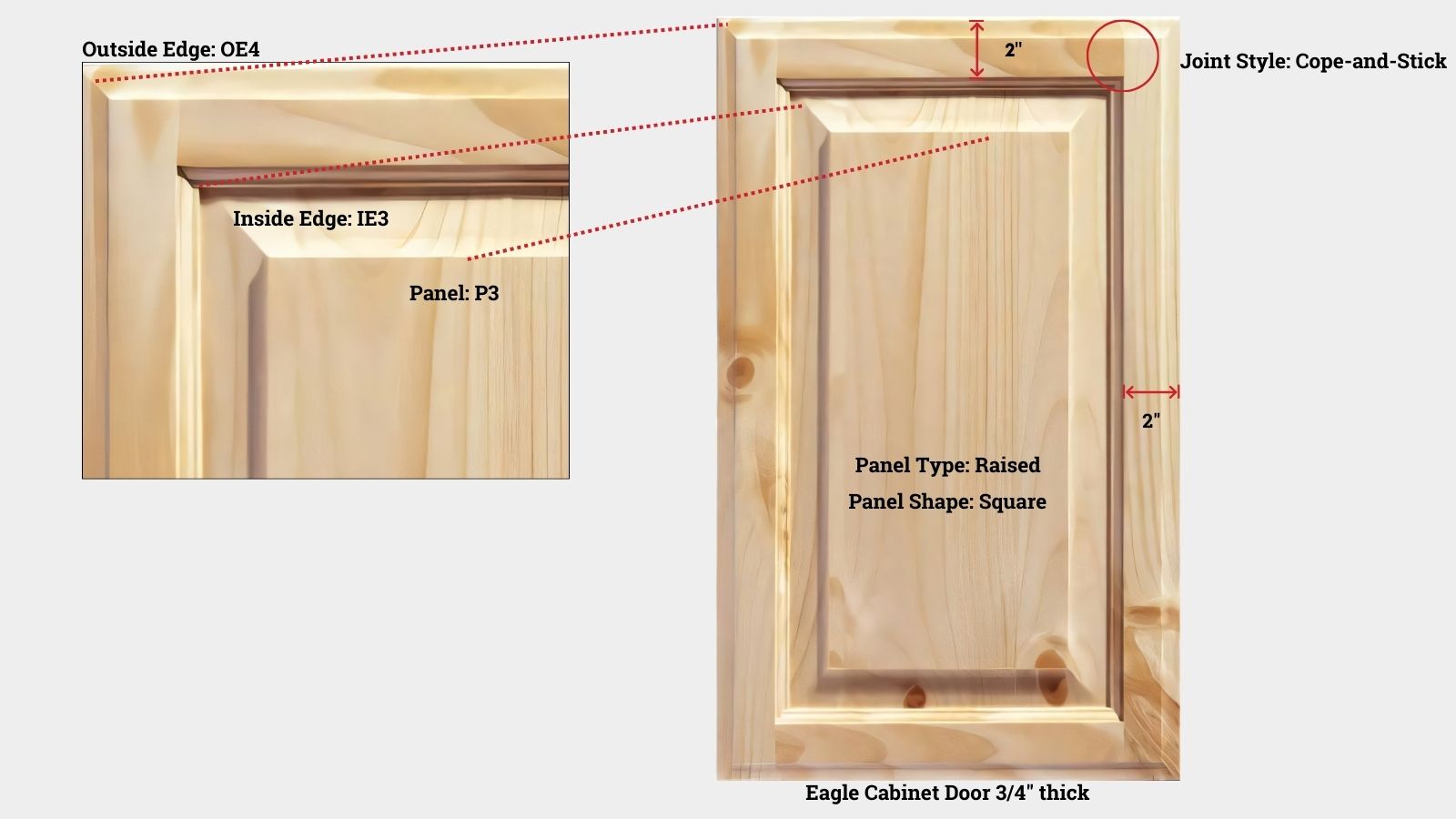
4. Door Size And Thickness
Cabinet doors come in many sizes. The width, height, and thickness must match, or your doors will look uneven. Most common thicknesses are 3/4 inch (19 mm), but always measure carefully.
5. Door Edge Profile
The edge profile is the shape of the door’s edge. Some are sharp and square, others are rounded or have special designs. Look closely at your doors—this small detail can make a big difference.
6. Hinge Type And Placement
Not all hinges are the same. Some are concealed (hidden), others are exposed. The way the door is attached—overlay or inset—also matters. If you buy the wrong type, your door may not close properly.
7. Handle And Knob Placement
Even the position of handles or knobs can stand out if they don’t match. Measure where the holes are drilled on your old doors.
How To Identify Your Existing Cabinet Door Details
Before you can match a new door, you need to know exactly what you have. Here’s how to do it:
- Take Clear Photos: Shoot from several angles, including close-ups of edges and hardware.
- Measure Everything: Use a tape measure for height, width, and thickness. Write down the numbers.
- Check the Back: Sometimes, manufacturer names or codes are printed on the back.
- Look for Patterns: Are there grooves, arches, or special designs?
- Note the Finish: Is it shiny, matte, or textured? Is the color even, or does it fade in places?
- Check the Hinges: Are they inside the cabinet (concealed) or outside (exposed)? Where are the screws?
- Feel the Surface: Run your hand over the door. Is it smooth, rough, or bumpy?
These details will help you find or order a door that matches closely.
Choosing The Right Replacement Option
Once you know your door details, you have a few options for matching:
1. Buy A Ready-made Door
Many hardware stores and online shops sell cabinet doors. This is easiest if your style is common (like Shaker or flat panel). You may be able to find a close match in both size and style.
2. Order A Custom Door
If your doors are unique, you can order a custom door from a wood shop or cabinet maker. You’ll need to provide your measurements, photos, and details. This costs more, but the match will be better.
3. Refinish Or Paint All Doors
If you can’t find an exact match, consider refinishing or painting all the doors. This way, even if the new door is a little different, the color and finish will be the same.
4. Use A Professional Matching Service
Some companies specialize in matching old cabinet doors. They may send a technician to your house to get exact samples and measurements.
5. Diy Door Building
If you have woodworking skills, you can build a new door yourself. Use the same materials and copy the style and finish.
Step-by-step Guide To Matching Cabinet Doors
Now, let’s go step by step through the process.
Step 1: Document Your Existing Doors
- Photograph your cabinet doors in good light.
- Measure all dimensions: Height, width, thickness, and distance from edge to handle.
- Note any unique features (grooves, arches, patterns).
Step 2: Find Or Order Matching Doors
- Visit hardware stores with your photos and measurements.
- Search online for cabinet door suppliers.
- If no match is found, contact a cabinet maker for a custom door.
Step 3: Match The Finish
- If your doors are painted, buy the same brand and color code.
- For stained or natural wood, bring a door to the paint store. They can help you find a matching stain.
- Test the color on a small piece of wood before finishing the whole door.
Step 4: Check Hinge And Hardware Compatibility
- Make sure new doors have the same hinge type and hole positions.
- If not, you may need to drill new holes or buy new hinges.
Step 5: Install The New Door
- Attach hinges and handles.
- Hang the new door and check alignment with the others.
- Make small adjustments as needed (tighten screws, adjust hinges).
Step 6: Final Touches
- Check for color differences in different lighting.
- If the finish is not perfect, consider lightly sanding and repainting.
- Clean all doors so they shine and look new.
Common Mistakes And How To Avoid Them
Many people make errors when trying to match cabinet doors. Here are some to watch out for:
- Guessing the Color: Never guess the paint or stain. Always test first.
- Ignoring Edge Profile: Even if the front looks the same, a different edge will stand out.
- Wrong Measurements: Double-check all measurements. A door that is off by even 1/8 inch can look bad.
- Mismatch in Thickness: Different thicknesses can cause gaps or make doors stick out.
- Different Materials: Mixing wood and MDF can lead to problems with paint or stain.
- Skipping the Hardware Check: Holes for handles and hinges must line up.
- Not Considering Sun Fade: Old doors may be faded by sunlight. New paint or stain can look brighter—consider refinishing all doors for a uniform look.
Credit: www.cabinetnow.com
Matching Cabinet Doors In Older Homes
Older homes often have custom cabinets or doors that are no longer made. Here’s how to handle these situations:
- Take a sample door to a cabinet shop. Many can copy the style exactly.
- If the wood is rare (like mahogany or walnut), try to match the grain pattern as closely as possible.
- Be prepared to refinish all the doors for a perfect match.
Matching Painted Vs. Stained Cabinet Doors
Painted and stained cabinets have different challenges.
Painted Doors
- Color matching is easier with paint, as you can buy the same color.
- Gloss level matters: Match the sheen (matte, satin, gloss).
- Paint can hide small differences in wood type.
Stained Doors
- Stains look different on each wood type.
- Test the stain on a scrap piece first.
- The grain and porosity of the wood affect the final color.

Credit: planetcabinets.com
Tips For Matching Cabinet Doors Without Replacing Everything
Sometimes, you may want to avoid replacing any doors. Here are smart ways to match:
- Add molding to the new door to copy the old style.
- Use wood filler to copy grooves or patterns.
- Paint all doors in a new color for a fresh, uniform look.
- Install new handles or knobs on all doors for consistency.
Comparing Cabinet Door Materials
Different materials have pros and cons when matching. Here’s a quick comparison:
| Material | Pros | Cons | Matching Difficulty |
|---|---|---|---|
| Solid Wood | Durable, can be refinished | Expensive, may warp | Medium |
| MDF | Cheap, smooth for painting | Not as strong, can swell with water | Easy for paint |
| Plywood | Strong, stable | Edges may show layers | Medium |
| Laminate | Easy to clean, many colors | Cannot refinish, chips easily | Hard |
Matching Cabinet Door Styles
Not sure what style your door is? Here’s a guide:
| Style | Features | Best For |
|---|---|---|
| Shaker | Flat panel, square frame | Modern, transitional |
| Raised Panel | Panel sticks out | Traditional, classic |
| Flat/Slab | No frame, smooth surface | Modern, minimal |
| Cathedral | Arch at top | Country, vintage |
| Beadboard | Vertical grooves | Farmhouse, cottage |
When To Consider Professional Help
Some situations are harder to handle by yourself. Consider hiring a pro if:
- Your doors are very old or custom made.
- You need a perfect finish for a high-end kitchen.
- You have never installed cabinet doors before.
- The cabinets are warped or out of square.
A professional can match stains, build custom doors, and install everything so it works perfectly.
How Lighting Affects Cabinet Door Matching
Lighting can change how your cabinet doors look. For example, a color might look perfect in the store but different in your kitchen. Here’s what to do:
- Check samples in your kitchen at different times of day.
- Use neutral white lights for best color matching.
- Consider how sunlight changes the appearance of finishes.
Budgeting For Cabinet Door Replacement
Matching cabinet doors can be cheap or expensive, depending on your choices. Here’s a rough guide:
- Ready-made door: $30–$100 per door.
- Custom door: $100–$400 per door.
- Painting/refinishing: $10–$30 per door (DIY), $40–$100 per door (pro).
- Hardware: $2–$10 per handle or knob.
If you have many doors, costs add up fast. Always get a quote before starting.
Matching Cabinet Doors In Rental Properties
If you own a rental, matching doors can make the unit more attractive and easier to rent. But you may want to save money. Use these tips:
- Choose durable materials like MDF or laminate.
- Use neutral colors that appeal to most renters.
- Consider painting all doors the same color, even if they are different styles.
Real-life Example: Matching A Single Cabinet Door
Imagine your kitchen has white Shaker cabinets, and one door breaks. The cabinets are 10 years old. Here’s how you might solve the problem:
- Measure the broken door and take photos.
- Search online for white Shaker doors in the same size.
- Buy a door that matches in style and size.
- Paint the new door with the same brand and color as the others.
- Install the hinges and handle in the same position.
- If the color looks too new, lightly sand and repaint all doors for a perfect match.
This approach saves money and ensures your kitchen still looks great.
How To Blend New And Old Cabinet Doors
Sometimes, you cannot get a perfect match. But you can blend old and new doors so they look good together:
- Use the same hardware on all doors.
- Refinish all doors in a new color.
- Add a decorative element (like glass panels) to both new and old doors.
- Place the new door in a less visible spot, like near the fridge.
Cabinet Door Matching For Diy Enthusiasts
If you like hands-on projects, matching cabinet doors can be fun. Here are some advanced tips:
- Buy unfinished doors and stain or paint them yourself.
- Use a router to copy edge profiles.
- Practice on scrap wood before working on your real doors.
- Watch online tutorials for special techniques.
This lets you control the final look and can save money.
Eco-friendly Ways To Match Cabinet Doors
Want to be eco-friendly? Try these ideas:
- Reuse old doors from salvage yards or recycling centers.
- Choose low-VOC paints and stains.
- Use bamboo or other sustainable materials for new doors.
- Repair and refinish instead of replacing when possible.
Tools And Materials You’ll Need
Matching and installing cabinet doors requires some basic tools:
- Tape measure
- Screwdriver or drill
- Sandpaper (various grits)
- Paint or stain and brushes/rollers
- Wood filler (for repairs)
- Level (to check alignment)
- Clamps (if gluing or assembling)
- Safety gear (goggles, gloves)
Having these ready will make the job easier.
Credit: www.durasupreme.com
How To Care For Matched Cabinet Doors
Once your doors match, you want them to stay looking good. Here are care tips:
- Clean regularly with a damp cloth and mild soap.
- Avoid harsh cleaners that damage the finish.
- Fix scratches or chips right away with matching paint or stain.
- Check hinges and handles every few months and tighten if needed.
- Keep the room well-ventilated to avoid moisture damage.
Matching Cabinet Doors: Diy Vs. Professional Comparison
Which is better—doing it yourself or hiring a pro? Here’s a comparison:
| Factor | DIY | Professional |
|---|---|---|
| Cost | Lower | Higher |
| Time Needed | More (learning curve) | Less (faster) |
| Quality | Depends on skill | Consistent, high |
| Customization | Full control | Expert advice |
| Tools Needed | Many | Provided by pro |
If you value time and want a perfect match, a pro is best. If you like learning and want to save money, DIY is a good choice.
Sourcing Cabinet Doors And Materials
You can find cabinet doors and materials at many places:
- Local hardware stores (Home Depot, Lowe’s)
- Online retailers (CabinetNow, Barker Doors)
- Salvage or reuse centers
- Cabinet shops
When ordering online, always double-check measurements and return policies. Some online suppliers have guides to help you match styles and finishes. For more on cabinet door styles, visit the Wikipedia Cabinetry page.
Non-obvious Insights For Matching Cabinet Doors
Two insights most beginners miss:
- Cabinet boxes may have shifted over time—measure both the opening and the old door. Sometimes cabinets are not perfectly square, and a new door may need slight trimming.
- Humidity affects fit—wood doors expand and contract with changes in humidity. If you match doors in the winter, check the fit again in summer, especially for solid wood.
Frequently Asked Questions
What If My Cabinet Doors Are No Longer Made?
If your doors are discontinued, order a custom door from a cabinet shop. Bring a sample, and they can copy the style and size closely. Sometimes, salvaged doors from recycling centers also work.
Can I Match A Laminate Door To A Wood Door?
It’s hard to match the look exactly because of texture and sheen. Painting all doors the same color can help. Otherwise, try to find a laminate with a similar pattern and finish.
Do I Need To Replace All The Doors To Get A Good Match?
Not always. If the style and color are close, replacing only the damaged or missing door can work. For a perfect look, consider painting or refinishing all doors.
How Do I Match Cabinet Doors With Glass Inserts?
Take the whole door to a glass shop. They can cut and install glass that matches your other doors. Make sure the frame style and finish are also the same.
What Tools Do I Need For Installing A New Cabinet Door?
You need a tape measure, drill, screwdriver, level, and possibly clamps and wood filler. For painting or staining, add brushes, sandpaper, and safety gear.
Matching cabinet doors can seem tricky, but with careful planning and attention to detail, you can get a beautiful, unified look for your kitchen or bathroom. Take your time, measure twice, and don’t be afraid to ask for help if you need it.
With these steps, your cabinets will look as good as new.