
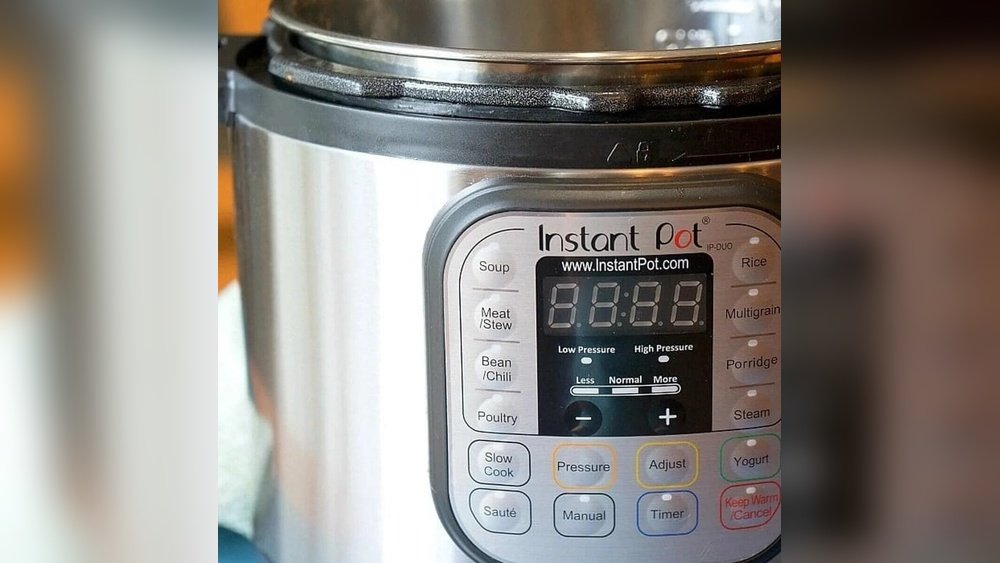
Simmering is a basic cooking skill, but when you use an Instant Pot, the process can feel confusing. If you ever tried to simmer a soup or a sauce on your Instant Pot and ended up with a rapid boil or burned food, you’re not alone.
Many home cooks expect the Instant Pot to work like a regular pot, but it’s a unique tool. Learning how to simmer on Instant Pot can help you unlock more recipes and improve your results. This article will guide you from the basics to advanced tips, so you get perfect simmered dishes every time—even if you’re new to the Instant Pot.
What Does “simmer” Mean In Cooking?
Simmering means cooking food gently in liquid, just below the boiling point. You see small bubbles occasionally rising to the surface, but the liquid never boils vigorously. This method is perfect for soups, stews, sauces, and braised dishes because it cooks food slowly and evenly, helping flavors develop and preventing burning or sticking.
On a regular stovetop, simmering is easy: you adjust the heat until you see gentle bubbles. But the Instant Pot is different. It uses pressure and pre-programmed settings, so you don’t have direct control over the heat source. Understanding this difference is the first step to simmering successfully.
How Instant Pot Cooking Differs From Traditional Simmering
The Instant Pot is an electric pressure cooker with many functions. It can sauté, steam, slow cook, and more. But because it seals tightly and uses pressure, the way you simmer is not the same as using a regular pot.
Here’s why it’s different:
- Pressure cooking brings liquids to a boil quickly and cooks at high pressure, which is not a simmer.
- The lid locks tightly, so steam can’t escape. In traditional simmering, evaporation thickens sauces, but that doesn’t happen easily in the Instant Pot.
- The “Sauté” and “Slow Cook” settings give you more control over the temperature, but they don’t always act like a stovetop burner.
So, to simmer in the Instant Pot, you need to know which settings to use, how to adjust them, and when to leave the lid off.
Why Simmer In An Instant Pot?
You might wonder, “Why not just use a pot on the stove?” Here are a few benefits of simmering in the Instant Pot:
- Hands-off cooking: Once set, the Instant Pot maintains temperature better than a stovetop.
- Energy efficient: The Instant Pot uses less energy compared to leaving a burner on for hours.
- Keeps your kitchen cool: No extra heat in the room, great for summer or small kitchens.
- Consistent results: The pot holds temperature well, so your simmer won’t turn into a boil.
- Multifunctional: You can brown meat, simmer a sauce, then pressure cook—all in one pot.
Which Instant Pot Settings Simmer Food?
The Instant Pot doesn’t have a button labeled “Simmer,” but several functions can mimic it. Here are the main options:
- Sauté (Low/Normal/High): The Sauté mode acts like a frying pan or pot. On “Low,” it closely matches a simmer.
- Slow Cook (Low/Medium/High): Like a slow cooker, this function heats gently. On “Medium,” it can provide a slow simmer.
- Keep Warm: This setting maintains heat, sometimes just enough to gently simmer liquids.
It’s important to note the temperature ranges for each mode:
| Setting | Approx. Temp (°F) | Best Use for Simmering? |
|---|---|---|
| Sauté (Low) | ~180–190 | Gentle simmer |
| Sauté (Normal) | ~320 | Too hot (boils quickly) |
| Sauté (High) | ~350 | For browning, not simmering |
| Slow Cook (Medium) | ~200 | Slow simmer over hours |
| Keep Warm | ~165 | Maintains temp, not for full simmer |
The best choice for simmering is Sauté (Low) or Slow Cook (Medium), depending on your recipe and time.
Step-by-step: How To Simmer On Instant Pot
Let’s break down the process so you can achieve the ideal simmer, no matter your dish.
1. Choose The Right Setting
Most recipes benefit from Sauté (Low) for short simmering (under 30 minutes) and Slow Cook (Medium) for longer, gentle simmering (over 1 hour). For example, a tomato sauce can simmer on “Sauté (Low)” for 20 minutes, but a beef stew may need “Slow Cook (Medium)” for 4–6 hours.
2. Leave The Lid Off (or Use A Glass Lid)
Simmering means letting steam escape. If you use the standard Instant Pot lid, pressure builds up and you end up boiling, not simmering. Instead, use:
- No lid at all (best for reducing sauces and soups)
- A glass lid (lets you watch the food, allows steam to escape)
- The Instant Pot lid, but set to “Venting” (if you don’t have a glass lid)
Leaving the lid off also helps thicken sauces by letting liquid evaporate.
3. Start With Sauté (low), Adjust As Needed
Press “Sauté” and use the “Adjust” button to choose “Low. ” Add your ingredients. Wait for gentle bubbles—these should appear around the edges, not a rolling boil. Stir occasionally to prevent sticking.
If you see too many bubbles, switch to “Keep Warm” for a few minutes, then back to “Sauté (Low). ” If there are no bubbles, try “Sauté (Normal)” briefly, but don’t walk away—it can burn food quickly.
4. For Long Simmering, Use Slow Cook
If your recipe needs hours of simmering (like braised meats or beans), use “Slow Cook (Medium). ” Add your food, set the time, and use a glass lid if you have one. This function is much gentler than pressure cooking and closely matches stovetop simmering.
5. Stir And Check Frequently
The Instant Pot heats from the bottom, so thicker foods can stick and burn if not stirred. Every 10–20 minutes, give your dish a quick stir. This is especially important for tomato-based sauces, rice dishes, or foods with cheese.
6. Taste And Adjust
Simmering helps flavors blend. After 20–30 minutes, taste your food. You may need to add salt, herbs, or spices. If your dish is too thin, let it simmer a bit longer with the lid off. If it’s too thick, add a little broth or water.
7. Finish And Serve
When your dish tastes right and the texture is perfect, turn off the Instant Pot. Serve right away, or keep it warm using the “Keep Warm” setting.
Example: Simmering Tomato Sauce In An Instant Pot
Let’s walk through an example—a simple tomato sauce.
- Set Instant Pot to “Sauté (Low).”
- Add olive oil, onions, and garlic. Sauté until soft.
- Pour in crushed tomatoes, salt, pepper, and herbs.
- Stir well. Let simmer with the lid off for 20–30 minutes, stirring every 5–10 minutes.
- If the sauce gets too thick, add a splash of water. If too thin, let it simmer longer.
- Taste and adjust seasoning.
- Serve over pasta, or store for later.
This method works for many sauces, soups, and gravies.
Instant Pot Models And Simmering Performance
Not all Instant Pot models are the same. The heat levels, buttons, and even the pot shape can affect how well you simmer. Here’s a quick comparison:
| Model | Sauté Levels | Slow Cook Options | Best for Simmering? |
|---|---|---|---|
| Lux | Less, Normal, More | Only one level | OK (limited control) |
| Duo/Duo Plus | Low, Normal, High | Low, Medium, High | Good (more control) |
| Ultra | Customizable | Customizable | Best (full control) |
| Viva | Low, Normal, High | Low, Medium, High | Good |
If you want perfect simmering, choose a model with “Sauté (Low)” and “Slow Cook (Medium). ” The Ultra model has the most flexibility.
Common Simmering Mistakes And How To Avoid Them
Many new Instant Pot users run into trouble when trying to simmer. Here’s how to avoid the most common mistakes:
- Boiling instead of simmering: The “Sauté (Normal/High)” settings get too hot. Always choose “Low” for simmering.
- Leaving the lid on: Using the sealing lid traps steam, leading to boiling and watery dishes. Simmer with the lid off or use a glass lid.
- Not stirring: Food can stick and burn, especially thick sauces or those with sugar. Stir every 10–20 minutes.
- Not monitoring the food: Unlike pressure cooking, simmering needs some attention. Don’t walk away for hours.
- Overcrowding the pot: Simmering works best with enough liquid and room for food to move. Don’t fill past the “Max” line.
- Using pressure cook mode to simmer: Pressure cook mode brings liquid to a boil and cooks at high pressure. This is not simmering and will change your recipe’s texture.
Simmering Vs. Other Instant Pot Functions
It’s easy to confuse simmering with other cooking modes. Here’s how they’re different:
- Pressure Cook: High temp, sealed lid, short cooking time. Not a simmer.
- Sauté: Open lid, high direct heat. On “Low,” closest to a simmer.
- Slow Cook: Open or glass lid, gentle heat for hours. Mimics a slow stovetop simmer.
- Keep Warm: Maintains temp, not hot enough for a simmer, but keeps food at serving temp.
Simmering is unique because it’s gentle, moist, and lets flavors blend without rapid boiling.
Simmering Different Foods In The Instant Pot
Each food needs a slightly different approach. Here’s how to simmer some common dishes:
Soups And Stews
Start with “Sauté (Low)” to bring everything up to temp. Switch to “Slow Cook (Medium)” for longer cooking—leave the lid off if you want to reduce liquid. Stir every 15–20 minutes.
Sauces And Gravies
Use “Sauté (Low)” only. Keep the lid off. Stir often to prevent burning, especially with thick tomato or cheese sauces.
Beans And Lentils
If you pre-cook beans with pressure, you can simmer them after on “Sauté (Low)” to blend flavors. For slow-cooked beans, use “Slow Cook (Medium)” and stir occasionally.
Braised Meats
Sear meat first on “Sauté (High),” then add liquid and simmer with “Slow Cook (Medium)” for several hours. Lid can be on or off, depending on how much reduction you want.
Rice Dishes
Most rice is cooked with pressure, but for pilaf or risotto, you can simmer with “Sauté (Low)” after pressure cooking to finish the texture.

Credit: ghurairproperties.com
Simmering And Liquid Reduction
Many recipes call for reducing liquid to thicken a sauce. In the Instant Pot, this is only possible with the lid off. If you simmer with the lid on, steam can’t escape, so your sauce stays thin.
How to reduce liquid on Instant Pot:
- Finish pressure or slow cooking.
- Switch to “Sauté (Low),” remove the lid.
- Stir and cook until the sauce thickens to your liking.
It usually takes 10–30 minutes for a thin sauce to reduce.
Advanced Simmering Tips For Instant Pot Users
As you get more comfortable, you can use these expert tips:
- Use a splatter guard: When simmering thick sauces, a splatter guard keeps your kitchen clean but lets steam out.
- Adjust simmer strength: If “Sauté (Low)” is too hot, alternate with “Keep Warm” to control bubbling.
- Layer flavors: Add delicate herbs or spices near the end to keep their flavor fresh.
- Batch simmering: For large amounts, simmer in batches. The Instant Pot works best when not overfilled.
- Deglaze regularly: After simmering, use a splash of broth to deglaze the pot and avoid burnt bits.
- Use a thermometer: If you want to be precise, check the liquid temperature. Simmering is 185–205°F.
Cleaning After Simmering
Simmering can leave food residue on the bottom. For easy cleaning:
- Let the pot cool before washing.
- Soak the inner pot in warm, soapy water for 10–15 minutes.
- Use a non-scratch sponge to clean.
- For stubborn stains, simmer water with a little vinegar for 5 minutes, then wash again.
This keeps your Instant Pot in good shape for the next simmer.
Is Simmering On Instant Pot Safe?
Yes, as long as you use the right settings and don’t overfill the pot. Always leave the lid off or use a vented lid when simmering. Never try to pressure cook with thick sauces or without enough liquid, as this can cause the safety valve to clog.
Credit: nilds.gov.ng
Simmering For Special Diets
If you cook for gluten-free, vegan, or low-salt diets, simmering on the Instant Pot is a great choice. It helps blend flavors without extra fat or salt, and you can control every ingredient. For a richer taste in vegan dishes, try simmering with dried mushrooms or nutritional yeast.
Real-world Example: Simmering Chili In An Instant Pot
A classic chili recipe benefits from simmering. Here’s how you do it:
- Brown ground beef on “Sauté (High).”
- Add onions, garlic, and peppers; sauté until soft.
- Add beans, tomatoes, spices, and broth.
- Switch to “Sauté (Low).” Simmer with the lid off for 30–40 minutes, stirring often.
- If too thin, keep simmering. If too thick, add more broth.
- Taste and adjust seasoning.
The result: a rich, thick chili with deep flavor.
Simmering For Batch Cooking And Meal Prep
Simmering in the Instant Pot is perfect for making big batches. You can make double recipes of sauce or soup, then freeze portions for later. Use the “Sauté (Low)” setting to finish and thicken your dish before storing.
Simmering And Time Management
Because the Instant Pot holds temperature well, you can walk away for short periods without worry. Just don’t leave the pot unattended for hours, especially with thick or starchy foods—they can stick.
For best results, set a timer (on your phone or the pot) to remind yourself to check and stir.
Comparing Simmering On Instant Pot Vs. Stovetop
Which is better? Here’s a quick look at the pros and cons:
| Feature | Instant Pot | Stovetop |
|---|---|---|
| Hands-off cooking | Yes (set and forget for short periods) | No (needs constant watching) |
| Energy use | Low | Higher |
| Thickening sauces | Possible, but slower | Easy and quick |
| Burn risk | Low (if stirred) | Medium (if not watched) |
| Flavor development | Excellent | Excellent |
Two Non-obvious Simmering Insights
Most beginners don’t realize:
- The Instant Pot retains heat longer than a stovetop pot after turning off, so food will continue to simmer for several minutes. Always factor this into your cooking time to avoid overcooking.
- Evaporation is much slower in the Instant Pot, even with the lid off, because the tall sides trap steam. For quick reduction, stir more often or use a wider pot if available.
Final Thoughts
Mastering how to simmer on Instant Pot opens up a world of new recipes and better flavors. It’s not the same as traditional simmering, but with a little practice, you’ll find it can make your kitchen work easier and your food taste better.
Remember to use the right settings, stir often, and adjust as you go. With these tips and examples, you can confidently simmer anything from sauces to stews in your Instant Pot.
For even more details about Instant Pot features, visit the official Instant Pot website.
Frequently Asked Questions
How Do I Know If My Instant Pot Is Simmering Correctly?
Look for gentle bubbles around the edges of the pot, not a rolling boil. The liquid should move, but not splash violently. If you see too much bubbling, lower the heat or switch to “Keep Warm” for a few minutes.
Can I Simmer With The Instant Pot Lid On?
No, you should leave the lid off or use a glass lid with a vent hole. The regular lid seals and creates pressure, which causes boiling, not simmering.
What’s The Best Setting For Simmering A Sauce?
Use Sauté (Low) for sauces. Stir often and keep the lid off. For thicker reductions, you may need to alternate with “Keep Warm” if your sauce starts to boil.
Why Does My Food Burn When I Try To Simmer?
This often happens if you use “Sauté (Normal/High)” or don’t stir enough. Always use the lowest heat, leave the lid off, and stir every 10–20 minutes, especially for thick or sugary dishes.
Can I Reduce The Liquid In My Instant Pot While Simmering?
Yes, but only with the lid off. Simmer on “Sauté (Low)” and stir often. It may take longer than on the stovetop, but you’ll get a rich, thick sauce in the end.
Credit: instantpoteats.com