
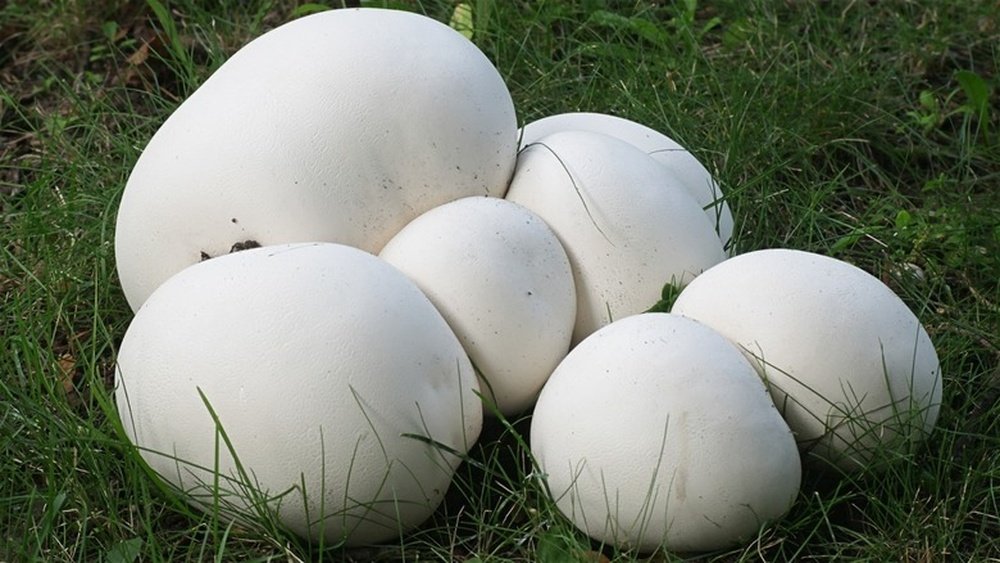
Puffball mushrooms are one of nature’s most unique edible fungi. Their giant, white, round shape is hard to miss in forests and fields. But once you harvest a puffball, you may wonder, “How do I store this to keep it fresh and safe to eat?
” Storing puffball mushrooms is not as simple as tossing them in the fridge. They have special qualities that require careful handling. Done right, you can enjoy their mild, earthy flavor for weeks or even months.
In this guide, you’ll discover practical methods for storing puffball mushrooms, from short-term refrigeration to long-term drying and freezing. You’ll learn how to clean them, what to avoid, and simple tips that even experienced foragers sometimes miss. Whether you found a softball-sized puffball or a giant one that could feed a crowd, you’ll find step-by-step advice to keep your mushroom at its best.
Understanding Puffball Mushrooms
Before learning how to store puffball mushrooms, it helps to know a bit about their nature. Puffballs, especially the giant puffball (Calvatia gigantea), are prized for their delicate taste and soft texture. They can grow from the size of a tennis ball to as large as a soccer ball or bigger.
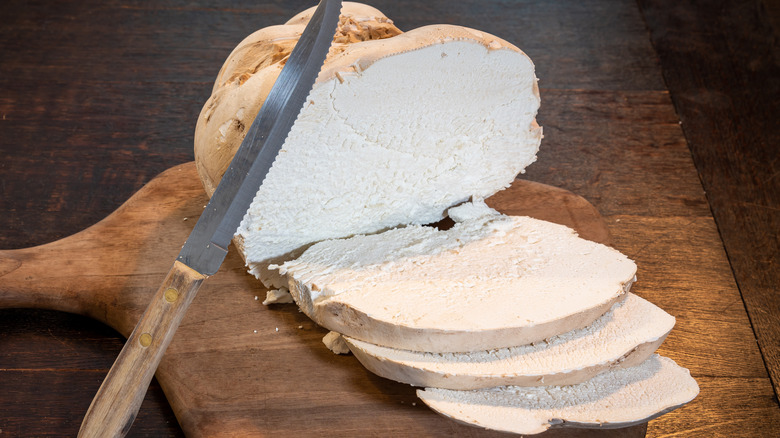
The most important part: only young, white puffballs are edible. Once inside turns yellow, brown, or green, it’s too old and not safe to eat. When fresh, the inside should look like solid white marshmallow.
Puffballs are about 90% water. This high moisture makes them quick to spoil if not stored properly. They are also quite porous, which means they soak up odors and flavors from their surroundings. These two facts shape every step of storing puffballs.
Harvesting And Preparing Puffballs For Storage
The way you harvest and clean your puffball has a big impact on how long it will keep. Start with these key steps:
- Harvest Carefully: Use a clean knife to cut the puffball at the base. Avoid breaking or bruising it, as damage can speed up spoilage.
- Check Freshness: Slice the mushroom in half right away. The inside must be pure white. If there are any yellow, green, or brown spots, discard those sections.
- Clean Gently: Use a soft brush or dry cloth to remove dirt. Avoid washing with water unless absolutely necessary, as puffballs absorb moisture easily.
- Trim Edges: Cut away any tough or dirty skin from the outside. Remove all bits of grass, leaves, or soil.
- Work Quickly: Puffballs start to degrade soon after picking. Begin storage preparation as soon as you can.
A non-obvious tip: do not peel the whole puffball unless the skin is tough or dirty. The skin helps keep the inside moist and protected. Only peel what you plan to eat immediately.
Short-term Storage: Refrigeration
If you plan to eat your puffball within a few days, refrigeration is the best option. But it’s not as simple as just putting it in the fridge. Puffballs need to “breathe,” or they will sweat and spoil.
How To Refrigerate Puffball Mushrooms
- Wrap in Paper Towels: Wrap the cleaned puffball in dry paper towels. This helps absorb moisture and prevents the mushroom from getting slimy.
- Place in a Paper Bag: Put the wrapped puffball in a paper bag, not plastic. Paper lets air circulate and reduces humidity.
- Store in Vegetable Drawer: The crisper drawer is ideal. It’s cool and has steady airflow.
- Check Daily: Open the bag and check for any signs of mold or softness. Change the paper towels if they get damp.
Stored this way, a fresh puffball will last 3 to 5 days in the refrigerator. Sometimes, a perfect specimen will keep for up to a week, but always check before eating.
Why Not Plastic Bags?
Plastic traps moisture, which causes puffballs to sweat. This creates a perfect environment for bacteria and mold, making the mushroom rot quickly.
Extending Refrigerator Life
If you want to keep your puffball fresh for a bit longer, slice it into thick pieces (about ½ inch), layer them with dry paper towels, and store in a paper bag. Sliced puffball tends to dry out a bit, but it won’t spoil as fast as a whole one.
Freezing Puffball Mushrooms
Freezing is a good option if you want to store puffballs for weeks or months. However, puffballs are not ideal for freezing raw, because their high water content makes them mushy when thawed.
Freezing Methods
You have two main choices: blanching or pre-cooking before freezing.
Blanching Puffball Slices
Blanching helps keep flavor and texture.
- Slice the Puffball: Cut into ½ inch thick slices.
- Boil Water: Bring a large pot of water to a rolling boil.
- Blanch Slices: Drop slices into the boiling water for 2 minutes.
- Ice Bath: Quickly move slices to a bowl of ice water to stop cooking.
- Drain and Dry: Pat slices dry with clean towels.
- Pack for Freezing: Place in single layers on a baking sheet and freeze for 2 hours. Once frozen, transfer to airtight freezer bags.
Pre-cooking Puffball For Freezing
Cooking before freezing works even better for flavor.
- Saute in Butter or Oil: Cook slices in a pan until they are just done (about 3-5 minutes per side).
- Cool Quickly: Spread on a plate to cool.
- Freeze in Portions: Pack into airtight containers or freezer bags.
Frozen puffball keeps well for up to 6 months. Label bags with the date for easy tracking.
Thawing And Cooking Frozen Puffball
Remove slices from the freezer and cook from frozen. Do not thaw at room temperature, as the texture can turn soggy. Add frozen slices directly to hot pans, soups, or stews.
A Real-world Example
A family who forages puffballs every fall reported that pre-cooked, frozen slices held their flavor and texture far better than raw-frozen. They use them in omelets, stir-fries, and casseroles all winter.
Credit: www.businessinsider.com
Drying Puffball Mushrooms
Drying is the oldest way to preserve mushrooms. For puffballs, drying is less common because their texture is different from other wild mushrooms. But if you have a large harvest, it’s a useful technique.
How To Dry Puffball Mushrooms
- Slice Thinly: Cut the puffball into ¼ inch thick slices.
- Arrange on Racks: Lay slices in a single layer on drying racks or baking sheets.
- Use a Dehydrator: Set at 110–120°F (43–49°C) for 8–12 hours.
- Or Use an Oven: Place racks in an oven set to the lowest possible temperature. Prop the door open to allow moisture to escape.
- Check for Crispness: When fully dry, slices should snap, not bend.
Storing Dried Puffball
Place cooled, dried slices in an airtight glass jar or a moisture-proof bag. Store in a cool, dark place. Properly dried puffball can last up to a year.
Rehydrating Dried Puffball
Soak slices in warm water for 15–30 minutes before using. The flavor will be milder and the texture spongier than fresh.
A Non-obvious Insight
Dried puffball can be powdered in a blender and used as a seasoning. Sprinkle puffball powder on pasta, pizza, or vegetables for a subtle mushroom flavor.
Storing Cooked Puffball Dishes
Sometimes, you cook more puffball than you can eat in one meal. Leftovers can be stored safely, but they require care.
- Cool Quickly: After cooking, let dishes cool to room temperature (no more than 2 hours).
- Refrigerate in Airtight Containers: Use glass or plastic containers with tight lids.
- Eat Within 2–3 Days: Cooked puffball does not keep as long as fresh when stored.
- Reheat Thoroughly: Heat to steaming hot before eating.
Do not freeze cooked dishes with cream or cheese, as the texture will suffer.
Comparing Storage Methods
Here’s a quick comparison of the main ways to store puffball mushrooms:
| Method | Best For | How Long It Lasts | Texture When Used |
|---|---|---|---|
| Refrigeration | Short-term use (3–5 days) | Fresh, soft | Like fresh |
| Freezing (blanched or cooked) | Long-term storage (up to 6 months) | Slightly softer | Good for cooked dishes |
| Drying | Very long storage (up to 1 year) | Crisp when dry | Softer, spongy when rehydrated |
Common Mistakes To Avoid
Even experienced mushroom hunters make mistakes when storing puffballs. Avoid these pitfalls to keep your harvest safe and tasty.
- Storing When Overripe: Only store pure white puffballs. Any color change means it’s too old.
- Using Plastic Bags: Puffballs sweat and spoil in plastic.
- Washing with Water: Water causes puffballs to absorb moisture and rot faster.
- Ignoring Daily Checks: Even in the fridge, puffballs can spoil quickly if not checked.
- Freezing Raw: Raw puffballs turn mushy when thawed. Always blanch or cook first.
Advanced Tips For Puffball Storage
If you want to take your puffball storage further, here are some expert ideas:
- Vacuum Sealing: After drying or pre-cooking, vacuum sealing extends shelf life and protects from moisture.
- Flavor Infusion: Sauté puffball slices with herbs before freezing for extra flavor.
- Pickling Puffballs: Slice and pickle in vinegar, salt, and spices. Store in the refrigerator for up to a month.
- Fermentation: Like other mushrooms, puffballs can be fermented for a tangy side dish, but this is more advanced and requires careful food safety.
Storage For Commercial Or Large Harvests
If you are storing a large amount of puffball (more than 5 pounds), special steps help keep quality high.
- Immediate Processing: Slice and store as soon as possible after harvest.
- Multiple Methods: Consider drying some, freezing others, and refrigerating what you will eat soon.
- Monitor Storage Area: For air-drying, make sure humidity is below 60% and airflow is good.
- Keep Records: Label all containers with the date and method for easy rotation.
Credit: www.mashed.com
Comparing Puffball To Other Edible Mushrooms
How does storing puffball compare with other common mushrooms like shiitake or portobello?
| Mushroom Type | Best Storage Method | Maximum Storage Time | Special Notes |
|---|---|---|---|
| Puffball | Refrigerate, freeze (cooked), dry | Up to 1 year (dried) | Very high water content |
| Shiitake | Refrigerate, dry | Up to 1 year (dried) | Best dried in thin slices |
| Portobello | Refrigerate | Up to 7 days | Do not freeze raw |
A key takeaway: puffballs spoil faster than most store-bought mushrooms if not stored with care.
Safety Considerations
Storing puffball mushrooms safely is not just about taste. Old or poorly stored puffballs can grow dangerous molds and bacteria.
- Inspect Before Eating: If you see black, green, or blue spots or smell anything sour, discard the mushroom.
- Do Not Eat Unknown Species: Some mushrooms look like puffballs but are toxic. Always cut in half—if you see a forming cap or gills inside, it’s not a true puffball.
- Label Everything: Especially if storing for months, label date and storage method.
If you are ever unsure, consult a local mushroom expert or use a reliable guide like Wikipedia to confirm identification.

Credit: www.youtube.com
Using Stored Puffball Mushrooms
Stored puffballs can be used in many dishes. Here are some ideas:
- Omelets and Scrambles: Sauté stored puffball and add to eggs.
- Stir-Fries: Frozen or rehydrated slices work well with vegetables and soy sauce.
- Soups and Stews: Add frozen or dried slices for a mild mushroom flavor.
- Breaded and Fried: Refrigerated or thawed slices can be breaded and pan-fried for a crispy snack.
- Pasta Sauces: Puffball powder or slices add depth to creamy or tomato-based sauces.
A tip: dried puffball has a milder taste than fresh. Use more in recipes or mix with other mushrooms for stronger flavor.
Environmental Factors Affecting Storage
Temperature, humidity, and airflow all impact how long puffballs last.
- Temperature: Always keep puffballs below 40°F (4°C) for short-term, or freeze for long-term.
- Humidity: High humidity speeds up spoilage. Use paper, not plastic.
- Airflow: Stale air encourages mold. Change storage paper regularly.
If you live in a humid climate, drying may be more difficult. Use a dehydrator or oven with the door cracked open for best results.
Signs Of Spoilage
Knowing when a puffball has gone bad is critical for safety.
Look for these warning signs:
- Color Change: Any yellow, green, or brown inside means spoilage.
- Sliminess: Mushrooms that feel slimy are decomposing.
- Foul Smell: Puffballs should smell fresh and earthy, never sour or rotten.
- Mold: White fuzz is normal outside; green, blue, or black mold is not.
When in doubt, throw it out. Puffball poisoning is rare but possible if you eat spoiled or misidentified mushrooms.
Frequently Asked Questions
How Do I Know If My Puffball Mushroom Is Still Good To Eat?
Check the inside by slicing in half. It should be pure white with a firm texture. Discard if you see any yellow, green, brown, or dark spots, or if it smells sour or rotten. Never eat puffballs with gills or a forming cap inside.
Can I Freeze Puffball Mushrooms Raw?
It is not recommended. Raw puffballs become mushy and lose their texture when thawed. Always blanch or pre-cook before freezing for the best results.
What Is The Best Way To Dry Puffball Mushrooms?
Slice the puffball thinly and dry in a dehydrator at 110–120°F (43–49°C) for 8–12 hours, or use an oven set to the lowest temperature with the door open. Dry until slices snap, then store in airtight containers.
How Long Will Puffball Mushrooms Last In The Fridge?
Properly stored in paper towels and a paper bag in the vegetable drawer, fresh puffballs will last 3–5 days. Always check for spoilage before use.
Can I Store Puffball Mushrooms With Other Foods?
It’s best to store them separately. Puffballs can absorb strong odors and flavors from other foods, which can change their taste.
Storing puffball mushrooms requires care, but with the right method, you can enjoy their delicate flavor far beyond the harvest season. Whether you refrigerate, freeze, or dry your mushrooms, always start with fresh, white puffballs, and check them often. With these tips, your puffball harvest can become a delicious treat for months to come.