
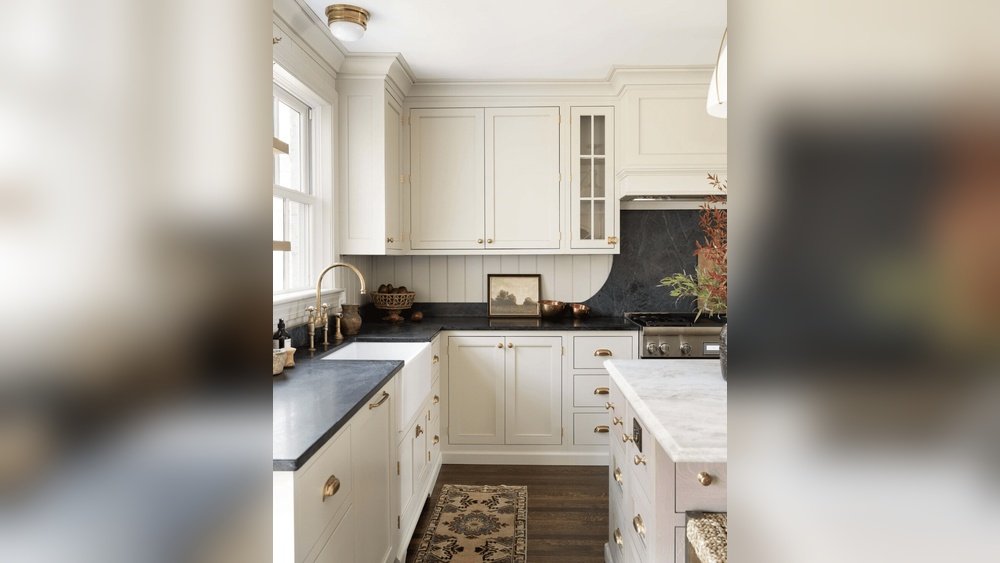
Mixing cabinet pulls and knobs may sound easy, but it can quickly become a design headache. You want your kitchen or bathroom to look stylish, not messy or confusing. The truth is, combining different hardware can take your space from ordinary to custom—if you do it right.
If you get it wrong, your cabinets can look mismatched or unfinished. This guide will show you how to mix cabinet pulls and knobs with confidence. You’ll get practical tips, design strategies, and real-world examples. Even if you’re not a professional designer, you’ll be able to create a balanced, beautiful look for your cabinets.
Why Mix Cabinet Pulls And Knobs?
Combining both pulls and knobs adds character to your home. It creates visual interest, making your cabinets more than just storage. Here are some reasons to mix them:
- Better Functionality: Pulls are easier for heavy drawers, while knobs suit small doors.
- Personal Style: Mixing lets you express yourself beyond the standard builder-grade look.
- Balanced Design: The right mix makes your space feel custom and put together.
Many high-end kitchens use a combination of both. In fact, a 2022 Houzz survey found that over 60% of renovated kitchens used mixed hardware for a custom look.
Understanding Cabinet Hardware Basics
Before you start mixing, you need to understand the basics. Cabinet hardware falls into two main types:
- Knobs: Small, single-screw pieces, usually round or square. Used for doors and sometimes small drawers.
- Pulls: Longer handles with two screws. Used for drawers, large doors, and appliances.
They come in hundreds of finishes, shapes, and sizes. Materials include metal, wood, ceramic, and glass. Each type has its own strengths for design and function.
When To Use Pulls Vs. Knobs
Choosing the right piece for each cabinet is crucial. Here are some guidelines:
- Knobs are best for cabinet doors and smaller drawers. They’re easy to grip and install.
- Pulls work well for large drawers, heavy doors, and modern styles. They give you more leverage.
If you have deep or wide drawers, pulls are more practical. For upper cabinets or small pantry doors, knobs keep things simple. The key is to use each where it functions best.
The Golden Rules For Mixing Cabinet Pulls And Knobs
Mixing hardware is part art, part science. Here are five golden rules to keep your design balanced:
1. Match Finishes, Not Always Styles
You don’t have to use the same shape everywhere, but matching finishes (like all brushed nickel or all matte black) keeps things unified. If you want a bolder look, mix two finishes—but only if you’re confident with design.
2. Stay Consistent With Placement
Put knobs on all upper cabinet doors and pulls on all lower drawers, or vice versa. Don’t swap this pattern randomly; consistency is key.
3. Use Similar Shapes
If you choose round knobs, pair them with curved pulls. For square knobs, try bar pulls. This keeps your look intentional.
4. Balance Scale And Size
Don’t mix a tiny knob with a huge pull. Keep hardware sizes in proportion to cabinet size.
5. Don’t Overdo It
Too many different shapes or finishes look chaotic. Limit yourself to two types and two finishes, maximum.
Step-by-step Guide: How To Mix Cabinet Pulls And Knobs
Ready to start? Follow these steps to plan and install the perfect combination.
1. Assess Your Cabinets
Walk through your kitchen or bathroom. Count the number of cabinet doors and drawers. Notice their sizes and positions.
- Are your drawers all the same size?
- Are there tall pantry doors or appliance panels?
This helps you decide where pulls or knobs make sense.
2. Choose A Unified Finish
Select a finish that fits your style and other fixtures (like faucets or lights).
Popular finishes include:
- Brushed nickel
- Matte black
- Oil-rubbed bronze
- Polished chrome
- Antique brass
Mixing finishes can look great, but it’s harder to pull off. If you’re unsure, stick to one finish throughout your space.
3. Pick Your Hardware Shapes
Decide on the shape for both pulls and knobs. Here’s a simple comparison:
| Hardware Type | Common Shapes | Best For |
|---|---|---|
| Knobs | Round, Square, Hexagon, Novelty | Small doors, Upper cabinets |
| Pulls | Bar, Arch, Cup, Finger | Drawers, Large doors |
Tip: If your cabinet style is modern, use sleek bar pulls with simple round or square knobs. For traditional kitchens, try cup pulls with round or oval knobs.
4. Decide On Placement
Make a plan for where each type will go. The most common layout is:
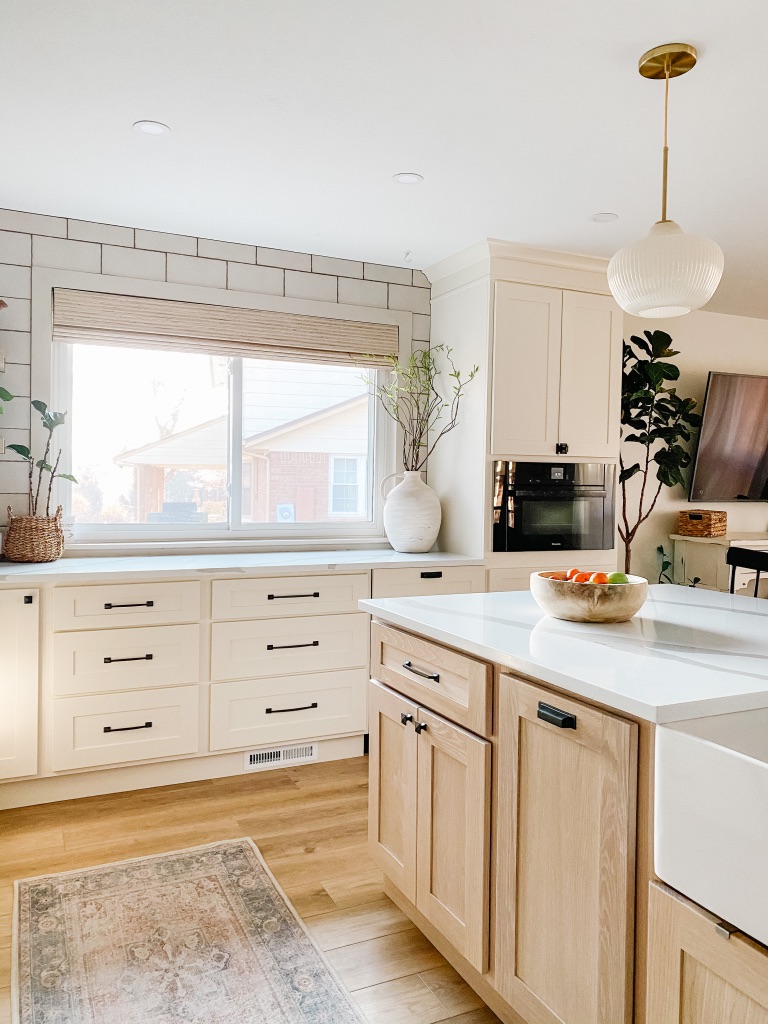
- Knobs on all doors
- Pulls on all drawers
But you can also put pulls on large pantry doors or vertical appliance panels for a bold look.
5. Test With Samples
Order a few samples before buying everything. Hold them against your cabinet doors and drawers.
- Does the knob feel comfortable to grip?
- Does the pull look proportional on a wide drawer?
Testing first helps avoid expensive mistakes.
6. Install With Care
When installing, measure carefully so all hardware lines up evenly. Use a template or jig for drilling holes, especially if you’re replacing older hardware with different spacing.
Small errors can make even beautiful hardware look cheap or sloppy.
Popular Cabinet Hardware Combinations
Here are some winning combinations to inspire you:
- Bar Pulls + Round Knobs: Sleek and modern. Use stainless or matte black for a clean look.
- Cup Pulls + Mushroom Knobs: Classic farmhouse or cottage style. Antique brass or oil-rubbed bronze works well.
- Edge Pulls + Minimalist Knobs: Perfect for ultra-modern, handleless designs.
- Square Pulls + Square Knobs: For a geometric, contemporary look.
- Mixed Metals: For advanced designers, combine matte black pulls with warm brass knobs, but keep shapes similar.
Remember, the best mix feels cohesive, not random.
Common Mistakes To Avoid
Even experienced DIYers make mistakes when mixing hardware. Watch out for these:
- Mixing too many finishes: Stick to one or two. More than that looks cluttered.
- Random placement: Don’t swap pulls and knobs between upper and lower cabinets without a plan.
- Ignoring function: Some small knobs are hard to grab on heavy drawers.
- Wrong size: Oversized pulls on tiny drawers look awkward.
- Not considering cleaning: Ornate hardware with lots of grooves collects dirt.
A good rule of thumb: If you’re unsure, keep it simple.
Real-world Examples And Design Inspiration
Let’s look at how mixing pulls and knobs works in real homes.
Example 1: Modern Kitchen Makeover
In a 2023 renovation, a homeowner installed brushed nickel bar pulls on all drawers and matching round knobs on upper cabinets. The result was a clean, streamlined look. Because the finish and style were consistent, the mix felt intentional.
Example 2: Farmhouse Style
A farmhouse kitchen used cup pulls in oil-rubbed bronze on lower drawers and oval knobs on upper cabinets. The warm finish tied the look together, while the different shapes added visual interest.
Example 3: Bold Mix In A Small Space
A small bathroom mixed matte black square pulls on drawers with brass round knobs on cabinet doors. The designer balanced the two finishes by using black fixtures elsewhere in the room and keeping the knob shape simple.
Example 4: Minimalist Apartment
A minimalist kitchen used edge pulls on all lower drawers and tiny cylindrical knobs on pantry doors. All hardware was in polished chrome, tying the look together.
How To Choose The Right Size And Proportion
Size matters when mixing pulls and knobs. Here’s how to get it right:
- For drawers less than 18″ wide, use 3″ to 4″ pulls.
- For drawers over 18″ wide, use 6″ or longer pulls.
- Knobs should be about 1″ to 1.5″ in diameter—big enough to grip, but not overpowering.
Here’s a quick reference chart:
| Cabinet/Drawer Width | Recommended Pull Length | Knob Diameter |
|---|---|---|
| 12″ or less | 3″–4″ | 1″–1.25″ |
| 13″–24″ | 4″–8″ | 1.25″–1.5″ |
| 24″+ | 8″ or longer | 1.5″ or larger |
Always center pulls on drawer fronts and place knobs about 2. 5″ to 3″ from the corner on doors.
Pairing With Other Kitchen And Bath Elements
Your cabinet hardware should coordinate with other fixtures in the room. For example:
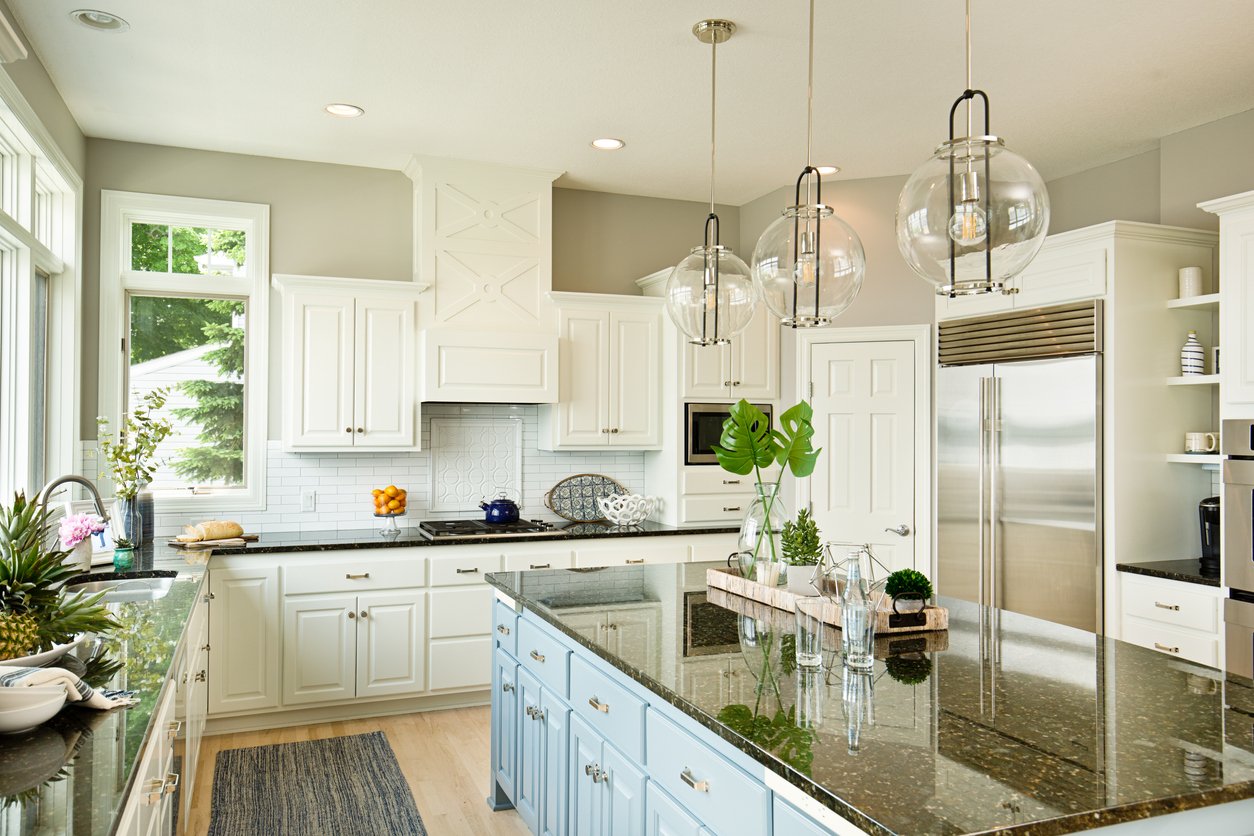
- Match hardware finish to your faucet and lighting for a unified look.
- In open kitchens, consider how hardware looks with nearby appliance handles.
- If your appliances are stainless steel, brushed nickel hardware is a safe choice.
Don’t try to match every metal exactly, but aim for harmony.

Credit: hapnyhome.com
Mixing Metals: Advanced Tips
Mixing metal finishes is a bold design move. Here’s how to do it well:
- Stick to Two Finishes: More than two looks chaotic.
- Repeat Each Finish: Use each finish at least twice in the room.
- Balance Warm and Cool: For example, pair brass (warm) with chrome (cool).
- Use One Dominant Finish: Let one finish lead, and the second act as an accent.
If you’re new to mixing, start with small changes like adding a different finish for island cabinets only.
How To Shop For Cabinet Hardware
Shopping for hardware is overwhelming—there are thousands of options online and in stores. Here’s how to shop smart:
- Set a Budget: Quality hardware starts at $3–$10 per piece, but designer brands can cost $20+.
- Order Samples: Buy a few pieces first to test in your space.
- Read Reviews: Look for hardware that’s sturdy and easy to install.
- Check Return Policy: Make sure you can return pieces that don’t work.
- Consider Lead Time: Custom or specialty hardware may take weeks to arrive.
For reliable info, check sites like Houzz.
Diy Vs. Professional Installation
Installing hardware is a common DIY project. You only need basic tools:
- Drill
- Screwdriver
- Measuring tape
- Template or jig
Tips for success:
- Measure twice before drilling.
- Start with a small pilot hole.
- Use a level to keep pulls straight.
If you’re nervous or have expensive cabinetry, hire a pro. A small mistake can damage your cabinet doors or drawers.
Cleaning And Maintenance
Cabinet hardware collects grease and fingerprints. Here’s how to keep it looking new:
- Wipe with a damp cloth weekly.
- For tough grime, use mild soap and water.
- Avoid harsh chemicals, which can damage finishes.
- For unlacquered brass, use a gentle polish to remove tarnish.
Replace loose screws promptly—wobbly hardware can damage your cabinets over time.
Two Non-obvious Insights For Mixing Cabinet Pulls And Knobs
- Consider Hand Dominance: Most people are right-handed. Placing pulls or knobs on the side of the cabinet door that’s easiest to reach (right for most, left for some) can actually make your kitchen feel more comfortable in daily use.
- Mix For Accessibility: If you or someone in your home has arthritis or limited grip strength, choose larger pulls and avoid tiny knobs. Mixing pulls and knobs isn’t just about style—it can make your kitchen or bath more user-friendly for all ages.
The Role Of Color And Texture
Don’t forget that hardware isn’t just about metal. Painted knobs or pulls, glass, wood, or textured finishes add personality. For example, a row of clear glass knobs can brighten a dark cabinet, while hammered or antiqued metal adds vintage charm.
Be careful not to mix too many textures, though. Pair a textured pull with a simple knob or vice versa.
Planning For Future Updates
Cabinet hardware is one of the easiest things to update. If you plan to change your kitchen color or appliances in a few years, choose classic shapes and finishes that will work with multiple styles. Avoid trendy colors or unusual shapes if you want your look to last.
Sustainability And Eco-friendly Hardware
Many homeowners want sustainable options. Look for cabinet hardware made from recycled metals or FSC-certified wood. Some brands offer hardware with low-VOC finishes, which is better for indoor air quality.
Repurposing vintage hardware from antique stores is both eco-friendly and stylish.
Credit: sprucingupmamahood.com
Summary: Your Roadmap To Success
Mixing cabinet pulls and knobs can be simple if you follow these steps:
- Assess your cabinets and needs.
- Pick a unified finish and shape.
- Plan consistent placement.
- Test with samples.
- Install carefully for a clean look.
Remember, the goal is a space that feels balanced, functional, and reflects your style. With the right mix, your cabinets will look custom and well thought out.
Frequently Asked Questions
What Is The Best Way To Mix Cabinet Pulls And Knobs?
The best way is to use pulls on drawers and knobs on doors, keep finishes and shapes consistent, and avoid mixing more than two styles. Always test samples in your space before making a final decision.
Is It Okay To Mix Metal Finishes In Cabinet Hardware?
Yes, you can mix metal finishes, but limit to two different finishes and repeat each one in the room. Make sure the rest of your space (lighting, faucets) also supports this mix for a cohesive look.
How Do I Know What Size Pulls Or Knobs To Choose?
Match hardware size to the cabinet or drawer size. Smaller pulls (3″–4″) for narrow drawers, longer pulls (6″+) for wide drawers. Knobs should be about 1″–1. 5″ in diameter for most cabinets.
Can I Install Cabinet Hardware Myself?
Yes, most people can install hardware with a drill, screwdriver, and a template. Be sure to measure carefully and start with a pilot hole to avoid mistakes.
How Can I Update My Cabinets Without Replacing Them?
Changing cabinet pulls and knobs is the easiest way to update your cabinets. Pick new hardware that matches your desired style and install them for an instant refresh.
Mixing cabinet pulls and knobs may seem small, but it can transform your space. Take your time, trust your eye, and enjoy the process of making your kitchen or bathroom truly yours.
Credit: www.ringsend.com